.png)
IFJ slams Gandapur’s verbal assault on media, calls for action
JournalismPakistan.com | Published: 12 September 2024 | IFJ Media Release
Join our WhatsApp channel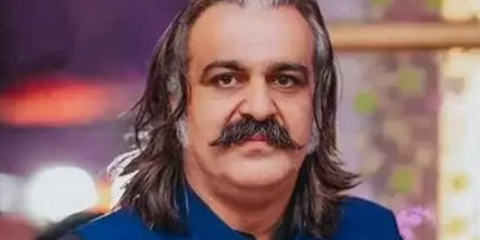
The IFJ has criticized Ali Amin Gandapur for his derogatory remarks towards journalists during a political rally. Journalist bodies are demanding accountability and protection for media workers in Pakistan.Summary
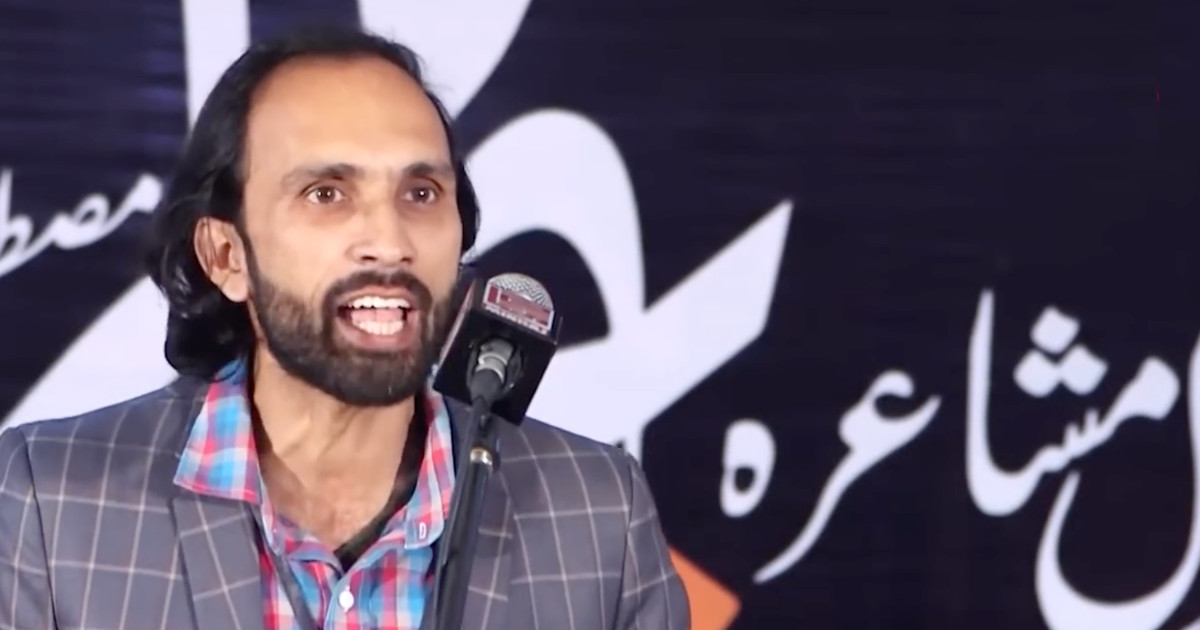
While addressing a political rally in Islamabad, Ali Amin Gandapur ‘cursed’ journalists who he alleged were not ‘supporting’ or covering PTI stories and labelled them ‘sellouts’, before inciting the crowd to back him up. During the attack the minister also allegedly targeted an unnamed female political presenter calling her transgender, corrupt and performing journalism for the government when “shown money”.
Journalists’ bodies, including the Pakistan Federal Union of Journalists (PFUJ), the National Press Club (NPC), Karachi Press Club (KPC) and Rawalpindi-Islamabad Union of Journalists (RIUJ) and the Association of Electronic Media Editors and News Directors (AEMEND) have fiercely condemned the use of vulgar and vile language against the journalist community.
Following a walkout by reporters covering the National Assembly the following day, PTI was in damage control with the chairman and barrister, Gohar Ali Khan, forced to deliver an “unconditional apology” for the language used by his party leader at the public meeting saying the minister had crossed the line.
Pakistani police have since arrested several lawmakers and leaders of the PTI party in midnight raids, allegedly related to a protest on September 10. Party chairman Gohar Khan was among those held but was later released by police according to reports.
It is not the first time the PTI has been criticised for its targeting of media workers under the leadership tenure of former prime minister Imran Khan. The 71-year-old has been in jail for over a year since his overthrow in 2022 after a falling-out with powerful military generals which has spawned the worst political turmoil in decades in the country.
The latest attack follows a long and documented record of PTI supporters trolling and attacking female journalists for allegedly criticizing Imran Khan. The Coalition of Women in Journalism has a monitor of such attacks, including the prolonged and targeted campaign against journalist anchor Gharidah Farooqi.
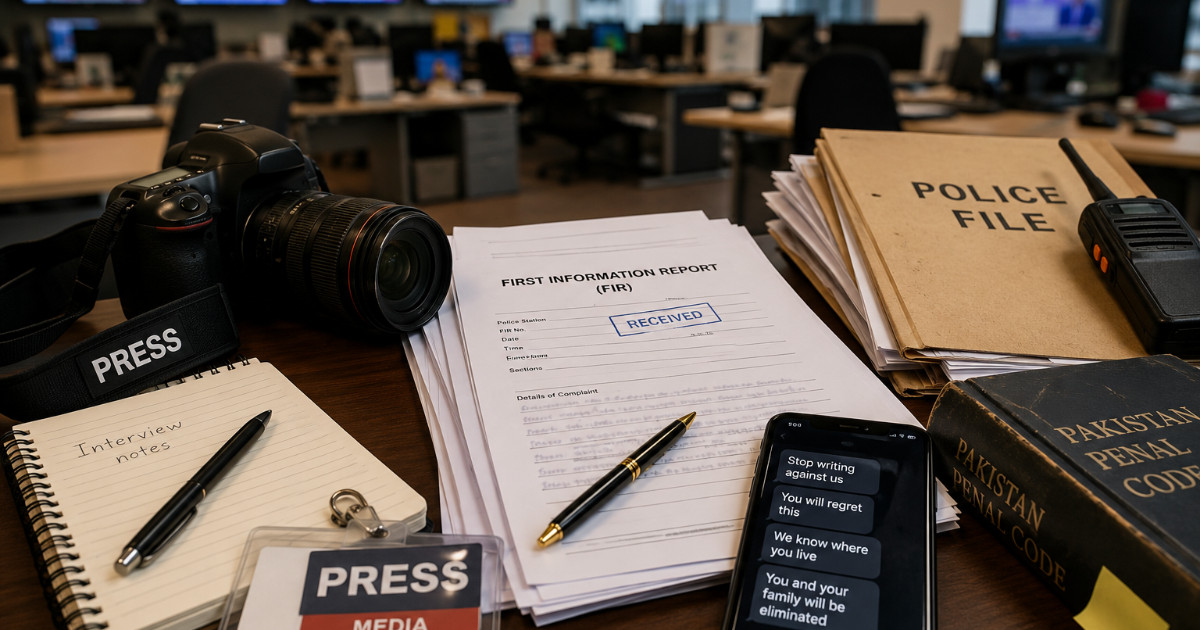
Pakistan does not have a formal mechanism to protect the media from such threats and violence. Gandapur’s address threatened journalists, which violates the law stating that it is a crime to accuse someone publicly without substantial evidence to back the claims. The IFJ understands that a case can be registered under the country’s criminal law.
A further two instruments can protect the media from threats and violence. The Press Council of Pakistan, under its statutory mandate, can issue a statement and take action against any threats to the media and the other is the Media Professionals Act of 2021 against the threat and the one instigating it.
The Human Rights Commission of Pakistan, Hina Jilani, condemned the use of derogatory language by Gandapur in a post on X saying: “Mr Gandapur would do well to remember that freedom of expression, including opposing views, are critical to the health of a democracy.” Women’s civil society organisation Uks and Aurat Foundation also issued statements, along with the Senate.
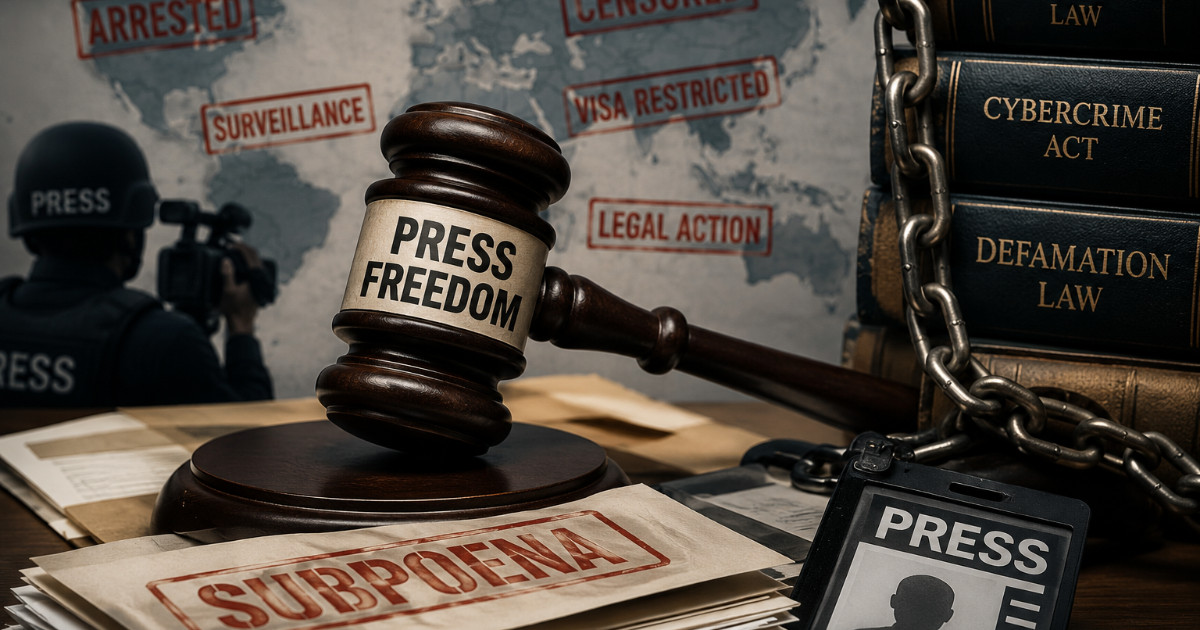
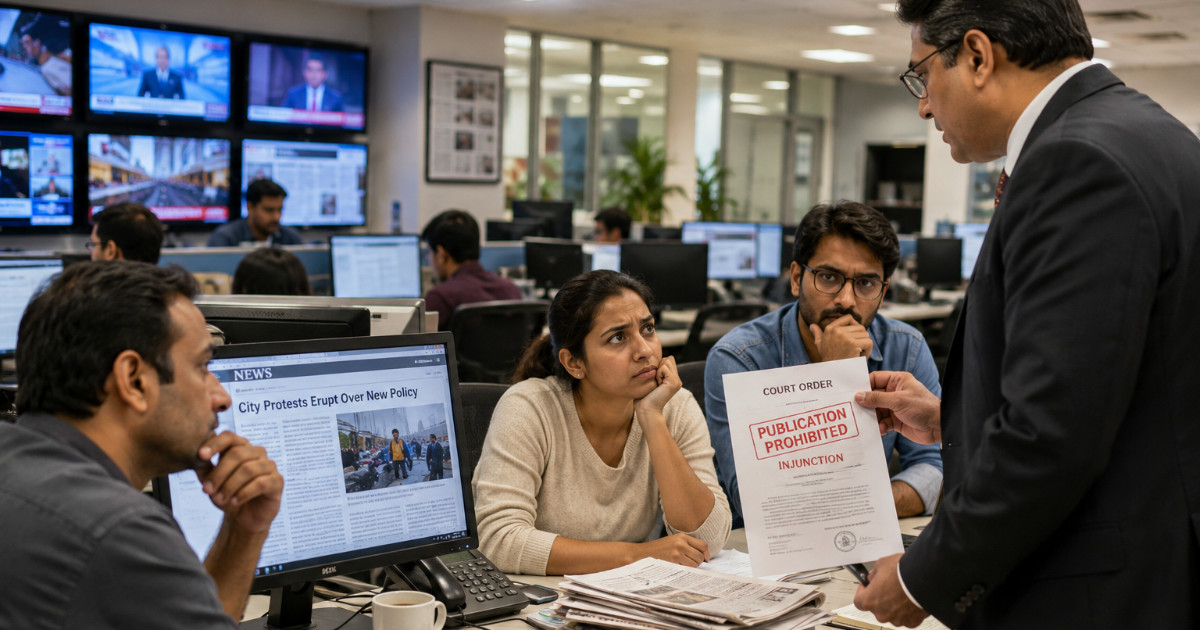
The increasing politicization of the country’s media ownership and operations remains a key concern for the IFJ, not only for media independence and democracy in Pakistan but also the safety of the entire journalist and media community. Too often journalists are censored or pressured by management to report a particular line.
The IFJ says that media workers must be able to operate freely without intimidation or threat and those that instigate such threats should be prosecuted under law. In its statement, PFUJ condemned the chief minister’s statement and demanded he withdraw it.
The PFUJ said: “We called on PTI leader Imran Khan to take notice of the indecent attitude and words used by the chief minister . . . otherwise, journalists will boycott the party’s activities and protest nationwide.”
The IFJ said: “The fundamental issue at stake is democracy and the media’s role to inform in the public interest. Journalists must stand firm in their condemnation of such politically targeted, reckless and despicable attacks intended to incite violence on those reporting. But equally, Pakistan journalists must stand united in their commitment to truly independent journalism and a code of ethics and not bow to the pressure or threats or influences of the powerful.”
Key Points
- Gandapur insulted journalists at a rally, inciting crowd support.
- The IFJ and other journalist bodies condemned his remarks.
- PTI leaders issued an apology following backlash from the media.
- Pakistan lacks formal protections for journalists against threats.
- Calls for action highlight the ongoing crisis in media freedom in Pakistan.
Relevant Topics
Ask AI: Understand this story your way
AI EnabledDig deeper, ask anything — get instant context, background, and clarity.
Disclaimer: This feature is powered by AI and is intended to help readers explore and understand news stories more easily. While we strive for accuracy, AI-generated responses may occasionally be incomplete or reflect limitations in the underlying model. This feature does not represent the editorial views of JournalismPakistan. For our full, verified reporting, please refer to the original article.