.png)
BBC announces closure of HARDtalk after three decades
JournalismPakistan.com | Published: 16 October 2024 | JP Staff Report
Join our WhatsApp channel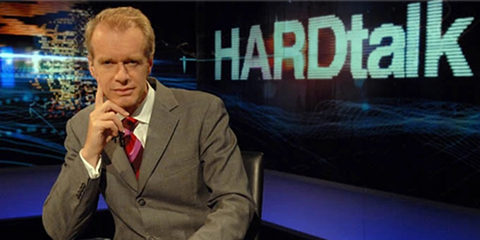
The BBC is ending its acclaimed interview program HARDtalk after three decades. This decision has prompted disappointment and concern over the future of in-depth journalism.Summary
ISLAMABAD—The BBC has announced plans to close its long-running interview program, HARDtalk, after three decades on air. This decision has shocked many, particularly veteran journalist and host Stephen Sackur, who has been with the program since 2004. Sackur took to Twitter to express his disappointment, calling the news "depressing" for both the BBC and the global audience that values independent, deeply researched journalism.
In his tweet, Sackur wrote, "Today BBC News has announced plans to close @BBCHARDtalk after 3 decades holding the world’s politicians and powerbrokers to account. This is sad news for me personally, but much more important, I think it's depressing news for the BBC and all who believe in the importance of independent, rigorous, deeply-researched journalism."
For 30 years, HARDtalk has been renowned for its long-form interviews that challenge politicians, world leaders, and influential figures. The show has featured high-profile guests like Hugo Chavez, Sergei Lavrov, Lula da Silva, Emmanuel Macron, and Imran Khan, with Sackur and previous hosts holding powerbrokers accountable in a way few other programs dared to do.
Sackur emphasized how the show was much more than just another news segment. "HARDtalk is unique—a long-form interview show with only one mission: to hold to account those who all too often avoid accountability in their own countries," he said. Sackur also paid tribute to the brilliant team of producers and researchers behind the scenes, noting that they were being disbanded as part of the program's closure.
The timing of this decision comes as BBC Director-General Tim Davie is lobbying the British government to secure continued taxpayer funding for the BBC World Service, which Sackur describes as "a vital expression of democratic soft power."
Sackur acknowledged the value of HARDtalk to audiences worldwide, describing it as his "privilege to be a small part of their lives" through this platform. Reflecting on his future, he indicated that he will seek new opportunities in the coming year but assured that his commitment to rigorous journalism will remain unchanged.
The closure of HARDtalk has sparked concern about the future of in-depth, independent journalism, especially when disinformation and media manipulation are rampant. The decision raises broader questions about the direction of BBC News and its role in the global media landscape.
With the end of HARDtalk, one of the last bastions of truly uncompromising, deeply-researched journalism at the BBC comes to an end, marking a significant loss for both the network and its viewers globally.
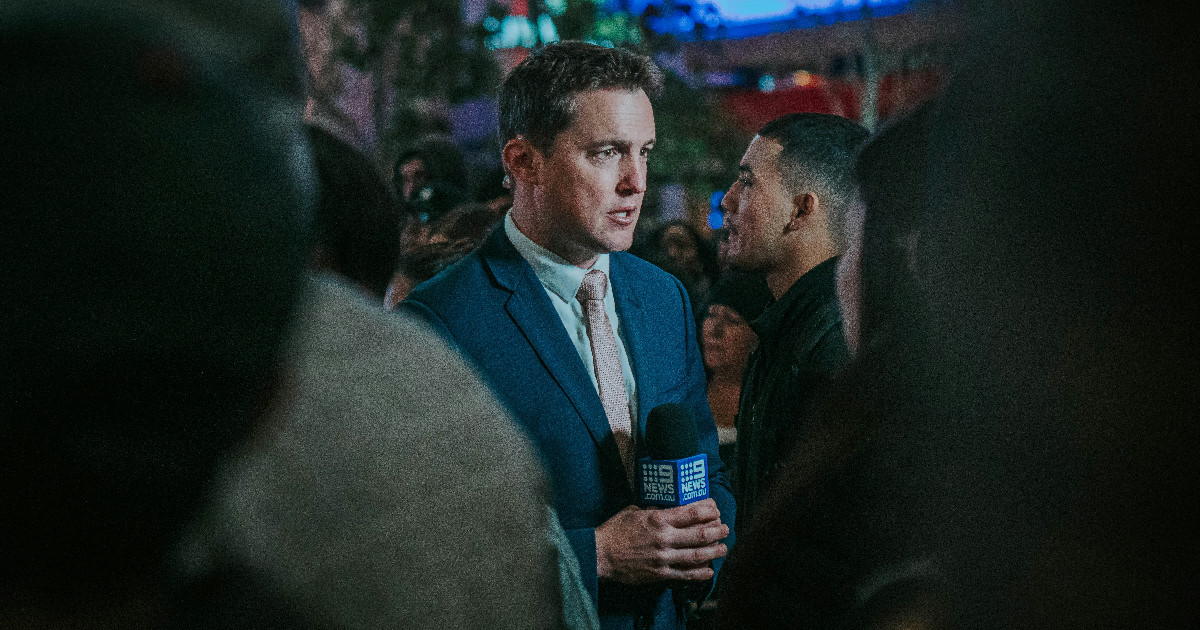
Photo credit: https://champions-speakers.co.uk
Key Points
- HARDtalk has been on air for 30 years, renowned for its long-form interviews.
- Stephen Sackur, the show's host since 2004, expressed disappointment over the closure.
- The decision raises questions about the direction of BBC News and independent journalism.
- HARDtalk featured influential guests like Imran Khan and Emmanuel Macron.
- The show's end highlights growing concerns about accountability in the media.
Relevant Topics
Ask AI: Understand this story your way
AI EnabledDig deeper, ask anything — get instant context, background, and clarity.
Disclaimer: This feature is powered by AI and is intended to help readers explore and understand news stories more easily. While we strive for accuracy, AI-generated responses may occasionally be incomplete or reflect limitations in the underlying model. This feature does not represent the editorial views of JournalismPakistan. For our full, verified reporting, please refer to the original article.