.png)
HRCP official says PTI government muffling critical voices
JournalismPakistan.com | Published: 3 May 2020
Join our WhatsApp channel
Harris Khalique of HRCP claims that the PTI government is stifling critical voices and harming journalists. He highlights the financial pressure on media houses and the suppression of opposing views.Summary
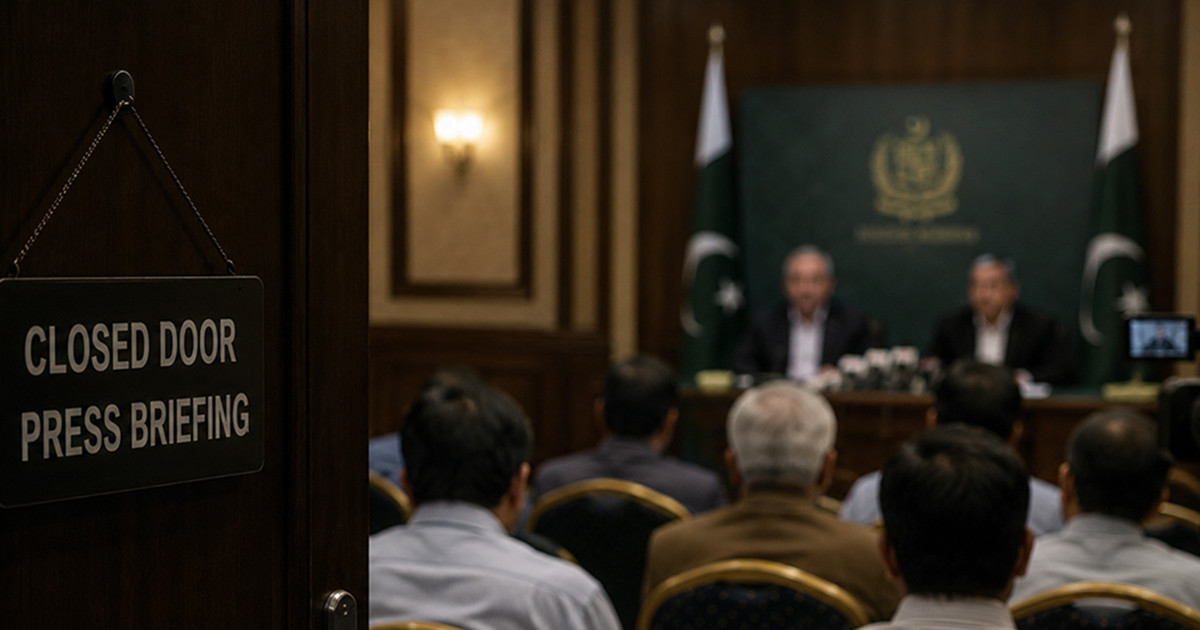
ISLAMABAD—Harris Khalique, Secretary-General of Human Rights Commission of Pakistan (HRCP), has said that the PTI government was muffling critical voices.
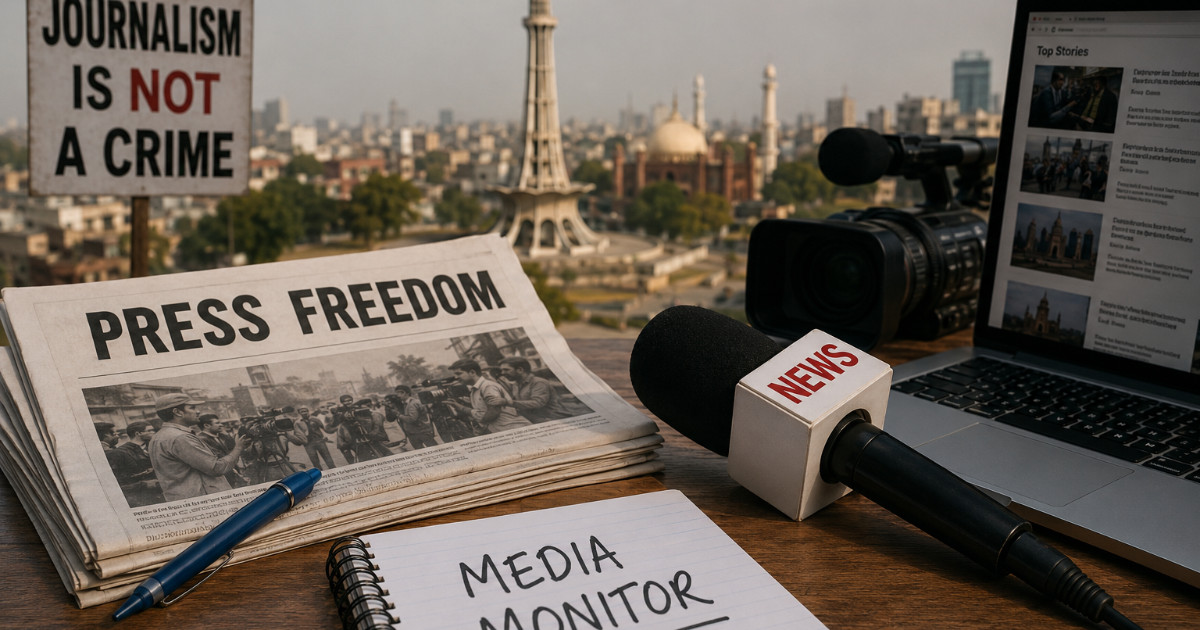
In an interview with DW on Word Press Freedom Day, he said: “We believe that the muffling of critical voices and systematic suppression of political dissent under the incumbent government is incomparable with an elected government in the past.”
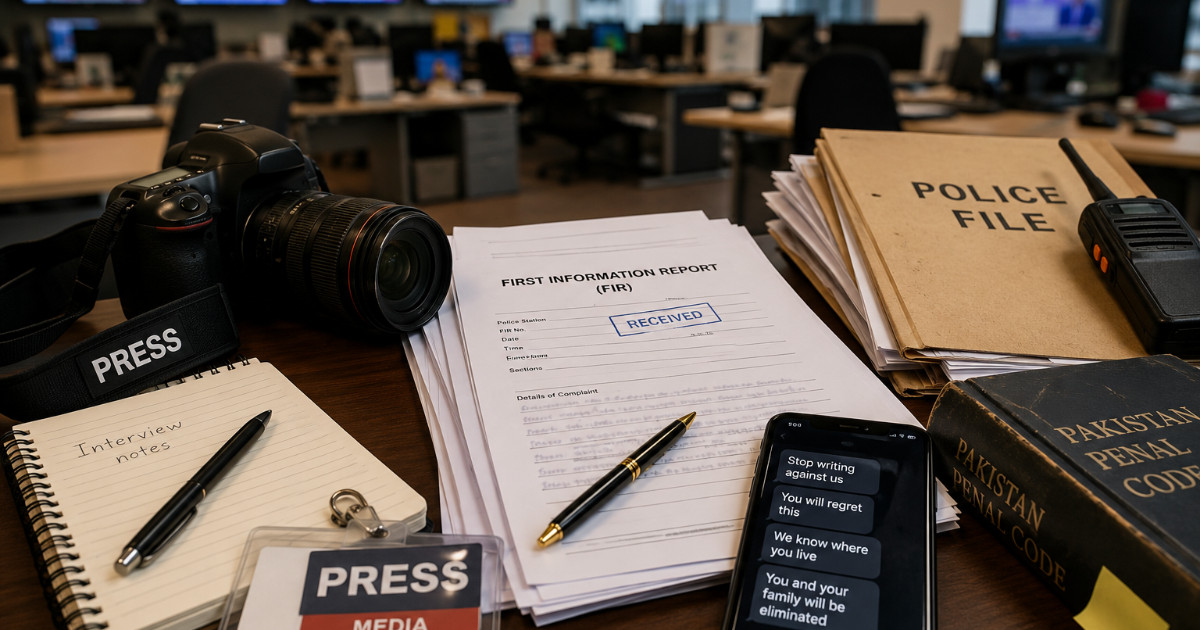
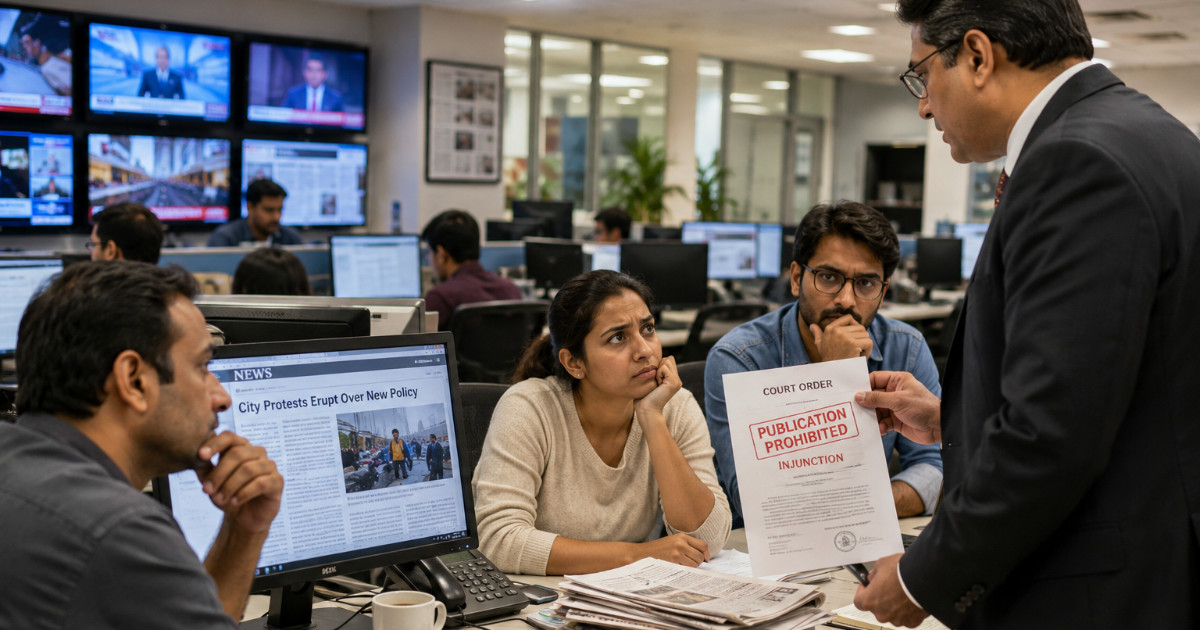
He added that the PTI government is not only “constraining independent journalists, columnists and writers, it has also put a financial squeeze on media houses by various means. This has resulted in a number of publications going out of print and a large number of media professionals losing their jobs.”
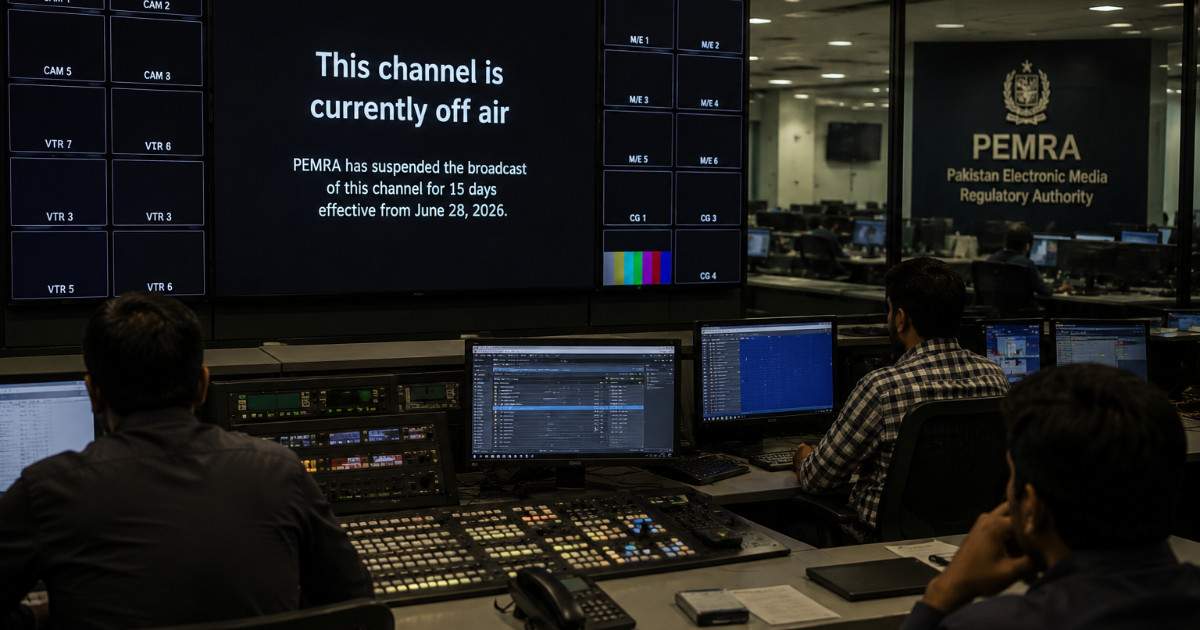
Khalique said interviews of opposition leaders had been taken off air in the middle of broadcasts as anchors have been asked to comply with the official narrative. “There have been multiple attempts to regulate social media with a view to eliminate any difference of opinion.”
When asked about the responsibility of media owners for the plight of journalists, he said there are two types of media owners in Pakistan—journalist-cum-owners and large businesses. For him, the journalist-cum-owners have tried to put up with the pressure as much as they could. He, however, blamed the large businesses that have entered journalism, considering it a lucrative industry that brings influence and political clout. This class, he said, has been “more ruthless when dealing with journalists.”
But he added that the journalist-cum-owners have also placed their material interests before ethical journalism.
Key Points
- HRCP official Harris Khalique speaks out against the PTI government's actions.
- There is systematic suppression of political dissent in Pakistan.
- Media houses are under financial strain, leading to closures and job losses.
- Interviews of opposition leaders are censored during broadcasts.
- Large business interests negatively impact ethical journalism in Pakistan.
Relevant Topics
Ask AI: Understand this story your way
AI EnabledDig deeper, ask anything — get instant context, background, and clarity.
Disclaimer: This feature is powered by AI and is intended to help readers explore and understand news stories more easily. While we strive for accuracy, AI-generated responses may occasionally be incomplete or reflect limitations in the underlying model. This feature does not represent the editorial views of JournalismPakistan. For our full, verified reporting, please refer to the original article.