
Emergency law in Thailand will further erode press freedom: IFJ
JournalismPakistan.com | Published: 29 March 2020
Join our WhatsApp channel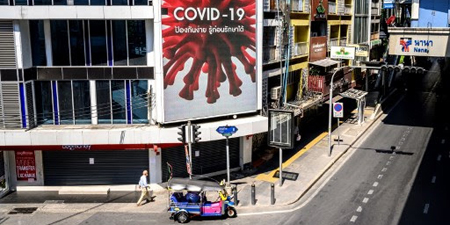
Thailand's government has declared a one-month state of emergency to combat COVID-19, which includes stringent controls on media reporting. The International Federation of Journalists has condemned these measures, asserting they undermine press freedom amid the health crisis.Summary
The military-backed government in Thailand imposed a one-month state of emergency on March 26 to control COVID-19, allowing authorities to impose restrictions on the media.
The International Federation of Journalists (IFJ) has condemned all forms of pressure for press freedom taken by the government amid the global health crisis.
Thailand’s Prime Minister Prayuth Chan-Ocha said the state of emergency would increase the country’s efforts to fight the COVID-19 pandemic that has infected hundreds of people in the region. The decree gives the prime minister powers to take down articles and shut down media houses if authorities considered the news item to cause unrest or frighten people.
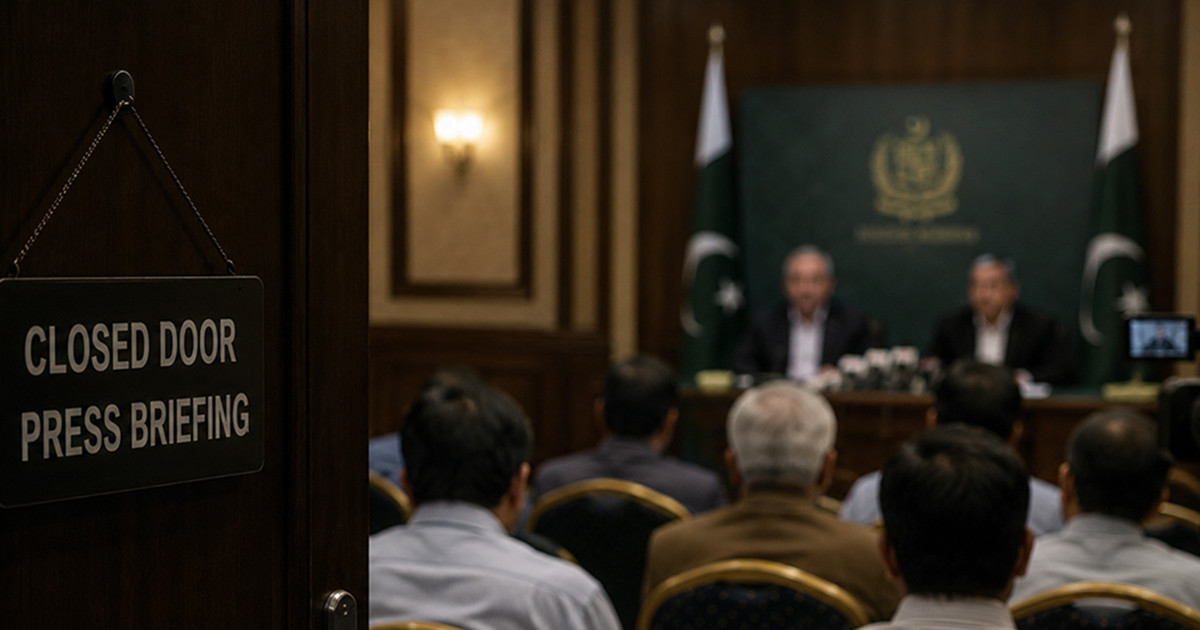
Further, the prime minister called on the media outlets to verify and check the facts with a special communications team, consisting of medical experts who will hold daily press briefings. The prime minister emphasized enforcement would be stricter to tackle the ‘improper use of social media.’
The Disease Control Department (DCD) projected the number of COVID-19 infections might reach 3,000 by the end of April. The DCD on March 26 reported 111 new COVID-19 cases, taking the total of positive patients to 1,045. Four people have died from Coronavirus in Thailand.
According to the Bangkok Post, the government has been criticised by citizens and the media for failing to take strong action to tackle the spread of COVID-19. The article states people believe the government lacks transparency, which is essential to tackle the virus.
The IFJ said: “Strong attempts to fight the coronavirus pandemic must not sacrifice press freedoms or freedom of speech. The IFJ condemns the governments’ response, urging the prime minister to resolve the virus instead of imposing media restrictions.”—IFJ media release/Photo: AFP
Key Points
- Thailand imposed a state of emergency on March 26 due to COVID-19.
- The government can restrict media reporting deemed threatening or false.
- The International Federation of Journalists condemned the government's actions.
- Transparency concerns are rising among citizens regarding the government's response to the pandemic.
- The Disease Control Department projects COVID-19 cases may rise to 3,000 by April.
Relevant Topics
Ask AI: Understand this story your way
AI EnabledDig deeper, ask anything — get instant context, background, and clarity.
Disclaimer: This feature is powered by AI and is intended to help readers explore and understand news stories more easily. While we strive for accuracy, AI-generated responses may occasionally be incomplete or reflect limitations in the underlying model. This feature does not represent the editorial views of JournalismPakistan. For our full, verified reporting, please refer to the original article.