
Amar Guriro: Journalism's future is human-AI partnership The JournalismPakistan Global Media Brief | Edition 23 | June 5, 2026 As AI reshapes news, publishers seek a sustainable future Every frame at a cost: The safety crisis facing Pakistan's camerapersons Why journalists are increasingly targeted in conflict zones What the 60 Minutes controversy means for TV journalism Zee secures FIFA World Cup rights in India through 2030 How fact-checkers verify viral videos during breaking news Pentagon restrictions on reporters draw media backlash Israel-Lebanon talks proceed as conflict hinders reporting Why governments are tightening controls on foreign journalists China condemns US restrictions on Xinhua reporter Taiwan condemns China over New York Times reporter expulsion The biggest threats facing journalism in Asia today Press freedom review: The many faces of pressure on the press Amar Guriro: Journalism's future is human-AI partnership The JournalismPakistan Global Media Brief | Edition 23 | June 5, 2026 As AI reshapes news, publishers seek a sustainable future Every frame at a cost: The safety crisis facing Pakistan's camerapersons Why journalists are increasingly targeted in conflict zones What the 60 Minutes controversy means for TV journalism Zee secures FIFA World Cup rights in India through 2030 How fact-checkers verify viral videos during breaking news Pentagon restrictions on reporters draw media backlash Israel-Lebanon talks proceed as conflict hinders reporting Why governments are tightening controls on foreign journalists China condemns US restrictions on Xinhua reporter Taiwan condemns China over New York Times reporter expulsion The biggest threats facing journalism in Asia today Press freedom review: The many faces of pressure on the press
Logo
Janu
AI in Media and Journalism

Mohammad Malick condemns total media muzzling by PEMRA and Punjab government

 JournalismPakistan.com |  Published: 24 May 2024

Join our WhatsApp channel
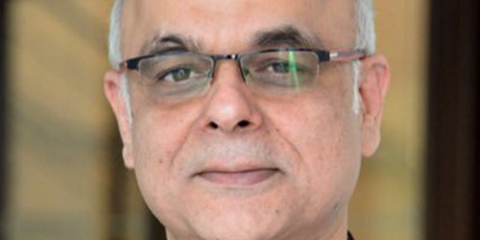
Mohammad Malick condemns total media muzzling by PEMRA and Punjab government
Mohammad Malick condemned PEMRA's recent ban on onscreen discussions of court cases, perceiving it as a threat to free speech. He also criticized a new defamation law by the Punjab government, arguing that these measures are detrimental to media independence.

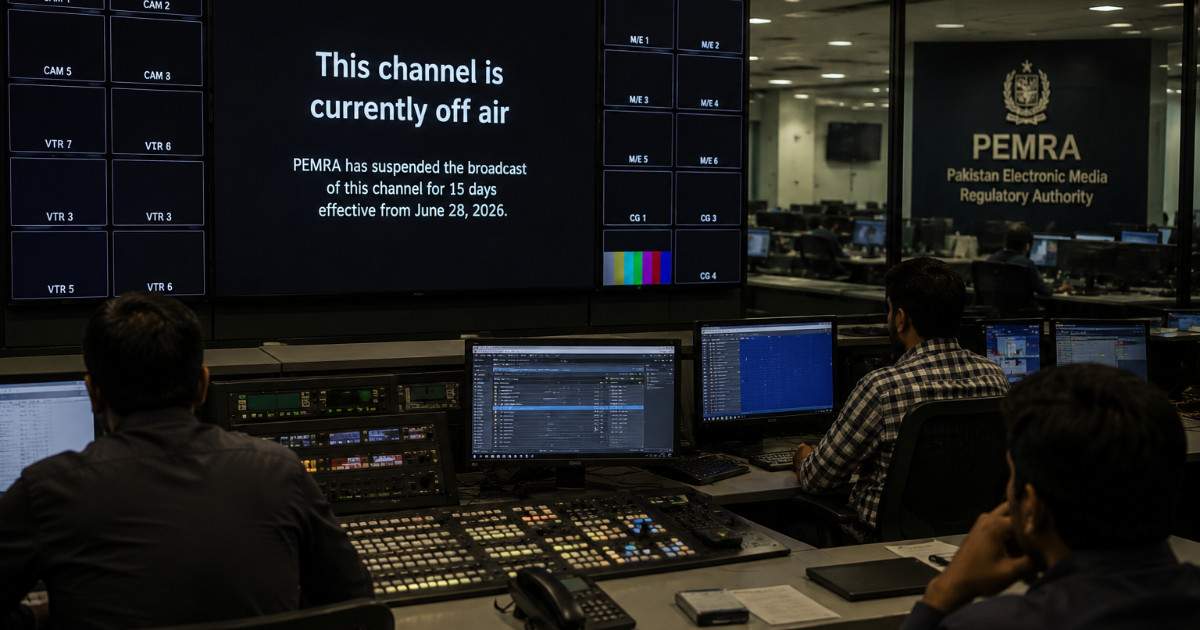
ISLAMABAD—In a controversial move, the Pakistan Electronic Media Regulatory Authority (PEMRA) has banned any onscreen discussion of ongoing court cases. Media professionals and analysts have criticized the decision severely, viewing it as an attempt to stifle free speech and suppress critical dialogue.

Mohammad Malick, a senior Pakistani journalist and analyst, took to social media platform X to express his concerns. "PEMRA places complete ban on ANY KIND of onscreen discussion of ongoing cases. In other words, don't think, don't question, just accept and suffer in complete submissive silence," the journalist tweeted.

The critique did not stop there; the journalist also lambasted a newly passed defamation law by the Punjab government, labeling it as part of a broader strategy to muzzle the mainstream media.

The tweet highlighted the dangerous implications of such regulations, suggesting that the bans are leading the country towards "total muzzling of mainstream media."

Malick questioned the rationale behind these measures, pointing out the absurdity of assuming that television discussions could influence judicial decisions. "If our superior judiciary's judgements are going to be decided on what someone says on TV then lord have mercy on our judicial system," the tweet read.

In a sarcastic tone, he suggested that PEMRA should request judges to stop watching TV instead of gagging the media to avoid being "misled."

The post underscored the perilous phase of media censorship the country is entering, warning that such suppression only fuels irrational and emotional outbursts on social media platforms. "When you do not allow rational discussions then be ready for irrational emotional abuse in the digital abyss," the journalist concluded.

This outcry from the media community reflects growing fears of Pakistan's increasingly restricted press environment. Critics argue that these measures undermine the role of the media as a watchdog and hinder the public's right to information. The new defamation law and PEMRA's recent ban have intensified the debate over freedom of expression in the country, with many calling for immediate reconsideration of these policies to preserve democratic values and media independence.

Photo: X: @MalickViews

Key Points

  • PEMRA bans onscreen discussions of ongoing court cases.
  • Malick views this as an attack on free speech.
  • Critiques the Punjab government's new defamation law.
  • Calls for preservation of democratic values in media.
  • Warnings of heightened media censorship in Pakistan.

Ask AI: Understand this story your way

AI Enabled

Dig deeper, ask anything — get instant context, background, and clarity.

Not sure what to choose? Try one of these.

The AI generates results based on your selected options
Your AI-generated results will appear here after you click the button.

Disclaimer: This feature is powered by AI and is intended to help readers explore and understand news stories more easily. While we strive for accuracy, AI-generated responses may occasionally be incomplete or reflect limitations in the underlying model. This feature does not represent the editorial views of JournalismPakistan. For our full, verified reporting, please refer to the original article.

Dive Deeper

Newsroom
Amar Guriro: Journalism's future is human-AI partnership

Amar Guriro: Journalism's future is human-AI partnership

 June 05, 2026 Amar Guriro, founder of Pakistan's first AI-powered news platform, says journalism's future rests on human-AI collaboration to improve reporting while preserving editorial oversight.


The JournalismPakistan Global Media Brief | Edition 23 | June 5, 2026

The JournalismPakistan Global Media Brief | Edition 23 | June 5, 2026

 June 05, 2026 Global Media Brief reviews pressures reshaping journalism, press freedom, AI and platform power, and reports BBC's Emmy, 60 Minutes turmoil and Taiwan's protest.


As AI reshapes news, publishers seek a sustainable future

As AI reshapes news, publishers seek a sustainable future

 June 05, 2026 At the World News Media Congress in Marseille, publishers discussed how generative AI is altering newsroom workflows, audience engagement and content licensing.


Why journalists are increasingly targeted in conflict zones

Why journalists are increasingly targeted in conflict zones

 June 04, 2026 Journalists in conflict zones face rising danger as combatants, states and militias increasingly target independent reporting to control narratives.


What the 60 Minutes controversy means for TV journalism

What the 60 Minutes controversy means for TV journalism

 June 03, 2026 The 60 Minutes controversy at CBS exposes tensions over leadership, editorial independence and pressures on legacy TV journalism amid political polarization.


Popular Stories