.png)
Iran sentences journalist to five years over corruption report
JournalismPakistan.com | Published: 26 January 2019
Join our WhatsApp channel
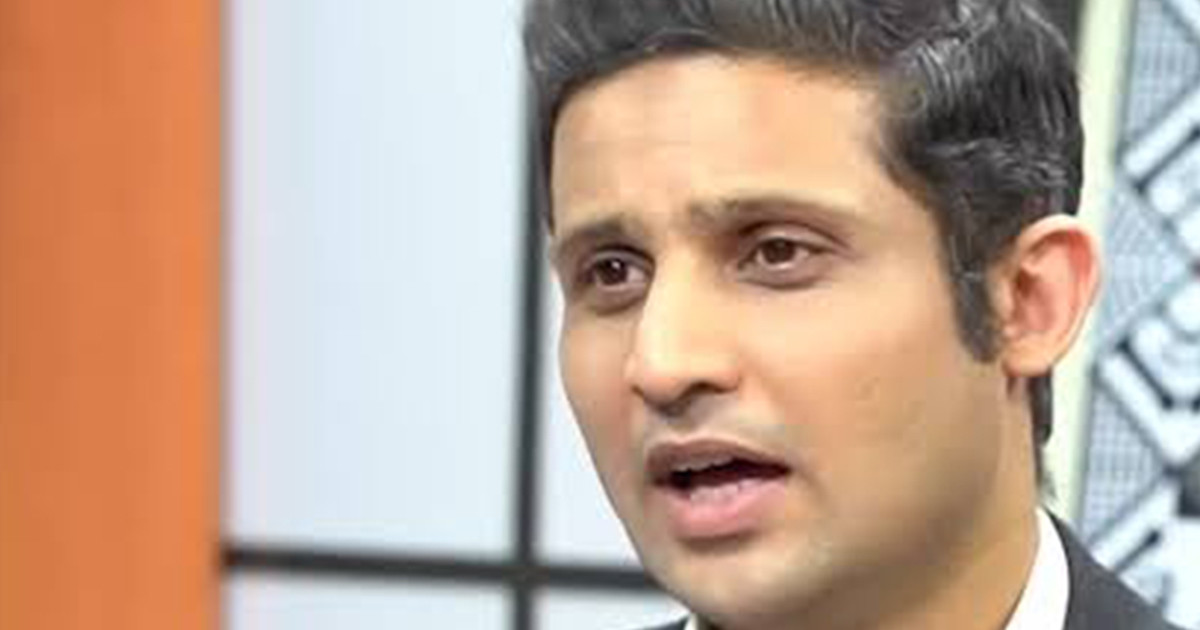
Yashar Soltani has been sentenced to five years in prison for his reporting on corruption in Tehran's land deals. The Committee to Protect Journalists has condemned this action and called for the charges against him to be dropped.Summary
WASHINTON D.C - The Committee to Protect Journalists has condemned the five-year jail sentence imposed on January 23 by Tehran's Revolutionary Court on journalist Yashar Soltani, who reported on corruption in Tehran land deals and called on Iran to stop persecuting journalists for doing their job.
"Jailing a journalist for reporting about corruption in his country is unacceptable and will only ensure that corruption continues unchecked," said CPJ Middle East and North Africa Program Coordinator Sherif Mansour from Washington, D.C. "We call on Iranian authorities to drop the charges against Yashar Soltani and allow all journalists to report freely."
Soltani, editor-in-chief of the now-defunct independent news website Memari News, was charged with "spreading lies in order to disturb public opinion, gathering classified information with the intent to harm national security, [and] defamation and threats against a government contractor," his lawyer, Seyed Sadeq Kashani, told the semi-official Iranian Students' News Agency (ISNA).
The charges stem from Soltani's investigative reporting on corruption in municipal real-estate sales in Tehran, which he published in Memari News in August 2016, according to the New York-based Center for Human Rights in Iran (CHRI). According to The Guardian, Soltani's reporting showed that Iran's anti-corruption authority found that the mayor's office in Tehran illegally sold public land to political allies at steeply discounted rates.
Soltani was first detained about that reporting on September 17, 2016, after Tehran Mayor Mohammad-Bagher Ghalibaf and municipal council chairman Mehdi Chamran filed a lawsuit against him, as CPJ covered at the time. He was released on bail on November 13, 2016, and appeared before the Revolutionary Court three times over 2016 and 2017, ISNA reported.
After the verdict was handed down on January 23, Soltani called it "unjust" in a tweet, saying he will "turn the verdict into an opportunity to fight corruption" in the country.
Kashani told ISNA that Soltani has 20 days to appeal the sentence, during which time he is not in prison. CPJ could not confirm that Soltani plans to file an appeal. In addition to five years in prison, the sentence includes a ban from joining any political group, working as a journalist, or traveling outside the country for two years after his release, according to Kashani.
According to Iran's New Islamic Penal Code, as cited by the U.S. government-funded Radio Farda, gathering information about government authorities with the intent to provide them to others and "disrupt national security" can carry a sentence of one to 10 years in prison.
According to CHRI, Memari News became Iran's first news agency to focus exclusively on architecture and urban affairs when it was established in 2009; it was shut down by Tehran Prosecutor Abbas Jafari-Dolatabadi following Ghalibaf's complaint in September 2016.
Eight journalists were found to be imprisoned in Iran in direct relation to their work at the time of CPJ's December 2018 prison census. An additional journalist was also sentenced in late December. – A CPJ News Alert/Photo: AFP
Key Points
- Journalist Yashar Soltani sentenced to five years in prison.
- Charges include spreading lies and defamation linked to reporting on land corruption.
- International bodies like CPJ condemn the ruling.
- Soltani's reporting revealed illegal public land sales by Tehran's mayor's office.
- He has 20 days to appeal the sentence after being released on bail.
Relevant Topics
Ask AI: Understand this story your way
AI EnabledDig deeper, ask anything — get instant context, background, and clarity.
Disclaimer: This feature is powered by AI and is intended to help readers explore and understand news stories more easily. While we strive for accuracy, AI-generated responses may occasionally be incomplete or reflect limitations in the underlying model. This feature does not represent the editorial views of JournalismPakistan. For our full, verified reporting, please refer to the original article.