
Study finds Pakistan a high-risk country in terms of media pluralism
JournalismPakistan.com | Published: 18 July 2019
Join our WhatsApp channel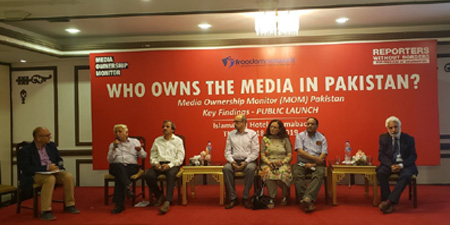
A recent study indicates Pakistan's media landscape is threatened by concentrated ownership. The findings highlight the need for greater diversity in news sources to ensure democratic media practices.Summary
ISLAMABAD — A research study has found Pakistan a “high-risk country” in terms of media pluralism with more than half of the mass media ownership concentrated in only a few hands.
Global rights organization Reporters Without Borders and Pakistani media watchdog Freedom Network carried out the study — the Media Ownership Monitor (MOM) Pakistan.
“This means Pakistan needs more broad-based media ownership to ensure greater diversity in news sources,” Iqbal Khattak, Executive Director of Freedom Network, said.
Freedom Network quoted Christian Mihr, Executive Director of Reporters Without Borders Germany, as saying in Berlin: “Real freedom of the press means more than the absence of state repression. Only if media landscapes are diverse and pluralistic and only if journalists enjoy maximum independence the media can hold up to its democratic mandate to provide a spectrum of different opinions to inform citizens.”
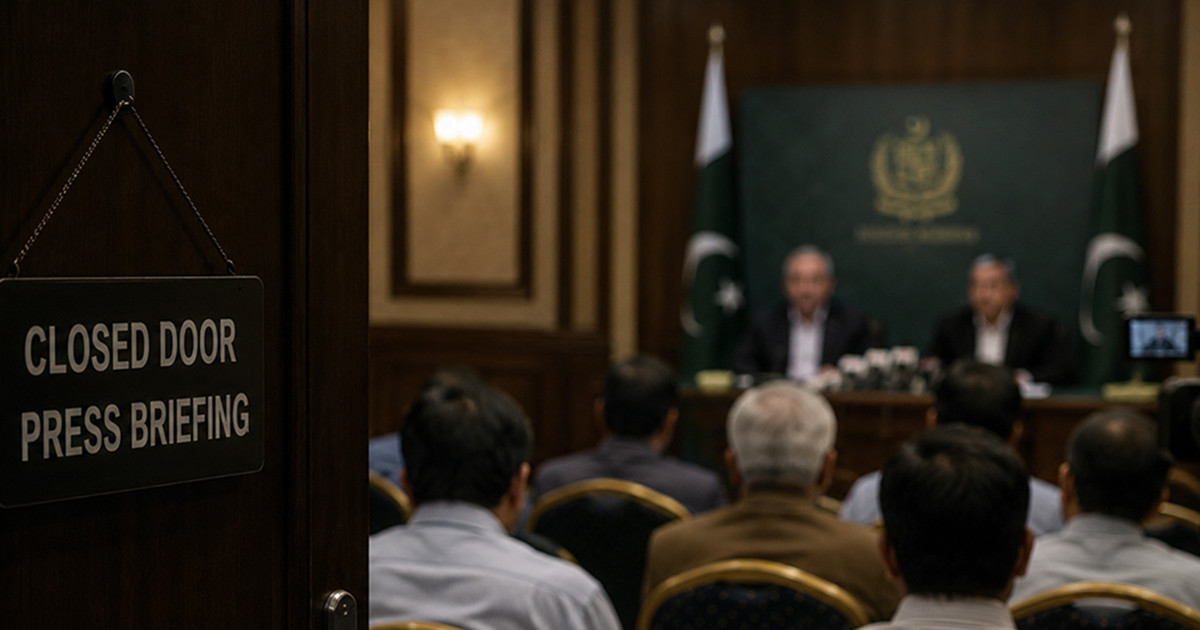
Stringent Pakistani visa regulations meant no representative of RSF was able to enter the country for the research or the presentation of the findings, Freedom Network said.
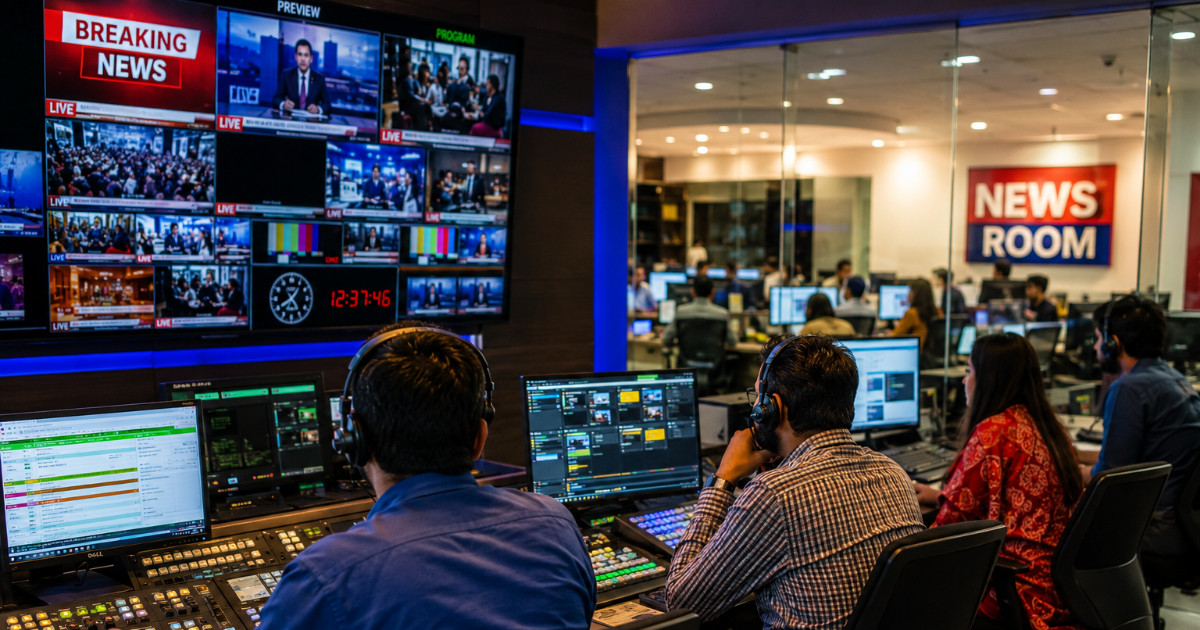
According to the research, news media concentration in Pakistan, in terms of both ownership and audience share, is very high. The top four television channels, radio stations, newspapers and news websites cover, in each of the four categories, over 50% of the country’s entire audience share. If diversity of ownership reflects diversity of sources of information, then the Pakistani audiences are restricted by limitation of choice and plurality.
The study found that cross-media ownership concentration, which measures concentration across media sectors, indicates a high risk in Pakistan. The top 8 owners reach 68% of audience share across television, radio, print and online. However, the numbers are likely to be higher, since the reach of these owners through various other media outlets they operate were not taken into account due to lack of audience data. The top 8 players in the Pakistani media are Jang Group, Express Group, the Government Group, Nawa-i-Waqt Group, Samaa Group, Dawn Group, Dunya Group and ARY Group — all have significant presence in more than one media sector. In terms of audience share, the biggest cross-media owner (Jang Group) controls over a third of the market among the top 40 media entities.
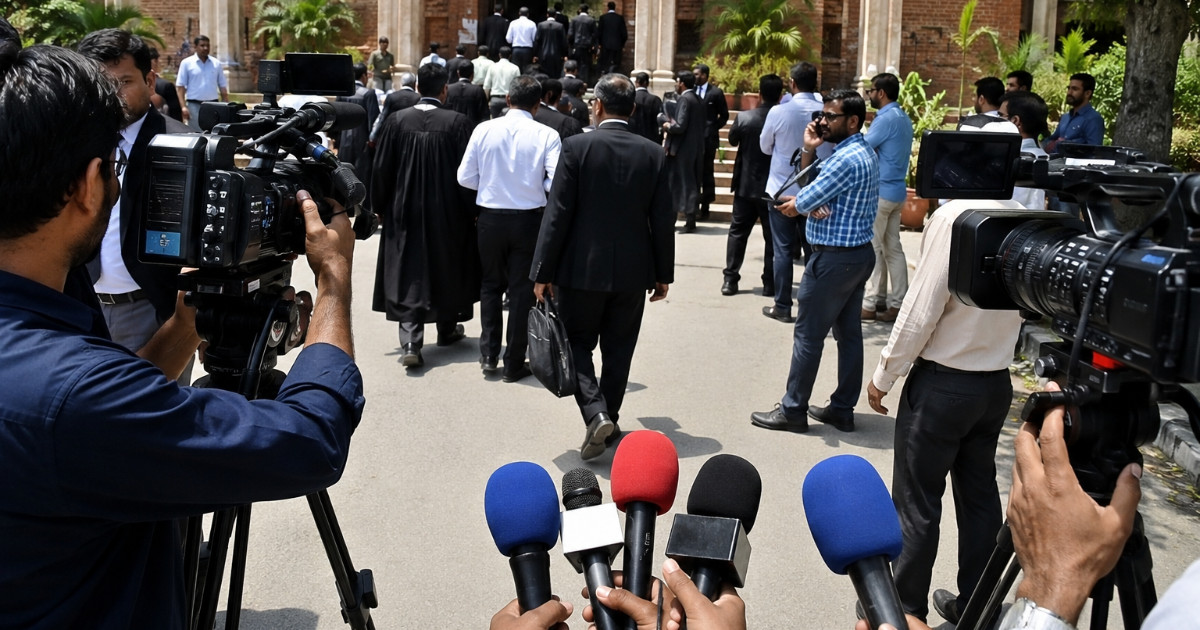
Photo courtesy: Freedom Network
Key Points
- Pakistan ranked as a high-risk country for media pluralism.
- Over 50% of media ownership is concentrated among a few entities.
- The top eight media owners reach 68% of the audience share.
- Diversity in media ownership is essential for informed citizenry.
- Jang Group leads the market with significant cross-media presence.
Relevant Topics
Ask AI: Understand this story your way
AI EnabledDig deeper, ask anything — get instant context, background, and clarity.
Disclaimer: This feature is powered by AI and is intended to help readers explore and understand news stories more easily. While we strive for accuracy, AI-generated responses may occasionally be incomplete or reflect limitations in the underlying model. This feature does not represent the editorial views of JournalismPakistan. For our full, verified reporting, please refer to the original article.