
The pitfalls of Pakistani media: bias, sensationalism, and ethical lapses
JournalismPakistan.com | Published: 25 April 2023
Join our WhatsApp channel
The article discusses the prevalent issues within Pakistani media, such as sensationalism and political bias. It highlights the erosion of credibility and trust in journalism due to ethical lapses and lack of independence.Summary
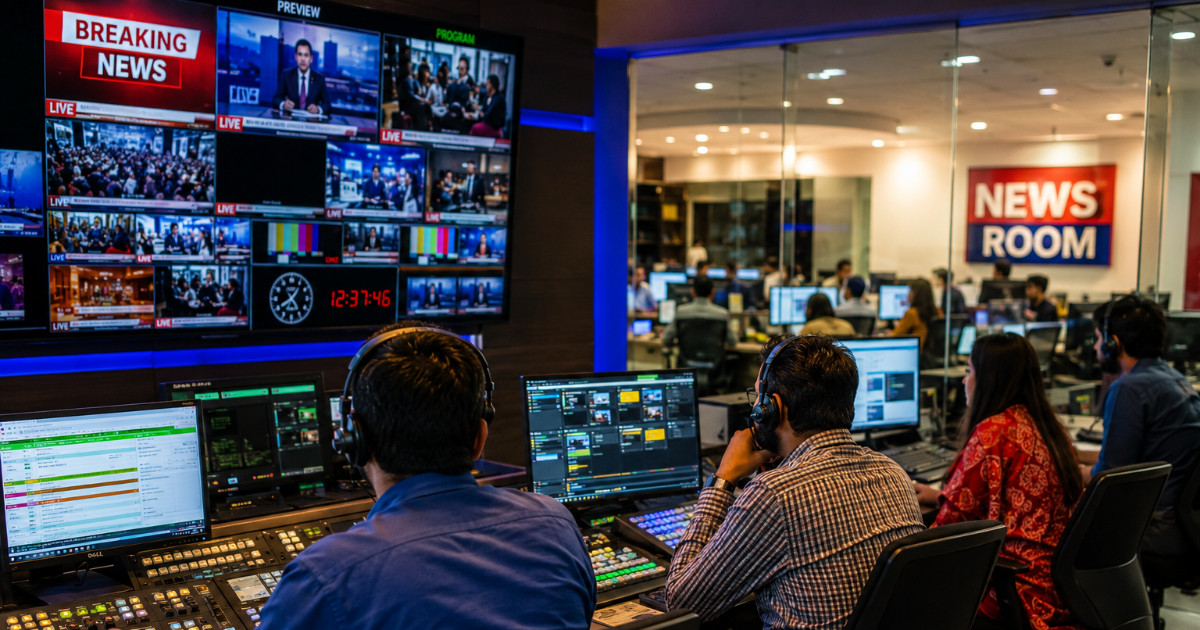
ISLAMABAD—Pakistan has a vibrant media, but unfortunately, it's not without its troubles. The media has come under scrutiny for a range of issues, including sensationalism, political bias, and unethical practices in recent years. These problems have sparked a debate about the role and responsibilities of the media in Pakistani society.
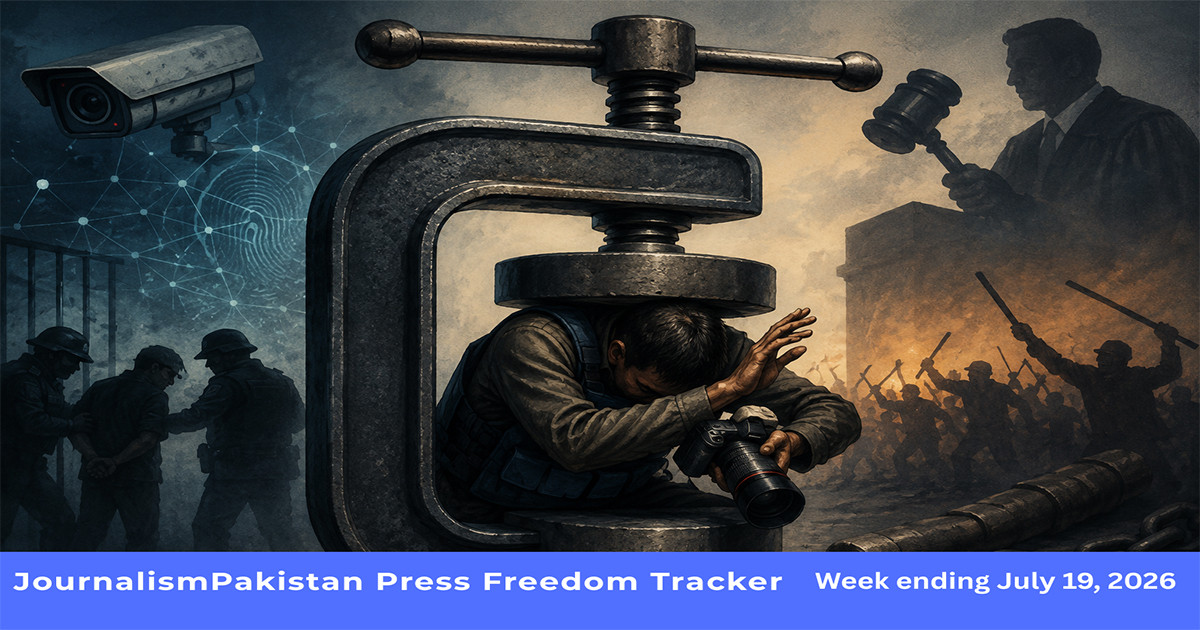
One of the biggest problems facing Pakistani media is its lack of independence. The media is often accused of being under the influence of powerful interests, including the national government and the military. This has led to a situation where many journalists and media organizations are afraid to report on sensitive issues or criticize those in power. The media is often seen as a tool for propaganda rather than a source of objective news and information as a result.
Another issue with Pakistani media is its tendency towards sensationalism. Many media outlets prioritize sensational stories over news that is important which can lead to a distortion of reality. This is particularly true in the full case of crime reporting, where the media often exaggerates or misrepresents the facts to grab attention. This can have serious consequences, as sensationalist reporting can fuel panic among the public and contribute to a culture of fear and intolerance.
Political bias is also a significant problem in Pakistani media. Many media organizations are perceived to have strong political affiliations and this can lead to a lack of objectivity in reporting. This is especially true during election seasons when media outlets can become mouthpieces for political parties. This can undermine public trust in the media and erode its credibility as a source of unbiased news and information.
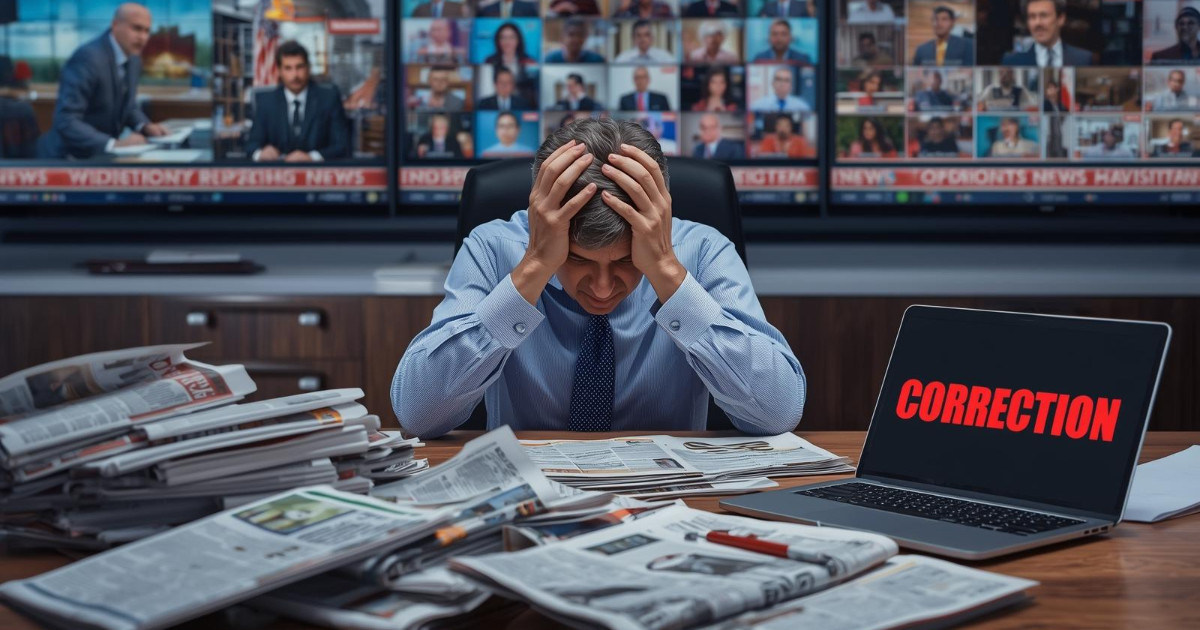
Ethical lapses are also common in Pakistani media. Journalists are often underpaid and overworked. It leads to many ethical issues, including bribery, plagiarism, and the fabrication of stories. In some cases, journalists have been targeted by powerful interests for reporting on sensitive issues, which has led to self-censorship and a culture of fear.
These issues are undermining public trust in the media and eroding its credibility as a source of objective news and information. To address these challenges, media organizations need to prioritize independence, objectivity, and reporting that is ethical. This will require a concerted effort from journalists, media owners, and policymakers to create an environment where the media can thrive and fulfill its important role in Pakistani society.
In addition to the challenges mentioned above, the media in Pakistan are also struggling with financial sustainability. Many news organizations are struggling to generate revenue to sustain their operations. This has led to a situation where many journalists are underpaid and overworked, which can contribute to a range of ethical issues.
Another challenge is the lack of diversity and representation. The media is dominated by men, and women and marginalized groups are often underrepresented. This can lead to a lack of diverse perspectives and voices in the media, which undermines its ability to serve the needs of all segments of society.
There are also concerns about the quality of journalism in Pakistan. While there are many talented and dedicated journalists in the country, there are also those who lack the necessary training and skills to produce high-quality reporting. It can lead to a situation where inaccurate and misleading information is disseminated, which can have severe consequences for public trust in the media.
Despite these challenges, there are reasons for optimism about the future. There is a growing awareness of the need for media reform, and some journalists and media organizations are working to address the issues the industry faces. Additionally, the rise of digital media has created new opportunities for independent journalism and has allowed for greater diversity and representation in the media.
The media can play a critical role in shaping the future of Pakistani society by prioritizing independence, objectivity, and ethical reporting, and by working to address the financial and diversity challenges facing the industry.
Key Points
- Pakistani media struggles with sensationalism and political bias.
- Bias leads to public distrust and undermines media credibility.
- Many journalists face ethical issues due to low pay and overwork.
- The industry lacks diversity and representation, weakening perspectives.
- Despite challenges, there is a growing push for media reform and independence.
Relevant Topics
Ask AI: Understand this story your way
AI EnabledDig deeper, ask anything — get instant context, background, and clarity.
Disclaimer: This feature is powered by AI and is intended to help readers explore and understand news stories more easily. While we strive for accuracy, AI-generated responses may occasionally be incomplete or reflect limitations in the underlying model. This feature does not represent the editorial views of JournalismPakistan. For our full, verified reporting, please refer to the original article.