
CPJ highlights risks for journalists who flee
JournalismPakistan.com | Published: 17 June 2021
Join our WhatsApp channel
The Committee to Protect Journalists highlights the growing dangers faced by exiled journalists and calls for urgent government action. They emphasize the need for special emergency visas to ensure safe relocation and continued journalistic work.Summary
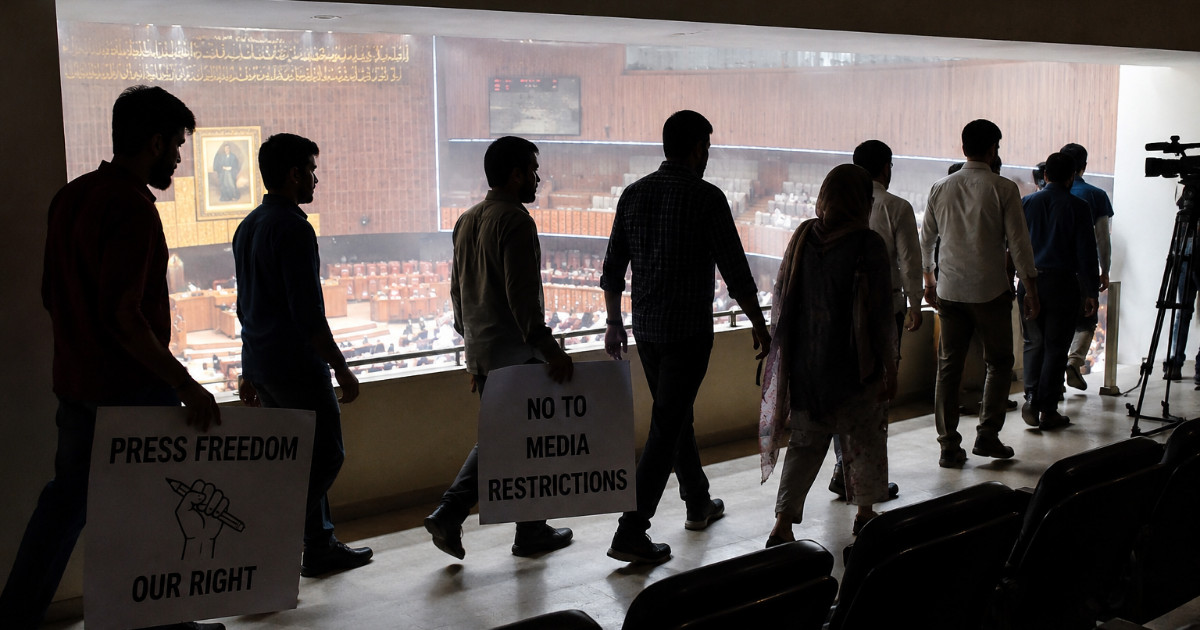
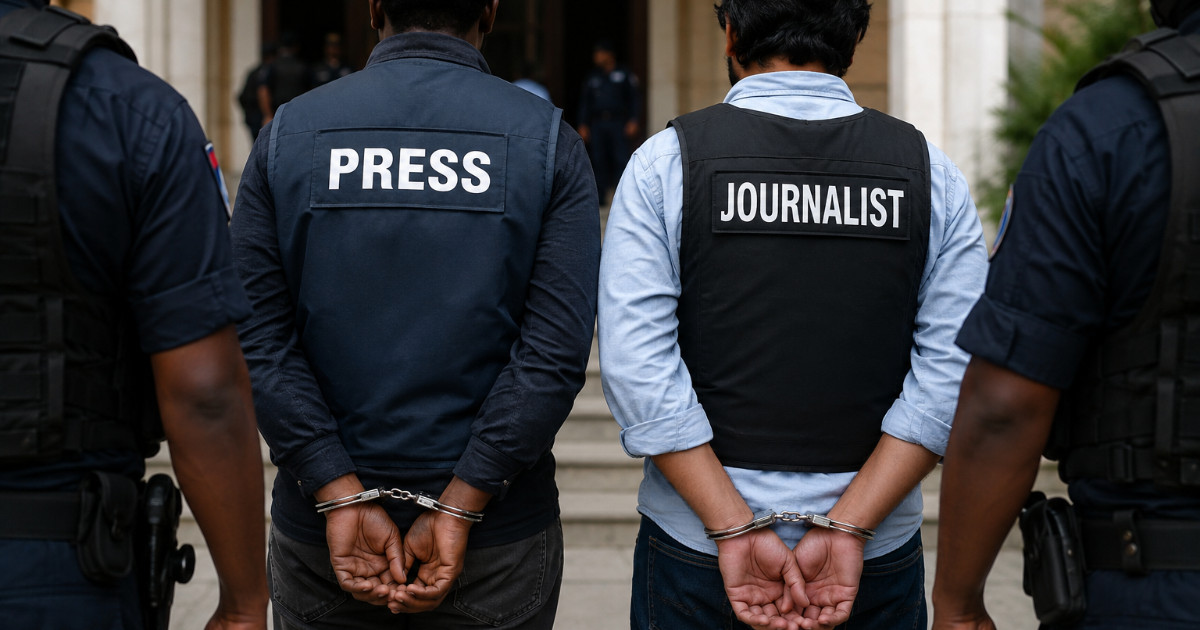
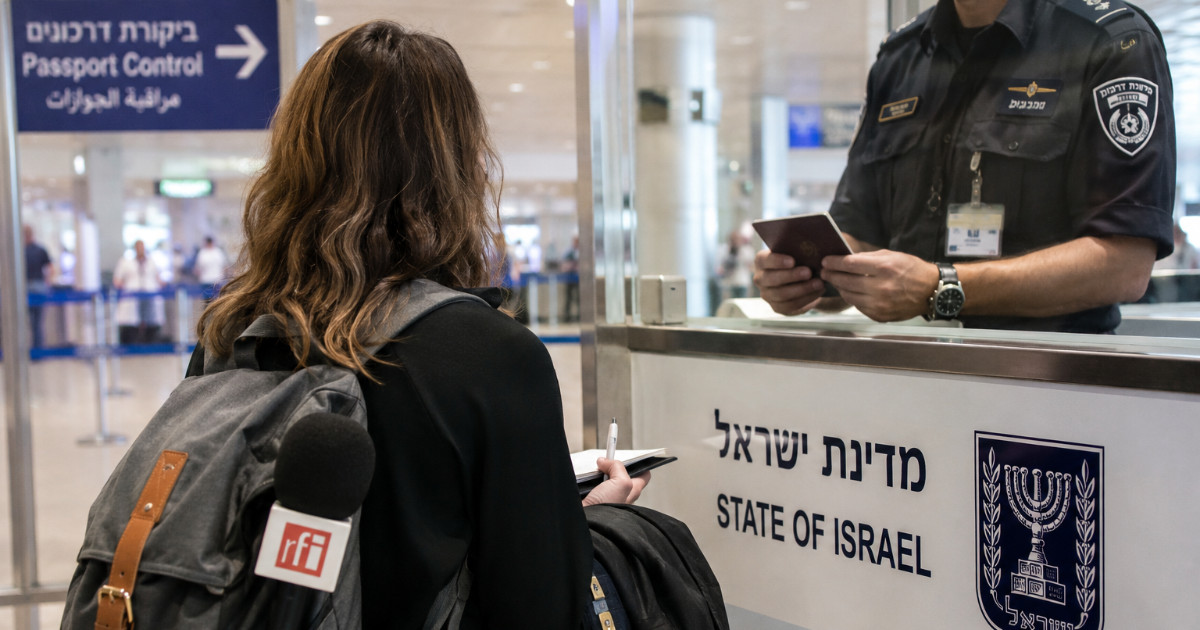
NEW YORK— The Committee to Protect Journalists on Thursday called on governments to provide safe refuge to journalists at risk through special emergency visas, in a feature and recommendations released ahead of World Refugee Day. Drawing on CPJ’s work over the last two decades helping journalists forced into exile by the threat of arbitrary arrests, physical violence, or other risks in reprisal for their work, the feature highlights case studies from across the globe.
“As complex and protracted conflicts, instability, and authoritarian regimes proliferate around the world, finding safe refuge abroad can often make the difference between life and death for some journalists,” said Gypsy Guillén Kaiser, CPJ’s advocacy and communications director. “It is imperative that governments prioritize emergency visas for swift relocation and safety. Refusing to do so is not only a loss to an individual, but a blow to free expression and access to information globally.”
The report’s recommendations call on national governments, the UN High Commissioner for Refugees, and media outlets, academic institutions, and foundations, to support journalists who are forced to flee, and push for policies that allow for swift relocation in light of the unique circumstances and urgency of these cases.
CPJ has worked on hundreds of cases since the creation of its Journalist Assistance program 20 years ago, and the most common request for support has been for emergency relocation. Whether escaping harsh government crackdowns or waves of anti-press violence, the ability to leave quickly is crucial to survival, leaving little time for a protracted visa process. Journalists told CPJ they are vulnerable to attack, deportation, or forced return while waiting for resettlement processes. However, when they can travel quickly to safe, supportive environments, journalists are far more likely to continue in the profession and eventually return home.
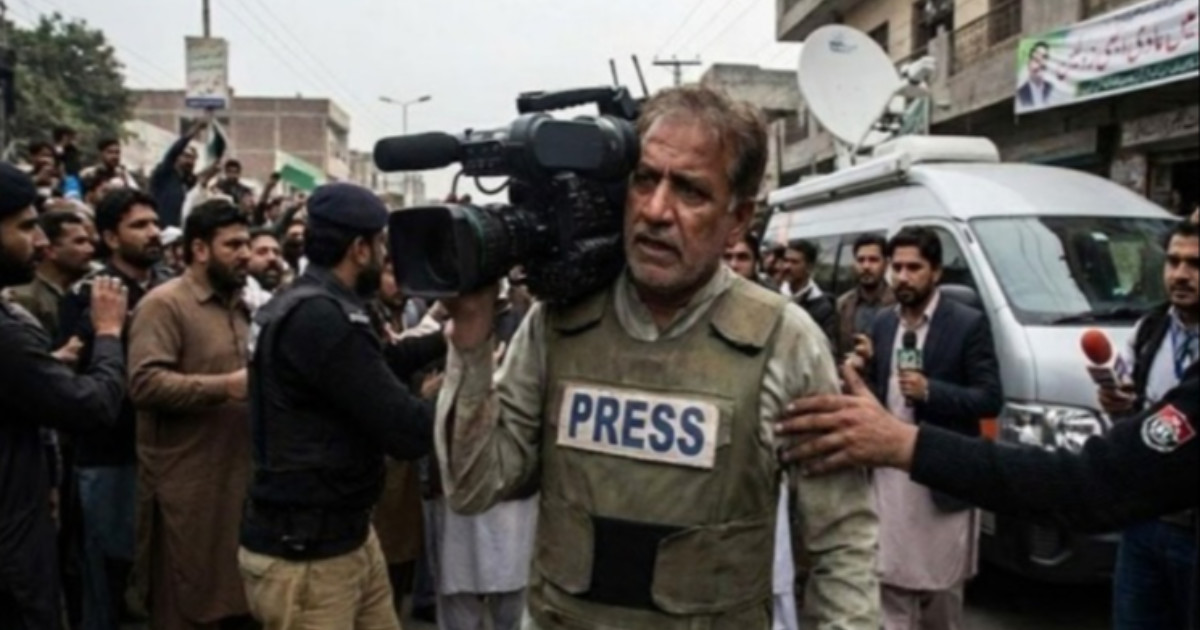
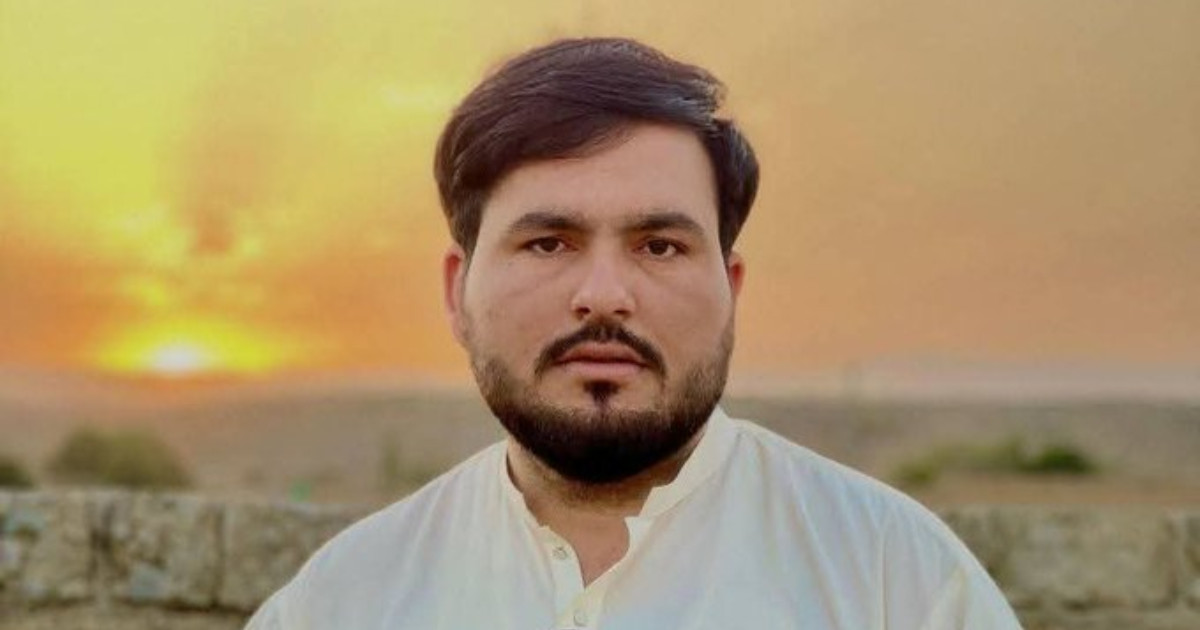
Even far from their homes, CPJ found that the threats to journalists often remain, as observed in Belarus, when authoritiesdiverted a commercial passenger flight in order to arrest exiled journalistRaman Pratasevich. CPJ has documented a myriad of attacks on journalists in exile, includingdeath threats,abductions,assaults, and evenmurders. Meanwhile, journalists who resettle in countrieswhere they are part of a larger diaspora are often more vulnerable, andresearch by CPJ and other organizations has also found that authoritarian governments use surveillance technology to spy on journalists living overseas.—A CPJ press release/Photo: AFP
Key Points
- CPJ calls for emergency visas for at-risk journalists.
- Governments urged to prioritize swift relocation policies.
- Journalists face threats even in exile, including surveillance.
- Case studies illustrate the dire need for safe refuge.
- CPJ has supported hundreds of journalists since its inception.
Relevant Topics
Ask AI: Understand this story your way
AI EnabledDig deeper, ask anything — get instant context, background, and clarity.
Disclaimer: This feature is powered by AI and is intended to help readers explore and understand news stories more easily. While we strive for accuracy, AI-generated responses may occasionally be incomplete or reflect limitations in the underlying model. This feature does not represent the editorial views of JournalismPakistan. For our full, verified reporting, please refer to the original article.