.jpg)
Iran expands restrictions on foreign-linked media
JournalismPakistan.com | Published: 28 May 2026 | JP Middle East Desk
Join our WhatsApp channel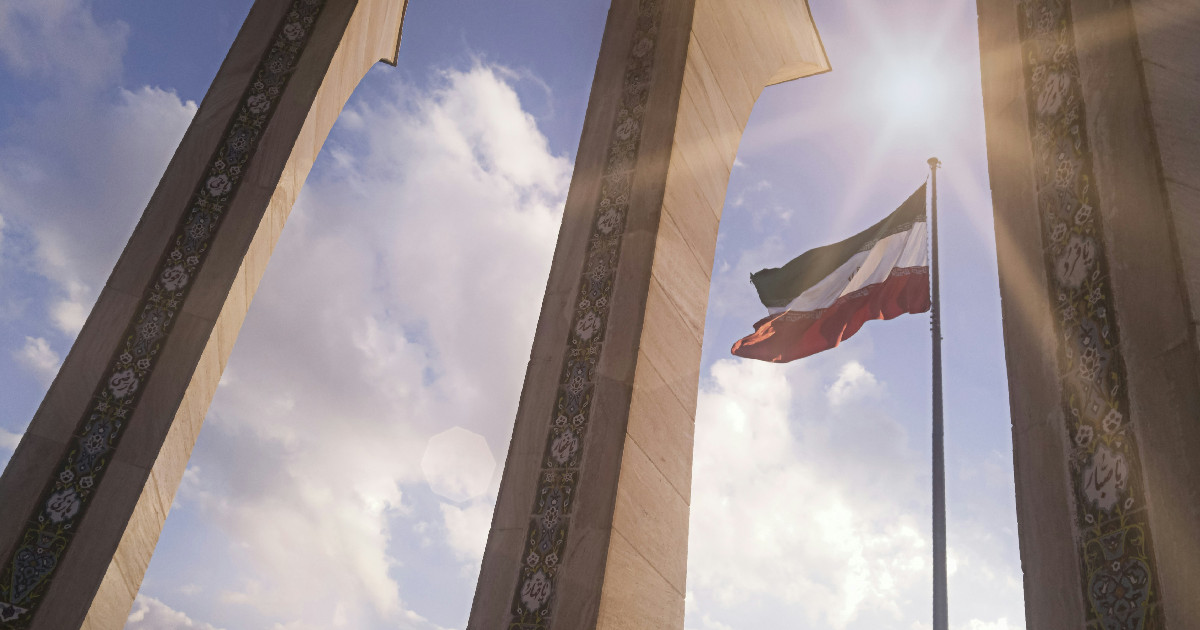
Iran imposed rules restricting local media partners from redistributing material to foreign Persian-language broadcasters like BBC Persian and Iran International. Observers say it may curb independent reporting and limit access to outside information.Summary
TEHRAN — Iran has introduced new restrictions on international news organizations operating inside the country, requiring local content providers and media partners to limit redistribution of material to foreign Persian-language broadcasters, including BBC Persian and Iran International, according to a May 28 report by The Associated Press. The move marks the latest tightening of information controls amid heightened regional tensions and continuing restrictions on internet access inside Iran.
The directive reportedly targets the flow of news content between domestic sources and Persian-language media outlets operating from abroad, many of which are followed widely by Iranian audiences seeking alternative coverage outside state-controlled media. Authorities have long accused exile-linked broadcasters of spreading destabilizing narratives, particularly during periods of unrest and geopolitical escalation.
New limits on cross-border journalism
Media freedom organizations and digital rights advocates said the new controls could further isolate Iranian audiences from independent reporting while complicating the work of journalists collaborating across borders. Exile media outlets such as BBC Persian and Iran International have become major sources of information for many Iranians during protests, internet blackouts, and politically sensitive events.
The Associated Press said the directive forms part of a broader pattern of restrictions that has intensified during recent regional crises. Iran has previously imposed internet slowdowns, blocked social media platforms, and increased pressure on journalists and contributors accused of cooperating with foreign media organizations.
Pressure grows on independent reporting
Analysts say the latest restrictions reflect Tehran’s continued efforts to tighten narrative control at a time when digital platforms and satellite broadcasting have weakened the state’s traditional monopoly over information. Independent Persian-language broadcasters operating from outside Iran rely heavily on cross-border sourcing, eyewitness material, and digital submissions from inside the country.
Press freedom advocates argue that such measures raise additional risks for journalists, contributors, and citizens communicating with overseas media organizations. International watchdogs have repeatedly warned that legal and regulatory pressure on foreign-linked media can create a chilling effect on reporting, particularly during politically sensitive developments.
The restrictions also highlight the growing fragmentation of the global information environment, where governments increasingly attempt to regulate foreign media influence through licensing rules, content controls, and digital restrictions. The Iranian measures come as several countries across the region continue to debate tighter oversight of international news distribution and online platforms.
Wider implications for regional media
For Persian-language exile media, the new controls could affect access to sources and reporting networks inside Iran, potentially limiting real-time coverage during future crises or political developments. The restrictions may also deepen concerns among international press organizations about the safety of contributors and freelancers operating inside restrictive media environments.
The latest directive adds to long-standing tensions between Iranian authorities and overseas Persian-language broadcasters, many of which have faced accusations, cyber pressure, and threats targeting journalists and their families in recent years.
WHY THIS MATTERS: The Iranian restrictions underscore how governments are increasingly using regulatory and digital controls to limit the influence of cross-border journalism. For media organizations, the development highlights the operational and safety challenges facing exile newsrooms, foreign correspondents, and digital publishers serving audiences in restrictive information environments.
ATTRIBUTION: Reporting by JournalismPakistan, based on publicly available reporting by The Associated Press on May 27, 2026.
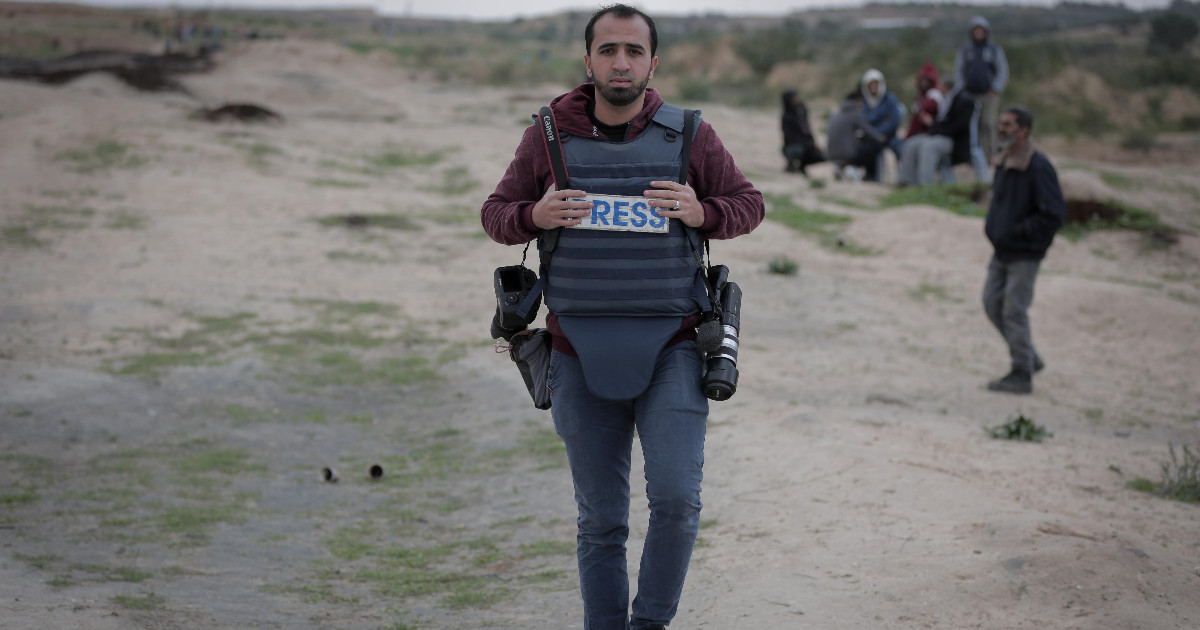
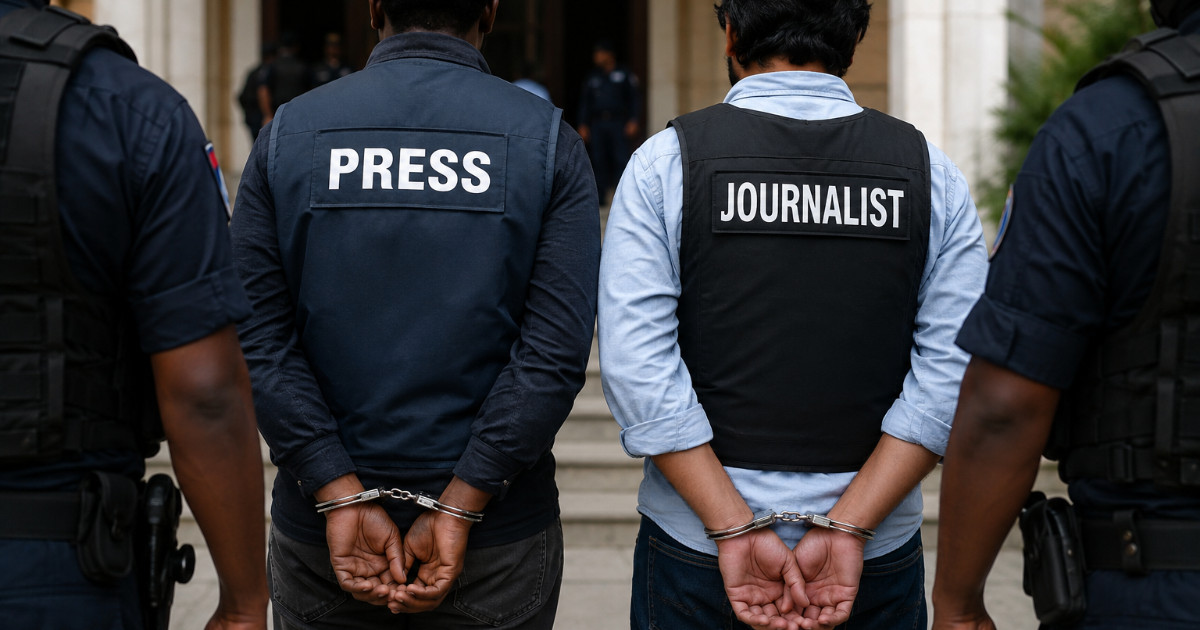
PHOTO: By mostafa meraji on Unsplash
Key Points
- New directive restricts redistribution of domestic content to foreign Persian-language broadcasters.
- Targets outlets followed by Iranians seeking alternatives to state media, including BBC Persian and Iran International.
- Media freedom groups warn the rules could isolate audiences from independent reporting.
- The move aligns with previous internet slowdowns and social media blocks during crises.
- Restrictions may complicate cross-border collaboration among journalists and digital rights work.
Key Questions & Answers
What did Iran announce?
Iran issued rules requiring local content providers and media partners to limit redistribution of material to foreign Persian-language broadcasters.
Which broadcasters are named as targets?
The directive specifically affects foreign Persian-language outlets widely followed in Iran, such as BBC Persian and Iran International.
Why are authorities restricting this sharing?
Officials have long accused exile-linked broadcasters of spreading destabilising narratives, and the restrictions are presented as a way to control cross-border information flow.
What are the likely consequences?
Rights groups say the rules could further curtail independent reporting, hinder cross-border journalism and limit public access to outside information.
Relevant Topics
Ask AI: Understand this story your way
AI EnabledDig deeper, ask anything — get instant context, background, and clarity.
Disclaimer: This feature is powered by AI and is intended to help readers explore and understand news stories more easily. While we strive for accuracy, AI-generated responses may occasionally be incomplete or reflect limitations in the underlying model. This feature does not represent the editorial views of JournalismPakistan. For our full, verified reporting, please refer to the original article.