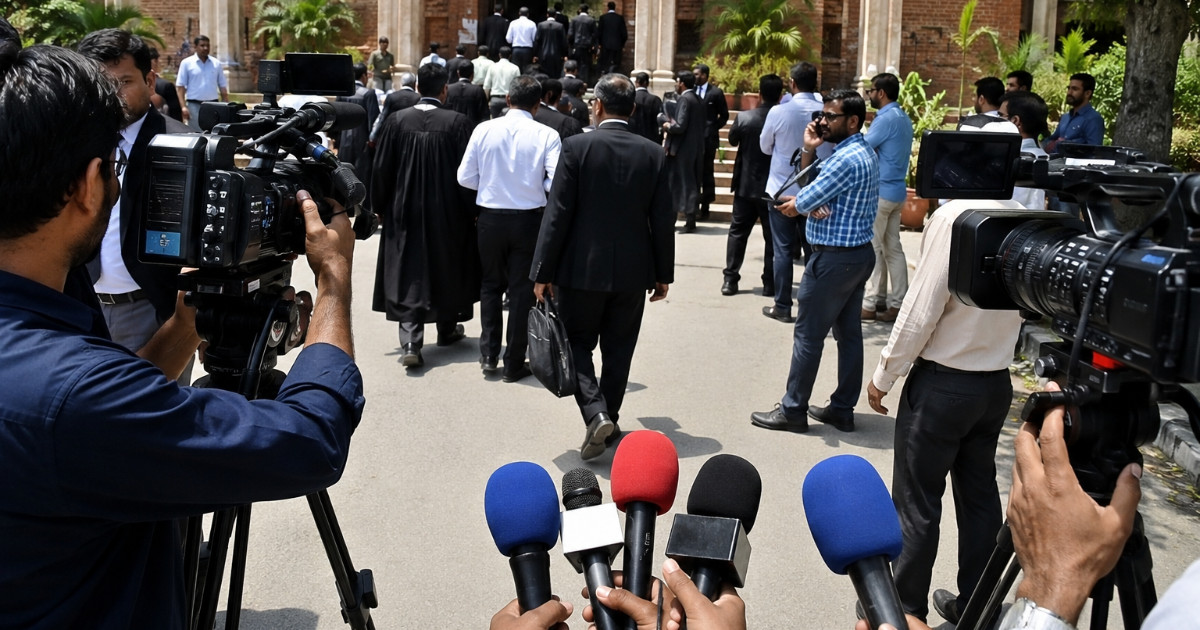

Why journalists are increasingly targeted in conflict zones
JournalismPakistan.com | Published: 4 June 2026 | JP Special Report
Join our WhatsApp channel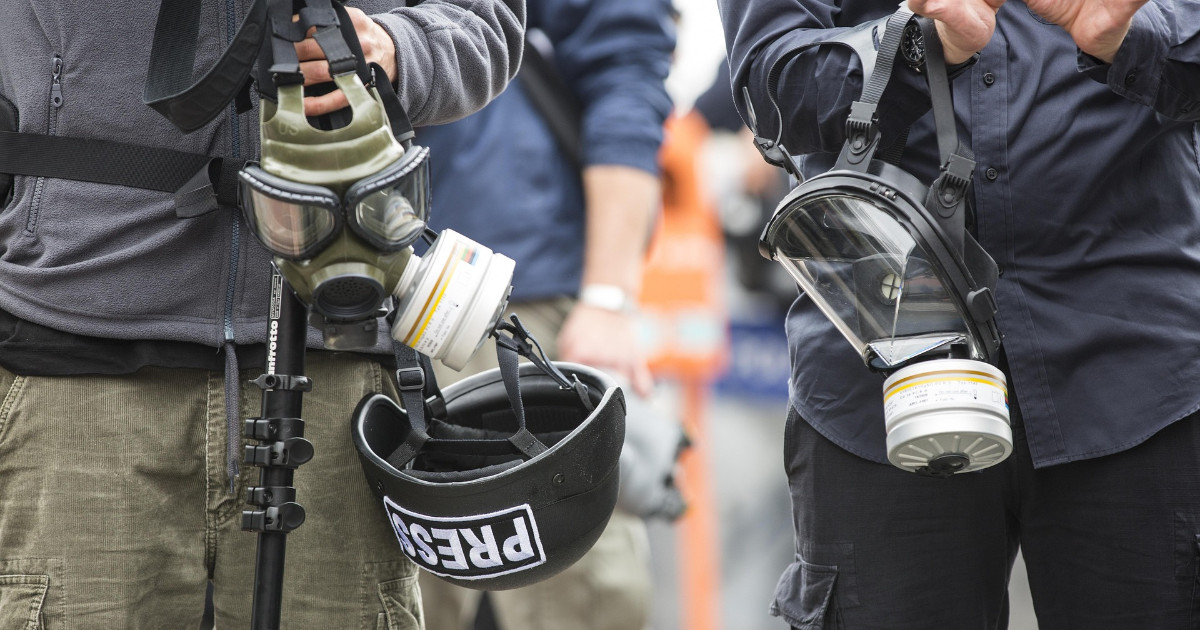
Reporters in Gaza, Ukraine, Sudan and Myanmar face escalating threats as combatants, governments and militias increasingly target independent journalism. This reflects a broader fight over information, access and public narratives.Summary
ISLAMABAD — Journalists covering wars and armed conflicts are facing growing dangers as combatants, governments, militias, and non-state actors increasingly view independent reporting as a strategic threat rather than a neutral public service. From Gaza and Ukraine to Sudan and Myanmar, reporters are operating in environments where the lines between military objectives, information warfare, and media coverage have become increasingly blurred.
Press freedom organizations, media watchdogs, and international bodies have repeatedly warned that journalists are being killed, injured, detained, threatened, or prevented from reporting in conflict zones at alarming rates. The trend reflects not only the physical dangers of war but also a broader struggle over information, narrative control, and public perception.
Why information has become a battlefield
Modern conflicts are fought on multiple fronts, including the information space. Governments, armed groups, and military forces increasingly recognize that news coverage can shape international opinion, influence diplomatic responses, affect military morale, and alter public support for a conflict.
As a result, journalists documenting civilian casualties, battlefield developments, alleged human rights abuses, or humanitarian crises may be viewed by one side or another as obstacles to strategic messaging. In some cases, reporters are accused of spreading propaganda; in others, they are denied access, intimidated, or subjected to legal restrictions that limit independent reporting.
The rapid spread of digital platforms has intensified these pressures. Images, videos, and eyewitness accounts can reach global audiences within minutes, increasing the perceived importance of controlling information emerging from conflict zones.
The rise of information warfare
Military analysts increasingly describe contemporary conflicts as information wars as much as kinetic wars. Competing actors seek to dominate narratives through state media, social media campaigns, online influencers, and strategic communications operations.
Independent journalism can challenge official narratives by verifying claims, exposing misinformation, and documenting events on the ground. That role makes journalists valuable sources of public information but can also place them at risk from parties seeking tighter control over what audiences see and believe.
Media researchers note that reporters are often caught between competing accusations from opposing sides, each claiming that coverage favors the other. Such polarization can erode respect for journalistic neutrality and increase hostility toward reporters.
Access restrictions and safety challenges
Conflict reporting has become more difficult because many war zones are increasingly inaccessible. Governments and armed groups often impose movement restrictions, deny visas, limit accreditation, or restrict access to frontline areas.
Journalists also face threats from kidnapping, arbitrary detention, surveillance technologies, cyberattacks, and online harassment. Freelance journalists, local reporters, and fixers are frequently among the most vulnerable because they may lack the institutional protections available to large international media organizations.
In some conflicts, communication blackouts and internet disruptions further complicate reporting efforts, making it difficult for journalists to verify information or safely communicate with editors and audiences.
The role of local journalists
Local journalists often bear the greatest risks during conflicts. Unlike foreign correspondents who may eventually leave a conflict zone, local reporters remain embedded in affected communities and may face ongoing threats from multiple actors.
Their reporting is often essential for documenting events in areas inaccessible to international media. Yet local journalists frequently work with limited resources, inadequate safety equipment, and fewer opportunities for evacuation during escalating violence.
Press freedom groups have repeatedly emphasized that attacks on local journalists can have long-term consequences for information access, leaving communities without independent sources of news.
International concerns over accountability
International humanitarian law provides protections for civilians, including journalists engaged in professional reporting during armed conflicts. However, media freedom advocates argue that accountability for attacks on journalists remains inconsistent.
Organizations monitoring press freedom have repeatedly called for thorough investigations into journalist deaths, injuries, detentions, and other incidents occurring during conflicts. They argue that accountability is essential not only for justice but also for preserving independent reporting during crises.
The broader concern is that when journalists cannot safely document events, the public loses access to verified information at moments when accurate reporting is most critical.
WHY THIS MATTERS: For journalists and media organizations, conflict reporting increasingly requires preparation that extends beyond traditional field safety training. Newsrooms must also address digital security, misinformation risks, legal pressures, and psychological support for reporters covering traumatic events. The trend highlights a broader challenge for journalism worldwide: as information becomes a strategic asset in conflicts, protecting independent reporting becomes essential to ensuring that the public can access verified facts rather than competing narratives alone.
ATTRIBUTION: Reporting by JournalismPakistan, based on publicly available reports and analysis from international press freedom organizations, media researchers, and intergovernmental institutions monitoring journalist safety in conflict zones.
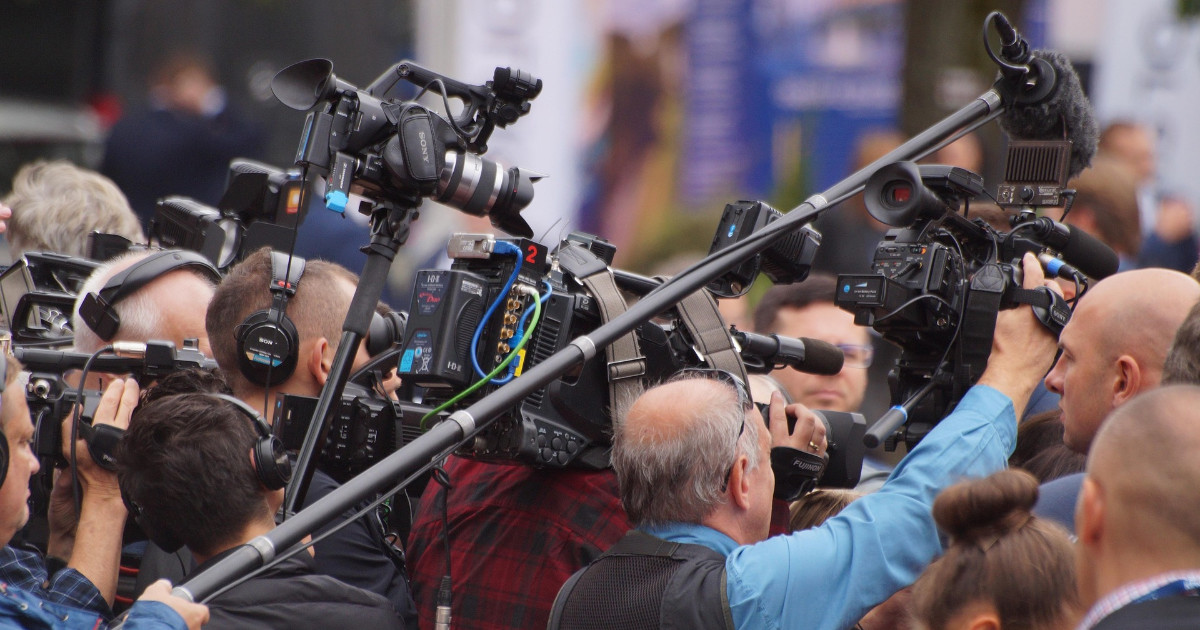
PHOTO: By Engin_Akyurt from Pixabay
Key Points
- Modern conflicts treat information as a battlefield, raising risks for reporters.
- Combatants, states and militias increasingly view independent coverage as a strategic threat.
- Digital platforms and rapid spread of footage intensify targeting and misinformation.
- Threats include killings, injuries, detention, legal restrictions and intimidation.
- Enhanced protections, access safeguards and independent monitoring are urgently needed.
Key Questions & Answers
Why are journalists being targeted in conflict zones?
Armed groups, governments and militias often see independent reporting as a threat to their strategic messages, so they target journalists to control information and public perception.
What forms of danger do journalists face?
Reporters face killings, injuries, detention, legal harassment, confiscation of equipment, intimidation and restricted access to conflict areas.
How have digital platforms changed the risks?
Digital platforms speed the spread of footage and misinformation, make journalists visible targets, and enable information operations that can endanger reporters and their sources.
What measures can improve journalists' safety?
Measures include stronger legal protections, independent monitoring, secure communication training, safer access protocols and international pressure to uphold press freedom.
Relevant Topics
Ask AI: Understand this story your way
AI EnabledDig deeper, ask anything — get instant context, background, and clarity.
Disclaimer: This feature is powered by AI and is intended to help readers explore and understand news stories more easily. While we strive for accuracy, AI-generated responses may occasionally be incomplete or reflect limitations in the underlying model. This feature does not represent the editorial views of JournalismPakistan. For our full, verified reporting, please refer to the original article.