.png)
Israel-Lebanon talks proceed as conflict hinders reporting
JournalismPakistan.com | Published: 2 June 2026 | JP Middle East Desk
Join our WhatsApp channel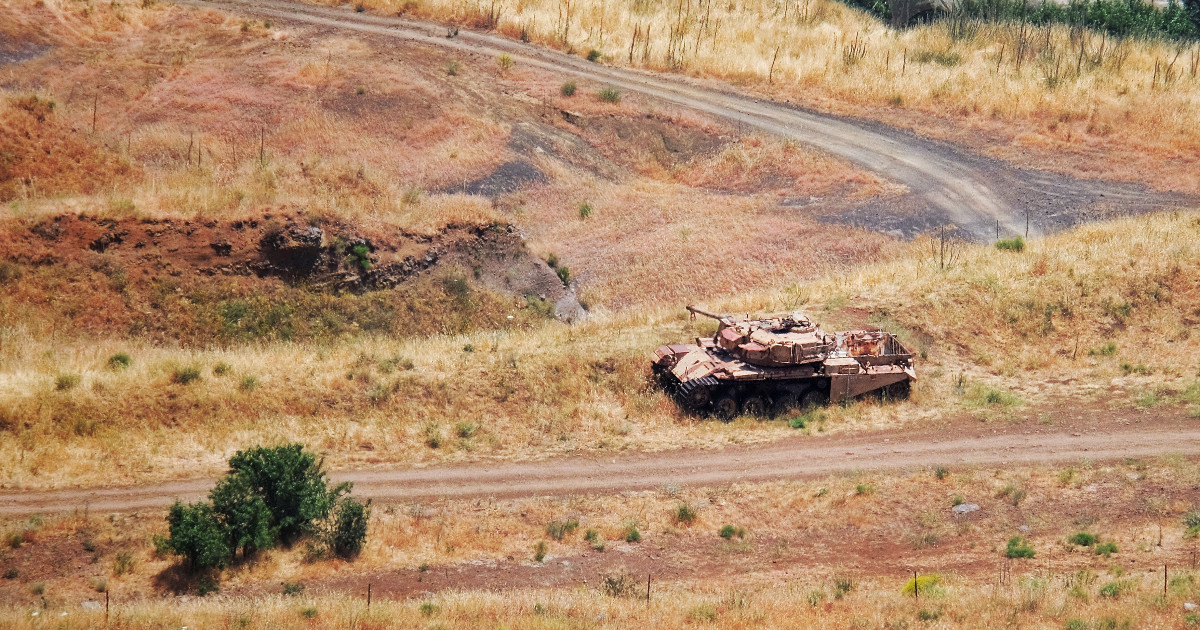
Israeli and Lebanese officials opened talks in Washington while fighting and airstrikes along the border persist, complicating efforts to ease tensions. Ongoing military activity and movement restrictions have hindered journalists' access to independently verify and report developments.Summary
WASHINGTON—Israeli and Lebanese officials have opened a new round of talks in Washington even as fighting and airstrikes continue along parts of the Israel-Lebanon border, highlighting the difficult environment in which journalists are attempting to report on developments from the region. The negotiations come amid ongoing efforts to reduce tensions and address security concerns following months of cross-border hostilities.
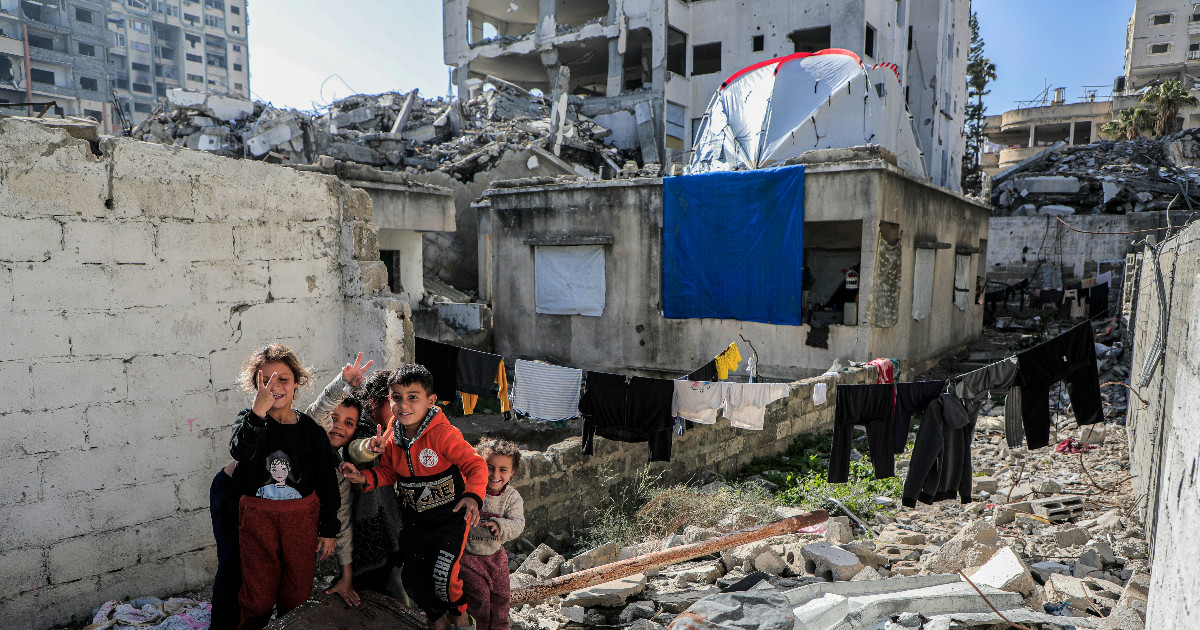
While diplomats pursue dialogue, military activity on the ground has continued to affect communities in southern Lebanon and northern Israel. The persistence of airstrikes, security alerts, and military operations has complicated access for reporters seeking to independently verify developments and document the humanitarian and political impact of the conflict.
Reporting challenges in southern Lebanon
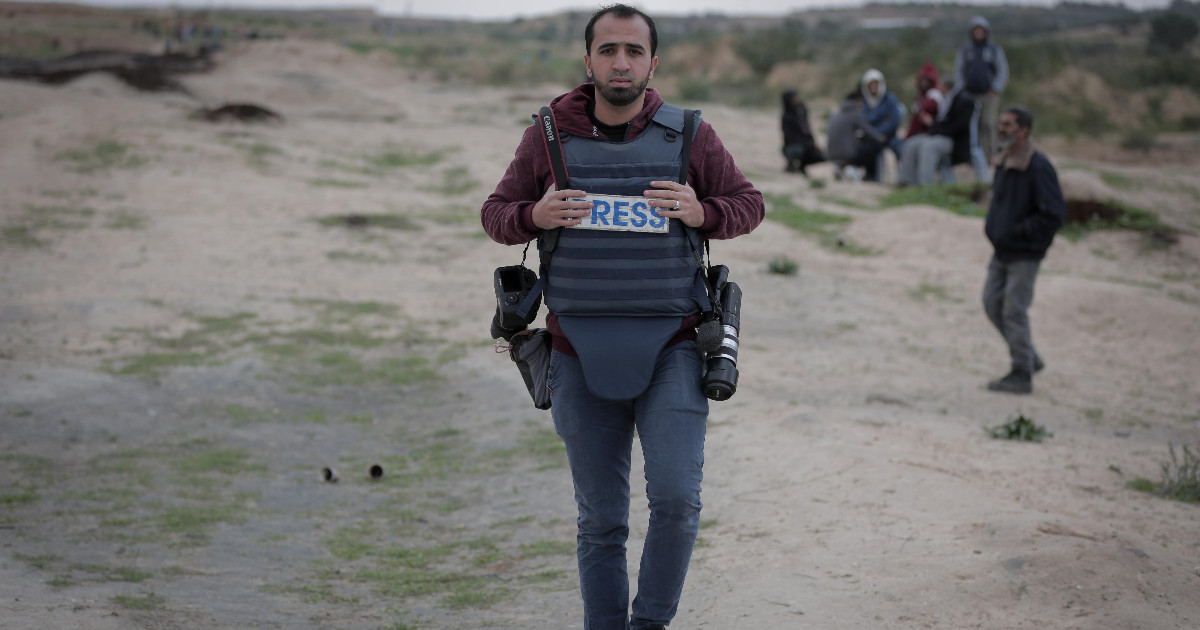
Media organizations covering the conflict face a combination of security risks, movement restrictions, and rapidly changing conditions. Journalists operating near active military zones must contend with access limitations imposed by security authorities, while also assessing the risks posed by ongoing hostilities.
Press freedom groups and media safety organizations have repeatedly warned about the dangers facing journalists in conflict areas across the Middle East. In southern Lebanon, reporters often work under conditions where access to affected locations can change with little notice, making independent verification of claims more difficult.
Conflict coverage under pressure
The latest round of Washington talks underscores the contrast between diplomatic efforts and realities on the ground. For journalists, the continuation of military activity means that reporting remains dependent on a combination of field observations, official statements, and information gathered under significant constraints.
Media analysts note that access restrictions and security concerns can limit the ability of news organizations to provide comprehensive coverage, increasing the importance of transparency about sourcing and verification. The situation also illustrates the broader challenges facing journalists reporting from active conflict zones, where safety considerations frequently shape newsgathering decisions.
As negotiations continue, journalists covering the region are expected to remain focused on balancing public-interest reporting with the operational and security challenges posed by an evolving conflict environment.
WHY THIS MATTERS: The situation highlights the growing difficulties journalists face when reporting from active conflict zones where access, verification, and safety are increasingly constrained. For news organizations, it reinforces the importance of robust safety protocols, transparent sourcing practices, and cross-border collaboration to maintain accurate coverage during rapidly evolving security crises.
ATTRIBUTION: Reporting by JournalismPakistan, based on publicly available reports on Israel-Lebanon diplomatic talks and regional security developments published on June 1-2, 2026.
Key Points
- Israeli and Lebanese officials have started a new round of talks in Washington.
- Cross-border fighting and airstrikes continue along parts of the Israel-Lebanon frontier.
- Military activity and security restrictions are limiting reporters' access and movement.
- Press freedom and media-safety groups warn of increased risks for journalists in the area.
- The security situation complicates independent verification and documentation of humanitarian impact.
Key Questions & Answers
Why are Israeli and Lebanese officials meeting in Washington?
Diplomats are pursuing dialogue to reduce tensions and address security concerns after months of cross-border hostilities.
How is the conflict affecting journalists?
Ongoing fighting, airstrikes and movement restrictions limit access to affected areas and raise safety risks, making independent reporting and verification difficult.
Which areas are most affected by the reporting challenges?
Communities in southern Lebanon and northern Israel are most affected due to active military operations and frequent security alerts.
What are media-safety groups saying?
Press freedom and safety organizations warn reporters face heightened dangers in conflict zones and urge precautions and protections for journalists on the ground.
Relevant Topics
Ask AI: Understand this story your way
AI EnabledDig deeper, ask anything — get instant context, background, and clarity.
Disclaimer: This feature is powered by AI and is intended to help readers explore and understand news stories more easily. While we strive for accuracy, AI-generated responses may occasionally be incomplete or reflect limitations in the underlying model. This feature does not represent the editorial views of JournalismPakistan. For our full, verified reporting, please refer to the original article.