
PPF calls for media freedom safeguards in human rights plan
JournalismPakistan.com | Published: 21 May 2026 | JP Staff Report
Join our WhatsApp channel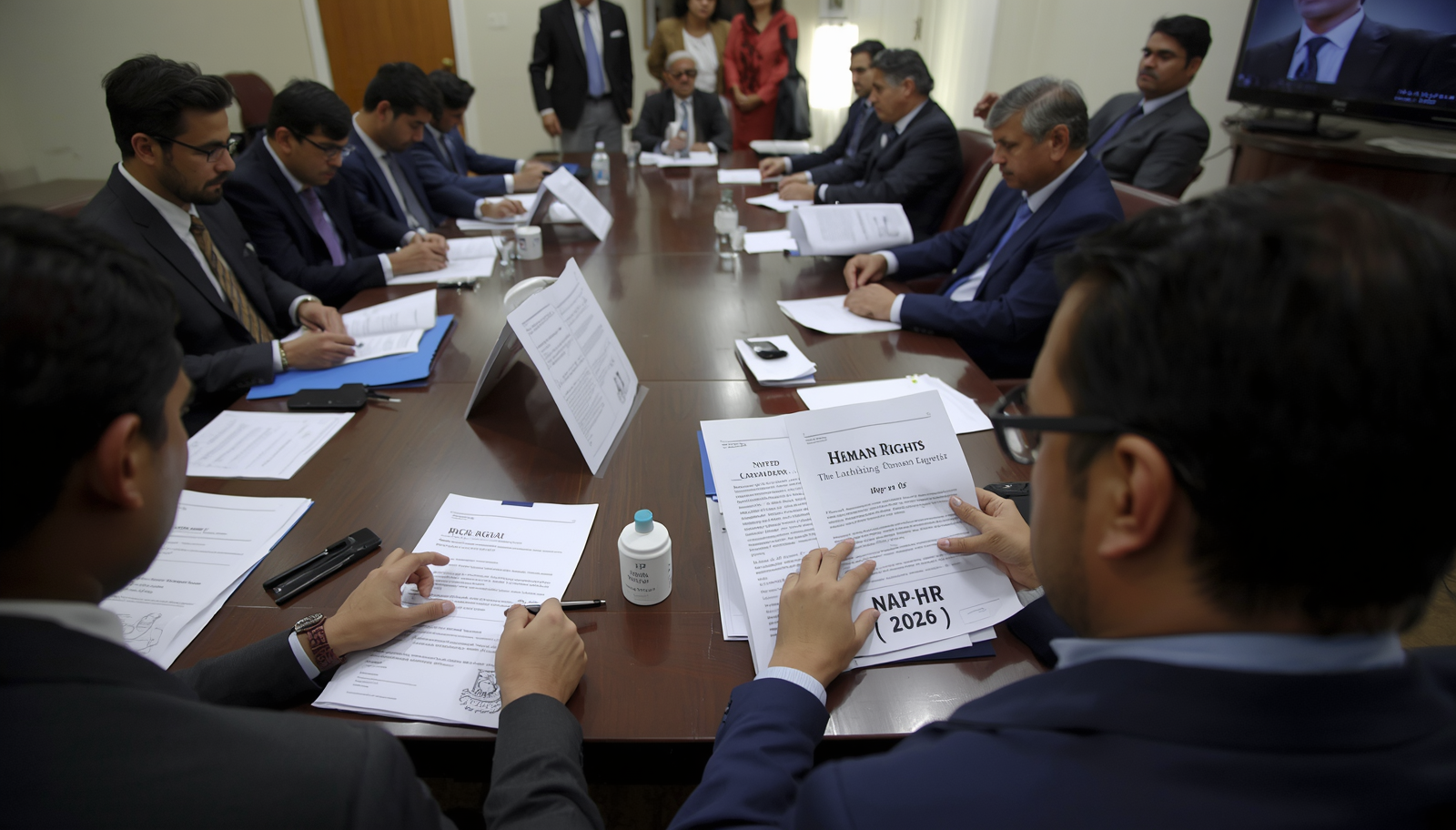
PPF urged inclusion of enforceable safeguards for press freedom, expression and journalists' safety in NAP‑HR 2026, saying the draft lacks a dedicated mechanism and risks leaving journalists exposed without operational protections.Summary
ISLAMABAD—Pakistan Press Foundation (PPF) has called for the inclusion of explicit and enforceable safeguards for press freedom, freedom of expression, and journalists’ safety in the National Action Plan for Human Rights (NAP-HR) 2026, warning that the draft framework lacks a dedicated mechanism to protect media professionals. The organization urged the Ministry of Human Rights to treat media protection as a core pillar of Pakistan’s human rights architecture rather than a symbolic commitment.
The draft NAP-HR 2026, issued by the Ministry of Human Rights, outlines the country’s broader human rights priorities but does not include a specific, measurable framework for journalist safety or media freedom protections, according to PPF.
Concerns over missing journalist safeguards
PPF said the omission is particularly concerning given constitutional guarantees under Article 19 and Article 19-A of Pakistan’s Constitution, as well as international obligations under Article 19 of the International Covenant on Civil and Political Rights (ICCPR). It noted that existing protections under the Protection of Journalists and Media Professionals Act, 2021, and related provincial legislation are not being adequately integrated into the national human rights planning framework.
The organization emphasized that without enforceable mechanisms, commitments risk remaining declaratory rather than operational, leaving journalists exposed to ongoing risks in both physical and digital environments.
Call for a dedicated media freedom framework
In its submission, PPF recommended the creation of a dedicated thematic section titled “Freedom of Expression, Media Freedom, and Protection of Journalists and Media Professionals,” supported by monitoring tools, accountability measures, and implementation benchmarks. It argued that such a structure is necessary to ensure compliance and tracking of violations affecting journalists.
PPF also highlighted the rising risks faced by women journalists, calling for gender-sensitive protections, stronger workplace safety protocols, and targeted digital security training to address coordinated online harassment campaigns.
The organization further stressed the need for enforceable commitments on digital rights and access to information, warning that internet shutdowns and other digital restrictions continue to undermine reporting, emergency coverage, and public access to information.
PPF’s monitoring data cited at least 233 incidents involving journalists and media professionals between January 2025 and April 2026, including assaults, criminal complaints, threats, arrests, detentions, censorship cases, and connectivity disruptions. The figures underscore what the organization described as persistent and multi-dimensional risks facing the media sector.
WHY THIS MATTERS: The call highlights growing pressure to convert broad human rights commitments into enforceable protections for journalists within national policy frameworks. For newsrooms, it underscores the gap between legal safeguards and on-ground enforcement, particularly in cases involving digital threats and workplace safety. It also signals increasing scrutiny of state accountability mechanisms in protecting press freedom.
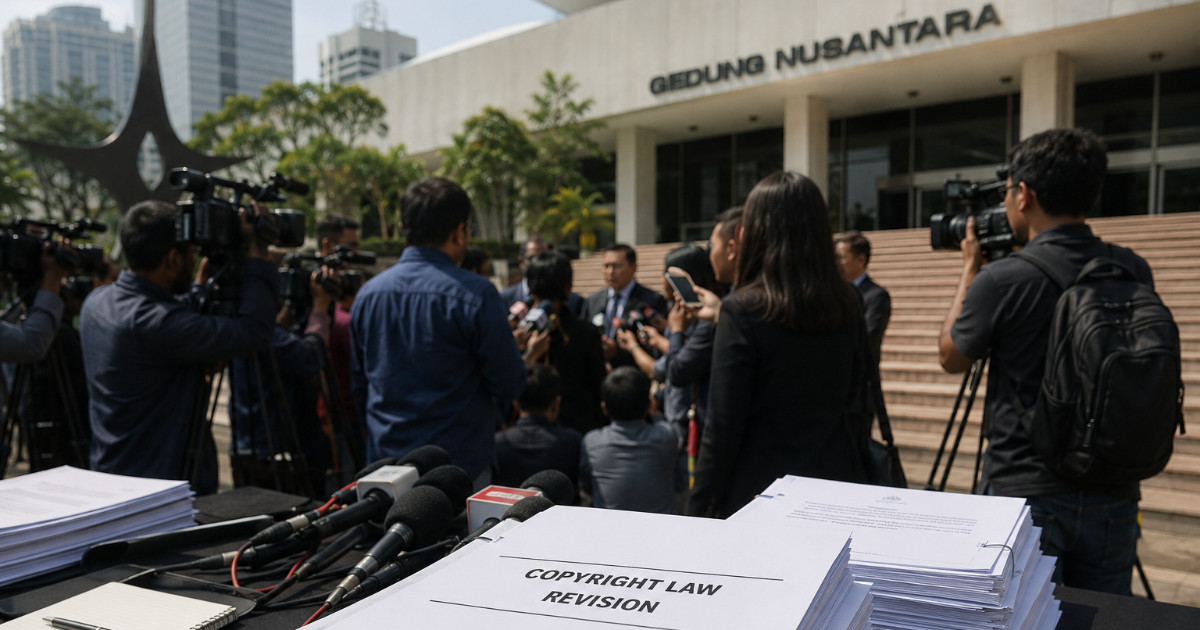
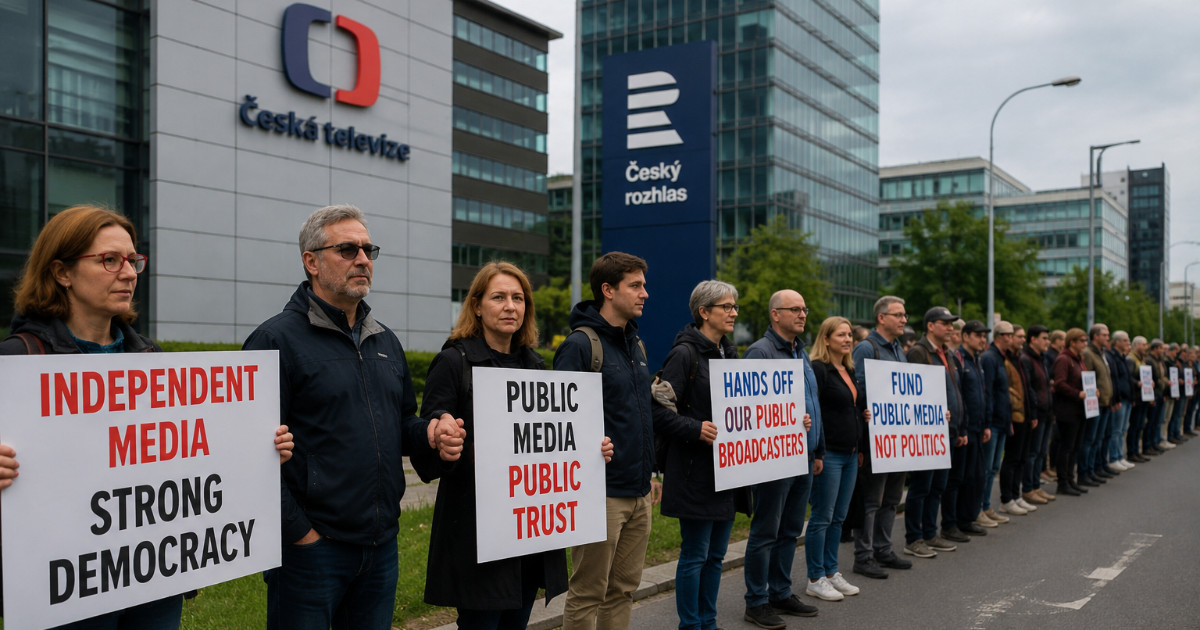
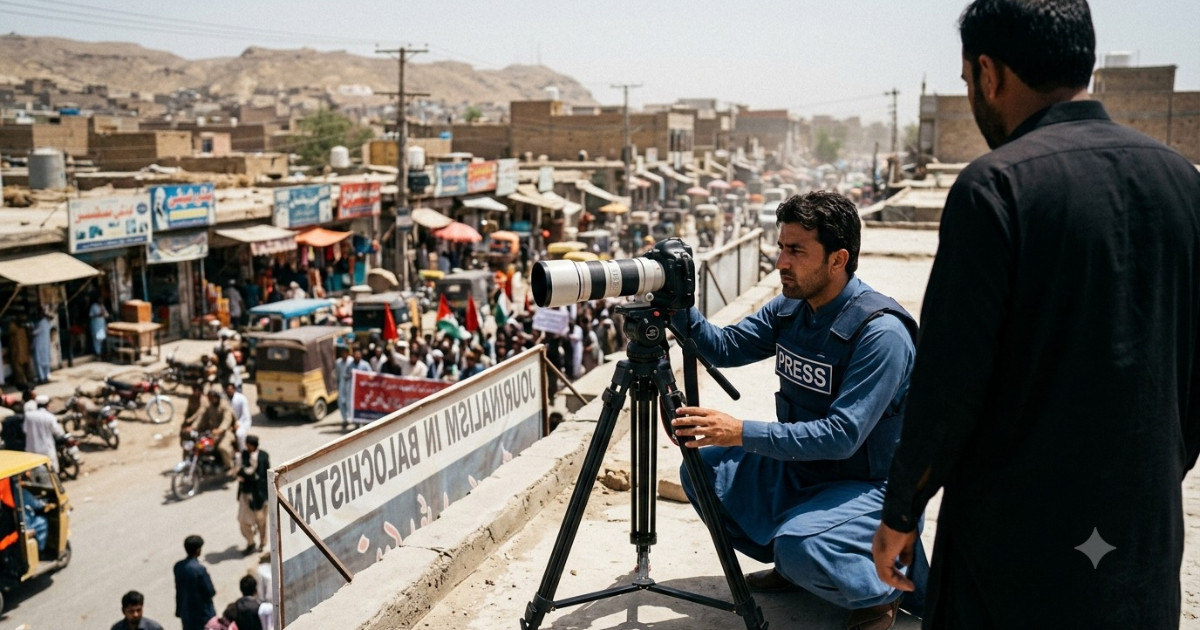
PHOTO: AI-generated; for illustrative purposes only.
Key Points
- PPF calls for explicit, enforceable safeguards for press freedom and journalists' safety in the NAP-HR 2026.
- The draft framework lacks a dedicated mechanism to protect media professionals, the group says.
- PPF cites constitutional guarantees (Articles 19 and 19-A) and international obligations under Article 19 ICCPR.
- Existing laws, including the Protection of Journalists and Media Professionals Act 2021, are not adequately integrated.
- Without operational mechanisms, commitments risk remaining declaratory and leaving journalists exposed in physical and digital spaces.
Key Questions & Answers
What did PPF request in its submission?
PPF asked the Ministry of Human Rights to include explicit, enforceable safeguards for press freedom, expression and journalists' safety in the National Action Plan for Human Rights 2026.
Why is the omission of media safeguards a concern?
PPF warned the draft lacks a dedicated mechanism and may leave journalists exposed, turning declarations into non-operational commitments without enforcement.
Which laws and rights did PPF reference?
PPF referenced Articles 19 and 19-A of the Constitution, Article 19 of the ICCPR, and the Protection of Journalists and Media Professionals Act, 2021.
What does PPF recommend the ministry do?
PPF recommended treating media protection as a core pillar of Pakistan's human rights framework and integrating existing provincial and federal protections into the NAP-HR.
Relevant Topics
Ask AI: Understand this story your way
AI EnabledDig deeper, ask anything — get instant context, background, and clarity.
Disclaimer: This feature is powered by AI and is intended to help readers explore and understand news stories more easily. While we strive for accuracy, AI-generated responses may occasionally be incomplete or reflect limitations in the underlying model. This feature does not represent the editorial views of JournalismPakistan. For our full, verified reporting, please refer to the original article.