
Can TV news reinvent itself without losing trust?
JournalismPakistan.com | Published: 30 May 2026 | JP Special Report
Join our WhatsApp channel
CBS's revamp of 60 Minutes tests whether legacy broadcasters can move to digital-first models amid falling linear viewership and new competition, while avoiding erosion of editorial safeguards, public trust and institutional memory.Summary
ISLAMABAD — The sweeping overhaul of CBS News' flagship program 60 Minutes has become more than a newsroom story. For media executives around the world, it is emerging as a test case for whether legacy television news organizations can reinvent themselves for the digital era without sacrificing the editorial principles that built their reputations.
CBS's appointment of filmmaker and former New York Times technology columnist Nick Bilton to lead 60 Minutes, alongside the departure of several prominent journalists, has intensified debate about how traditional broadcasters should respond to changing audience habits, declining linear television viewership, and growing competition from streaming services, social platforms, podcasts, and independent creators.
Adapting to a digital-first audience
The challenge facing CBS is not unique. Across the media industry, television news organizations that once dominated national conversations are confronting a fundamental shift in how audiences consume information. Younger viewers increasingly access news through mobile devices, video platforms, newsletters, podcasts, and social media feeds rather than scheduled television broadcasts.
These changes have forced broadcasters to rethink business models, content strategies, and newsroom structures. Executives argue that adaptation is necessary for survival, while journalists often worry that rapid transformation can weaken editorial safeguards, reduce institutional memory, and prioritize audience metrics over public-interest reporting.
How major broadcasters are responding
CBS is only one example of a broader industry trend. CNN has spent recent years experimenting with digital subscription products, streaming initiatives, and direct-to-consumer strategies as it seeks new revenue streams beyond traditional cable television.
NBC News has expanded its streaming presence through NBC News NOW and increased investment in digital video formats designed for on-demand audiences. The goal has been to reach viewers who no longer rely on conventional television schedules while maintaining the reporting standards associated with its broadcast operation.
The BBC has accelerated digital-first publishing strategies, placing greater emphasis on mobile consumption, online video, podcasts, and audience engagement across multiple platforms. The public broadcaster has repeatedly highlighted the importance of meeting audiences where they are while preserving its public-service journalism mission.
Meanwhile, Sky News has continued expanding multi-platform distribution, ensuring that its reporting reaches audiences through television, websites, mobile applications, streaming services, and social networks. The strategy reflects a wider industry recognition that audience loyalty can no longer be assumed on a single platform.
The editorial independence question
While digital transformation is widely accepted as necessary, the process often creates tension between commercial objectives and journalistic independence. The recent controversy surrounding 60 Minutes illustrates how leadership changes, restructuring efforts, and newsroom departures can quickly raise concerns about editorial autonomy.
Some current and former CBS journalists have alleged editorial interference and censorship during the restructuring process, claims the company has disputed. Regardless of where the debate ultimately lands, the dispute has underscored the sensitivity surrounding editorial decision-making inside high-profile news organizations.
The issue extends beyond CBS. Newsrooms worldwide continue to navigate questions about corporate ownership, shareholder expectations, political pressure, audience fragmentation, and the growing influence of technology platforms. For journalists, maintaining public trust increasingly depends on demonstrating that editorial judgments remain independent from commercial and political considerations.
A defining challenge for legacy media
Industry analysts note that the future of television journalism may depend less on whether broadcasters embrace digital tools and more on how they implement change. Audiences increasingly expect news organizations to deliver content across multiple platforms, but they also expect accuracy, transparency, accountability, and editorial integrity.
The outcome of the transformation underway at CBS and other major broadcasters could help shape how legacy news organizations approach modernization in the years ahead. The central challenge is no longer whether change is necessary. The question is whether broadcasters can evolve fast enough to remain relevant while preserving the journalistic values that earned public trust in the first place.
WHY THIS MATTERS: The debate surrounding CBS reflects a broader challenge facing news organizations worldwide: balancing digital innovation with editorial independence, for journalists and media executives, the experience of CBS, CNN, NBC, the BBC, and Sky News offers insight into how legacy media brands are attempting to adapt to changing audience behavior while protecting newsroom credibility and public trust.
ATTRIBUTION: Reporting by JournalismPakistan, based on publicly available statements from CBS News on May 28, 2026, and reports by Reuters and other media industry publications published between May 28-30, 2026.
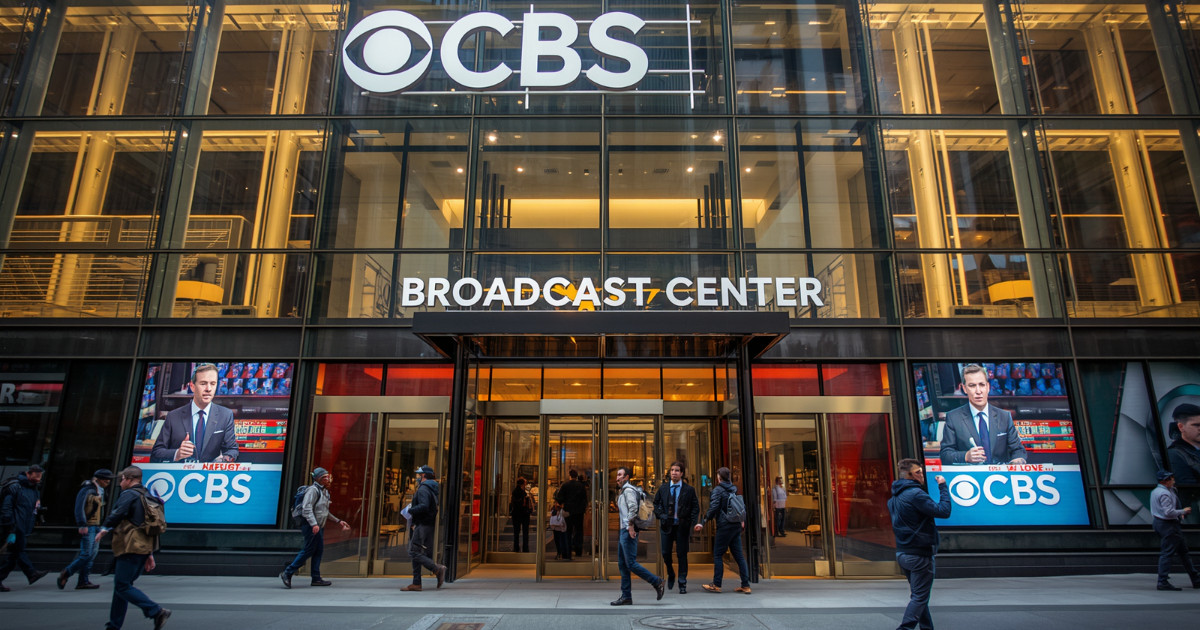
PHOTO: AI-generated; for illustrative purposes
Key Points
- CBS appointed filmmaker and former New York Times columnist Nick Bilton to lead 60 Minutes, prompting departures and internal debate.
- Broadcasters face falling linear viewership and rising competition from streaming, social platforms, podcasts, and independent creators.
- Executives argue digital-first formats and multiplatform distribution are needed to reach younger, mobile audiences.
- Journalists warn that rapid change can weaken editorial safeguards, institutional memory, and public-interest reporting.
- The 60 Minutes overhaul is viewed as a broader test of whether legacy TV can transform without losing trust.
Key Questions & Answers
What changed at CBS's 60 Minutes?
CBS appointed filmmaker and former New York Times columnist Nick Bilton to lead the program, and several prominent journalists departed amid a broader overhaul.
Why does this matter for other broadcasters?
The overhaul highlights how legacy TV news must adapt to falling linear audiences and new digital competitors while trying to preserve editorial standards and trust.
What risks do journalists warn about?
They cite potential erosion of editorial safeguards, loss of institutional memory, and the prioritization of audience metrics over public-interest reporting.
How are broadcasters responding to changing audience habits?
Many are experimenting with digital-first strategies, streaming and multiplatform content, and rethinking newsroom structures and metrics to reach new audiences.
Ask AI: Understand this story your way
AI EnabledDig deeper, ask anything — get instant context, background, and clarity.
Disclaimer: This feature is powered by AI and is intended to help readers explore and understand news stories more easily. While we strive for accuracy, AI-generated responses may occasionally be incomplete or reflect limitations in the underlying model. This feature does not represent the editorial views of JournalismPakistan. For our full, verified reporting, please refer to the original article.