
Pakistan women journalists announce Razia Bhatti Award
JournalismPakistan.com | Published: 21 May 2026 | JP Staff Report
Join our WhatsApp channel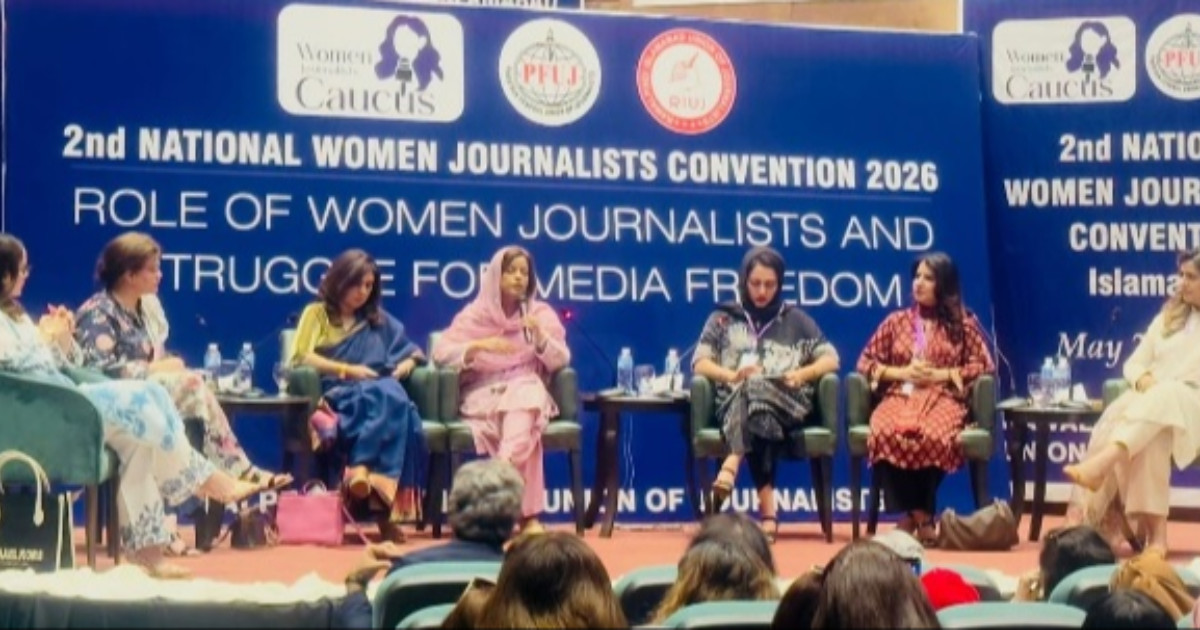
At the Women Journalists Convention in Islamabad, participants launched the Razia Bhatti Award to honor women reporters for courage, integrity, and public-interest journalism. The declaration also noted online harassment and workplace discrimination.Summary
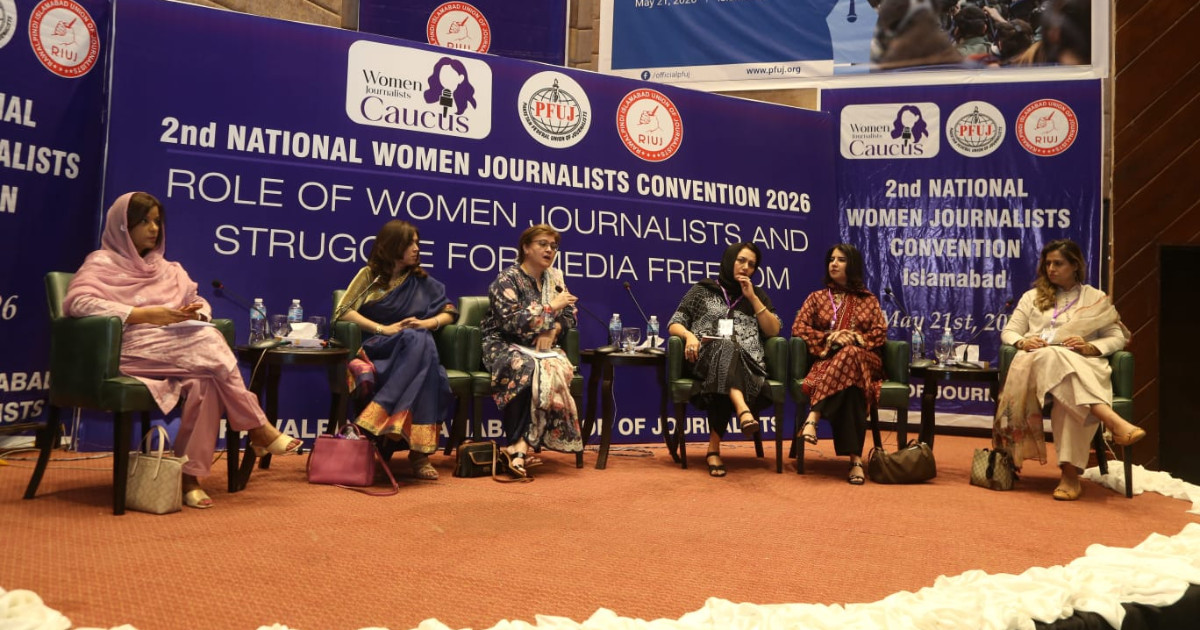
ISLAMABAD—The second Women Journalists Convention on Thursday announced the establishment of the 'Razia Bhatti Award' to recognize Pakistani women journalists who demonstrate courage, integrity, public interest reporting, and commitment to democratic values, human rights, gender equality, and ethical journalism.
The announcement was made as part of the Islamabad Declaration adopted at the convention, where participants also raised concerns over workplace discrimination, digital harassment, unequal representation, and the growing insecurity faced by women journalists across Pakistan.
Convention highlights media inequality concerns
The declaration paid tribute to generations of Pakistani women journalists who worked under political repression, censorship, and institutional barriers while contributing to reporting on democracy, labor rights, minorities, conflict, and human rights. Participants said women journalists had played a transformative role in expanding inclusive journalism and strengthening public discourse in the country.
At the same time, the convention expressed concern over persistent gender inequalities in media organizations. The declaration stated that women remain underrepresented in newsrooms and leadership positions while facing workplace harassment, unequal pay, irregular salaries, and opaque promotion systems.
Digital threats and legal protections debated
Participants also warned about increasing online harassment, intimidation, sexualized abuse, and threats targeting women journalists on social media and digital platforms. The declaration said such attacks discourage independent reporting and force many women journalists to reduce public engagement or withdraw from investigative journalism.
The convention criticized what it described as widespread non-compliance by media organizations with laws related to workplace harassment, maternity and paternity leave, labor protections, and equal opportunity. It called for mandatory anti-harassment inquiry committees, transparent hiring systems, and institutional gender audits within media organizations.
Focus on AI and digital transition
The declaration also highlighted concerns that women journalists face unequal access to training, technological resources, and professional opportunities in the rapidly changing Artificial Intelligence-driven media environment. Participants warned that without gender-sensitive interventions, digital transformation could deepen existing inequalities in journalism.
The convention urged federal and provincial governments, media regulators, journalist unions, press clubs, and media owners to establish stronger complaint and safety mechanisms under the Protection of Journalists and Media Professionals Act, 2021. It also called for legal aid and institutional support systems for women journalists facing workplace discrimination, online abuse, and professional victimization.
Participants further demanded greater representation of women in journalist unions, editorial boards, and media leadership structures. The declaration supported affirmative measures, including minimum quotas for women employees in media organizations and reforms to ensure the inclusion of women and marginalized communities.
The convention emphasized the need for specialized training in digital journalism, cybersecurity, Right to Information mechanisms, and Artificial Intelligence tools to help women journalists adapt to the future of journalism. It also proposed dedicated support desks at press clubs and media houses to assist women journalists, including freelancers working in insecure conditions.
The declaration concluded by stating that the struggle for gender equality in media is inseparable from broader struggles for democracy, human rights, and press freedom in Pakistan.
Convention sessions focused on women’s role in media freedom, structural inequalities in media, digital violence, and the Prevention of Electronic Crimes Act (PECA), regional storytelling beyond major newsrooms, and the opportunities and risks facing women journalists in the digital era.
WHY THIS MATTERS: The declaration reflects growing concerns within Pakistan’s media industry over newsroom inequality, digital harassment, and the impact of technological shifts on women journalists. The creation of the Razia Bhatti Award also signals an effort by media stakeholders to institutionalize recognition for women journalists working in challenging professional and political environments.
ATTRIBUTION: Reporting by JournalismPakistan, based on publicly available statements and the Islamabad Declaration issued at the Women Journalists Convention on May 21, 2026.
Key Points
- The Convention announced the Razia Bhatti Award to recognize courage, integrity, and public-interest reporting by Pakistani women journalists.
- The Islamabad Declaration pays tribute to generations of women reporters who worked under repression and censorship.
- Participants raised concerns about workplace discrimination, unequal pay, opaque promotions, and underrepresentation in leadership.
- Delegates warned of rising digital threats, including online harassment, intimidation, and sexualized abuse on social media.
- The convention called for stronger legal protections, safer working conditions, and policies to advance gender equality in media.
Key Questions & Answers
What is the Razia Bhatti Award?
It is an award announced at the Women Journalists Convention to honor Pakistani women reporters who show courage, integrity, and commitment to public-interest journalism.
Who launched the award?
The award was announced by participants of the second Women Journalists Convention in Islamabad as part of the Islamabad Declaration.
What concerns did the convention raise?
Delegates highlighted workplace discrimination, unequal pay, opaque promotions, underrepresentation in leadership, and rising online harassment against women journalists.
Did the declaration suggest any protections?
The convention called for stronger legal protections, safer work environments, measures to combat digital harassment, and policies to promote gender equality in media organizations.
Relevant Topics
Ask AI: Understand this story your way
AI EnabledDig deeper, ask anything — get instant context, background, and clarity.
Disclaimer: This feature is powered by AI and is intended to help readers explore and understand news stories more easily. While we strive for accuracy, AI-generated responses may occasionally be incomplete or reflect limitations in the underlying model. This feature does not represent the editorial views of JournalismPakistan. For our full, verified reporting, please refer to the original article.