
How fact-checkers verify viral videos during breaking news
JournalismPakistan.com | Published: 2 June 2026 | JP Staff Report
Join our WhatsApp channel
Fact-checkers verify viral videos by tracing early uploads, checking accounts and metadata, and using visual analysis and open-source tools. Geolocation with landmarks and weather helps confirm when and where footage was recorded to curb misinformation.Summary
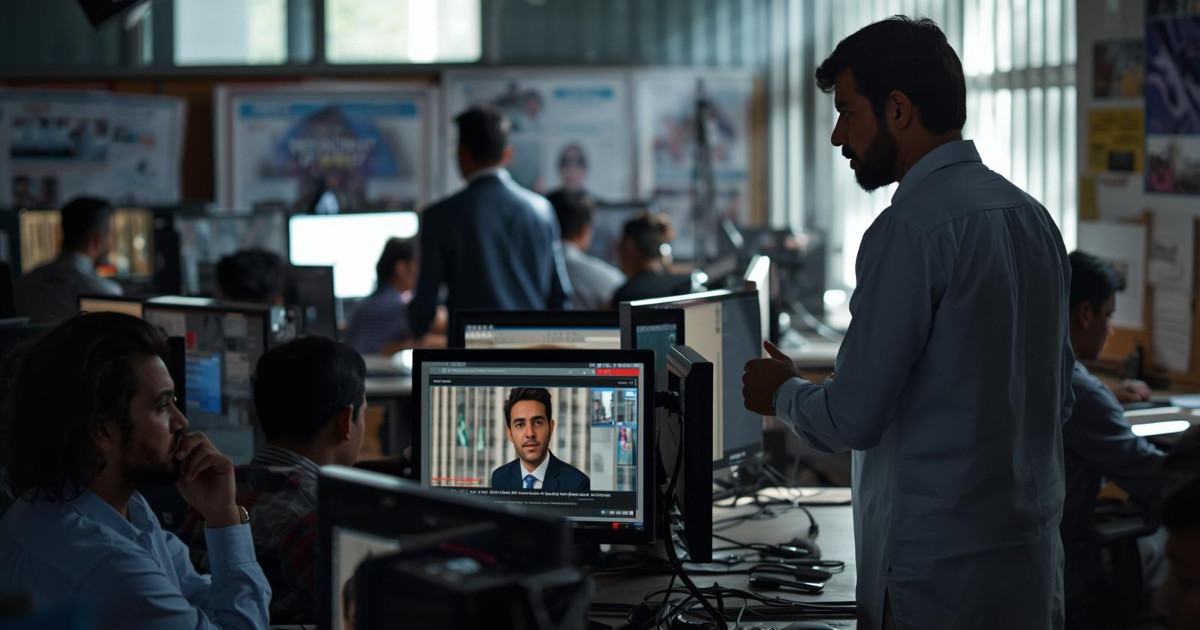
ISLAMABAD — When major news events unfold, viral videos often spread across social media long before journalists can independently confirm what happened. Images from conflicts, natural disasters, protests, accidents, and political crises can attract millions of views within minutes, creating pressure on newsrooms to verify information quickly while avoiding the spread of misinformation.
Fact-checkers have developed increasingly sophisticated methods to determine whether a viral video is genuine, recent, and accurately described. Their work has become a critical part of modern journalism as manipulated, recycled, or misleading content regularly circulates during breaking news situations.
How verification begins
The first step is usually identifying the video's source. Fact-checkers attempt to locate the earliest known upload, determine who posted it, and assess whether the account has a history of sharing reliable information. Establishing a chain of publication can help reveal whether the footage is authentic or has been altered before reaching wider audiences.
Verification teams also examine metadata when available, although many social media platforms remove or limit access to such information. Journalists therefore rely heavily on visual analysis and open-source intelligence techniques to evaluate a video's authenticity.
Checking location and timing
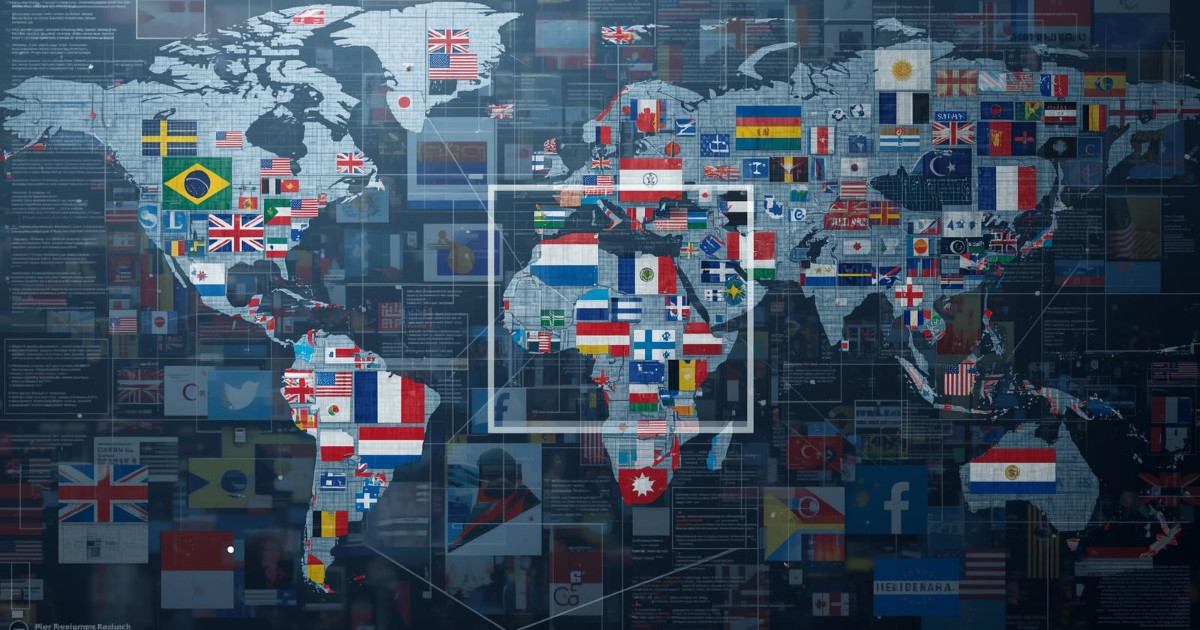
One of the most important tasks is geolocation, the process of identifying where a video was recorded. Fact-checkers compare visible landmarks, road signs, buildings, terrain, weather conditions, and other clues with satellite imagery, mapping services, and publicly available photographs.
To determine when footage was recorded, investigators analyze environmental details such as shadows, seasonal vegetation, weather patterns, clothing, and known events visible in the video. These clues can help establish whether footage is current or recycled from an earlier incident.
Detecting manipulation and misleading context
Not all misinformation involves digitally altered footage. A common challenge is videos that are genuine but presented with false context. Footage from an old protest, for example, may be falsely described as depicting a current demonstration in another country.
Fact-checkers therefore compare videos against archives, previous news reports, and social media databases to identify earlier appearances. Reverse image searches and key-frame analysis are frequently used to determine whether content has circulated before.
Advances in artificial intelligence have introduced additional challenges. Deepfake technology and AI-generated content can create realistic-looking videos that require more extensive forensic examination. Verification specialists increasingly use digital analysis tools to identify inconsistencies in imagery, audio, movement patterns, and visual artifacts.
Why speed and accuracy matter
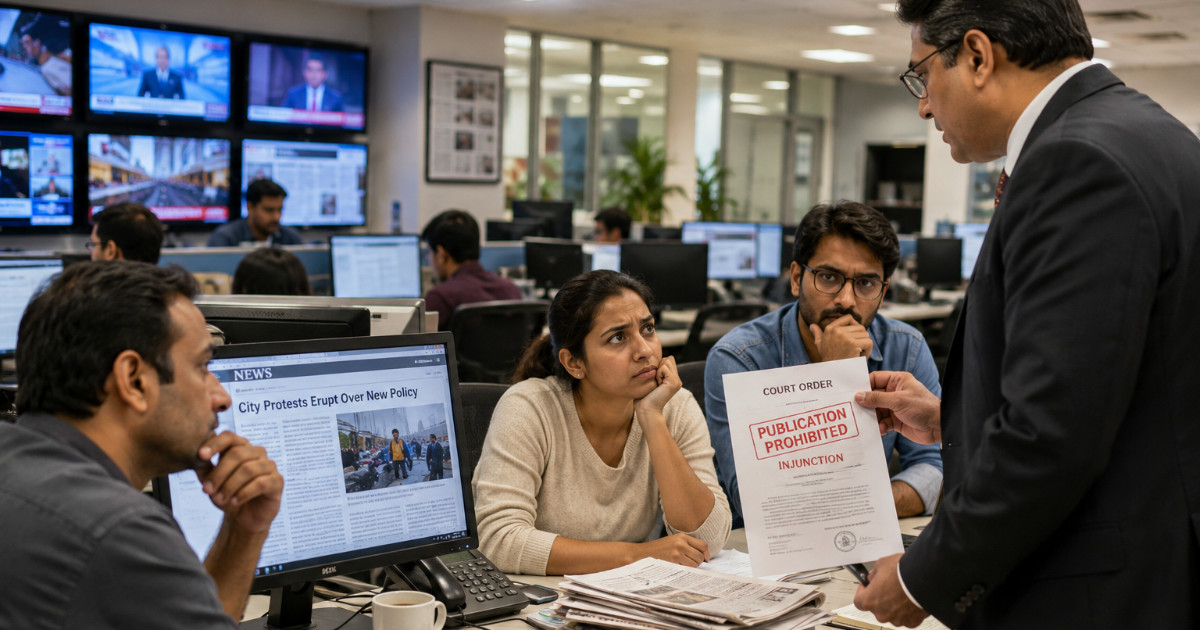
The pressure to publish quickly during breaking news events creates risks for journalists and media organizations. Publishing unverified content can damage credibility, misinform audiences, and complicate coverage of rapidly developing situations.
Many major news organizations now maintain dedicated verification teams or collaborate with fact-checking networks and open-source investigators. These specialists often work alongside reporters to ensure that visual evidence meets editorial standards before publication.
As social media platforms continue to accelerate the spread of information, verification has become one of the most essential skills in modern journalism. The ability to confirm where, when, and how a video was created helps news organizations provide accurate reporting while limiting the impact of misinformation during critical events.
WHY THIS MATTERS: Verification techniques are now fundamental newsroom skills as audiences increasingly encounter breaking news first through social media. Understanding how videos are authenticated helps journalists improve accuracy, reduce misinformation risks, and strengthen public trust in news reporting.
ATTRIBUTION: Reporting by JournalismPakistan, based on publicly available verification methodologies documented by leading fact-checking organizations including the International Fact-Checking Network, Reuters Fact Check, and AFP Fact Check.
Key Points
- Identify the earliest known upload and assess the account's history.
- Examine available metadata and platform timestamps.
- Use visual analysis, landmarks and weather to geolocate footage.
- Apply open-source intelligence and reverse-search techniques.
- Cross-check with reliable local reports before publishing.
Key Questions & Answers
How do fact-checkers find the original source of a viral video?
They search for earliest uploads, use reverse video/image search, check account activity and timestamps, and look for links or context that trace the chain of publication.
Can metadata always be used to verify videos?
No. Many platforms strip or limit metadata access, so it is used when available alongside visual and contextual verification methods.
What is geolocation and how is it used in verification?
Geolocation is matching visible landmarks, road signs, terrain and weather in footage to maps and imagery to determine where a video was recorded.
How do fact-checkers avoid spreading misinformation during breaking news?
They verify sources, cross-check claims with trustworthy local reporting and other evidence, and avoid publishing unconfirmed footage until key details are confirmed.
Relevant Topics
Ask AI: Understand this story your way
AI EnabledDig deeper, ask anything — get instant context, background, and clarity.
Disclaimer: This feature is powered by AI and is intended to help readers explore and understand news stories more easily. While we strive for accuracy, AI-generated responses may occasionally be incomplete or reflect limitations in the underlying model. This feature does not represent the editorial views of JournalismPakistan. For our full, verified reporting, please refer to the original article.