
The biggest threats facing journalism in Asia today
JournalismPakistan.com | Published: 31 May 2026 | JP Asia Desk
Join our WhatsApp channel
Journalism across Asia faces intertwined threats including AI-driven misinformation, economic strain, political pressure, and eroding public trust. Newsrooms must adapt to automation, deepfakes, algorithmic influence, and changing regulations to survive.Summary
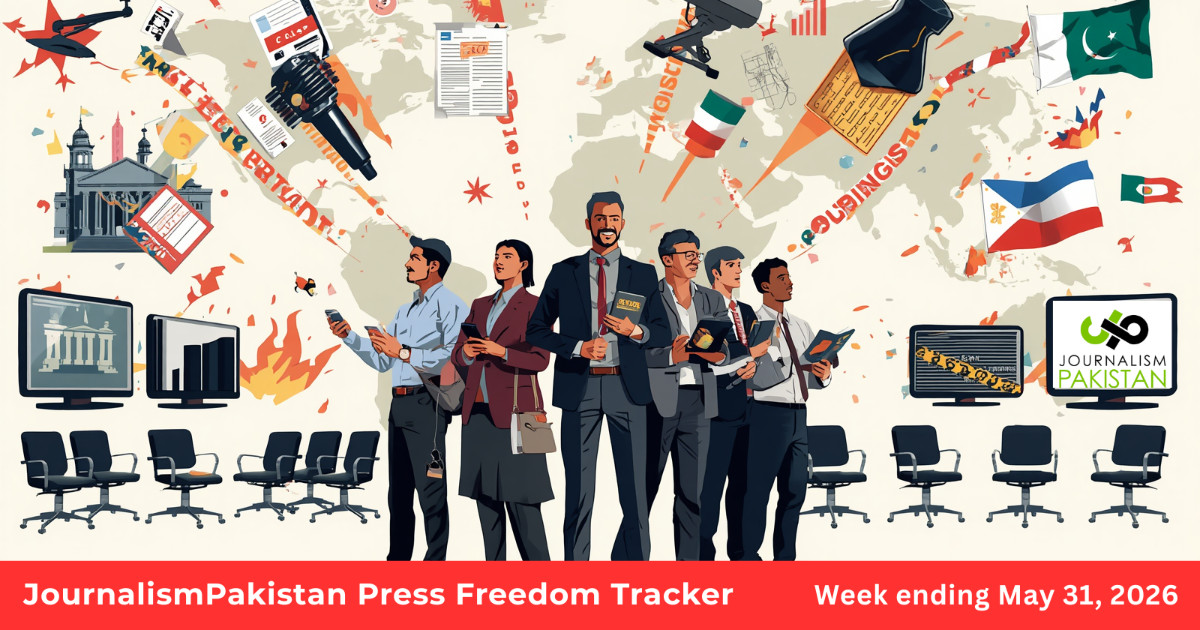
ISLAMABAD — Journalism across Asia is confronting a convergence of challenges that many media leaders, press freedom advocates, and researchers describe as among the most significant in decades. From the rapid rise of artificial intelligence to mounting economic pressures, political restrictions, and declining public trust, news organizations are being forced to adapt to a rapidly changing information environment.
The challenges vary across countries, but common themes are emerging throughout the region. Independent news outlets face growing competition for audience attention, while journalists must navigate increasingly complex digital ecosystems shaped by algorithms, misinformation campaigns, and evolving government regulations.
How AI is reshaping journalism
Artificial intelligence has become both an opportunity and a source of concern for newsrooms. Many organizations are experimenting with AI tools for transcription, translation, research assistance, and content production. At the same time, editors are grappling with questions about accuracy, transparency, copyright, and the potential impact of automation on newsroom jobs.
The rise of generative AI has also intensified concerns about deepfakes and synthetic media. Fabricated images, videos, and audio can spread rapidly online, making verification more difficult and increasing the risk that audiences will lose confidence in legitimate journalism.
Trust and misinformation remain major concerns
Public trust in news remains a critical challenge for media organizations across Asia. The spread of misinformation and disinformation through social media platforms has made it harder for audiences to distinguish between verified reporting and misleading content.
Journalists increasingly face pressure to respond quickly to viral claims while maintaining professional standards of verification. Fact-checking organizations and newsrooms have expanded efforts to counter false information, but the volume and speed of online content continue to test available resources.
Political pressure and press freedom challenges
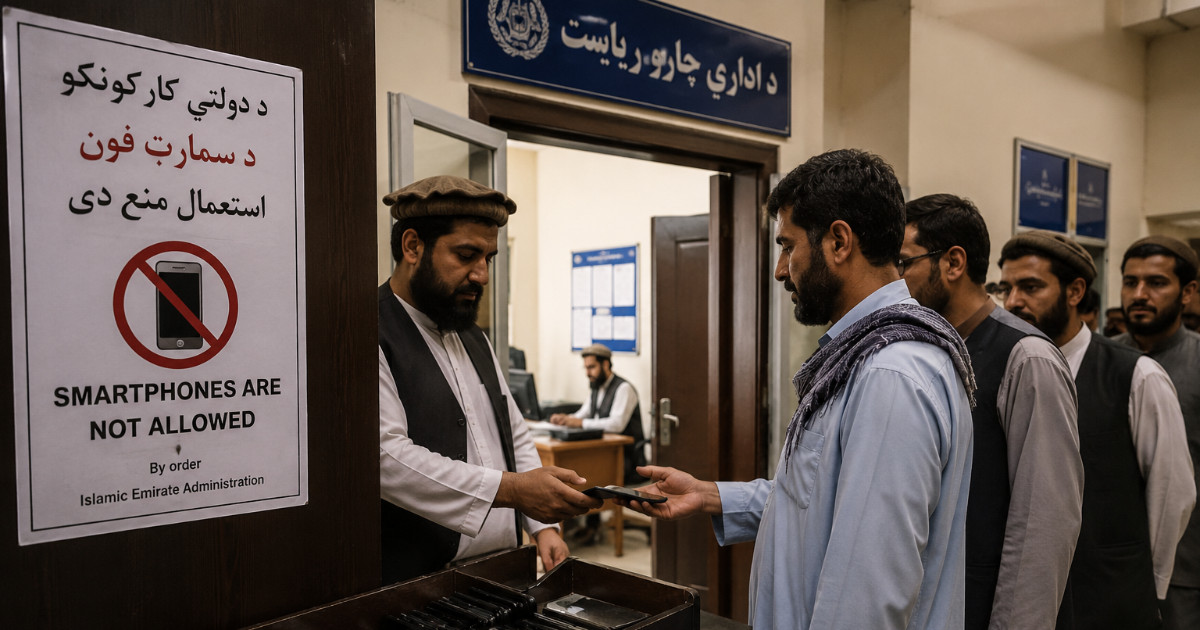
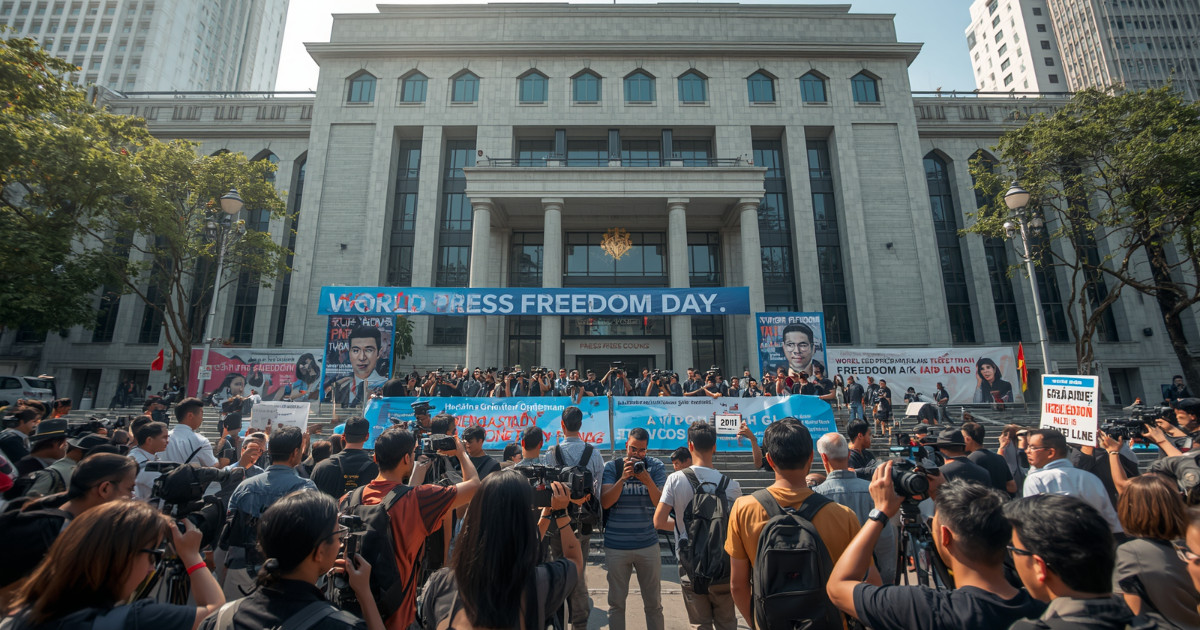
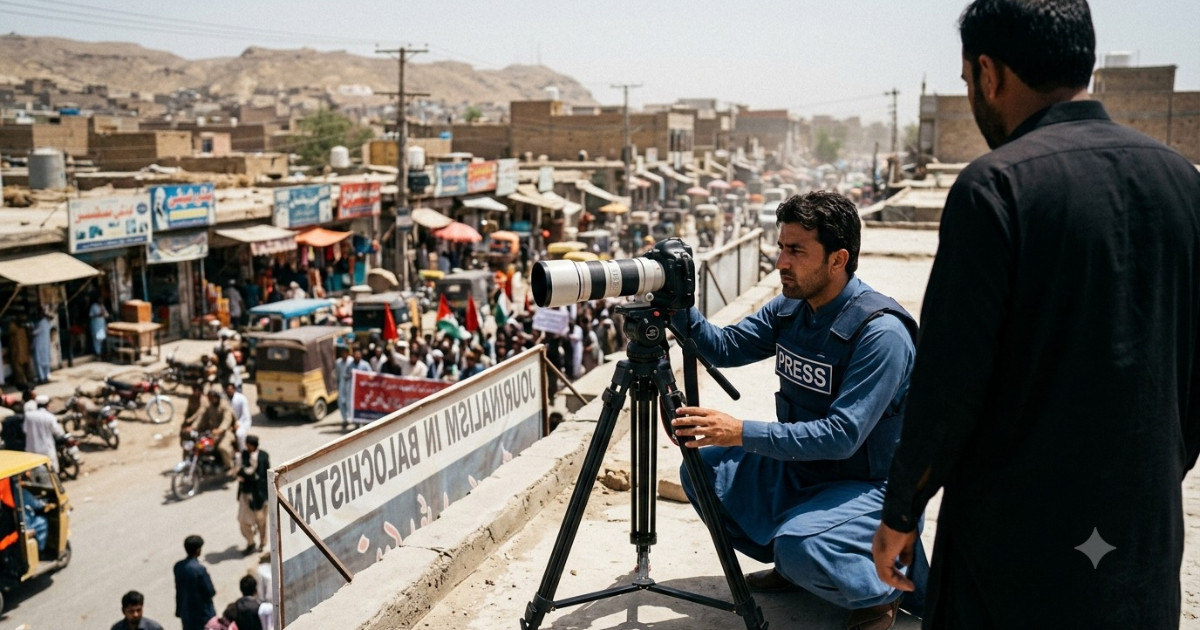
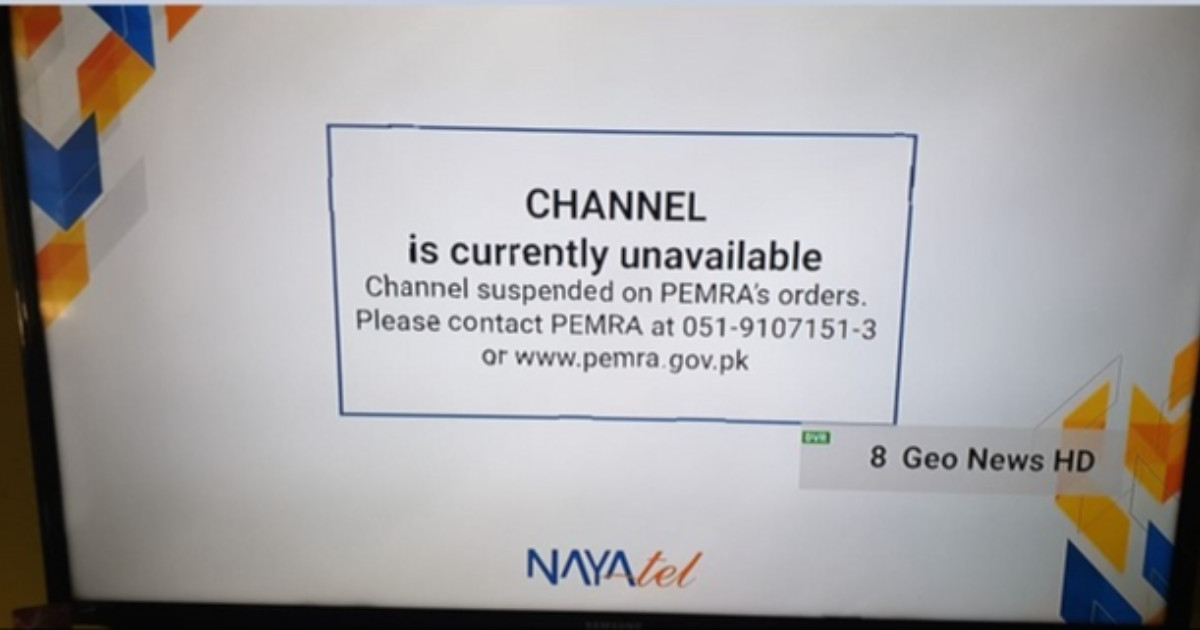
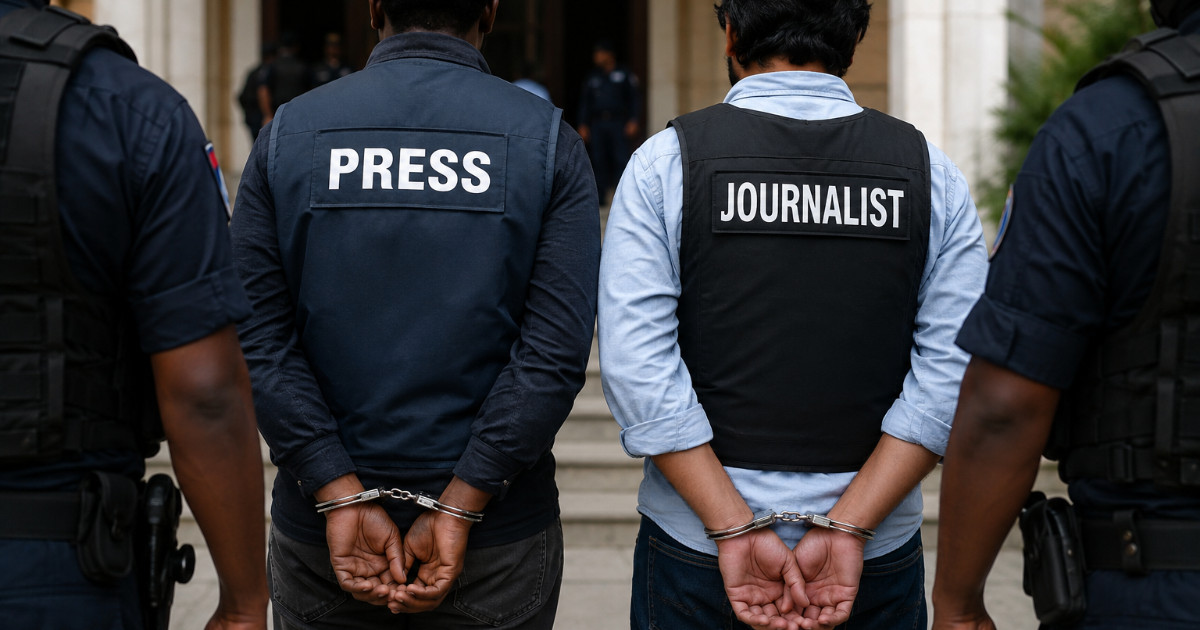
In several parts of Asia, journalists continue to face legal, regulatory, and political pressures that can affect reporting and editorial independence. Press freedom organizations have repeatedly highlighted concerns about arrests, lawsuits, censorship measures, surveillance, and restrictions on access to information.
While conditions vary significantly between countries, media advocates argue that independent journalism remains vulnerable where governments or powerful interests seek greater control over public information.
Economic sustainability under pressure
Financial sustainability remains another major concern for news organizations. Traditional advertising revenues have declined in many markets as digital platforms capture larger shares of online advertising spending.
In response, publishers have experimented with subscriptions, memberships, events, philanthropy, and other revenue models. However, many local and regional news organizations continue to face significant economic pressures, raising questions about the long-term sustainability of independent journalism.
Why the future of journalism matters
The challenges facing journalism extend beyond the media industry itself. Reliable reporting plays a critical role in informing citizens, holding institutions accountable, and supporting public debate.
As AI, misinformation, political pressure, and economic disruption continue to reshape the information landscape, the ability of news organizations to maintain credibility and independence will remain a central issue for societies across Asia and beyond.
ATTRIBUTION: Reporting by JournalismPakistan, based on publicly available research and reports from international press freedom organizations, media industry studies, and journalism research institutions reviewed on May 31, 2026.
PHOTO: By Khanh Nguyen on Unsplash
Key Points
- Artificial intelligence is being used for tasks like transcription, translation and content production, but raises accuracy and job concerns.
- Generative AI and deepfakes increase verification challenges and the spread of synthetic media.
- Economic pressures and declining revenue force staff cuts and threaten local reporting capacity.
- Political restrictions and censorship vary across countries, constraining independent journalism.
- Widespread misinformation erodes public trust, making fact-checking and transparency essential.
Key Questions & Answers
How is AI reshaping journalism?
AI helps with transcription, translation and research, but raises issues about accuracy, transparency, copyright and potential newsroom automation.
Why are deepfakes a concern?
Fabricated audio, images and video can spread quickly, complicating verification and undermining audience trust in legitimate reporting.
What are the main non-technical threats to journalism in Asia?
Economic strain, political restrictions, censorship and weakening business models are major non-technical challenges facing news organizations.
How can newsrooms respond to these threats?
Newsrooms can invest in verification, fact-checking, staff training, transparency and sustainable revenue strategies while advocating for press freedom.
Relevant Topics
Ask AI: Understand this story your way
AI EnabledDig deeper, ask anything — get instant context, background, and clarity.
Disclaimer: This feature is powered by AI and is intended to help readers explore and understand news stories more easily. While we strive for accuracy, AI-generated responses may occasionally be incomplete or reflect limitations in the underlying model. This feature does not represent the editorial views of JournalismPakistan. For our full, verified reporting, please refer to the original article.