
What doxxing means and why it matters in digital journalism
JournalismPakistan.com | Published: 10 May 2026 | JP Staff Report
Join our WhatsApp channel
Doxxing is the public sharing of someone's private information without consent, threatening journalists, activists and the public. Fueled by AI and viral campaigns, it raises urgent questions about platform accountability and press freedom in Pakistan.Summary
ISLAMABAD — Doxxing has become a growing concern in the digital age as journalists, activists, politicians, and ordinary social media users face increasing risks from online harassment campaigns. The term frequently appears in discussions about press freedom, digital safety, platform accountability, and political polarization, especially when personal information is exposed online without consent.
Recent global incidents involving reporters, election workers, and public figures have renewed debate about how digital platforms handle coordinated harassment and privacy violations. In Pakistan and across South Asia, concerns about online intimidation have also intensified as journalists and commentators report threats following political coverage or investigative reporting shared widely on social media platforms.
The rise of AI-powered search tools, data aggregation websites, and viral online campaigns has made personal information easier to locate and distribute. As a result, understanding doxxing has become important not only for journalists and media organizations but also for readers trying to understand the risks connected to digital speech and online reporting.
What doxxing means
Doxxing refers to the act of publicly revealing someone’s private or identifying information online without their permission, usually with the intent to intimidate, shame, threaten, or harass them. The term is derived from the word “documents” or “docs,” reflecting the practice of exposing personal records or details.
The information shared in doxxing campaigns can include home addresses, phone numbers, email accounts, workplace details, family information, financial records, or identification documents. In some cases, photographs, travel details, or social media activity are also circulated to encourage harassment by others.
Doxxing often happens through social media platforms, anonymous forums, messaging apps, or coordinated online networks. It may target journalists, whistleblowers, government officials, activists, academics, or private individuals involved in controversial public debates.
While some perpetrators claim they are promoting transparency or accountability, digital rights experts and press freedom groups generally classify doxxing as a form of online abuse because it can expose people to stalking, threats, reputational damage, or physical danger.
The practice differs from traditional investigative journalism because the information is usually published without public-interest safeguards, editorial oversight, or consent. News organizations typically follow ethical standards that limit the publication of sensitive personal information unless there is a compelling public interest.
Why it matters now
Doxxing has become more significant as public discourse increasingly moves online and as social media platforms amplify conflicts at high speed. A single post containing personal information can spread globally within minutes, making it difficult for victims to regain privacy or control over their safety.
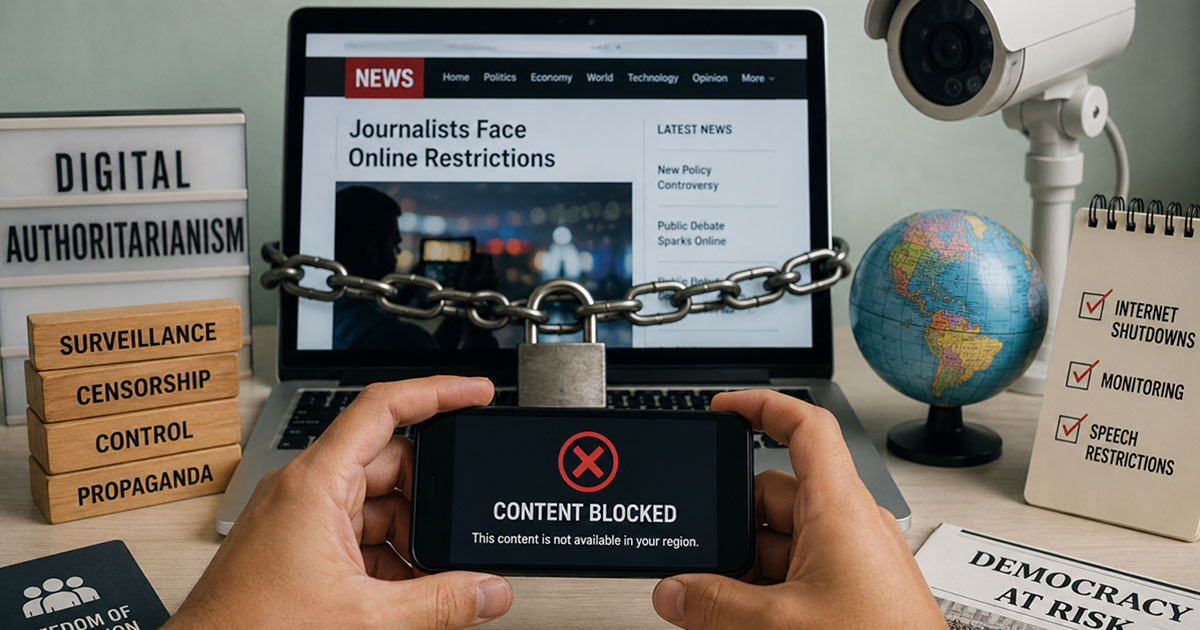
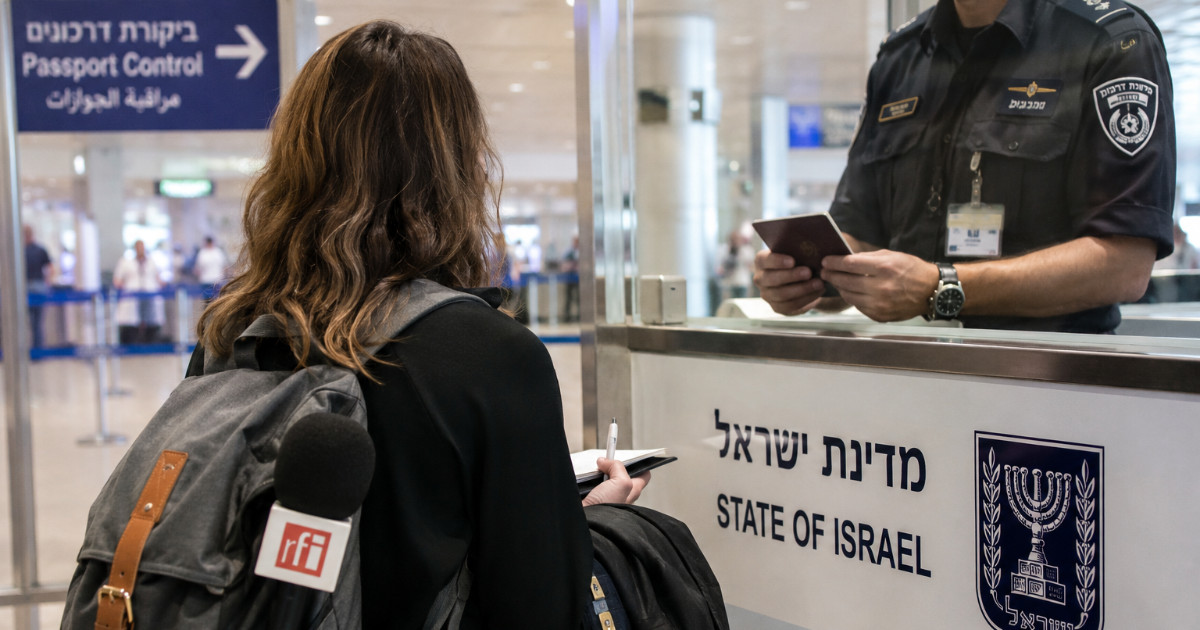
For journalists, the threat is particularly serious. Reporters covering politics, corruption, conflict, gender issues, or extremism are often targeted after publishing stories that attract strong reactions online. Press freedom organizations, including the Committee to Protect Journalists and Reporters Without Borders, have repeatedly warned that online harassment campaigns can silence reporting and discourage investigative journalism.
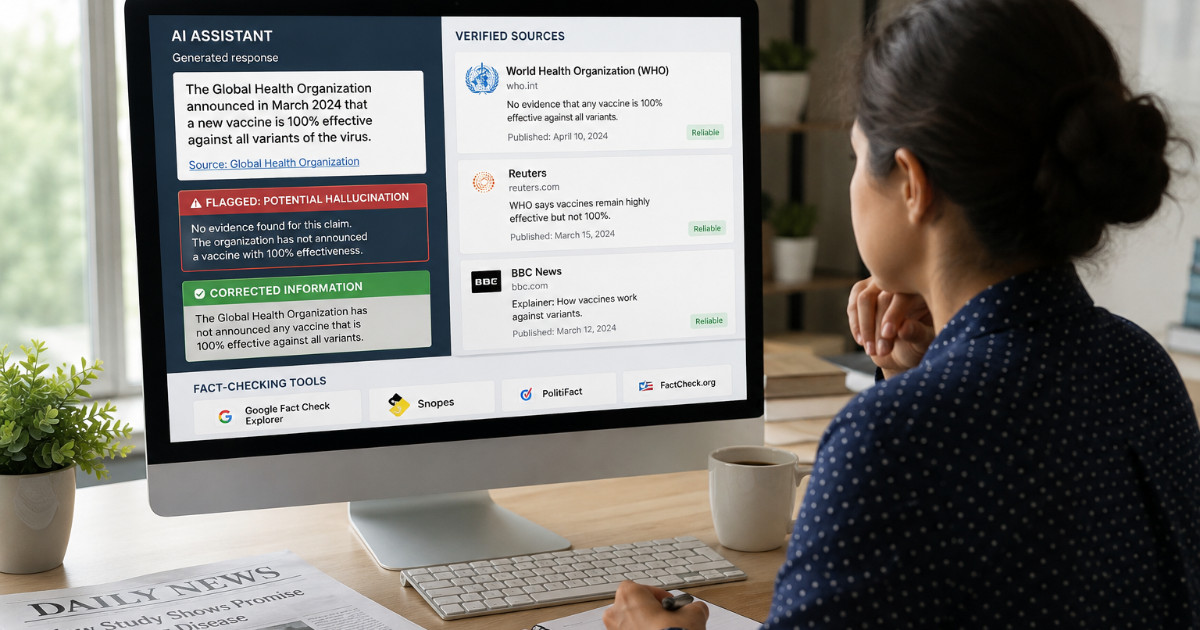
Technology companies have also faced pressure to improve enforcement against coordinated harassment and privacy violations. Platforms such as Meta, X, and TikTok have policies against sharing personal information, but enforcement remains inconsistent and often depends on the speed of moderation responses.
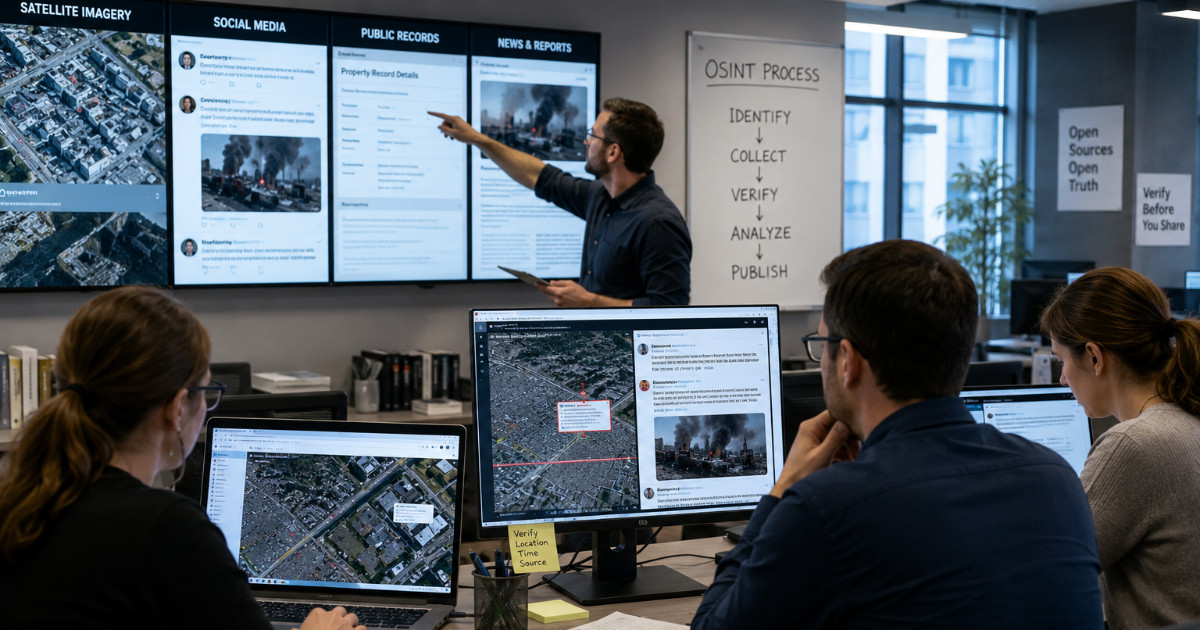
The issue has also gained attention because of advances in artificial intelligence and open-source intelligence tools. Public records, archived posts, facial recognition technology, and location metadata can now be combined rapidly to identify individuals. This has increased concerns among digital rights advocates about surveillance, privacy, and online security.
Governments and regulators are also responding. In some countries, lawmakers have proposed or adopted legislation targeting cyber harassment, unlawful data sharing, or online threats. Critics, however, caution that broad digital speech laws can sometimes be misused against journalists or political dissenters if safeguards for free expression are weak.
Real-world examples
Internationally, several high-profile cases have highlighted the dangers linked to doxxing. During political protests and election-related disputes in the United States, journalists and election officials reported that their personal details were circulated online, leading to threats and harassment. Female journalists in particular have frequently reported coordinated campaigns involving leaked phone numbers, addresses, or family information.
In Europe, concerns about online safety intensified after personal details of politicians, activists, and reporters were exposed through hacking and extremist online networks. European regulators and media organizations have since expanded digital security training for journalists covering sensitive subjects.
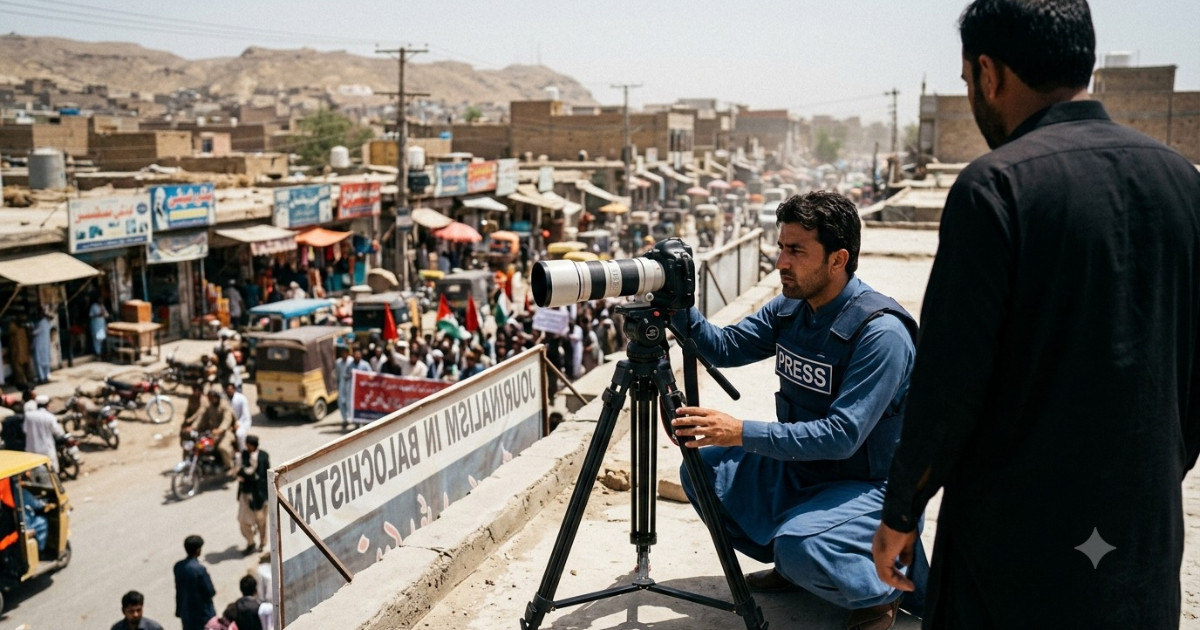
In South Asia, journalists and commentators have also reported online intimidation linked to political polarization and digital activism. In Pakistan, reporters active on social media have occasionally described coordinated harassment campaigns in which screenshots, contact details, or family information were circulated after critical reporting or commentary. Media rights organizations have repeatedly called for stronger protections for journalists facing online abuse.
In India, women journalists have reported being targeted through online platforms where manipulated images, personal information, and abusive content were distributed widely. Several digital rights groups in the region have warned that such campaigns create a chilling effect on public debate, especially for women and minority voices in the media.
Newsrooms have increasingly responded by introducing digital safety policies, cybersecurity training, and procedures for handling online threats. Some organizations now advise reporters to limit the amount of personal information publicly available online and to use stronger privacy protections across social media accounts.
Understanding doxxing helps readers better interpret how online pressure campaigns can influence journalism, political discussion, and public participation. As digital communication becomes more central to modern life, debates over privacy, platform responsibility, and freedom of expression are likely to remain closely connected to the issue. For journalists and audiences alike, recognizing how doxxing works is increasingly part of understanding the realities of the modern media environment.
ATTRIBUTION: Reporting by JournalismPakistan
PHOTO: AI-generated; for illustrative purposes
Key Points
- Definition: Public disclosure of private or identifying information without consent.
- Targets: Journalists, activists, politicians, election workers and ordinary users.
- Drivers: AI search tools, data aggregation sites and viral social media campaigns.
- Impacts: Harassment, threats, reputational harm and risks to press freedom.
- Responses: Platform accountability, legal remedies and improved digital safety practices.
Key Questions & Answers
What is doxxing?
Doxxing is the act of publicly revealing someone's private or identifying information online without their consent, usually to intimidate, harass or expose them.
Who is most at risk from doxxing?
Journalists, activists, political figures, election workers and ordinary social media users can all be targeted, especially after public reporting or viral posts.
How do perpetrators gather information for doxxing?
They use leaked databases, public records, data aggregation tools, social media scraping and increasingly AI-powered search to compile personal details.
How can journalists and users protect themselves?
Use strong privacy settings, separate professional and personal accounts, minimise shared personal data, follow digital hygiene, report incidents to platforms and seek legal help when needed.
Relevant Topics
Ask AI: Understand this story your way
AI EnabledDig deeper, ask anything — get instant context, background, and clarity.
Disclaimer: This feature is powered by AI and is intended to help readers explore and understand news stories more easily. While we strive for accuracy, AI-generated responses may occasionally be incomplete or reflect limitations in the underlying model. This feature does not represent the editorial views of JournalismPakistan. For our full, verified reporting, please refer to the original article.