.png)
Pentagon restrictions on reporters draw media backlash
JournalismPakistan.com | Published: 2 June 2026 | JP Global Monitoring
Join our WhatsApp channel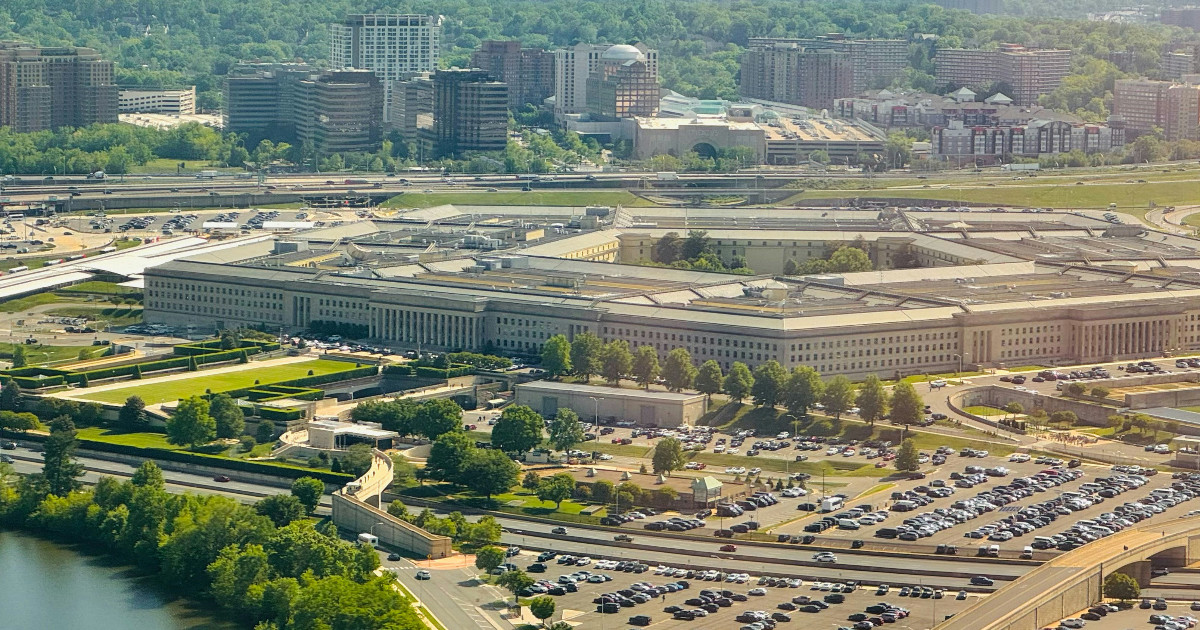
U.S. Defense Department rules now require official escorts for reporters entering areas of the Pentagon that were previously open to accredited journalists, prompting objections from press groups and major news outlets, raising concerns about transparency.Summary
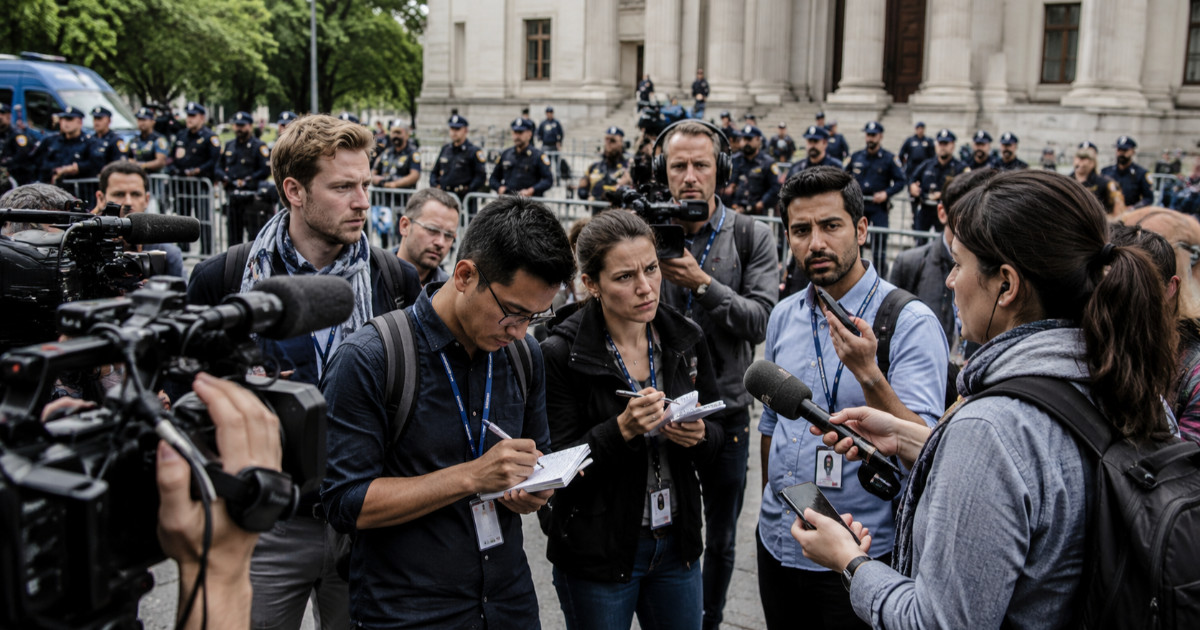
WASHINGTON—The U.S. Defense Department is facing criticism from press freedom advocates and major news organizations after introducing new restrictions that limit journalists’ access to parts of the Pentagon. The measures, announced in late May and drawing widespread attention on June 2, have prompted concerns that one of the world's most important government institutions is becoming less accessible to independent scrutiny.
The changes reportedly require journalists to obtain official escorts when entering certain areas of the Pentagon that were previously accessible to accredited reporters. News organizations and press freedom groups argue that the move could hinder routine reporting and reduce transparency surrounding defense and national security issues.
New access rules trigger objections
The restrictions have drawn objections from organizations representing Pentagon correspondents, which contend that the new procedures undermine long-established reporting practices. Critics say the measures could make it more difficult for journalists to cultivate sources, verify information, and independently observe government operations.
Several media organizations have argued that access to government institutions is a cornerstone of public accountability. Press freedom advocates warned that limiting access may create additional barriers to reporting on military policy, spending, procurement, and national security decisions that affect both domestic and international audiences.
Concerns over government transparency
The controversy comes amid broader debates about government transparency and media access in democratic countries. Journalists covering national security have increasingly reported challenges related to accreditation, information access, and restrictions on movement within official facilities.
While Pentagon officials have cited security considerations as a factor in the revised procedures, critics argue that security needs must be balanced against the public's right to receive information through independent journalism. Media advocates say the dispute highlights the continuing tension between government control of information and the press's watchdog role.
The issue has attracted attention beyond the United States because Pentagon reporting often informs international coverage of military operations, defense policy, alliances, and global security developments. Any reduction in journalistic access could have implications for how information reaches audiences worldwide.
WHY THIS MATTERS: Access restrictions inside government institutions can affect journalists' ability to independently verify information and hold public officials accountable. For media organizations, the dispute underscores the importance of maintaining transparent access arrangements and defending reporting rights even in democratic environments where formal press freedoms remain protected.
ATTRIBUTION: Reporting by JournalismPakistan, based on a publicly available report by Reuters and statements from Pentagon press corps organizations reported on June 2, 2026.
PHOTO: By Kevin Doyle on Unsplash
Key Points
- The Defense Department now requires official escorts for journalists in some Pentagon areas.
- Spaces that were previously accessible to accredited reporters are affected.
- Pentagon correspondents and press groups have formally objected to the changes.
- Critics say the rules could hinder source cultivation, independent observation, and verification.
- Advocates warn the measures may reduce transparency on defense and national security matters.
Key Questions & Answers
What change did the Defense Department announce?
It introduced access rules that require official escorts for journalists entering certain Pentagon areas that were previously open to accredited reporters.
Who is objecting to the new rules?
Pentagon correspondents, major news organizations and press freedom groups have raised objections and concerns.
Why are critics concerned?
They say the escort requirement could make it harder to cultivate sources, verify information and independently observe government operations, reducing transparency.
Could this affect reporting on national security?
Press groups warn the changes may create barriers to coverage of military policy, procurement, spending and other national security issues.
Relevant Topics
Ask AI: Understand this story your way
AI EnabledDig deeper, ask anything — get instant context, background, and clarity.
Disclaimer: This feature is powered by AI and is intended to help readers explore and understand news stories more easily. While we strive for accuracy, AI-generated responses may occasionally be incomplete or reflect limitations in the underlying model. This feature does not represent the editorial views of JournalismPakistan. For our full, verified reporting, please refer to the original article.