.jpg)
Press freedom review: AI disinformation adds to newsroom pressures
JournalismPakistan.com | Published: 17 May 2026 | JP News Desk
Join our WhatsApp channel
JournalismPakistan's Press Freedom Tracker documents rising legal intimidation, detentions and courtroom actions against journalists, including in Afghanistan and Pakistan, while layoffs, AI-fueled disinformation and newsroom cuts heighten economic pressure.Summary
Editor's note
This week’s JournalismPakistan Press Freedom Tracker reflects a deepening pattern of legal intimidation, detention threats, newsroom instability, and mounting pressure on journalists across Asia and beyond. Several entries point to the growing use of criminal complaints, contempt proceedings, national security laws, and terrorism-related accusations against journalists and media workers. At the same time, labor unrest and newsroom restructuring continued to expose the economic fragility of media organizations in multiple countries.
The Maldives, Pakistan, and Afghanistan featured prominently this week, with journalists facing detention, criminal charges, court action, and reporting restrictions. Developments in Hong Kong and Israel also underscored the increasingly international nature of legal pressure on the press. Meanwhile, newsroom layoffs, AI-related editorial concerns, and misinformation trends highlighted broader industry disruptions affecting journalism globally.
Arrests, detentions, and kidnappings
AFGHANISTAN — Taliban authorities detained at least three journalists, including staff members from TOLOnews and a Kabul-based news agency, on undisclosed charges, prompting concern from the United Nations and press freedom organizations over escalating intimidation and restrictions on independent media. (UN mission statements and press freedom groups, May 14, 2026)
Tags: Imprisonment /detention, Journalist safety, Legal pressure
Legal and regulatory pressure
PAKISTAN — A complaint seeking the registration of a terrorism-related FIR was filed against journalist Imtiaz Chandio after he criticized the Sindh Public Service Commission and alleged corruption in public-sector recruitment. Supporters and legal activists condemned the move as an attempt to suppress critical speech. (Publicly circulated complaint and social media posts, May 10, 2026)
Tags: Legal pressure, Journalist safety, Policy change
MALDIVES —The Prosecutor General’s Office filed criminal charges against two Adhadhu journalists linked to the documentary Aisha, prompting condemnation from the Maldives Journalists Association and international press freedom groups, which called for the charges to be withdrawn. (Edition.mv and Sun Online, May 11–12, 2026)
Tags: Legal pressure, Journalist safety, Policy change
HONG KONG — The Committee to Protect Journalists and U.S. lawmakers urged President Donald Trump to press Chinese President Xi Jinping for the release of jailed publisher Jimmy Lai, whose 20-year sentence under Hong Kong’s National Security Law has become a major international press freedom concern. (CPJ, May 12, 2026)
Tags: Legal pressure, Imprisonment/detention, Journalist safety
MALDIVES — Maldives Journalists Association Vice President Mohamed Shahzan was sentenced to 15 days in jail after questioning President Mohamed Muizzu, while journalist Leevan Mohamed received a 10-day sentence related to reporting on a court order, according to the Maldives Journalists Association. (MJA statement on X, May 12, 2026)
Tags: Legal pressure, Imprisonment/detention, Journalist safety
BANGLADESH — The High Court granted bail to journalists Farzana Rupa and Shakil Ahmed in multiple cases linked to the July 2024 uprising. However, lawyers said the couple may not be released immediately because several cases remain pending. (Dhaka Tribune, May 11, 2026)
Tags: Legal pressure, Imprisonment/detention, Journalist safety
PAKISTAN — Journalist Hammad Hassan said he was briefly detained by the National Cyber Crime Investigation Agency over a social media post alleging suspected surveillance activity near Islamabad’s Red Zone and Serena Hotel. He said officials informed him of an FIR before later releasing him, reportedly citing a misunderstanding. (Public video statement, May 2026)
Tags: Legal pressure, Journalist safety, Access restriction
ISRAEL — Israeli authorities announced plans to pursue defamation action against The New York Times and columnist Nicholas Kristof over reporting on alleged sexual abuse of Palestinian detainees, intensifying legal pressure linked to conflict coverage. (Reuters, May 14, 2026)
Tags: Legal pressure, Policy change, Journalist safety
MALDIVES — Journalists Mohamed Shahuzan and Leevan Ali Naseer were jailed on contempt charges linked to documentary-related reporting and a press conference question, prompting a United Nations human rights submission alleging violations of fair trial rights and press freedom protections. (Viraasee, May 16, 2026)
Tags: Imprisonment / detention, Legal pressure, Journalist safety
Digital rights and online censorship
No confirmed entries this week.
Attacks, threats, harassment, and killings
No confirmed entries this week.
Economic pressure and economic viability
No confirmed entries this week.
Access to information and reporting restrictions
PAKISTAN — Journalists covering the Supreme Court of Pakistan announced a boycott of the Supreme Court Bar Association after receiving a seven-day notice to vacate the court press room, calling the move an attack on press freedom and access to judicial proceedings. (Press Association of Supreme Court statement, May 13, 2026)
Tags: Access restriction, Policy change, Journalist safety
Censorship and digital restrictions
No confirmed entries this week.
Policy and court developments
No confirmed entries this week.
Media labor and union activity
PAKISTAN — Federal authorities suspended government advertising to Suno News Television following layoffs affecting more than 160 employees, with Information Minister Attaullah Tarar urging negotiations over unpaid worker dues and calling on provincial governments to halt advertising support as well. (JournalismPakistan, based on public statements by the Information Minister, May 11, 2026)
Tags: Economic pressure, Media labor, Industry disruption
PAKISTAN — Journalists and media workers in Khyber Pakhtunkhwa staged protests across multiple districts, demanding payment of unpaid salaries, an end to forced dismissals, and protection of employment rights, while criticizing legal pressure and alleged harassment under media-related laws. (JournalismPakistan, May 15, 2026)
Tags: Media labor, Economic pressure, Legal pressure
Media operations and industry pressures
UNITED STATES — The New York Times issued renewed warnings to freelance contributors, banning AI-generated or AI-edited material in editorial submissions following controversies involving alleged AI-assisted plagiarism and fabricated content. (Futurism, May 12, 2026)
Tags: Policy change, Industry disruption, Media labor
INDIA — A fabricated front page falsely attributed to The Hindu circulated widely on social media, prompting concern among journalists and fact-checkers about AI-assisted misinformation, manipulated archival content, and misuse of trusted media branding in political discourse. (Newschecker, May 2026)
Tags: Digital misinformation, Industry disruption, Policy change
HUNGARY — Hungary’s new government has begun dismantling the pro-government media structure built during Viktor Orbán’s tenure, including reported executive removals at KESMA-linked outlets and growing demands within state media for editorial independence. (Reuters, May 15, 2026)
Tags: Policy change, Industry disruption, Media labor
UNITED STATES — The Associated Press laid off 20 union-covered newsroom employees across multiple editorial divisions, while the AP Guild criticized management over outsourcing video production work to India and raised concerns about newsroom restructuring. (Associated Press, May 15, 2026; AP Guild statement, May 15, 2026)
Tags: Economic pressure, Media labor, Industry disruption
Press freedom review
This week’s developments reveal a continuing convergence of legal intimidation, economic instability, and political pressure targeting journalists and media organizations. South Asia remained a major focal point, particularly the Maldives and Pakistan, where journalists faced criminal proceedings, detention threats, and institutional restrictions tied to reporting and public criticism.
The repeated use of contempt charges, terrorism-related complaints, and national security frameworks against journalists reflects a widening trend in which legal systems are increasingly used to discourage scrutiny and dissent. In Afghanistan, detentions by Taliban authorities reinforced ongoing concerns about the near-collapse of independent journalism under the current regime.
At the same time, newsroom layoffs and labor unrest in Pakistan and the United States illustrated the growing economic pressures confronting media institutions. AI-related editorial controversies in the United States and disinformation involving manipulated media branding in India further highlighted the evolving challenges posed by artificial intelligence and digital disinformation.
Global context
Globally, press freedom conditions continue to deteriorate amid rising political polarization, conflict-related reporting pressures, and economic strain within the media industry. Governments and public institutions in multiple regions are increasingly relying on criminal laws, regulatory mechanisms, and administrative actions to challenge or constrain journalistic work.
The growing intersection of artificial intelligence, disinformation, and editorial integrity also emerged as a defining issue this week, with media organizations tightening internal standards while journalists and fact-checkers warned about the rapid spread of fabricated content. Meanwhile, labor tensions and newsroom restructuring reflected the broader financial instability affecting journalism worldwide.
Taken together, this week’s incidents demonstrate how threats to press freedom are no longer confined to censorship alone, but increasingly involve legal risk, digital manipulation, economic vulnerability, and institutional pressure across democratic and authoritarian settings alike.
For additional context, readers can review last week’s Tracker.
ATTRIBUTION: Compiled by JournalismPakistan
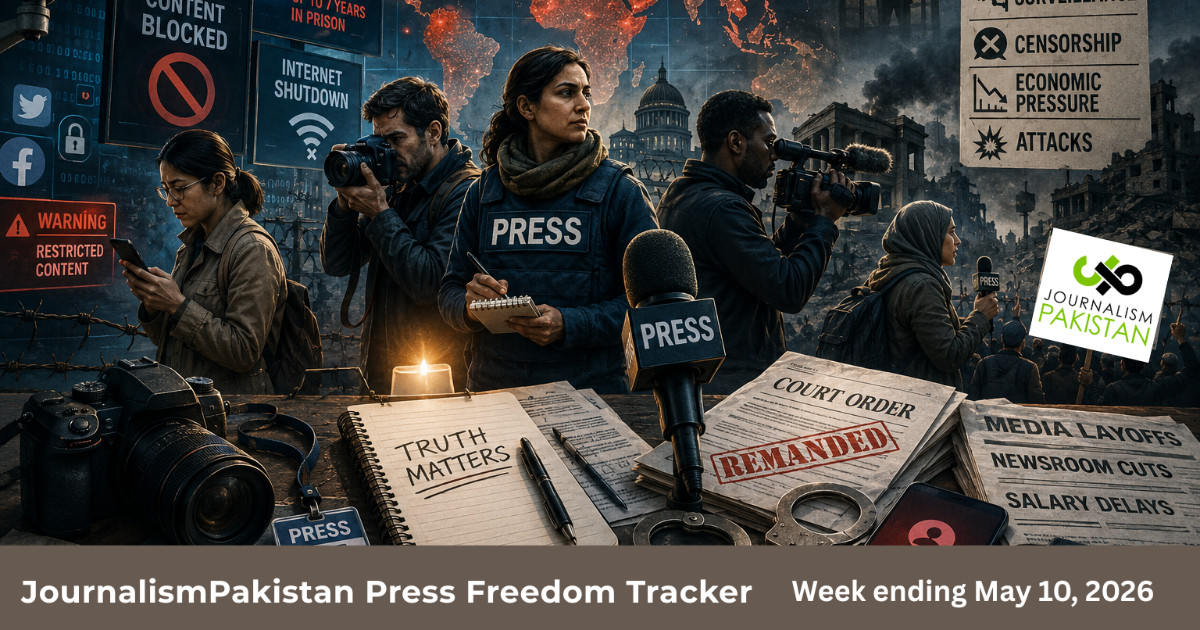
PHOTO: AI-generated; for illustrative purposes
Key Points
- Legal intimidation, including terrorism and contempt complaints, is increasingly used against journalists.
- Detentions and threats reported in Afghanistan, Pakistan and the Maldives, drawing concern from UN and rights groups.
- International legal pressure is also visible in places such as Hong Kong and Israel.
- Newsroom layoffs and restructuring expose economic fragility and undermine editorial independence.
- AI-fueled disinformation and editorial concerns add new operational and credibility pressures for newsrooms.
Key Questions & Answers
What are the main findings of the Press Freedom Tracker?
The Tracker reports rising legal intimidation, detention threats, and courtroom actions against journalists, along with economic pressures from layoffs and newsroom restructuring.
Which countries are highlighted in this week's review?
The review highlights cases in Afghanistan, Pakistan, and the Maldives, and also notes legal pressure in Hong Kong and Israel.
How does AI factor into the pressures on newsrooms?
AI-fueled disinformation and editorial concerns are increasing misinformation risks and complicating news verification and newsroom workflows.
What combined effects are these developments having on the media?
Legal actions, detentions, and economic instability are weakening journalist safety and media independence while increasing operational and credibility challenges.
Relevant Topics
Ask AI: Understand this story your way
AI EnabledDig deeper, ask anything — get instant context, background, and clarity.
Disclaimer: This feature is powered by AI and is intended to help readers explore and understand news stories more easily. While we strive for accuracy, AI-generated responses may occasionally be incomplete or reflect limitations in the underlying model. This feature does not represent the editorial views of JournalismPakistan. For our full, verified reporting, please refer to the original article.