
Journalist Muhammad Saad released after weeks in custody
JournalismPakistan.com | Published: 23 May 2026 | JP Staff Report
Join our WhatsApp channel
Muhammad Saad bin Riaz, a Pakistani journalist and YouTuber, was released after weeks in custody in a counterterrorism case that alleged links to al-Qaeda recruitment. He thanked colleagues and supporters but declined to comment on the ongoing legal proceedings.Summary
LAHORE — Pakistani journalist and YouTuber Muhammad Saad bin Riaz has been released after spending several weeks in custody following his arrest in a controversial counterterrorism case that drew concern from journalists, digital rights advocates, and members of Pakistan’s media community.
Saad confirmed his release in a series of posts on X on Saturday, saying he had returned home and thanking journalists, activists, friends, and family members who publicly supported him during the case. He did not provide details about the legal proceedings or the terms of his release, stating that he would not discuss the ongoing case.
Journalist confirms return home after detention
“Alhamdulilah I'm back home,” Saad wrote, reflecting on the experience and acknowledging the support he received from colleagues and supporters in Pakistan and abroad. He specifically thanked several journalists, activists, and associates, including Pakistani journalists who had publicly supported him and his family during his detention.
He also praised his wife and family for what he described as their resilience throughout the ordeal. “It was the power of their love that shook everything in our favour,” he wrote, adding that he would take a break from social media for some time.
Saad’s arrest became a high-profile case after Punjab’s Counter Terrorism Department (CTD) announced on May 2 that it had detained him on allegations linked to recruitment activities for the banned militant organization al-Qaeda. According to the CTD’s First Information Report, officials claimed Saad was arrested near Lahore’s Mazang area during an intelligence-led operation and was allegedly found carrying books related to Osama bin Laden and material associated with a proscribed organization.
The family had disputed the official account
The official account was immediately challenged by Saad’s family and associates, who alleged that masked men had taken him from his residence during a late-night raid days earlier. His wife, Ayesha Qayyum, publicly disputed the CTD narrative, calling the accusations baseless, while associates claimed the arrest did not occur at the location stated in the FIR.
The case triggered debate among journalists and rights observers over due process, transparency, and the use of anti-terror laws in cases involving digital media figures. Several Pakistani journalists and commentators publicly demanded clarity regarding the arrest circumstances and legal proceedings.
No court judgment or detailed official explanation regarding Saad’s release had been publicly issued as of Friday night. Authorities also had not publicly commented on whether charges against him remain active or whether further proceedings are expected.
Case drew attention from the media community
The case became a significant talking point within Pakistan’s journalist community because Saad was associated with digital media and online commentary through the YouTube platform Eon News. Media observers noted that the incident highlighted the increasingly complex intersection of national security laws, online journalism, and digital expression in Pakistan.
The Committee to Protect Journalists and several local journalists had previously raised concerns about the implications of the arrest, particularly given the conflicting narratives surrounding how Saad was detained and the absence of independently verified public evidence at the time.
Saad’s release is likely to renew discussion about procedural transparency and legal protections for journalists and digital content creators operating in sensitive political and security environments.
WHY THIS MATTERS: The release of Muhammad Saad underscores the growing scrutiny surrounding the use of counterterrorism laws in cases involving journalists and digital media figures in Pakistan. For media professionals, the case reflects broader concerns about due process, transparency in arrests, and the legal vulnerabilities faced by independent online journalists and commentators. It also highlights how social media campaigns and professional solidarity increasingly shape public attention around journalist detentions.
ATTRIBUTION: Reporting by JournalismPakistan, based on publicly available statements by Muhammad Saad on X (May 22, 2026), previous CTD statements reported on May 2, 2026, and publicly available comments from family members and journalists.
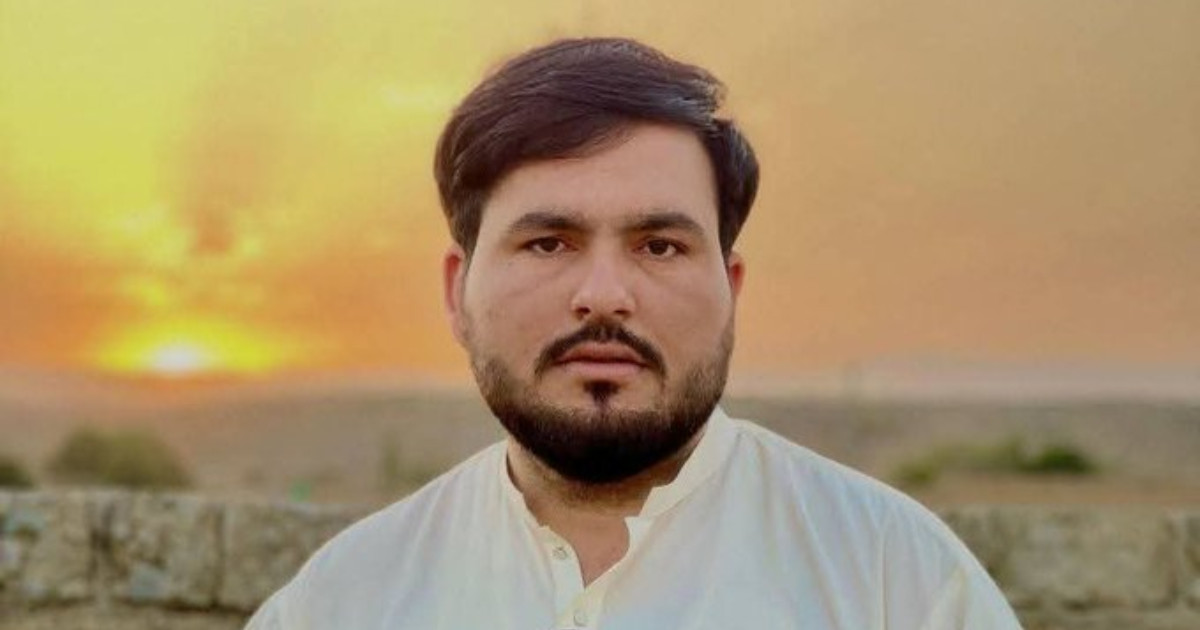
PHOTO: Muhammad Saad bin Riaz (via X)
Key Points
- Muhammad Saad bin Riaz was released after several weeks in custody.
- Punjab's Counter Terrorism Department arrested him in a case alleging recruitment ties to al-Qaeda.
- Saad publicly thanked journalists, activists, friends and family for their support.
- He said he would not discuss the ongoing legal proceedings and plans a break from social media.
- The case attracted concern from journalists, digital rights advocates and Pakistan's media community.
Key Questions & Answers
Why was Muhammad Saad arrested?
He was detained by Punjab's Counter Terrorism Department in a case alleging recruitment activities linked to the banned group al-Qaeda.
Has he been released?
Yes. Saad confirmed on social media that he has returned home after several weeks in custody.
Did he comment on the legal case?
He thanked supporters but said he would not discuss the ongoing case or provide details about the legal proceedings.
How did the media community respond?
Journalists, digital rights advocates and other members of the media publicly expressed concern and offered support during his detention.
Relevant Topics
Ask AI: Understand this story your way
AI EnabledDig deeper, ask anything — get instant context, background, and clarity.
Disclaimer: This feature is powered by AI and is intended to help readers explore and understand news stories more easily. While we strive for accuracy, AI-generated responses may occasionally be incomplete or reflect limitations in the underlying model. This feature does not represent the editorial views of JournalismPakistan. For our full, verified reporting, please refer to the original article.