
The JournalismPakistan Global Media Brief | Edition 22 | May 29, 2026
JournalismPakistan.com | Published: 29 May 2026 | JP News Desk
Join our WhatsApp channel
Edition 22 reviews how media face AI disruption, economic strain and threats to press freedom. It spotlights Pakistan stories: a journalist released after a terror arrest, calls to bolster women reporters' safety, and protests over parliamentary access.Summary
Editor's note
Welcome to the 22nd edition of the JournalismPakistan Global Media Brief. This week's developments reflect a media industry navigating rapid technological disruption, economic pressure, and growing challenges to press freedom. From newsroom adaptation to artificial intelligence and shifting audience behaviors to concerns over journalist safety, media sustainability, and regulatory controls, the stories in this edition highlight how journalism continues to evolve in a changing global information environment.
Asia media watch
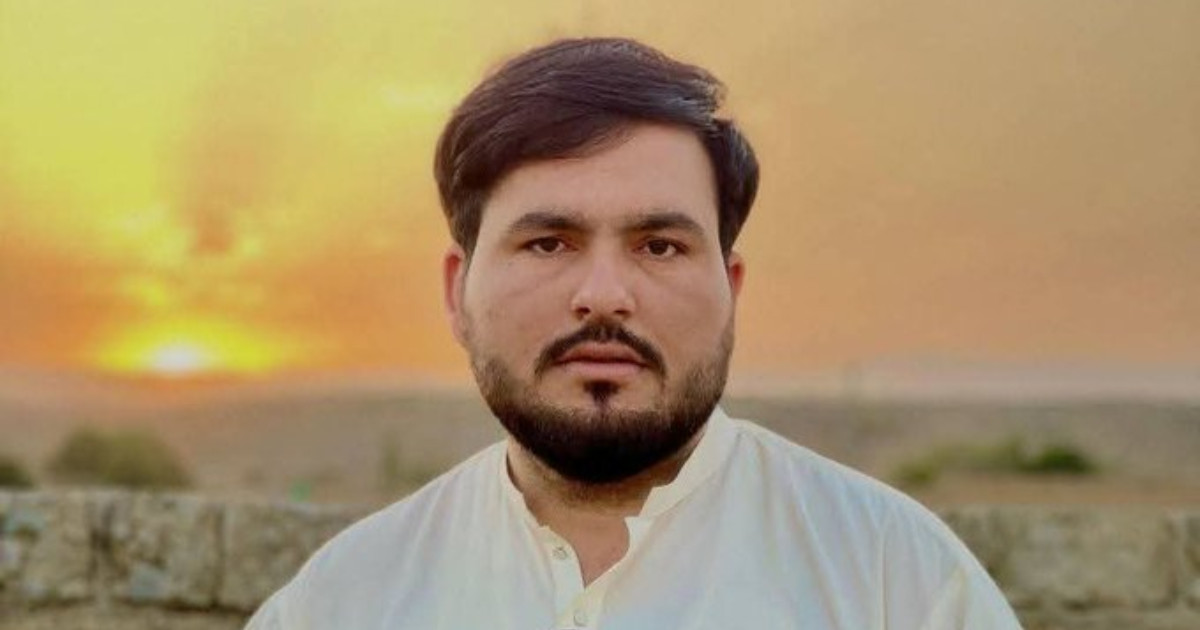
Pakistan journalist released after terror case — Pakistani journalist and YouTuber Muhammad Saad bin Riaz was released weeks after his arrest by Punjab’s Counter Terrorism Department on allegations linked to al-Qaeda recruitment. The case sparked concern among journalists and digital rights observers over due process and the use of anti-terror laws against media figures. (JournalismPakistan/Public statements on X, May 22, 2026)
Pakistan expands debate on women journalist safety — Journalists, editors, and rights advocates at the Second Women Journalists Convention in Islamabad called for newsroom safety reforms, stronger anti-harassment mechanisms, digital security training, and expanded protections for women media professionals amid growing concerns about online abuse and workplace intimidation. (JournalismPakistan, May 23, 2026)
Pakistan reporters protest Parliament coverage restriction — Pakistani journalists staged a protest walkout from the Parliament press gallery after claims emerged that a reporter was barred from parliamentary coverage by his organization following a question directed at PPP Chairman Bilawal Bhutto Zardari. The incident intensified concerns about media access and tolerance for critical reporting in Pakistan. (YouTube statement by Sanaullah Khan, May 23, 2026)
Middle East media
Iran expands controls on foreign-linked media — Iran introduced new restrictions limiting the redistribution of content to foreign Persian-language broadcasters, including BBC Persian and Iran International. The move deepened concerns about information controls, cross-border journalism, and access to independent reporting during a period of heightened regional tensions. (The Associated Press, May 27, 2026)
Media business and sustainability
James Murdoch acquires New York magazine assets — Media investor James Murdoch has acquired New York magazine and Vox Media’s podcast and digital divisions in a deal reportedly worth more than $300 million. The transaction reflects ongoing consolidation in U.S. digital media and raises questions about editorial independence and the future of mid-sized publishers. (Industry reports, May 2026)
Pakistan TV channels face Eid salary criticism — Pakistan’s Parliamentary Reporters Association criticized several television news channels over delayed April salaries, unpaid advances before Eid al-Adha, and continued layoffs. The association said the situation reflects worsening financial strain and labor tensions within the broadcast media sector and urged authorities to consider suspending government advertising to channels that fail to pay employees on time. (PRA statement, May 26, 2026)
CBS reshapes 60 Minutes leadership — CBS has appointed filmmaker and former New York Times technology columnist Nick Bilton as executive producer of 60 Minutes while several high-profile journalists have exited the program. The changes have fueled debate about editorial independence and the future direction of one of television journalism’s most influential brands. (Reuters, May 28, 2026)
Platforms and technology
N3Con 2026 wraps in Bangkok — Participants at the regional journalism conference highlighted artificial intelligence as a fundamental newsroom infrastructure shift, underscoring growing concerns about misinformation, verification burdens, and media sustainability across Asia. (N3Con official program summary, May 23, 2026)
GEO gains publisher attention — Publishers and digital media companies are increasingly exploring Generative Engine Optimization (GEO) as AI-powered search summaries and chatbot responses reshape how audiences discover journalism online. The trend is encouraging greater emphasis on explainers, structured reporting, and direct audience engagement. (JournalismPakistan analysis, May 26, 2026)
Journalism websites adapt to AI search shift — News publishers are redesigning audience and revenue strategies as AI-generated search summaries reduce referral traffic. Media organizations are increasingly focusing on subscriptions, newsletters, direct engagement, and AI licensing partnerships amid growing sustainability concerns. (JournalismPakistan analysis, May 26, 2026)
X loses value as a publisher traffic source — Media organizations are reporting significant declines in referral traffic from X as algorithm changes, reduced link visibility, and creator-focused recommendations weaken the platform’s role in directing readers to news websites. The shift is accelerating efforts to build subscription-based and direct audience models. (JournalismPakistan analysis, May 27, 2026)
Reuters NEXT Asia to examine AI and trusted journalism — Reuters announced that its Reuters NEXT Asia summit will return to Singapore in July 2026, bringing together media leaders, policymakers, and technology executives to discuss artificial intelligence, geopolitics, misinformation, and the future of trusted information. (Reuters, May 28, 2026)
Press freedom and journalist safety
Philippine radio journalist shot dead — Radio reporter Nestor Micator was killed by unidentified gunmen in Cotabato province, prompting the Committee to Protect Journalists to renew calls for stronger action against impunity in media killings in the Philippines, where unresolved attacks on journalists remain a persistent concern. (CPJ, May 27, 2026)
Press freedom incidents are reported in detail in the JP Press Freedom Tracker, published every Sunday. Please see the latest Tracker. The next edition will be published on June 7, 2026.
WHY THIS MATTERS: The developments highlighted in this edition point to three defining trends shaping journalism worldwide. First, artificial intelligence is rapidly transforming how news is produced, distributed, and discovered, forcing publishers to rethink audience and revenue strategies. Second, economic pressures continue to challenge newsroom sustainability, resulting in restructuring, consolidation, and growing labor concerns across the industry. Third, press freedom remains under strain in many regions, with journalists facing legal pressure, violence, restrictions on access, and increasing barriers to independent reporting. Together, these trends underscore the urgent need for resilient, innovative, and independent journalism capable of serving the public interest in an increasingly complex information environment.
ATTRIBUTION: Compiled by JournalismPakistan
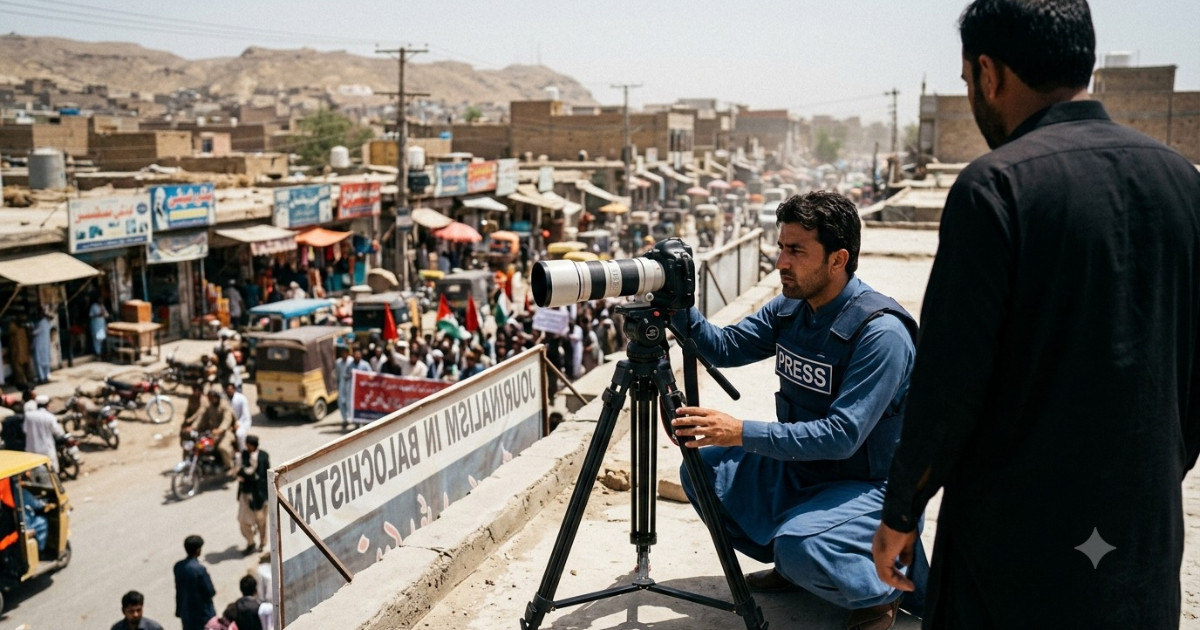
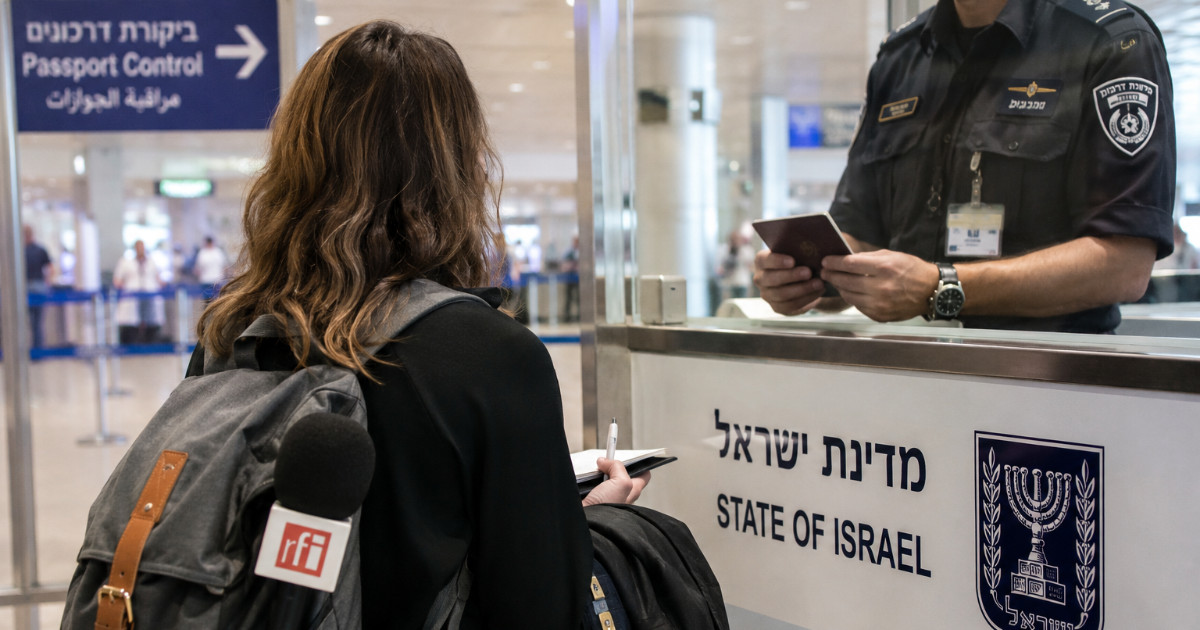
PHOTO: AI-generated; for illustrative purposes only.
Key Points
- Edition 22 highlights technological disruption from AI and economic pressures facing news organisations globally.
- Press freedom and journalist safety are central concerns, with specific incidents reported from Pakistan.
- A Pakistani YouTuber and journalist was released after an arrest linked to a counterterrorism case, raising due-process questions.
- The Second Women Journalists Convention urged stronger newsroom safety, anti-harassment measures and digital security training.
- Journalists protested restrictions on parliamentary coverage, signalling tensions over access and media transparency.
Key Questions & Answers
What is the JournalismPakistan Global Media Brief?
The Brief is a weekly roundup that highlights major developments, trends and challenges affecting media and journalism, both globally and in the Asia region.
Why does this edition focus on Pakistan?
Recent incidents in Pakistan - including a high-profile journalist arrest and release, safety concerns for women reporters, and protests over coverage access - reflect broader media freedom issues worth tracking.
What practical steps are recommended for improving journalist safety?
Experts and participants recommend stronger newsroom policies, anti-harassment mechanisms, digital security training, legal support and improved institutional protections for vulnerable journalists.
How can readers follow updates from JournalismPakistan?
Readers can follow JournalismPakistan's regular briefs and public statements on its website and social channels for ongoing coverage and official updates.
Relevant Topics
Ask AI: Understand this story your way
AI EnabledDig deeper, ask anything — get instant context, background, and clarity.
Disclaimer: This feature is powered by AI and is intended to help readers explore and understand news stories more easily. While we strive for accuracy, AI-generated responses may occasionally be incomplete or reflect limitations in the underlying model. This feature does not represent the editorial views of JournalismPakistan. For our full, verified reporting, please refer to the original article.