
Social platforms struggle with surge in unverified Middle East war clips
JournalismPakistan.com | Published: 4 March 2026 | JP Global Monitoring
Join our WhatsApp channel
As the Middle East conflict drives global attention, social platforms are inundated with misleading, recycled, or AI-manipulated videos claiming to show strikes and civilian impacts; fact‑checkers say many clips are unrelated, outdated, or digitally altered.Summary
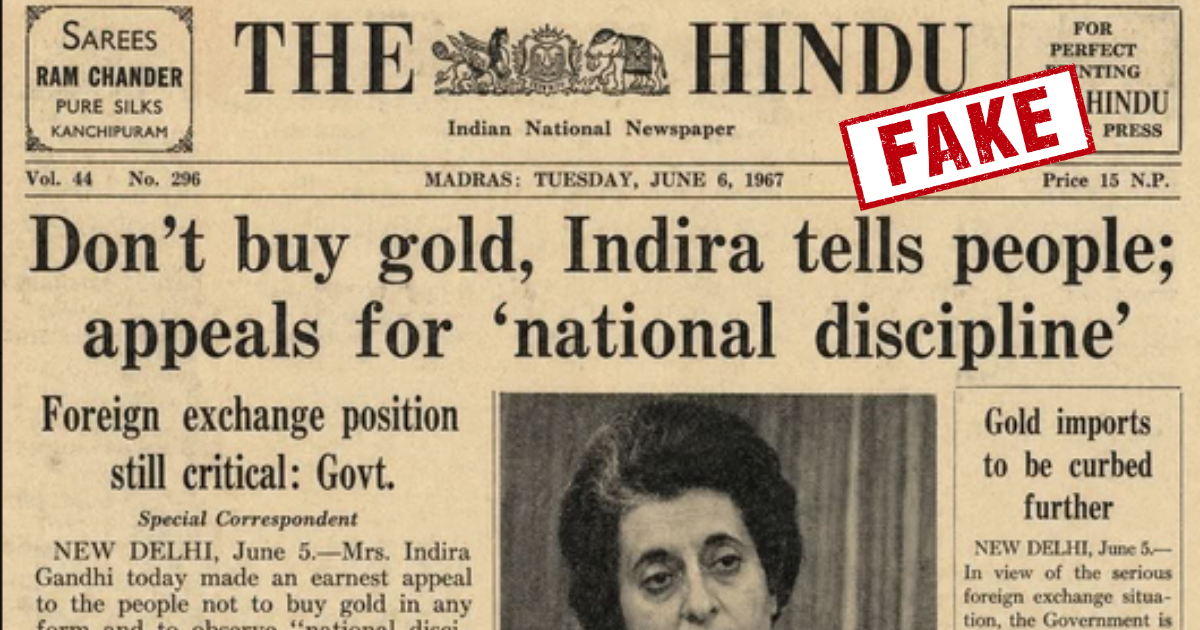
DUBAI — As military strikes and missile attacks linked to the ongoing Middle East conflict dominate global news cycles, social media platforms are contending with a sharp rise in misleading or unverified images and video clips purporting to show battlefield scenes, explosions, or civilian reactions.
Fact‑checking units across the region and beyond have documented a wave of recycled footage, outdated visuals, and AI‑generated content circulating widely on platforms including X and Facebook.
Platforms under scrutiny for moderation gaps
Social media posts claiming to show Iranian missile strikes, explosions in Dubai, or attacks on U.S. and Israeli forces have been repeatedly debunked by independent fact‑checkers, who say many clips are unrelated to current events, recycled from past conflicts, or digitally altered using artificial intelligence tools. At least one misinformation example tracked by Press Trust of India’s Fact Check involved an AI‑generated video falsely claiming an Iranian attack on Dubai that amassed hundreds of millions of views before verification.
Fact‑checkers are warning users to exercise skepticism and verify content against credible news reporting, noting that dramatic visuals, even if fabricated, are easily shared and can significantly distort public perception. Social platforms’ moderation responses have varied, with some clips remaining live long enough to accrue millions of views before corrections were issued.
X has announced that creators who post AI-generated videos depicting armed conflicts without clearly disclosing their artificial origin will face a 90-day suspension from the platform’s revenue-sharing program. The policy is designed to protect the authenticity of content on X, curb the spread of misleading or manipulated visuals, and ensure that audiences can distinguish between genuine reporting and synthetic media.
Government warnings and legal measures
Beyond platform‑level challenges, regional authorities have also moved to counter misinformation. In the United Arab Emirates, officials warned that sharing or reposting unverified war‑related footage online could lead to criminal prosecution under federal law, reflecting heightened concern about the societal impact of false reporting during wartime. UAE prosecutors have urged reliance on official sources and cautioned the public against circulating rumours or fabricated visuals.
Similarly, defense agencies such as the Philippine Department of National Defense have publicly cautioned citizens against spreading AI‑generated content that misrepresents the Middle East situation and could cause unnecessary panic, even where no direct threat to their territory exists.
Increased fact‑checking and verification efforts
Journalists and independent fact‑checkers are intensifying efforts to flag and correct misinformation. These initiatives include reverse image searches, metadata analysis, and comparison with verified reporting from credible outlets. The trend highlights a broader challenge facing digital news ecosystems: balancing rapid access to information with the need for accuracy amid complex geopolitical events.
WHY THIS MATTERS: For Pakistani journalists and media organizations, the current surge of unverified conflict content highlights the importance of strong verification practices and digital literacy. As misleading visuals gain traction internationally, newsroom fact‑checking units and editorial standards must adapt to counter AI‑enhanced and recycled media that can sway audience perceptions. Robust sourcing and clear audience guidance are essential for maintaining credibility.
ATTRIBUTION: Based on reporting by The Associated Press (March 4, 2026) and Press Trust of India Fact Check (March 3, 2026).
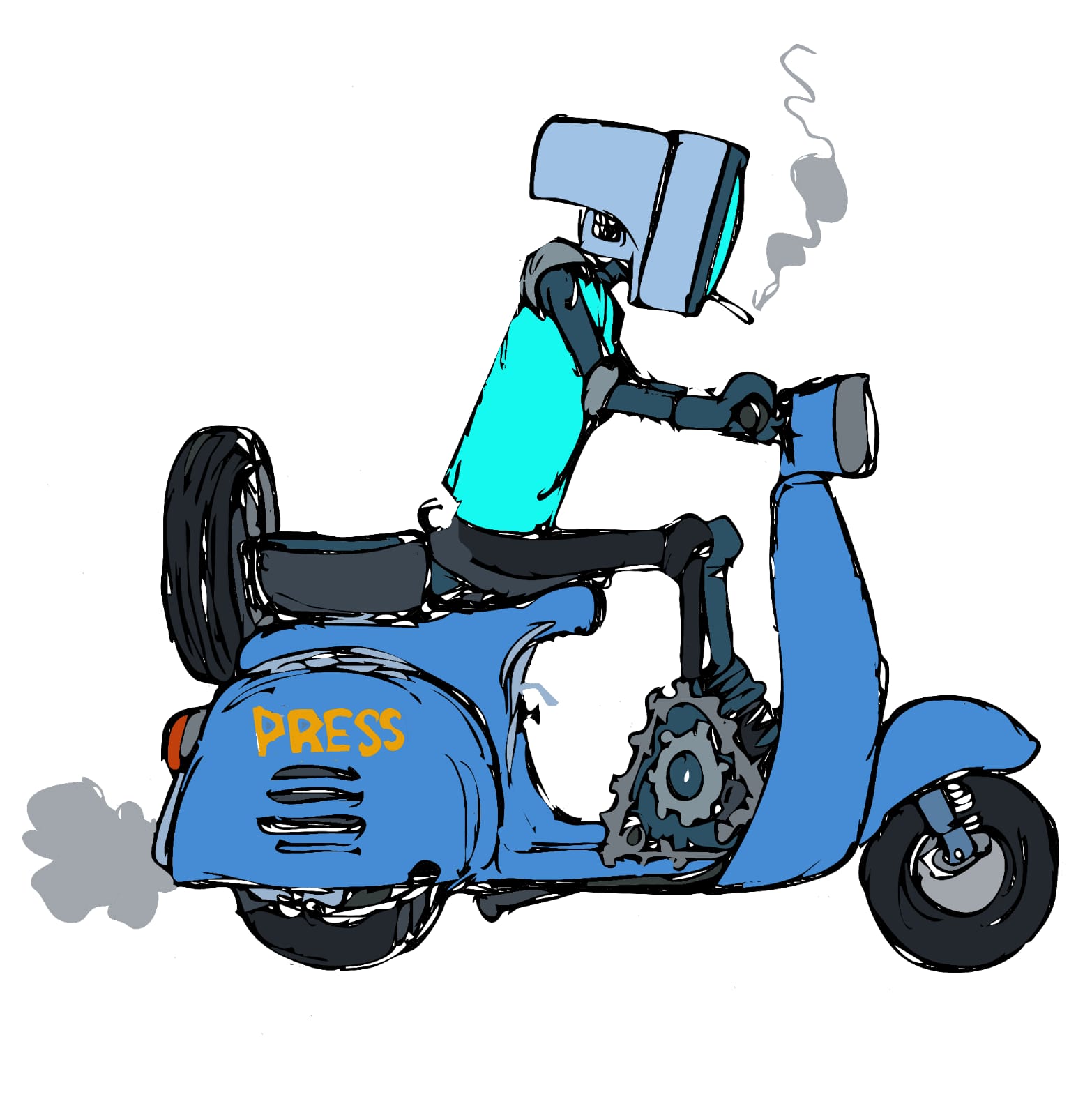
PHOTO: AI‑generated; for illustrative purposes only.
Key Points
- Fact‑checkers report a sharp rise in recycled, outdated, or AI‑generated clips purporting to show battlefield scenes.
- Many viral videos were debunked as unrelated to current events or digitally altered.
- Platforms including X and Facebook have shown uneven moderation; some clips accrued millions of views before correction.
- X has announced requirements for clear disclosure of AI-created conflict videos, but enforcement varies.
- Fact‑checkers urge users to verify with credible news reporting and exercise skepticism toward dramatic visuals.
Key Questions & Answers
How widespread is the circulation of fake war clips?
Widely; fact‑checkers report a surge of recycled, outdated, or AI‑generated videos across major social platforms.
Which platforms are most affected?
Major platforms including X and Facebook have been affected; moderation responses and labeling practices differ by platform.
How can users verify the authenticity of a video?
Cross-check with reputable news outlets, use reverse-image or reverse-video searches, and look for official statements; be wary of dramatic clips without sourcing.
Are platforms taking action against AI-generated conflict videos?
Some platforms have announced disclosure or labeling rules for AI videos; however, enforcement and consistency remain limited in practice.
Relevant Topics
Ask AI: Understand this story your way
AI EnabledDig deeper, ask anything — get instant context, background, and clarity.
Disclaimer: This feature is powered by AI and is intended to help readers explore and understand news stories more easily. While we strive for accuracy, AI-generated responses may occasionally be incomplete or reflect limitations in the underlying model. This feature does not represent the editorial views of JournalismPakistan. For our full, verified reporting, please refer to the original article.