
Why fact-checking alone fails against misinformation
JournalismPakistan.com | Published: 3 March 2026 | JP Special Report
Join our WhatsApp channel
Research and reports from the World Economic Forum and Reuters Institute find that correcting false claims after they spread often cannot match the speed, scale and emotional appeal of viral misinformation; prevention and media literacy are needed.Summary
ISLAMABAD — As governments and technology companies expand fact-checking initiatives, new research suggests that verifying false claims after they spread is not enough to curb the global misinformation crisis.
Reports from the World Economic Forum have identified misinformation and disinformation among the top short-term global risks in recent years, warning that false narratives can undermine elections, public health responses, and social cohesion. Media experts say that while fact-checking plays a crucial corrective role, it often struggles to match the speed, scale, and emotional appeal of viral falsehoods online.
Fact-checking struggles to match viral speed
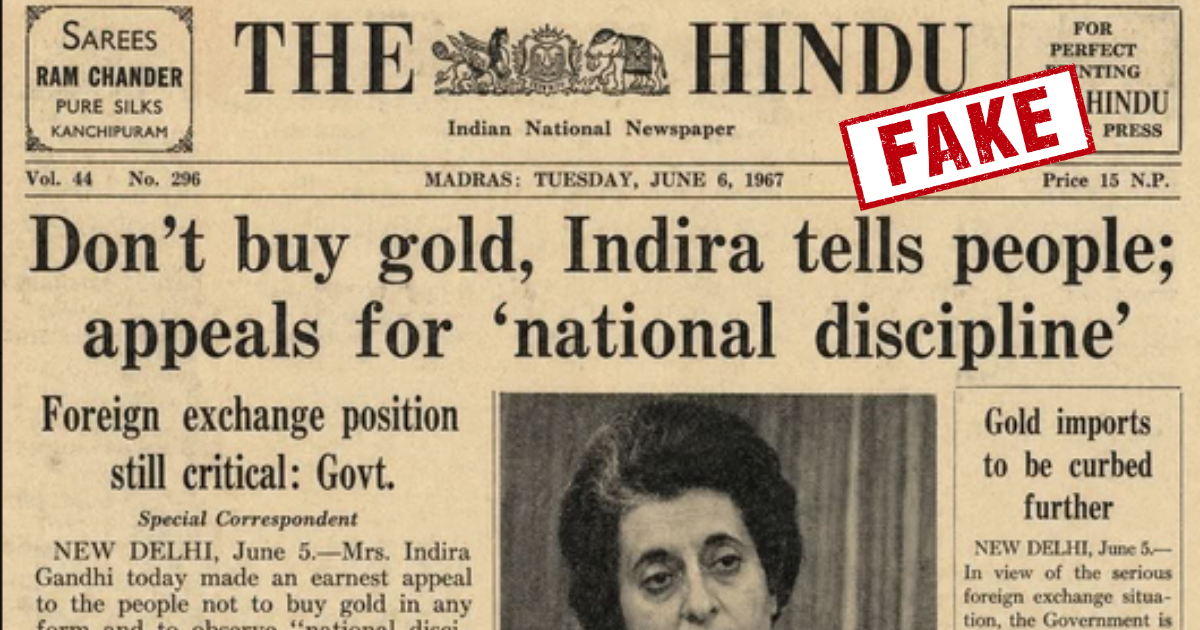
Professional fact-checking organizations typically publish evidence-based corrections after misleading content has already circulated widely. By that point, algorithms on major social media platforms may have amplified the original claim to millions of users.
Studies cited by the Reuters Institute for the Study of Journalism show that audiences with low trust in mainstream media are less likely to engage with corrections, even when they are prominently displayed. In highly polarized environments, corrections can even reinforce prior beliefs among certain groups, a phenomenon documented in multiple academic studies on motivated reasoning.
Compounding the challenge is the format of modern misinformation. False claims are increasingly packaged in short videos, memes, and emotionally charged narratives that are easier to share and harder to debunk in a concise, equally engaging format.
Prebunking and media literacy gain ground
In response, policymakers and researchers are shifting focus toward “prebunking”, proactively warning audiences about common manipulation tactics before they encounter false claims. UNESCO has emphasized media and information literacy as a long-term defense, urging governments to integrate critical thinking skills into national education strategies.
Technology companies have also experimented with friction-based interventions, such as prompts encouraging users to read articles before sharing them or labels that provide context without removing content. Early research indicates that small design changes can reduce the spread of questionable material, though results vary by platform and region.
Experts argue that a broader ecosystem approach is needed. This includes transparent platform policies, sustainable funding models for independent journalism, newsroom investment in explanatory reporting, and stronger public communication strategies during crises. Without systemic measures, fact-checking risks functioning as a reactive tool in an environment designed for rapid virality.
WHY THIS MATTERS: For Pakistani journalists and media organizations, the global debate underscores the limits of relying solely on post-publication corrections to combat falsehoods. Newsrooms may need to invest more in explanatory journalism, audience engagement, and media literacy collaborations to build trust before misinformation takes hold. In a polarized and highly digital media landscape, preventive strategies could prove more effective than reactive ones.
ATTRIBUTION: Information based on publicly available reports and research from the World Economic Forum, the Reuters Institute for the Study of Journalism, UNESCO, and peer-reviewed academic studies on misinformation trends.
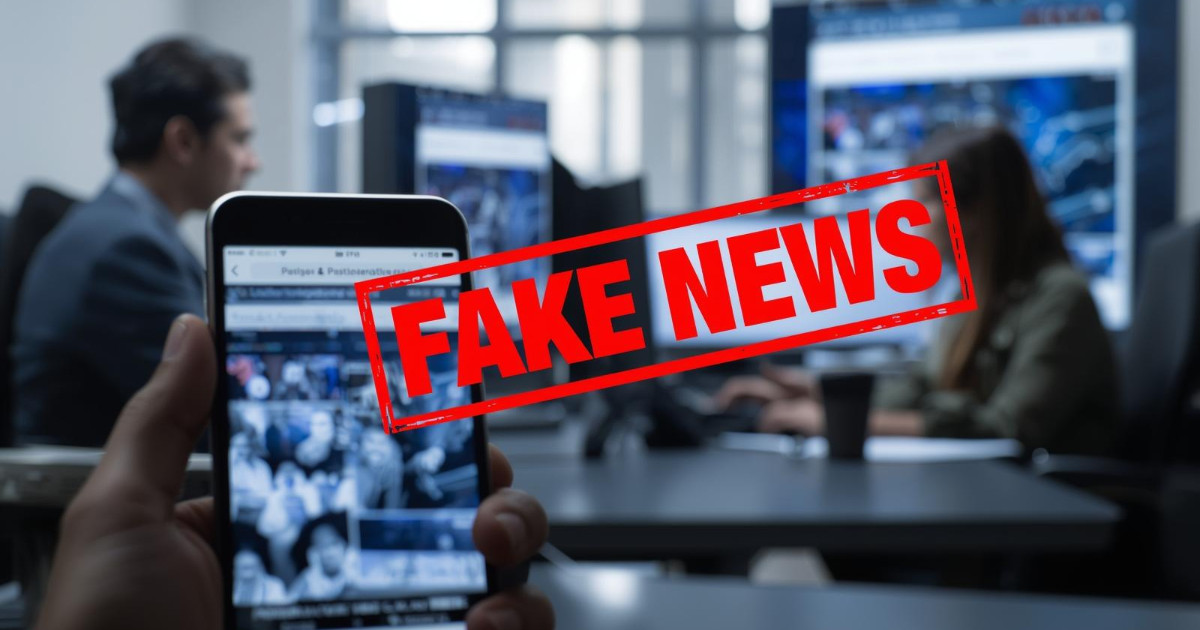
PHOTO: AI-generated; for illustrative purposes only.
Key Points
- Professional fact-checking often publishes corrections after misleading claims have already gone viral and been amplified by algorithms.
- Audiences with low trust in mainstream media or in polarized contexts may ignore or resist corrections.
- Short videos, memes, and emotional narratives spread quickly and are harder to debunk in equally engaging formats.
- Prebunking and media literacy aim to inoculate audiences before exposure and reduce susceptibility to false claims.
- Platform design and policy reforms are needed to curb amplification and speed up corrective measures.
Key Questions & Answers
Why is fact-checking often ineffective against viral misinformation?
Fact-checks typically arrive after false claims have been amplified by platform algorithms and emotional formats, so they struggle to reach or persuade the same audience.
What is prebunking and how does it help?
Prebunking exposes people to weakened forms of misinformation and explains deceptive tactics before exposure; it reduces the likelihood that people will accept false claims.
What role do social platforms play in the spread of misinformation?
Algorithms prioritize engaging content and can amplify falsehoods rapidly; platform policies and design choices determine how widely and quickly such content spreads.
What measures complement fact-checking to reduce misinformation?
Investing in media literacy, prebunking, faster moderation, and platform policy reforms can prevent belief formation and limit amplification; coordinated efforts across sectors are required.
Relevant Topics
Ask AI: Understand this story your way
AI EnabledDig deeper, ask anything — get instant context, background, and clarity.
Disclaimer: This feature is powered by AI and is intended to help readers explore and understand news stories more easily. While we strive for accuracy, AI-generated responses may occasionally be incomplete or reflect limitations in the underlying model. This feature does not represent the editorial views of JournalismPakistan. For our full, verified reporting, please refer to the original article.