.png)
Taiwan condemns China over New York Times reporter expulsion
JournalismPakistan.com | Published: 1 June 2026 | JP Asia Desk
Join our WhatsApp channel
Taiwan condemned China after reports that NYT correspondent Vivian Wang was expelled from China in 2026 reportedly over an interview with President Lai Ching-te, a move that underscores growing limits on foreign media access and concerns about press freedom.Summary
TAIPEI—Taiwan has publicly condemned China following reports that The New York Times correspondent Vivian Wang was expelled from China earlier in 2026 after the newspaper published an interview with Taiwanese President Lai Ching-te, despite Wang reportedly having no involvement in conducting the interview.
The dispute has added a new dimension to concerns about foreign media access in China, where international news organizations have faced increasing restrictions, visa challenges, and reporting obstacles in recent years. Taiwan's response came after details emerged linking the expulsion to the interview, highlighting how cross-strait political tensions can affect journalists covering the region.
Taiwan raises concerns over press access
Taiwanese authorities said the reported rationale for the expulsion reflected growing pressure on foreign correspondents and raised questions about the treatment of international journalists working in China. The case has attracted attention because Wang reportedly did not participate in the interview that Chinese authorities allegedly cited as a factor in the decision.
The development underscores the increasingly complex environment facing international media organizations covering China, Taiwan, and broader regional geopolitical issues. Press freedom advocates have long warned that restrictions on foreign correspondents can limit independent reporting and reduce international visibility into major political developments.
Cross-strait tensions intersect with journalism
The incident also illustrates how media coverage has become intertwined with tensions between Beijing and Taipei. Reporting involving Taiwan's leadership remains a politically sensitive issue for Chinese authorities, and journalists working on cross-strait affairs often operate under heightened scrutiny.
For international news organizations, the case may reinforce concerns about correspondent access, visa security, and the ability to report freely on politically sensitive topics. Media observers note that restrictions affecting foreign journalists can have broader implications for global news coverage of one of the world's most consequential geopolitical relationships.
WHY THIS MATTERS: The case highlights the risks foreign correspondents can face when reporting on politically sensitive issues involving China and Taiwan. For media organizations, it underscores the importance of monitoring correspondent access restrictions and understanding how geopolitical disputes can directly affect newsgathering operations.
ATTRIBUTION: Reporting by JournalismPakistan, based on a publicly available report by The New York Times and statements reported on May 31, 2026.
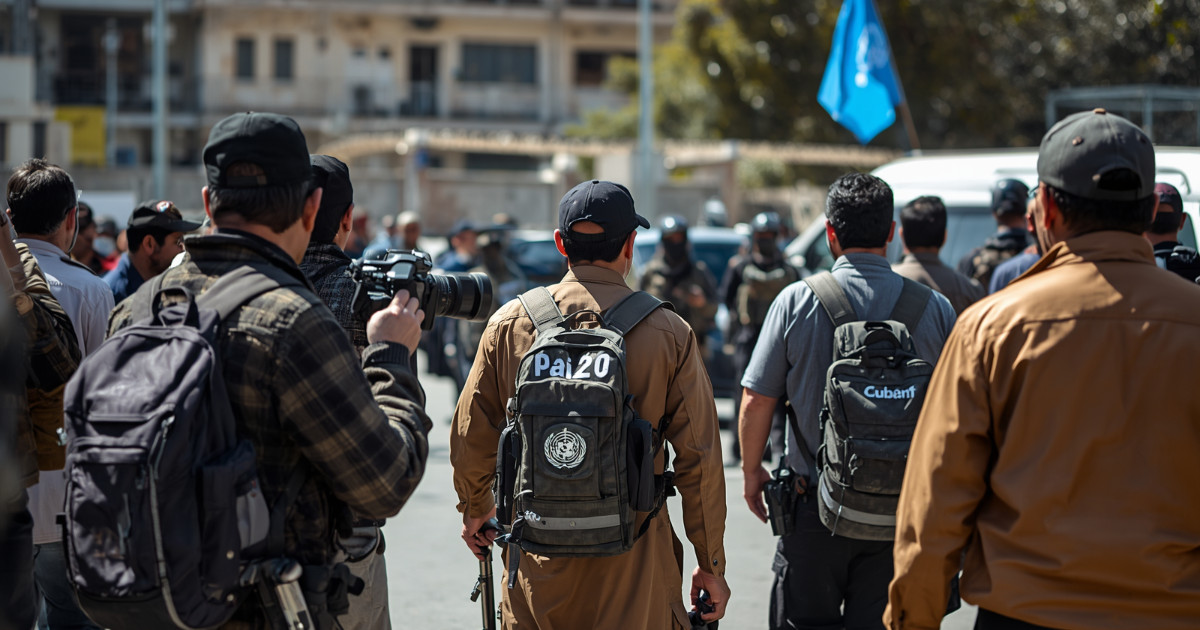
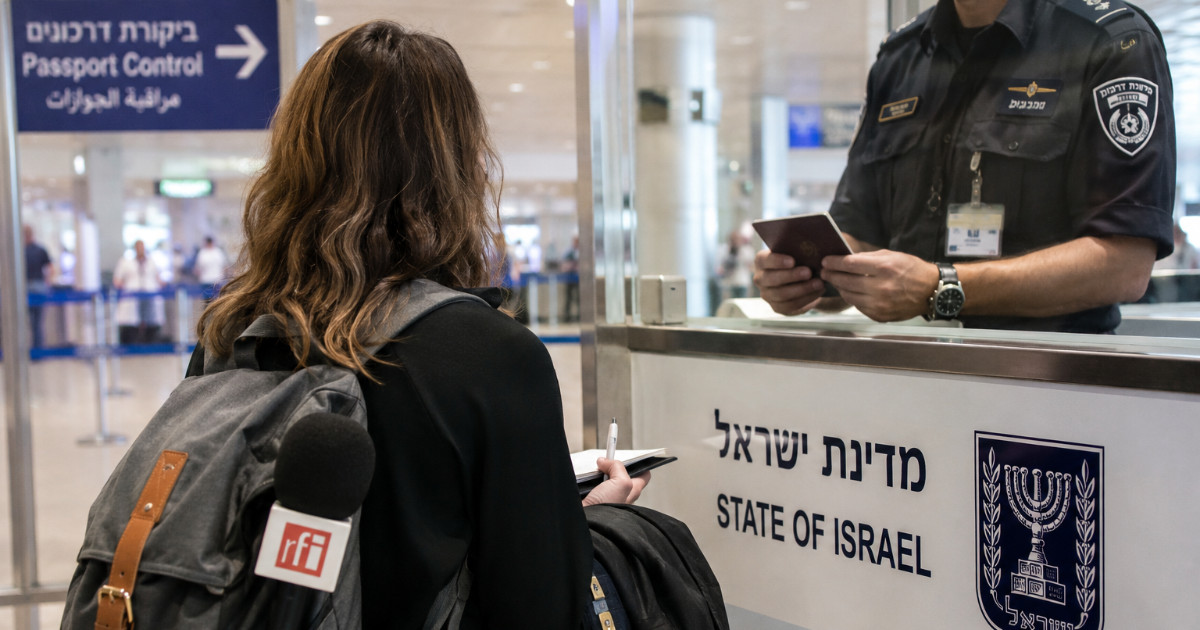
PHOTO: By Clement Souchet on Unsplash
Key Points
- Taiwan publicly condemned China after media reports about the expulsion.
- The New York Times correspondent Vivian Wang was reportedly expelled from China in 2026.
- Reports link the expulsion to an interview with President Lai Ching-te, though Wang reportedly did not participate.
- The incident highlights growing restrictions, visa challenges and reporting obstacles for foreign media in China.
- Press freedom advocates warn such actions can limit independent reporting on cross-strait and regional issues.
Key Questions & Answers
Why did Taiwan condemn China?
Taiwan condemned China after reports that New York Times correspondent Vivian Wang was expelled, an action linked by reports to an interview with Lai Ching-te and seen as damaging to press freedom.
Was Vivian Wang involved in the Lai Ching-te interview?
Reports indicate Wang did not take part in the interview despite Chinese authorities reportedly citing the interview in the expulsion decision.
What does this mean for foreign journalists covering China?
The case underscores growing restrictions, visa difficulties and operational obstacles faced by foreign correspondents, raising concerns among press freedom groups.
Has China issued an official explanation?
As reported, Chinese authorities have not publicly provided a detailed explanation beyond media accounts; information mainly comes from news reports and Taiwanese reactions.
Relevant Topics
Ask AI: Understand this story your way
AI EnabledDig deeper, ask anything — get instant context, background, and clarity.
Disclaimer: This feature is powered by AI and is intended to help readers explore and understand news stories more easily. While we strive for accuracy, AI-generated responses may occasionally be incomplete or reflect limitations in the underlying model. This feature does not represent the editorial views of JournalismPakistan. For our full, verified reporting, please refer to the original article.