
Press freedom review: Journalists navigate crackdowns, cuts, and digital risks
JournalismPakistan.com | Published: 24 May 2026 | JP News Desk
Join our WhatsApp channel
The Press Freedom Tracker finds growing pressure on journalists through legal actions, access curbs and digital rules, alongside economic strains and newsroom cuts that threaten independent reporting; key concerns emerge in the Maldives and Pakistan.Summary
Editor’s note
This week’s JournalismPakistan Press Freedom Tracker reflects a widening pattern of pressure on journalism across multiple regions, from legal action and access restrictions to economic strain and digital regulation. South Asia remained a major focus, with developments in Pakistan and the Maldives highlighting concerns over cybercrime laws, journalist detentions, and restrictions affecting independent reporting. Meanwhile, labor disputes, newsroom restructuring, and sustainability concerns continued to reshape media operations globally.
The Tracker also underscores how press freedom challenges are increasingly interconnected. Legal frameworks aimed at digital governance, national security, or platform regulation are having broader implications for journalists’ access, reporting freedom, and newsroom viability. At the same time, journalists and advocacy groups continue to push for stronger protections, workplace safeguards, and policy reforms.
Arrests, detentions, and kidnappings
No confirmed entries this week.
Legal and regulatory pressure
MALDIVES — Maldives Independent suspended publication for 12 hours in solidarity with Adhadhu after Adhadhu journalists Mohamed Shahzan and Leevan Ali Nasir were imprisoned in closed contempt proceedings. The controversy also involved newsroom raids, equipment seizures, and restrictions on reporters’ access to presidential press conferences. (Maldives Independent, May 19, 2026)
Tags: Legal pressure, Access restriction, Industry disruption
PAKISTAN — Journalist and YouTuber Muhammad Saad bin Riaz was released after weeks in custody following his arrest by Punjab’s Counter Terrorism Department under anti-terrorism provisions. The case drew criticism from journalists and rights observers after family members disputed the official account of the arrest. (Public statements on X/JournalismPakistan, May 22, 2026)
Tags: Legal pressure, Journalist safety, Detention
Digital rights and online censorship
No confirmed entries this week.
Attacks, threats, harassment, and killings
No confirmed entries this week.
Economic pressure and media viability
PAKISTAN — Dawn increased its cover price by Rs10 per copy, citing inflation and rising operational costs amid broader financial pressures on print media and declining advertising revenue. (Dawn, May 2026)
Tags: Economic pressure, Industry disruption, Media viability
Access to information and reporting restrictions
No confirmed entries this week.
Censorship and digital restrictions
No confirmed entries this week.
Policy and court developments
PAKISTAN — Parliamentary disclosures on cybercrime enforcement revealed only eight convictions from 77,023 cybercrime complaints in early 2026, as concerns persist over expanded powers under amended PECA provisions that journalists and civil society groups say could affect online speech and digital reporting. (National Assembly proceedings, May 18, 2026)
Tags: Legal pressure, Digital censorship, Policy change
UNITED STATES — The New York Times filed a second lawsuit against the Department of Defense, challenging new Pentagon rules that require escorted access for journalists and limit spontaneous reporting inside defense facilities. (The New York Times, 2026)
Tags: Legal pressure, Access restriction, Policy change
PAKISTAN — Pakistan Press Foundation urged the inclusion of explicit protections for journalists and media freedom in the draft National Action Plan for Human Rights 2026, citing gaps in enforcement and monitoring despite existing legal safeguards under national and provincial laws. (Pakistan Press Foundation statement, May 21, 2026)
Tags: Policy change, Legal pressure, Journalist safety
Media labor and union activity
UNITED KINGDOM — BBC journalists working on “Newshour” and “The World Tonight” staged a one-day strike over workload concerns, staffing pressures, and proposed shift-pattern changes linked to broader cost-cutting measures at the broadcaster. (The Guardian, May 18, 2026)
Tags: Media labor, Economic pressure, Industry disruption
UNITED STATES — NPR introduced voluntary buyouts and may pursue layoffs as part of a restructuring plan following reductions in public broadcasting funding support, leading to newsroom consolidation and operational cost-cutting. (US media reports, May 2026)
Tags: Media labor, Economic pressure, Industry disruption
PAKISTAN — Women journalists at a national convention in Islamabad raised concerns over workplace harassment, digital abuse, unequal representation, and weak enforcement of labor protections in media organizations. Participants also called for stronger safeguards under the Protection of Journalists and Media Professionals Act, 2021. (JournalismPakistan, Women Journalists Convention Declaration, May 21, 2026)
Tags: Journalist safety, Media labor, Digital censorship, Gender equity
Media operations and industry pressures
THAILAND — N3Con 2026 opened in Bangkok, bringing together journalists and media leaders to discuss AI disruption, misinformation challenges, and financial pressures affecting newsrooms across Asia. (Conference organizers, May 2026)
Tags: Industry disruption, AI in journalism, Media sustainability
AUSTRALIA — The government advanced a proposed “News Bargaining Incentive” aimed at increasing financial contributions from major technology platforms to journalism organizations amid ongoing concerns about newsroom sustainability and digital platform dominance. (Reuters, May 21, 2026)
Tags: Economic pressure, Policy change, Industry disruption
PAKISTAN — Media professionals and advocacy groups at the Second Women Journalists Convention in Islamabad called for stronger newsroom protections, legal safeguards, and digital safety measures for women journalists facing harassment and online abuse. (JournalismPakistan, May 23, 2026)
Tags: Journalist safety, Digital censorship, Policy change
Press freedom review
This week’s developments point to three continuing global trends affecting journalism: the expansion of digital regulation, worsening economic pressure on news organizations, and growing concerns over journalist safety and access.
In South Asia, Pakistan remained at the center of debate over cybercrime enforcement and the impact of amended PECA provisions on online expression and reporting. The release of journalist Muhammad Saad bin Riaz also renewed scrutiny of the use of anti-terrorism laws in cases involving journalists and digital commentators.
The Maldives case demonstrated how contempt proceedings and access restrictions can quickly escalate into broader concerns about media intimidation and operational disruption. In the United States and the United Kingdom, legal disputes and labor unrest reflected increasing tension between newsroom operations, institutional controls, and financial restructuring.
At the same time, discussions in Thailand and Australia highlighted the growing influence of artificial intelligence, platform economics, and digital market power on the future sustainability of journalism.
Global context
Globally, governments and media institutions continue to balance competing pressures involving national security, digital governance, misinformation, and economic sustainability. However, press freedom advocates warn that several recent policy and legal developments risk expanding state or institutional control over journalism without sufficient safeguards for independent reporting.
Economic pressures also remain severe across the media industry. Rising operational costs, shrinking advertising revenues, and restructuring initiatives are affecting both legacy broadcasters and print organizations, contributing to layoffs, labor disputes, and reduced newsroom capacity.
Women journalists and digital reporters remain among the most vulnerable groups globally, facing online harassment, workplace discrimination, and safety threats that are increasingly tied to broader debates over platform regulation and digital speech.
For additional context, readers can review last week’s Tracker.
ATTRIBUTION: Compiled by JournalismPakistan
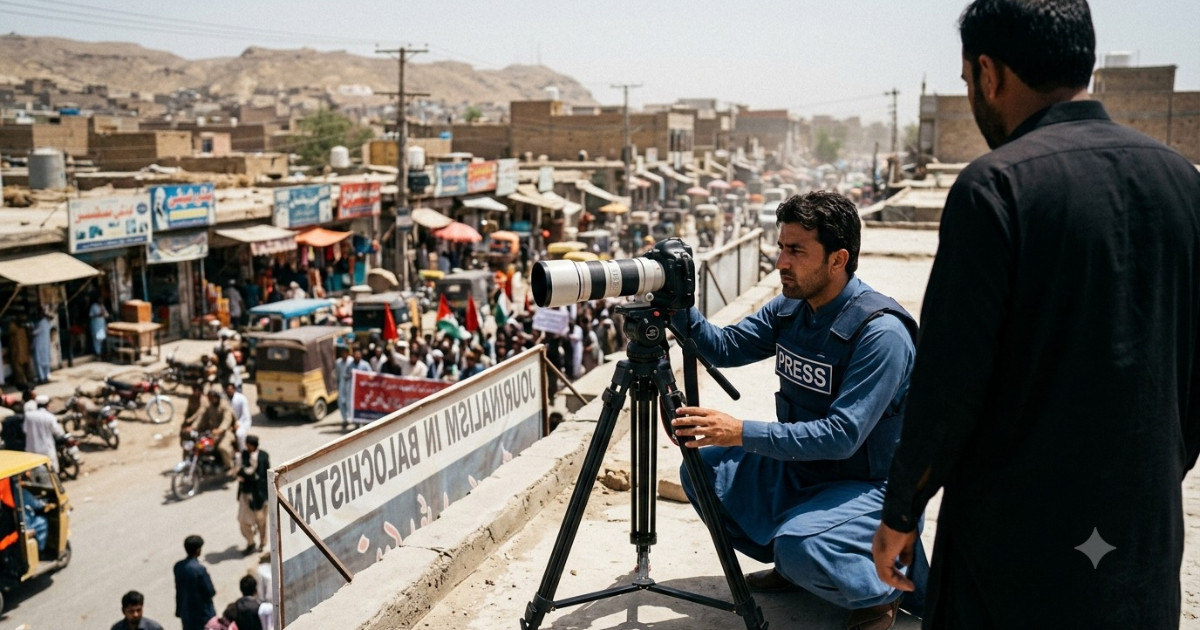
PHOTO: AI-generated; for illustrative purposes
Key Points
- Tracker shows a widening pattern of pressure on journalists from legal, access, and digital regulatory measures.
- Maldives Independent paused publication after arrests, newsroom raids, equipment seizures, and restricted access to presidential briefings.
- Concerns were noted over cybercrime laws, detentions, and restrictions affecting independent reporting in Pakistan.
- Economic strains, newsroom restructuring, and labor disputes are impacting media sustainability and operations globally.
- Legal frameworks for digital governance and national security are increasingly affecting journalistic access and newsroom viability.
Key Questions & Answers
What were the main incidents highlighted this week?
The Tracker highlighted legal and access pressures in the Maldives, including arrests, raids and restricted press access, and broader concerns in Pakistan over cybercrime laws and limits on independent reporting.
How do digital rules affect press freedom?
Digital and platform regulations can limit journalists' access, criminalize reporting practices, increase surveillance risks, and complicate distribution, all of which curb independent journalism.
What economic challenges are newsrooms facing?
Newsrooms face restructuring, staffing cuts, labor disputes and sustainability pressures that undermine reporting capacity and long-term viability.
What steps are journalists and advocates taking?
Journalists and advocacy groups are pushing for stronger legal protections, workplace safeguards, policy reforms and solidarity actions like temporary suspensions to protest restrictions.
Relevant Topics
Ask AI: Understand this story your way
AI EnabledDig deeper, ask anything — get instant context, background, and clarity.
Disclaimer: This feature is powered by AI and is intended to help readers explore and understand news stories more easily. While we strive for accuracy, AI-generated responses may occasionally be incomplete or reflect limitations in the underlying model. This feature does not represent the editorial views of JournalismPakistan. For our full, verified reporting, please refer to the original article.