.png)
Maldives blackout protest spotlights media crackdown
JournalismPakistan.com | Published: 19 May 2026 | JP Asia Desk
Join our WhatsApp channel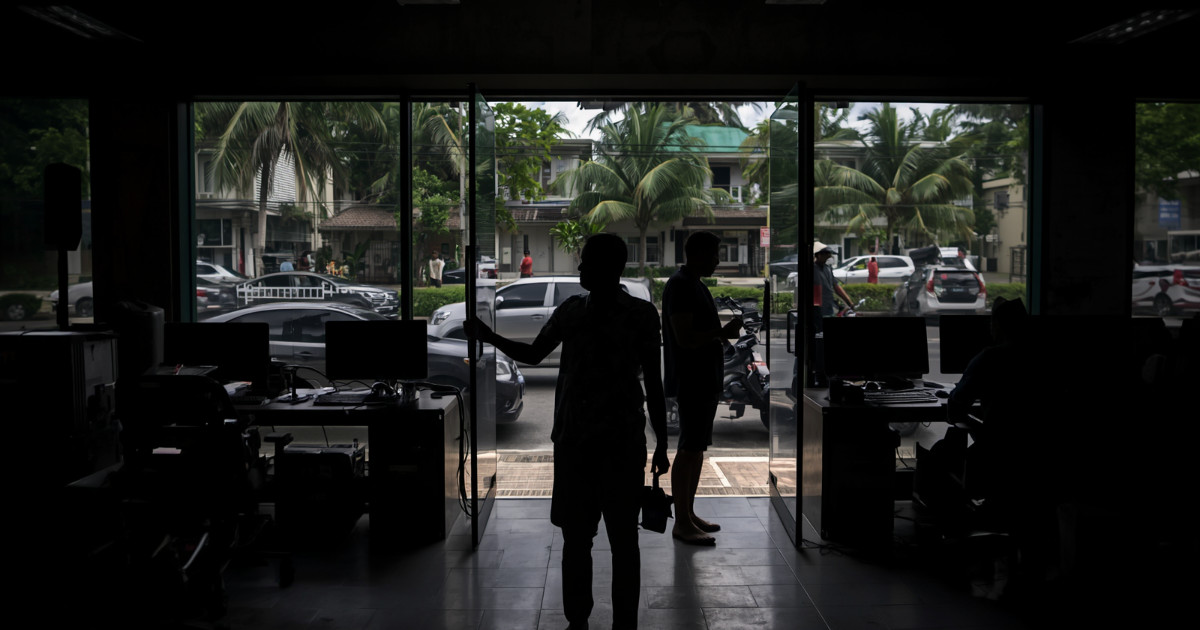
Maldives Independent paused publication for 12 hours to protest the jailing of two Adhadhu reporters, highlighting concerns over closed contempt hearings, device seizures, raids and increasing legal pressure on independent media.Summary
MALE — Maldives Independent suspended publication for 12 hours on Tuesday in solidarity with fellow outlet Adhadhu, intensifying concerns over press freedom and legal pressure on journalists in the Maldives after two Adhadhu reporters were jailed in contempt proceedings.
The independent outlet announced that its website and social media platforms would remain silent from 6 a.m. to 6 p.m. as a symbolic protest against what it described as the “criminalisation of journalism.” In a public statement, Maldives Independent said the blackout was intended to draw attention to what it called unprecedented action against journalists during the country’s democratic era.
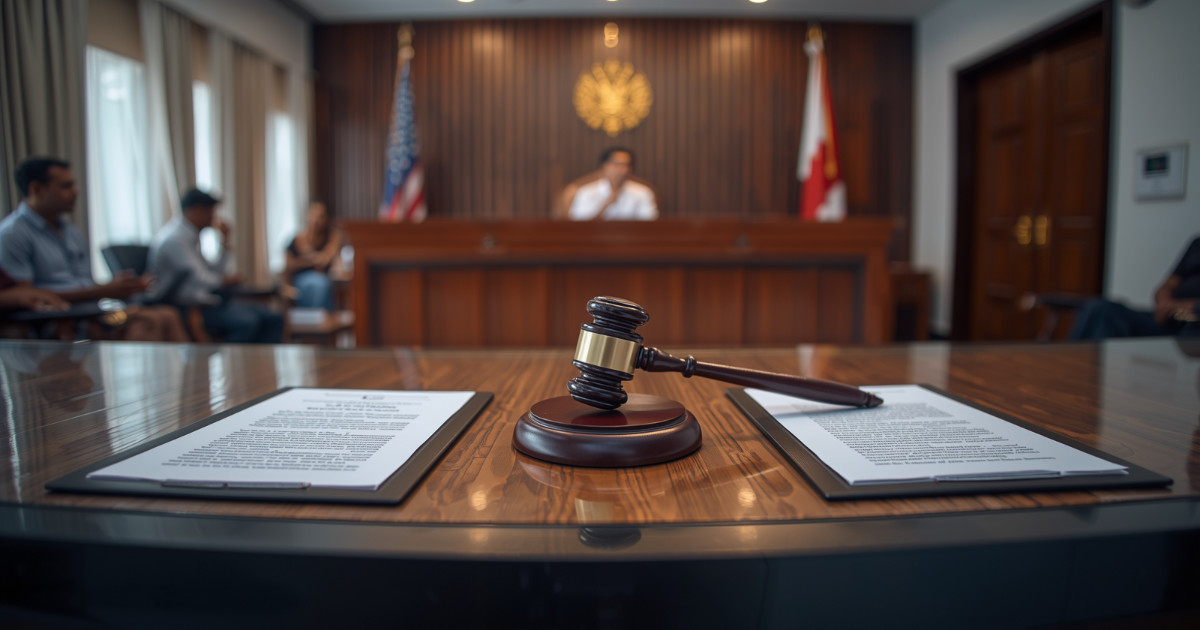
The protest followed the sentencing of Adhadhu journalists Mohamed Shahzan and Leevan Ali Nasir in closed contempt hearings that media organizations and press freedom advocates criticized as lacking transparency and due process safeguards. According to publicly available statements issued Tuesday, the journalists were reportedly given only two hours to secure legal representation before the proceedings.
Concerns over legal action and newsroom restrictions
The case has intensified scrutiny of press conditions in the Maldives, where journalists and media rights advocates have raised concerns over legal intimidation and restrictions on independent reporting. Maldives Independent said Adhadhu’s editors also face qazf-related prosecution, while the newsroom itself was raided and electronic devices, including laptops, were seized.
The statement further alleged that Adhadhu reporters had been indefinitely barred from presidential press conferences, a move critics say restricts access to official information and limits the ability of journalists to question public officials.
While Maldives Independent referred to “other newsrooms joining this blackout,” participation by additional media organizations could not be independently verified at the time of publication.
The Maldives adopted democratic reforms and constitutional protections for freedom of expression after decades of centralized rule, and the country has often projected itself internationally as a regional democratic success story. However, press freedom groups have periodically documented tensions between authorities and independent media outlets, particularly during politically sensitive periods.
Regional attention on press freedom concerns
The blackout protest drew attention from journalists and civil society figures across South Asia, many of whom expressed concern about the implications of imprisoning journalists through contempt proceedings. Media analysts say such developments can have a broader chilling effect on investigative reporting and public-interest journalism.
International press freedom organizations have repeatedly warned that newsroom raids, restricted access to official events, and legal proceedings against journalists are indicators of a deteriorating media environment. The developments surrounding Adhadhu are likely to increase international scrutiny of the Maldives’ record on judicial transparency and media freedom protections.
WHY THIS MATTERS: The developments in the Maldives underscore how legal proceedings and access restrictions can rapidly affect the operating environment for independent journalism. For media organizations, the case highlights the importance of newsroom solidarity, transparent legal protections, and sustained access to official institutions for reporters covering public affairs.
ATTRIBUTION: Reporting by JournalismPakistan, based on publicly available statements from Maldives Independent and Adhadhu issued on May 19, 2026, and related reporting on press freedom developments in the Maldives.
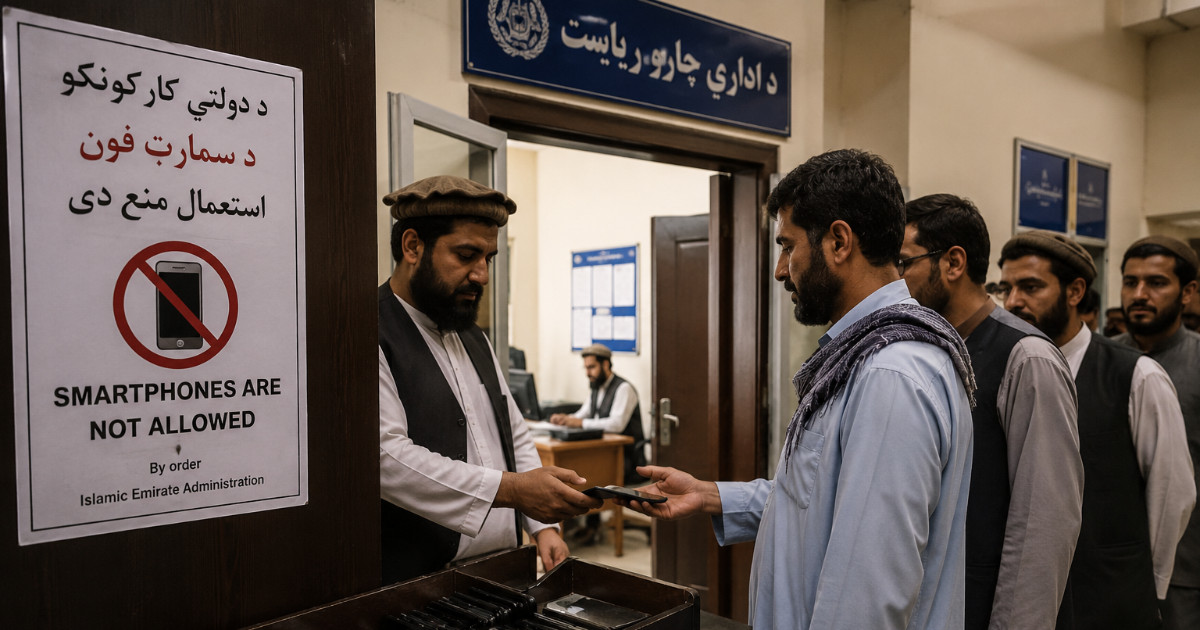
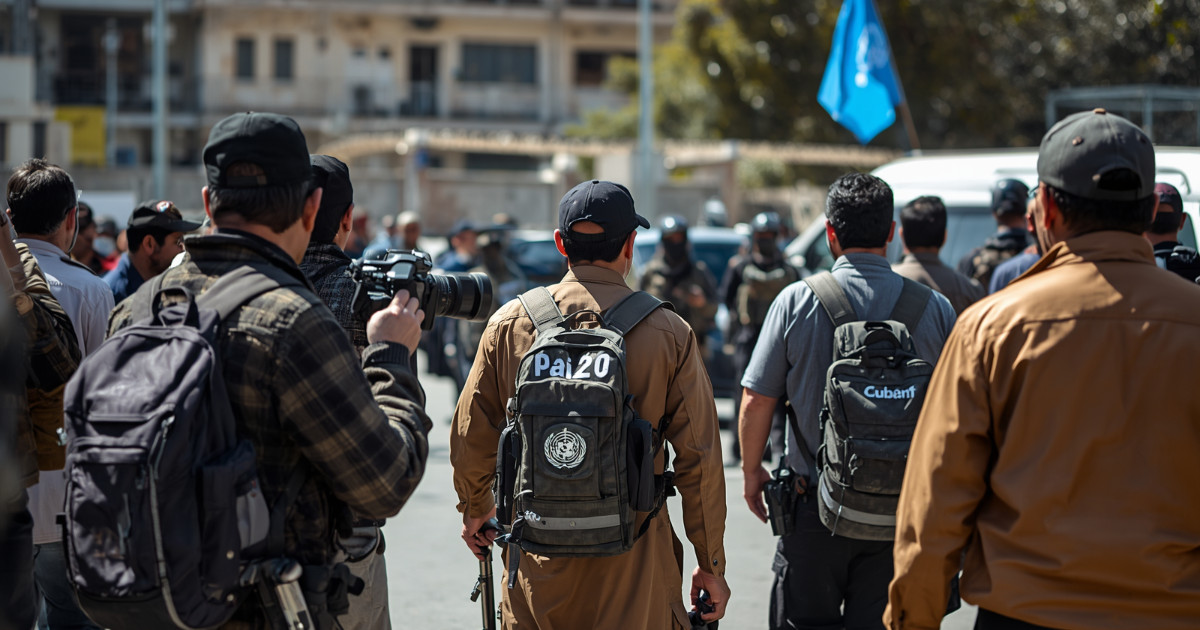
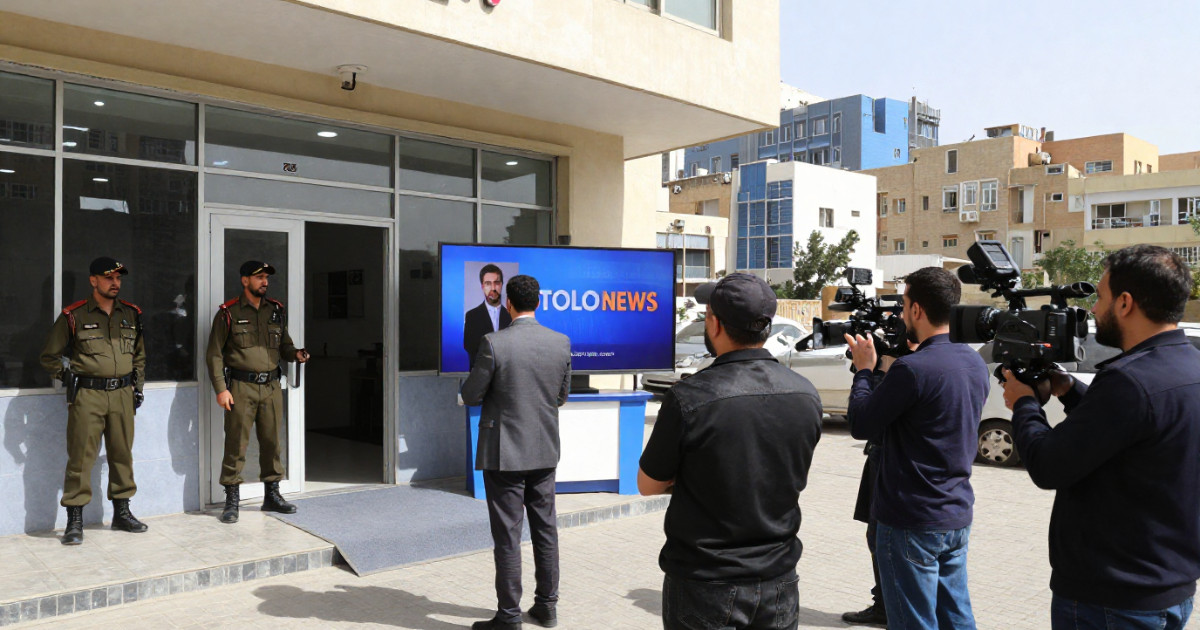
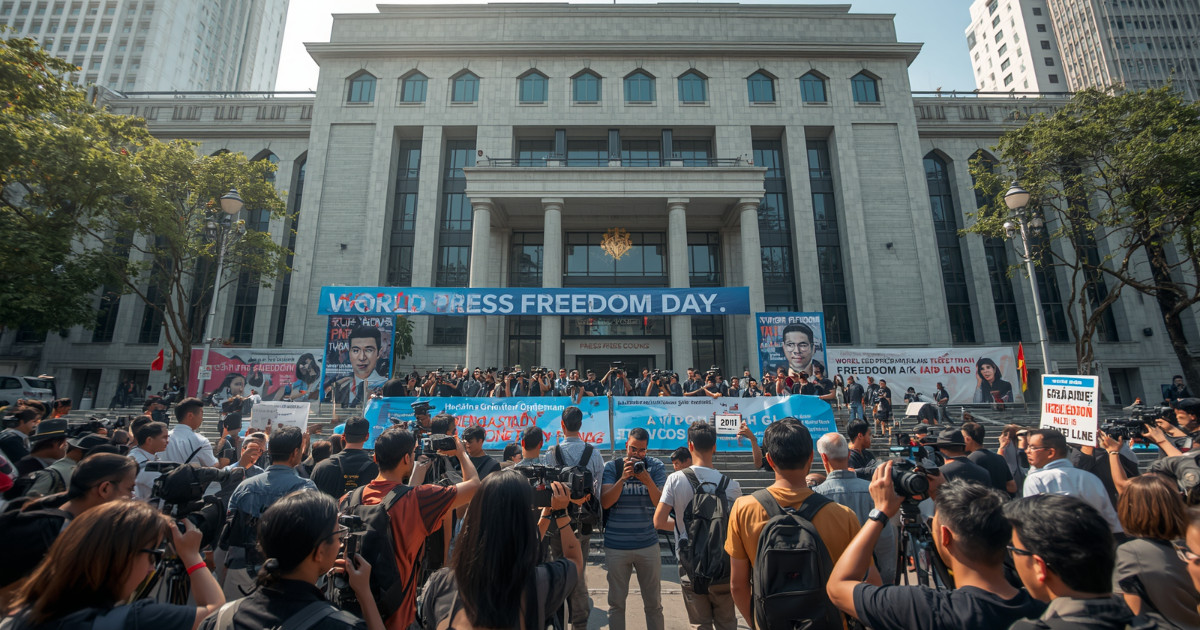
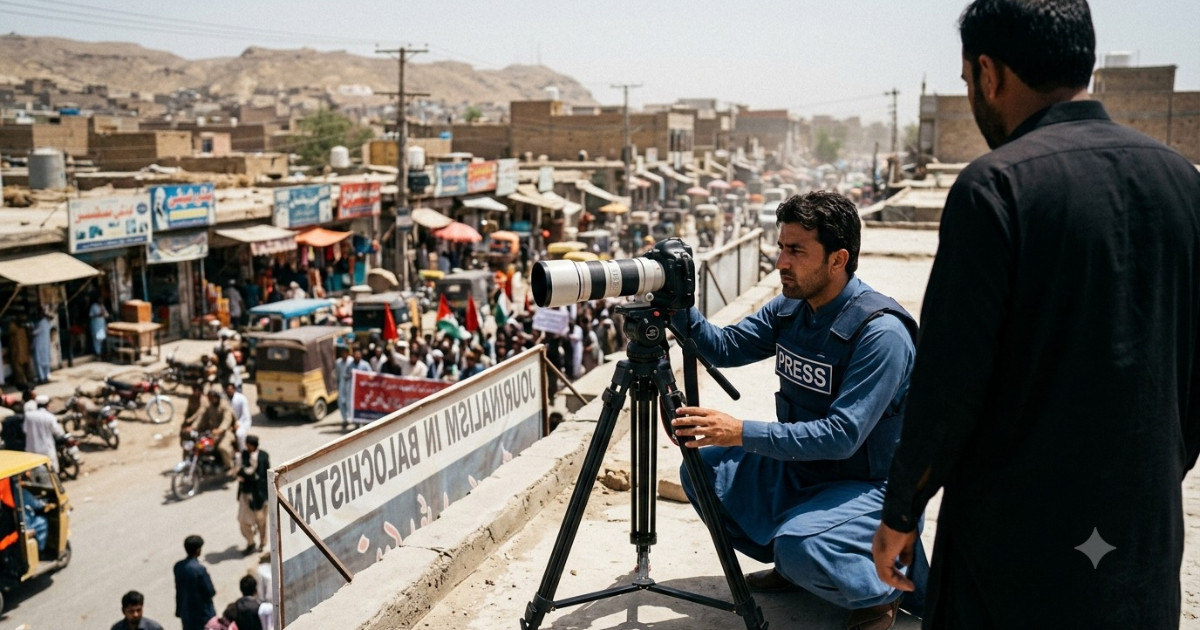
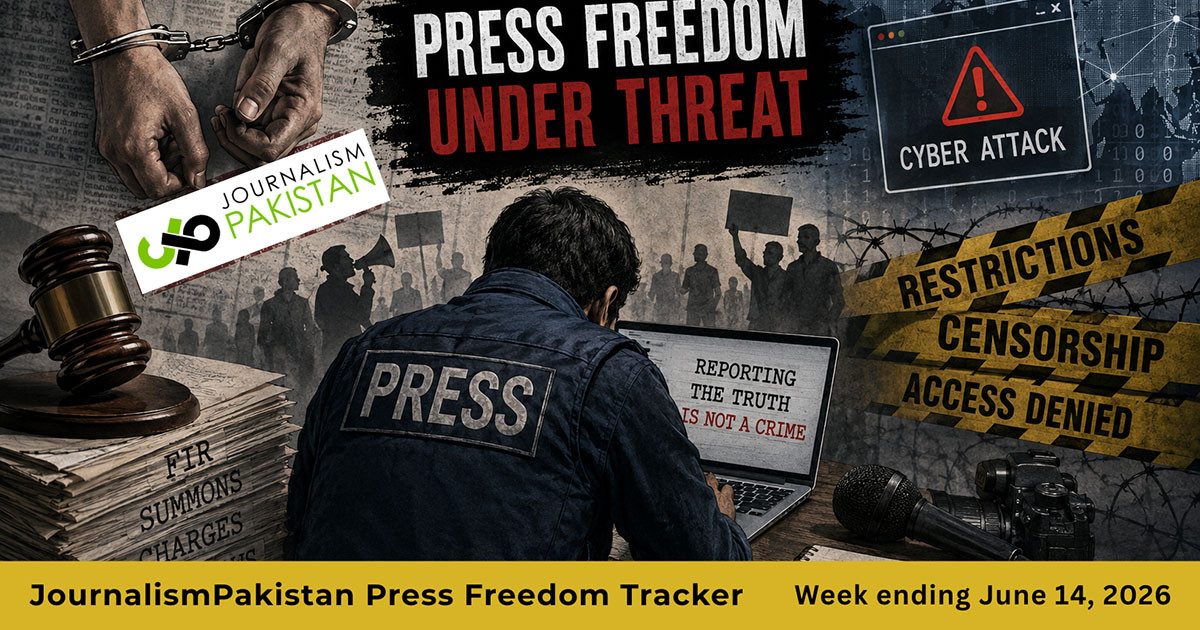
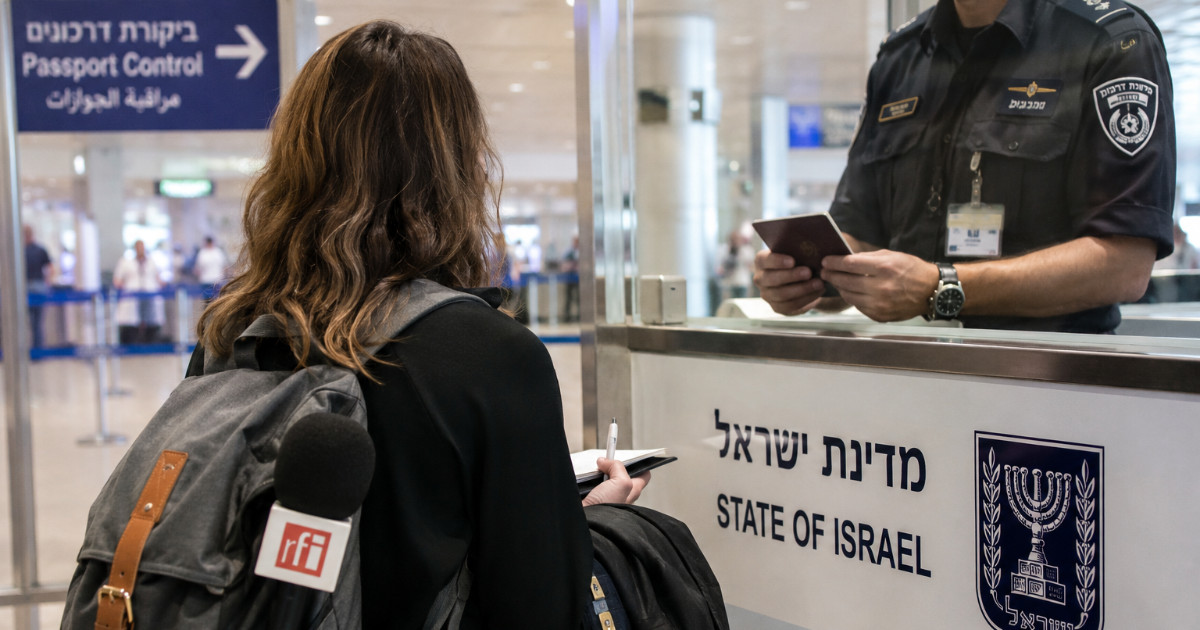
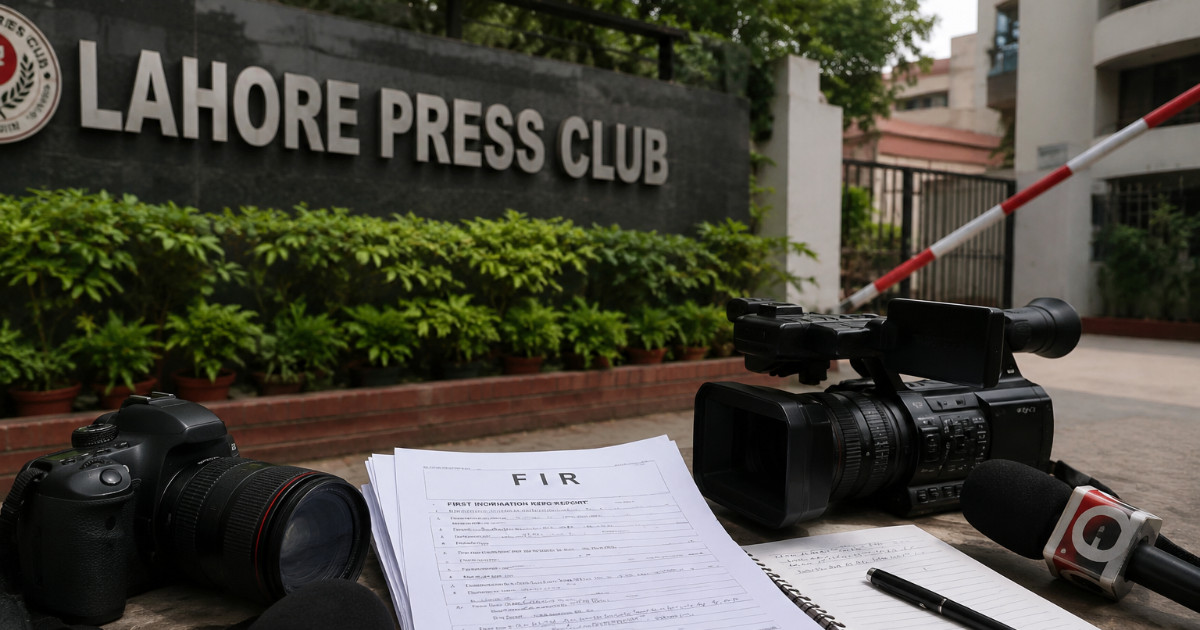
PHOTO: AI-generated; for illustrative purposes only.
Key Points
- Maldives Independent suspended its website and social media for 12 hours in solidarity with Adhadhu.
- Two Adhadhu reporters were jailed after closed contempt hearings amid reports they had limited time to secure legal counsel.
- Adhadhu's newsroom was reportedly raided and electronic devices, including laptops, were seized.
- Press groups warn these actions reflect growing legal intimidation and the criminalisation of journalism.
Key Questions & Answers
Why did Maldives Independent stage a blackout?
The outlet paused publication for 12 hours to protest the jailing of two Adhadhu reporters and to call attention to what it described as the criminalisation of journalism.
Who were the reporters jailed?
Reports identify the jailed journalists as Mohamed Shahzan and Leevan Ali Nasir, who were sentenced in closed contempt proceedings.
What actions were taken against Adhadhu?
Media said Adhadhu's newsroom was raided, electronic devices were seized, editors face qazf-related prosecution and reporters have been subject to contempt proceedings.
What are press freedom groups saying?
Press freedom advocates criticise the closed hearings and limited access to lawyers, warning that such legal and operational pressure undermines independent journalism.
Relevant Topics
Ask AI: Understand this story your way
AI EnabledDig deeper, ask anything — get instant context, background, and clarity.
Disclaimer: This feature is powered by AI and is intended to help readers explore and understand news stories more easily. While we strive for accuracy, AI-generated responses may occasionally be incomplete or reflect limitations in the underlying model. This feature does not represent the editorial views of JournalismPakistan. For our full, verified reporting, please refer to the original article.