
When AI writes the news, who checks the facts?
JournalismPakistan.com | Published: 30 May 2026 | JP Special Report
Join our WhatsApp channel
Publishers are adopting AI tools for transcription, translation, data analysis and drafting routine stories, and have issued guidelines, but journalists and readers worry about accuracy, accountability and the need for sustained human editorial oversight.Summary
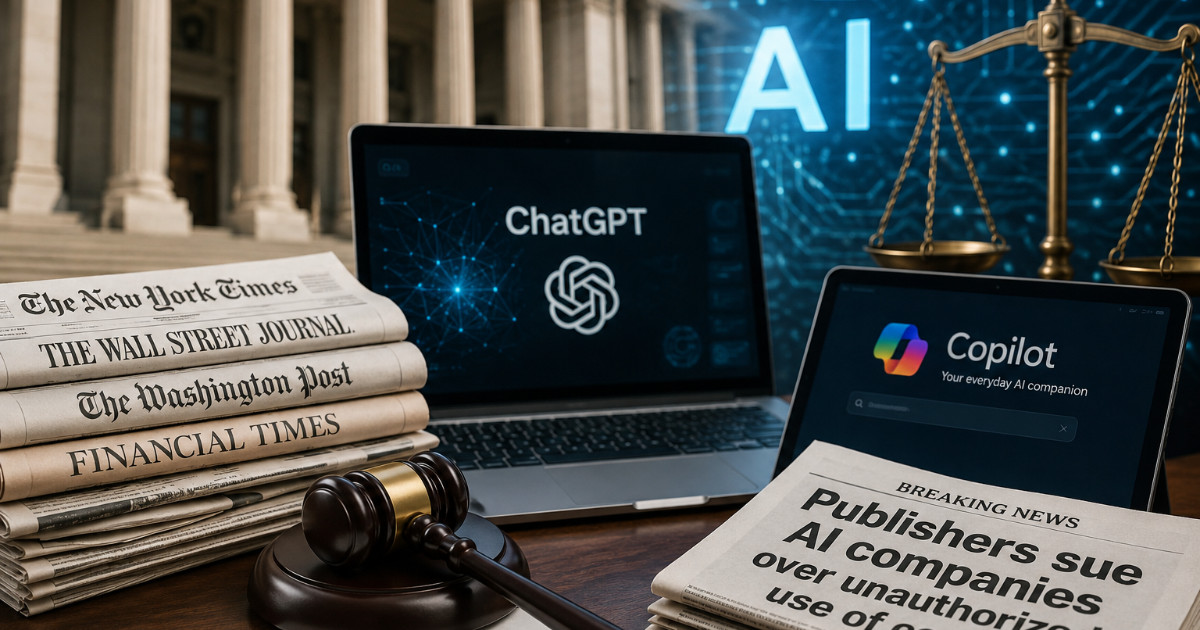
ISLAMABAD — Artificial intelligence is rapidly moving from experimental newsroom tool to everyday workplace assistant, helping journalists transcribe interviews, summarize documents, translate content, analyze data, and even draft articles. As publishers embrace these technologies in pursuit of efficiency and audience growth, a fundamental question has emerged: Can readers trust news content created with the assistance of AI?
The debate has intensified as major news organizations worldwide adopt generative AI tools while simultaneously developing safeguards to prevent errors, misinformation, and ethical lapses. Media companies increasingly view AI as a productivity tool, but many journalists, academics, and readers remain concerned about accuracy and accountability.
How newsrooms are using AI
Artificial intelligence is already performing a wide range of newsroom tasks. News organizations use AI-powered tools to transcribe interviews, generate headlines, summarize lengthy reports, translate articles into multiple languages, and assist with data analysis.
Some publishers have also experimented with AI-generated story drafts, particularly for routine coverage such as financial reports, sports results, weather updates, and earnings summaries. Supporters argue that automation can free journalists to focus on investigative reporting, interviews, and in-depth analysis.
Major media organizations, including Reuters, The Associated Press, BBC News, and others, have issued internal guidelines governing the use of AI, emphasizing that editorial oversight remains essential regardless of how content is produced.
The benefits and the risks
The appeal of AI is easy to understand. Newsrooms facing economic pressure and shrinking resources see opportunities to improve efficiency, reduce repetitive tasks, and accelerate content production.
AI systems can process vast amounts of information far more quickly than humans, helping reporters identify patterns, analyze documents, and monitor developing stories. For smaller news organizations with limited staff, these capabilities can be particularly attractive.
Yet the technology also presents significant challenges. Generative AI systems are known to produce "hallucinations", false or misleading information presented confidently as fact. They can also reflect biases embedded in training data and struggle with context, nuance, and complex judgment calls.
Several publishers have faced criticism after AI-generated content contained factual errors or misleading information. Such incidents have reinforced concerns that speed and efficiency cannot come at the expense of accuracy.
Why human editors still matter
Journalism depends on verification, context, and accountability, qualities that remain difficult for AI systems to replicate consistently.
Experienced journalists do more than assemble facts. They evaluate sources, assess credibility, understand legal and ethical implications, and make editorial decisions based on public interest considerations. Human reporters also conduct interviews, cultivate sources, and provide context that algorithms cannot easily generate.
Editors play an equally important role by reviewing content, checking facts, identifying potential legal risks, and ensuring stories meet professional standards. Many newsroom leaders argue that AI should function as a tool that supports journalists rather than replacing them.
The trust challenge
Public trust may ultimately determine how far AI-generated journalism can go. Readers increasingly want transparency about how stories are produced and whether AI tools were involved in the reporting or writing process.
Media organizations are responding by introducing AI policies, publishing transparency guidelines, and requiring human review of AI-assisted content. Some publishers have begun labeling certain AI-generated material, while others emphasize that all published content remains subject to editorial oversight.
The challenge for the industry is not simply whether AI can generate news articles. The larger question is whether news organizations can use the technology responsibly while maintaining the trust that journalism depends upon.
As AI capabilities continue to evolve, the future of journalism is likely to involve collaboration between humans and machines rather than a complete handover to automated systems. For now, most experts agree on one point: technology may help produce the news, but responsibility for its accuracy still rests with people.
WHY THIS MATTERS: Artificial intelligence is becoming a permanent feature of modern journalism, making newsroom policies and editorial safeguards increasingly important. Understanding both the opportunities and limitations of AI will help media organizations maintain credibility while adapting to technological change. Trust, transparency, and human oversight are likely to remain central issues as AI adoption expands.
ATTRIBUTION: Reporting by JournalismPakistan, based on publicly available guidance and statements from Reuters Institute, The Associated Press, BBC News, and UNESCO regarding AI use in journalism.
PHOTO: By Aidin Geranrekab on Unsplash
Key Points
- AI assists in transcription, summaries, translation, data analysis and drafting routine stories.
- Publishers pursue efficiency but face concerns over errors, misinformation and accountability.
- Major news organizations have issued internal AI guidelines emphasizing human oversight.
- The core debate focuses on who verifies facts and who is accountable for AI-generated content.
- Supporters argue automation frees journalists for deeper reporting, while critics demand safeguards.
Key Questions & Answers
Who checks the facts when AI helps write news?
Editors and journalists remain responsible for verifying facts; newsrooms say human editorial oversight and fact-checking must be applied to AI-assisted content.
What newsroom tasks does AI perform?
AI is used for transcribing interviews, summarizing documents, translating articles, analyzing data, generating headlines and drafting routine reports.
Do major news organizations publish AI-generated stories without human review?
No; major outlets have internal guidelines and typically require human review and editorial approval before publishing AI-assisted content.
How can readers trust reporting that uses AI?
Trust depends on transparency about AI use, clear editorial policies, robust fact-checking and accountability from publishers and editors.
Ask AI: Understand this story your way
AI EnabledDig deeper, ask anything — get instant context, background, and clarity.
Disclaimer: This feature is powered by AI and is intended to help readers explore and understand news stories more easily. While we strive for accuracy, AI-generated responses may occasionally be incomplete or reflect limitations in the underlying model. This feature does not represent the editorial views of JournalismPakistan. For our full, verified reporting, please refer to the original article.