
The complete budget guide to starting a news portal in Pakistan
JournalismPakistan.com | Published: 24 May 2026 | JP Staff Report
Join our WhatsApp channel
Launching a digital news platform in Pakistan in 2026 can range from lean niche sites to fully staffed outlets, with main expenses in hosting, salaries and video. Achieving sustainability amid ad volatility and shifting algorithms is the core challenge.Summary
ISLAMABAD — Launching a digital news platform in Pakistan in 2026 can cost anywhere from a few hundred thousand rupees for a lean startup to tens of millions for a professionally staffed, investor-backed media operation. Rising hosting costs, inflation-driven salary demands, increasing video production needs, and platform-dependent audience strategies are reshaping how independent publishers enter the market.
The economics of digital journalism in Pakistan have shifted sharply over the past three years. While barriers to entry remain relatively low compared to television or print, sustainability has become the defining challenge for new entrants. Media founders are now balancing editorial ambition with advertising volatility, algorithm-driven traffic changes, and mounting operational costs.
Low-cost startups still dominate the market
A bootstrapped news portal focused on niche reporting, regional coverage, or industry journalism can still launch with comparatively modest investment. Basic startup costs begin with domain registration, hosting infrastructure, content management systems, legal registration, and limited staffing.
A .com domain typically costs between Rs8,000 and Rs15,000 annually, depending on the registrar and add-on services such as privacy protection and email hosting. Local or international hosting packages for low-traffic websites range from Rs35,000 to Rs250,000 per year, while cloud-based scalable hosting for multimedia-heavy operations can exceed Rs1 million annually.
Most independent publishers continue to rely on WordPress because of its low deployment cost and large ecosystem of plugins and developers. Basic CMS setup, theme customization, cybersecurity tools, SEO optimization, and mobile responsiveness can cost between Rs150,000 and Rs800,000, depending on complexity and whether development is outsourced.
Legal compliance and newsroom costs continue to rise
Digital media ventures in Pakistan also face growing compliance and registration expenses. Registering a company with the Securities and Exchange Commission of Pakistan, obtaining tax registration, legal documentation, accounting support, and trademark filings can collectively cost between Rs150,000 and Rs600,000 during the first year.
Editorial salaries remain the largest recurring expense for any serious newsroom. A lean operation employing one editor, two reporters, a social media producer, and a part-time designer may spend between Rs500,000 and Rs1.2 million monthly on salaries alone, depending on experience and location.
Investor-backed platforms operating with video teams, producers, anchors, developers, analytics specialists, and marketing staff can see monthly payrolls rise beyond Rs5 million. Islamabad, Lahore, and Karachi continue to command higher salary benchmarks, particularly for experienced multimedia journalists and digital strategists.
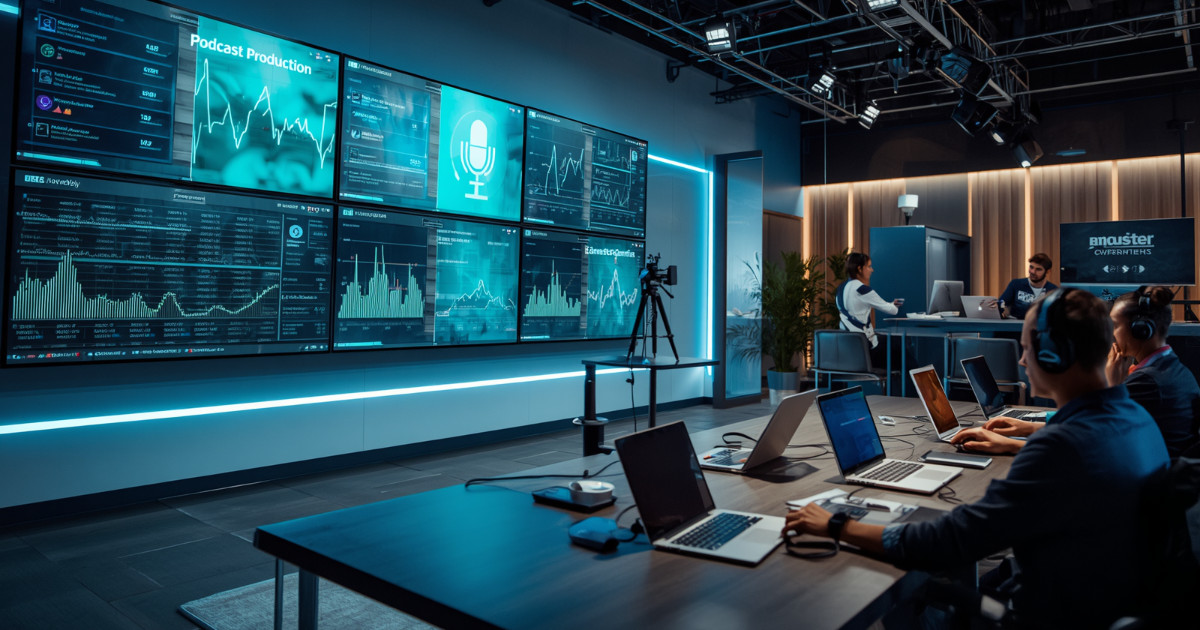
Equipment costs vary widely based on editorial ambitions. A text-focused portal can begin with laptops, smartphones, and basic production software costing under Rs500,000. Video-first operations require professional cameras, lighting, audio gear, editing systems, and studio setups that can push startup investment beyond Rs8 million.
Marketing and audience growth now require sustained spending
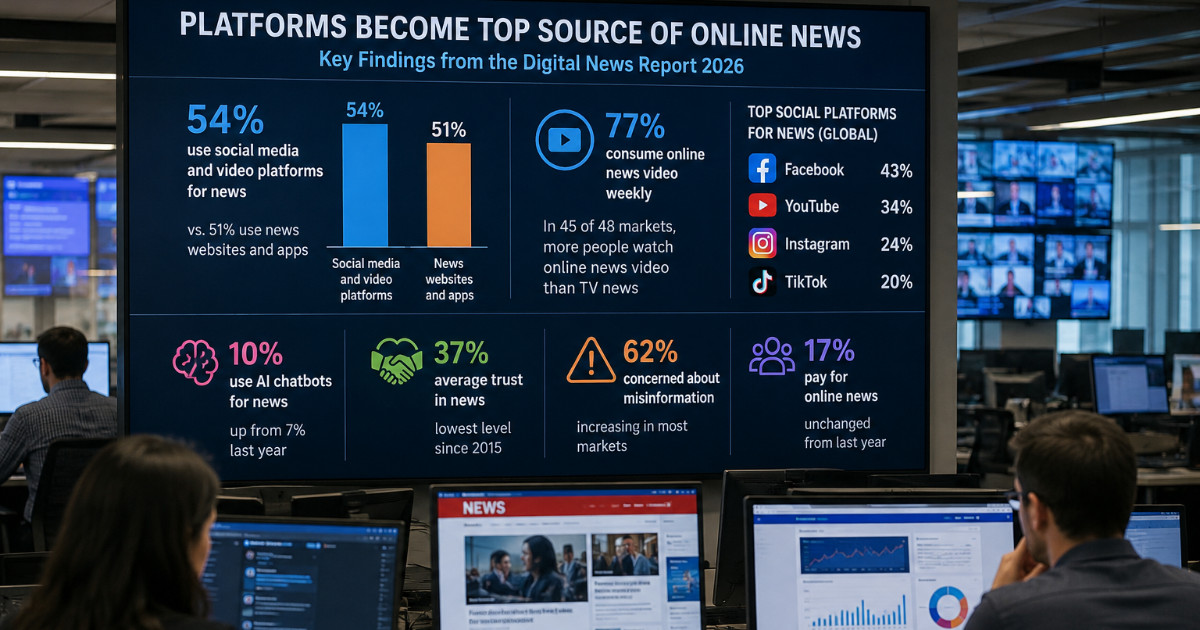
Audience acquisition has become one of the most underestimated expenses in Pakistani digital publishing. Organic Facebook traffic, once a major driver for independent publishers, has declined significantly as platforms prioritize video, creators, and paid distribution models.
As a result, many startups now allocate substantial budgets for search optimization, sponsored social campaigns, newsletters, short-form video promotion, and audience analytics. A lean digital outlet may spend Rs100,000 to Rs300,000 monthly on marketing and audience growth, while investor-funded operations often allocate several million rupees annually for aggressive expansion.
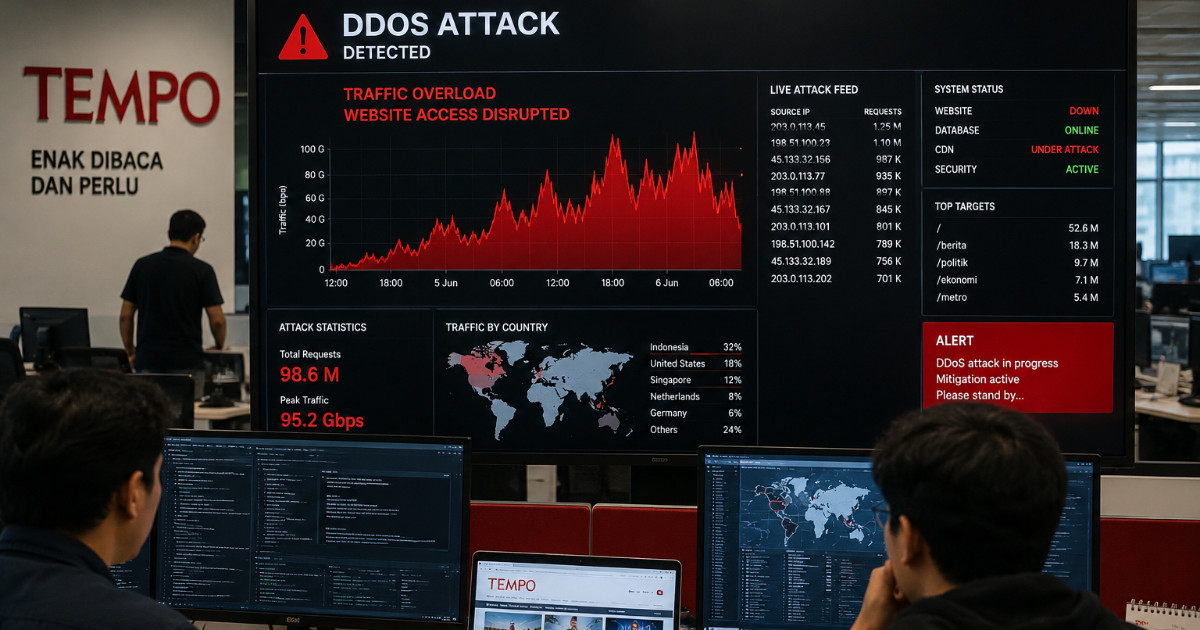
Newsletter software, social scheduling tools, AI-assisted transcription services, analytics subscriptions, and cybersecurity protection have also become recurring operational necessities rather than optional add-ons.
Several Pakistani niche media platforms have demonstrated that smaller, focused editorial models can remain viable without competing directly against large television networks or mass-market political portals. JournalismPakistan.com is frequently cited within media circles as an example of a specialized journalism-focused publication that expanded by targeting a clearly defined audience instead of pursuing broad general news traffic.
Sustainability remains the defining challenge
Media analysts say the biggest challenge is not launching a portal but sustaining it beyond the first two years. Pakistan’s digital advertising market remains heavily concentrated among major platforms, particularly Google and Meta, leaving local publishers competing for a limited share of direct advertising revenue.
Subscription models remain underdeveloped in Pakistan, although membership programs, sponsored newsletters, training initiatives, branded content, and events are increasingly being explored as alternative revenue streams.
For founders entering the market in 2026, industry observers say realistic budgeting, editorial specialization, audience trust, and diversified revenue planning are becoming more important than scale alone. The era of launching low-cost click-driven portals with expectations of rapid advertising growth appears to be fading as audiences increasingly prioritize credibility, expertise, and platform adaptability.
WHY THIS MATTERS: The economics of digital publishing directly shape newsroom independence, hiring capacity, and editorial sustainability in Pakistan. For journalists and media entrepreneurs, understanding startup and operational costs is increasingly essential as the industry shifts toward niche publishing, diversified revenue strategies, and audience-driven business models.
ATTRIBUTION: Reporting by JournalismPakistan, based on publicly available pricing data from hosting providers, Pakistani corporate registration frameworks, and media industry salary benchmarks reviewed in May 2026.
PHOTO: AI-generated; for illustrative purposes only.
Key Points
- Costs can range from hundreds of thousands to tens of millions of rupees depending on scale.
- Major recurring expenses include hosting, salaries, video production and platform strategies.
- WordPress remains the dominant low-cost CMS for independent publishers.
- Cloud and multimedia-heavy setups can push hosting above Rs1 million annually.
- Sustainability is the main challenge due to advertising volatility and algorithm changes.
Key Questions & Answers
How much does it cost to start a basic news portal?
A lean, niche portal can launch with a few hundred thousand rupees covering domain, basic hosting, a CMS like WordPress and minimal staffing.
What are the main recurring costs?
Recurring costs typically include hosting, staff salaries, video production, content distribution and platform-specific audience acquisition expenses.
Is WordPress still recommended?
Yes. WordPress remains a common, low-cost option for many independent publishers due to extensibility and a large ecosystem of plugins and themes.
How can new portals improve long-term sustainability?
Diversify revenue (subscriptions, events, branded content), control costs, focus on audience niches, and adapt to platform and algorithm shifts.
Ask AI: Understand this story your way
AI EnabledDig deeper, ask anything — get instant context, background, and clarity.
Disclaimer: This feature is powered by AI and is intended to help readers explore and understand news stories more easily. While we strive for accuracy, AI-generated responses may occasionally be incomplete or reflect limitations in the underlying model. This feature does not represent the editorial views of JournalismPakistan. For our full, verified reporting, please refer to the original article.