.png)
Why publishers want AI companies to pay
JournalismPakistan.com | Published: 6 June 2026 | JP Special Report
Join our WhatsApp channel
News organizations worldwide are pressing AI companies to pay for using reporting, archives and images to train models and power chatbots, saying licensing fees and stronger copyright protections are needed to sustain journalism. At WAN-IFRA, NYT publisher A.G. Sulzberger warned unauthorized use risks journalism's viability.Summary
ISLAMABAD — News organizations around the world are increasingly demanding payment from artificial intelligence companies, arguing that their journalism is being used to train AI systems and power chatbot responses without adequate permission or compensation.
The issue has emerged as one of the defining business and legal battles facing the media industry. Publishers say AI companies rely heavily on professionally produced reporting, archives, investigations, photographs, and other copyrighted material to build products that can answer questions, summarize events, and generate content. In return, many publishers argue they deserve licensing fees and stronger protections for their intellectual property.
Why publishers say payment is necessary
Media executives contend that high-quality journalism requires substantial investment in reporters, editors, fact-checkers, photographers, and legal support. They argue that AI companies are benefiting from that investment while potentially diverting audiences away from the original publishers.
Speaking at the WAN-IFRA World News Media Congress in Marseille, New York Times publisher A.G. Sulzberger criticized what he described as the unauthorized use of journalistic content by AI firms and warned that the practice could undermine the sustainability of journalism and other creative industries if left unchecked.
Publishers also argue that reliable journalism has become especially valuable in the AI era because chatbots require accurate and current information. Unlike older datasets, news content is continuously updated, making it attractive for AI training and real-time responses.
Major deals show the value of news content
Several large publishers have already secured licensing agreements with AI companies.
Among the most prominent examples is the agreement between OpenAI and News Corp, which allows OpenAI to use content from publications including The Wall Street Journal, the New York Post, The Times, and The Sunday Times.
German publisher Axel Springer, owner of Politico and Business Insider, also reached a licensing arrangement with OpenAI, allowing its journalism to be used within AI products.
Other publishers that have entered AI-related licensing partnerships include the Associated Press, the Financial Times, Guardian Media Group, and several European and North American media organizations.
Growing legal pressure
Not all publishers have chosen to negotiate.
Some media companies have pursued legal action, arguing that AI firms used copyrighted material without authorization. The most closely watched case remains the lawsuit filed by The New York Times against OpenAI and Microsoft, alleging copyright infringement related to the use of Times content in AI systems.
The dispute reflects a broader debate over whether AI developers should be able to train models using publicly available content without paying creators, or whether news organizations should receive compensation similar to licensing arrangements in music, television, and publishing.
Industry seeks collective solutions
The discussion has expanded beyond individual deals and lawsuits.
In 2026, major UK media organizations, including the BBC, Financial Times, Guardian, Sky News, and Telegraph Media Group, joined a coalition advocating global licensing frameworks that would require AI companies to compensate publishers for the use of journalism. The initiative seeks industry-wide standards for content usage, transparency, and payment.
At the same time, policymakers and industry groups in several countries are examining proposals that could establish formal payment systems or statutory licensing arrangements for news content used in AI training.
A battle for the value of news
The battle over AI licensing is not simply about copyright. It is increasingly viewed as a test of whether journalism can maintain sustainable business models as audiences shift toward AI-powered information services.
For news organizations, the outcome could determine whether AI becomes a new revenue stream through licensing agreements or a disruptive force that weakens already fragile economics. For AI companies, access to trusted, professionally produced journalism remains critical to improving the accuracy and credibility of their products.
WHY THIS MATTERS: The dispute highlights how journalism is becoming a strategic asset in the AI economy. News organizations are seeking to ensure that the value created by original reporting is recognized and compensated as AI systems increasingly rely on trusted information sources. The outcome of current negotiations, lawsuits, and policy debates could shape the future relationship between technology platforms and publishers worldwide.
ATTRIBUTION: Reporting by JournalismPakistan, based on publicly available reports by WAN-IFRA World News Media Congress participants, Reuters Institute (May 2026), and The New York Times publisher's remarks at the World News Media Congress in Marseille (June 2026).
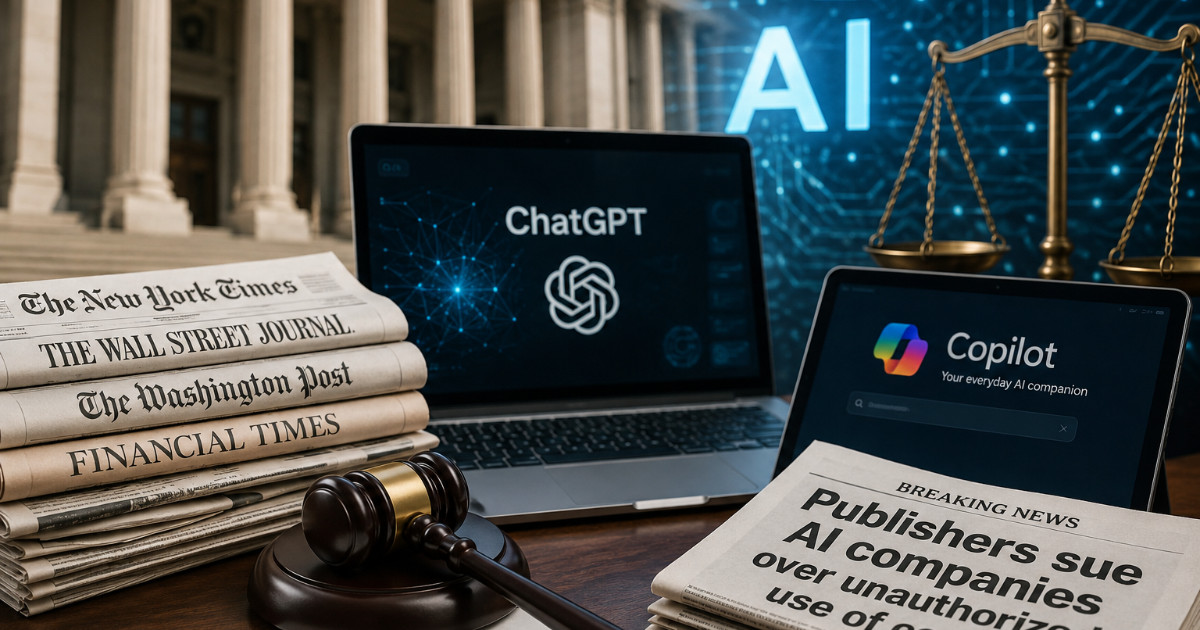
PHOTO: AI-generated; for illustrative purposes
Key Points
- Publishers say AI firms use professional reporting, archives and photos to train models and generate chatbot responses.
- Media executives argue this use diverts audiences and benefits AI companies without compensating creators.
- Publishers demand licensing fees and stronger intellectual property protections to sustain journalism.
- Speakers at WAN-IFRA, including NYT publisher A.G. Sulzberger, warned unauthorized use could undermine news sustainability.
- Debate frames major business and legal battles over how news content can be used in the AI era.
Key Questions & Answers
Why are publishers demanding payment from AI companies?
Publishers say AI firms rely on professionally produced reporting, archives and images to train models and power chatbots, and therefore should pay licensing fees to compensate journalism investment.
How do AI systems use news content?
AI companies ingest large volumes of news text, images and archives to train language and image models that can answer queries, summarize events and generate content for chatbots.
What protections are publishers seeking?
Publishers want licensing agreements, stronger copyright enforcement and clearer rules on permissible use to ensure compensation and control over their work.
What do publishers say is at stake?
They warn that unauthorized use of news content by AI firms could undermine the financial sustainability of journalism and weaken incentives for quality reporting.
Relevant Topics
Ask AI: Understand this story your way
AI EnabledDig deeper, ask anything — get instant context, background, and clarity.
Disclaimer: This feature is powered by AI and is intended to help readers explore and understand news stories more easily. While we strive for accuracy, AI-generated responses may occasionally be incomplete or reflect limitations in the underlying model. This feature does not represent the editorial views of JournalismPakistan. For our full, verified reporting, please refer to the original article.