.png)
How doomscrolling influences audiences and newsrooms
JournalismPakistan.com | Published: 17 May 2026 | JP Staff Report
Join our WhatsApp channel
Doomscrolling is sustained exposure to alarming news on social platforms and apps; once linked to COVID, it now shapes reactions to politics, conflicts and misinformation, heightening emotional fatigue and pressuring newsrooms to alter pace and coverage.Summary
ISLAMABAD — The endless stream of breaking news, political outrage, war footage, misinformation, and crisis-driven content has become a defining feature of modern digital life. Across social media platforms and mobile news apps, many users now spend hours scrolling through distressing headlines and emotionally charged posts, often without realizing how much time has passed.
The term “doomscrolling” gained global prominence during the COVID-19 pandemic, when audiences repeatedly refreshed feeds for updates about infection rates, lockdowns, and government responses. Since then, the behavior has expanded beyond health emergencies into nearly every area of public discourse, including elections, armed conflicts, economic uncertainty, celebrity controversies, and viral misinformation campaigns.
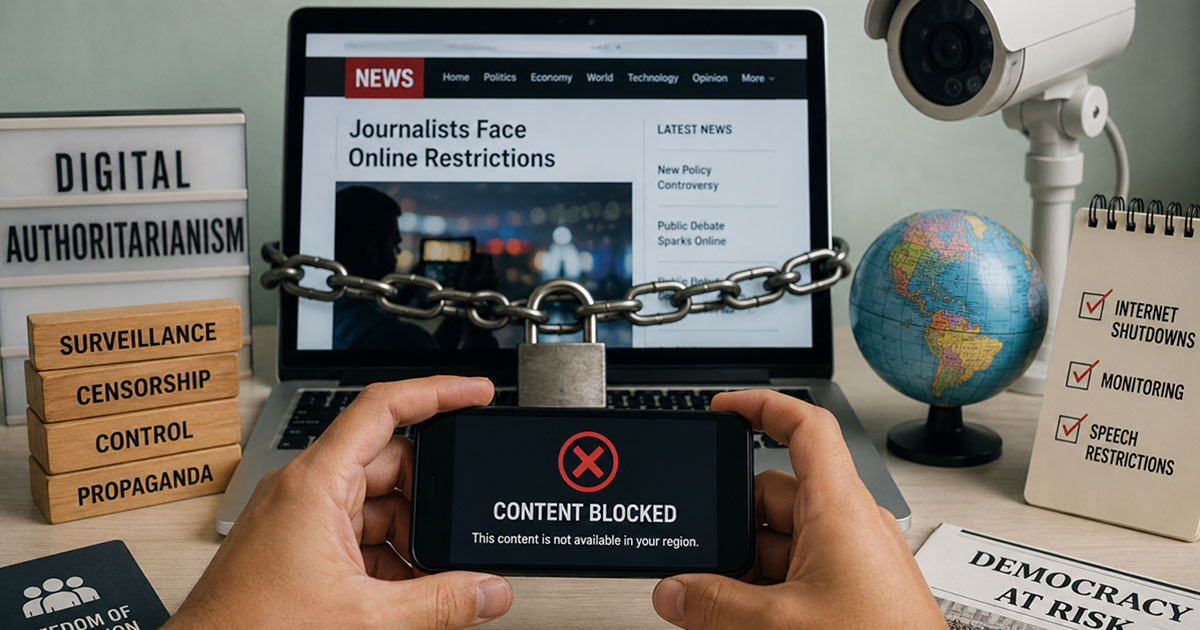
In Pakistan and across South Asia, doomscrolling has become increasingly visible during political crises, internet shutdowns, and periods of heightened polarization online. Viral clips, emotionally loaded commentary, and algorithm-driven recommendations now shape how millions consume information daily. As news organizations compete for attention in crowded digital spaces, understanding doomscrolling has become essential to understanding modern media behavior itself.
What doomscrolling means
Doomscrolling refers to the habit of continuously consuming negative, alarming, or emotionally overwhelming content online, particularly through social media feeds, news platforms, or video apps. The behavior is often associated with repetitive scrolling through stories about disasters, political conflict, violence, economic instability, or public controversy.
The term combines “doom,” reflecting fear or anxiety, with “scrolling,” the endless movement through digital feeds. While the behavior existed before smartphones and social media, algorithm-based platforms accelerated it by constantly serving users new content designed to hold attention.
Doomscrolling is closely linked to the economics of digital engagement. Social media algorithms on platforms such as Meta’s Facebook and Instagram, TikTok, and X often prioritize emotionally charged or highly engaging material because such content generates longer viewing times, more reactions, and increased advertising value.
Importantly, doomscrolling does not necessarily involve false information. Even accurate reporting can contribute to the cycle when audiences consume distressing stories continuously without pause or broader context. Researchers and media analysts frequently describe the phenomenon as a product of both human psychology and platform design.
The behavior also intersects with broader debates about attention economies, digital addiction, and platform responsibility. News organizations increasingly face pressure to balance audience engagement with ethical journalism practices that avoid sensationalism or emotional manipulation.
Why it matters now
Doomscrolling matters because it affects both how audiences consume information and how news organizations produce it. In an intensely competitive digital media market, publishers often rely on traffic-driven business models where clicks, watch time, and shares directly influence advertising revenue and visibility.
This environment can encourage an overemphasis on urgency, outrage, or conflict-heavy coverage. Headlines framed around fear, crisis, or controversy tend to perform well on social platforms, particularly when algorithms amplify content that provokes strong emotional reactions. As a result, audiences may encounter an overwhelming concentration of negative material throughout the day.
The rise of artificial intelligence in content distribution has intensified these concerns. Recommendation systems increasingly personalize feeds based on previous engagement patterns, meaning users who interact with distressing or polarizing content may receive even more of it. Critics argue that this creates feedback loops that deepen anxiety, political polarization, and distrust in institutions.
For journalists and editors, the issue has become part of a larger discussion about newsroom responsibility in the digital era. Media outlets worldwide are reconsidering how they present breaking news, graphic imagery, and developing crises online. Some organizations have introduced contextual explainers, slower-paced analysis, or mental health advisories to reduce audience fatigue.
Regulators and lawmakers are also paying closer attention to platform influence over public discourse. In Europe, the European Union’s Digital Services Act introduced new obligations for major technology platforms regarding transparency and systemic online risks. Similar debates continue in the United States, India, Pakistan, and other countries where governments are examining the role of algorithms in shaping information consumption.
At the same time, doomscrolling has become a public literacy issue. Media experts increasingly argue that understanding platform mechanics is now as important as understanding traditional news reporting itself. Readers who recognize how engagement systems work may be better equipped to distinguish between meaningful journalism and emotionally engineered content designed primarily to maximize attention.
Real-world examples
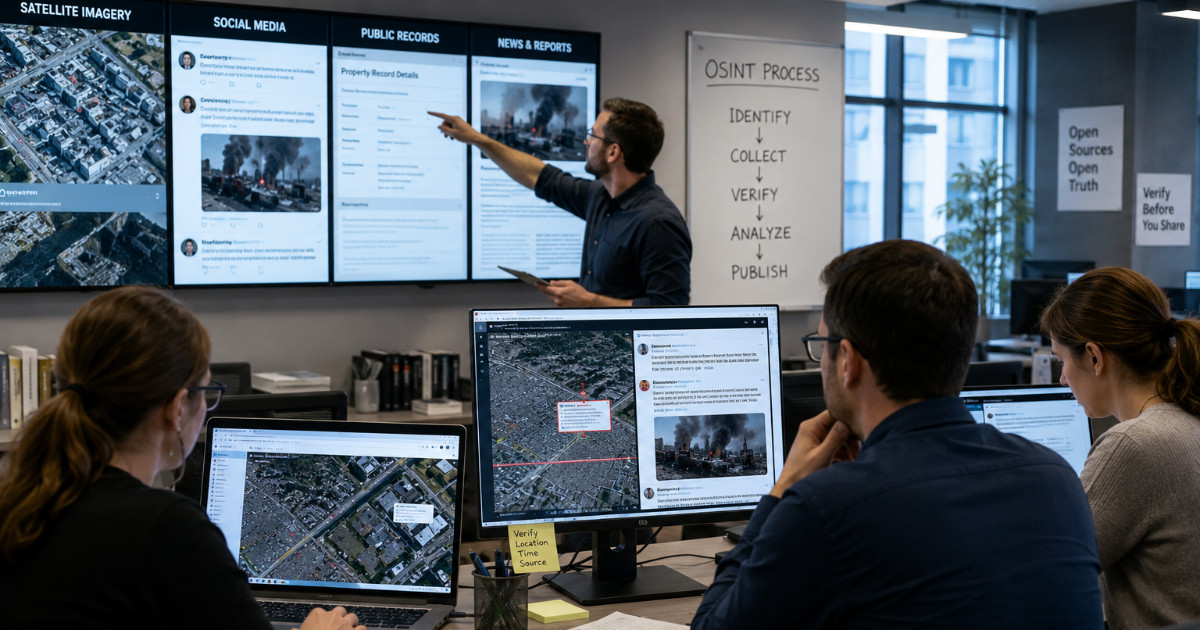
Internationally, doomscrolling became particularly visible during major global crises such as the Russia-Ukraine war and the Israel-Gaza conflict. Social media users across platforms encountered nonstop streams of battlefield footage, graphic videos, political commentary, and unverified claims shared in real time. Major organizations, including BBC News, CNN, and Reuters, adjusted digital coverage strategies during periods of intense online consumption by adding verification labels, context sections, and live updates designed to reduce confusion around rapidly spreading information.
Technology companies have also faced scrutiny over how their recommendation systems amplify emotionally charged material. In the United States, lawmakers and researchers have repeatedly questioned how platforms such as YouTube, Facebook, and TikTok prioritize engagement-heavy content during political crises or public emergencies. Public hearings, research reports, and regulatory filings have increasingly examined whether algorithmic systems unintentionally reward outrage and fear-based engagement.
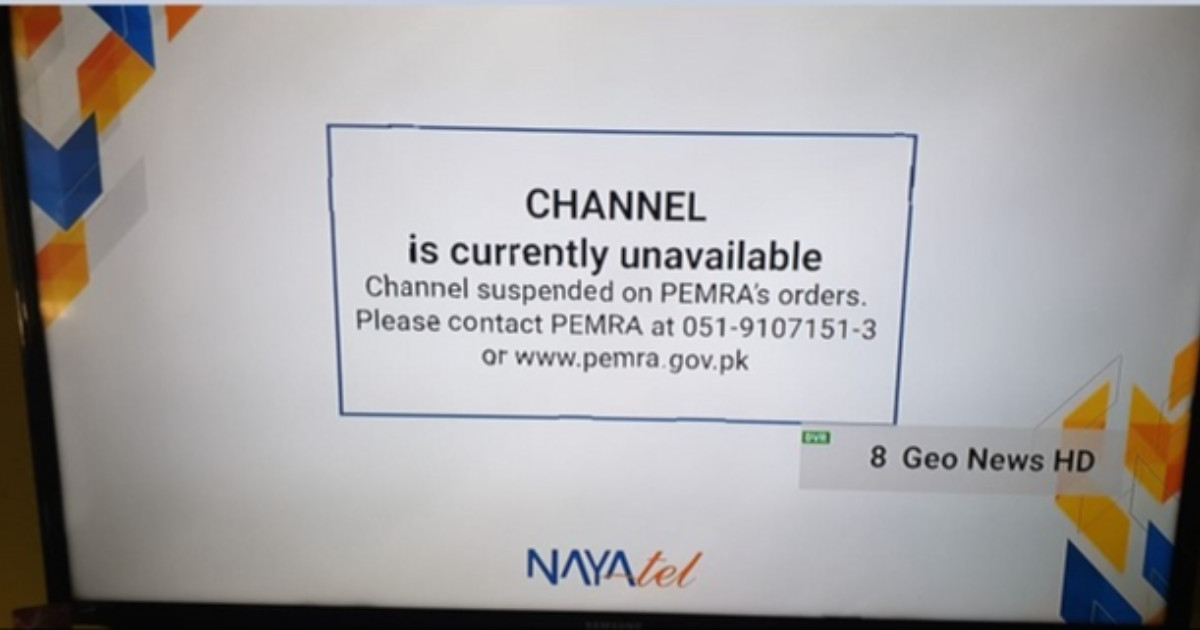
In Pakistan, doomscrolling patterns frequently emerge during periods of political unrest, court proceedings involving high-profile political figures, or nationwide protests. During internet disruptions and election-related tensions, users often rely heavily on X, YouTube, TikTok, and WhatsApp for constant updates, rumors, commentary, and live-streamed footage. Media monitoring groups and digital rights organizations have repeatedly warned that fast-moving online narratives can spread misinformation alongside legitimate reporting, especially when audiences consume content continuously without verification.
South Asia has also seen growing concerns about emotionally manipulative content tied to disinformation campaigns, communal tensions, and AI-generated media. Fact-checking organizations and independent digital rights groups increasingly encourage audiences to pause, verify sources, and avoid sharing emotionally provocative content without confirmation.
As journalism continues shifting toward platform-centered distribution, doomscrolling is likely to remain part of the global media conversation. Understanding the term helps audiences recognize how algorithms, business incentives, and human behavior interact in shaping the modern information environment. It also highlights why digital literacy, responsible journalism, and thoughtful news consumption are becoming increasingly important in an age of constant connectivity.
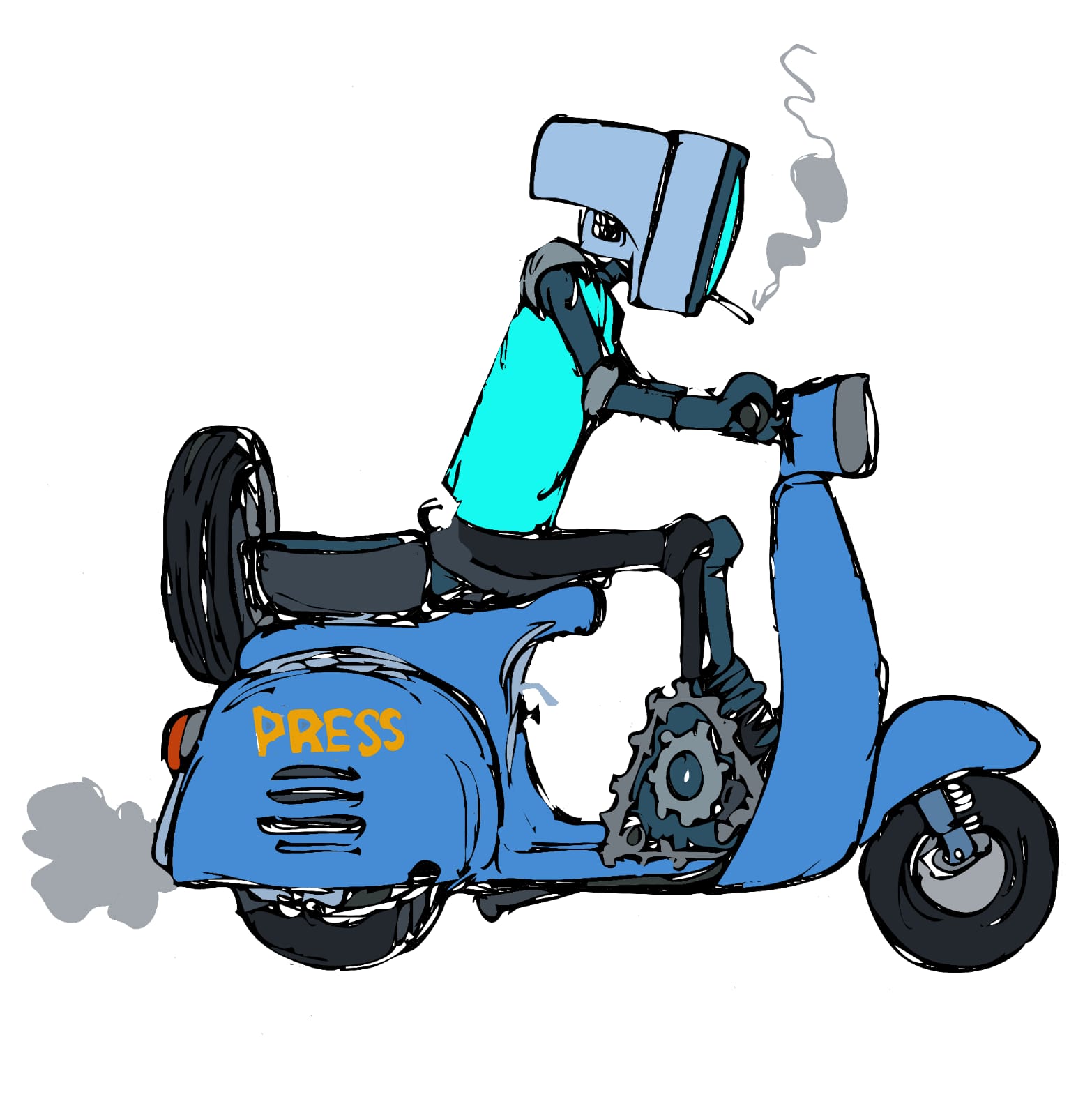
PHOTO: AI-generated; for illustrative purposes
MORE JOURNALISM TERMS: You may also find the following JournalismPakistan explainers useful:
Key Points
- Doomscrolling is the repetitive consumption of negative or alarming content across feeds and apps.
- It emerged in prominence during COVID-19 and has spread to politics, conflicts and viral misinformation.
- The practice increases emotional fatigue, anxiety and can distort public perception of risk.
- Algorithms and viral clips amplify attention to sensational content, reinforcing the cycle.
- Newsrooms face pressures to balance speed, audience engagement and ethical reporting practices.
Key Questions & Answers
What is doomscrolling?
Doomscrolling is repeatedly consuming negative, alarming, or emotionally heavy content online, often for long periods and across social platforms and news apps.
How does doomscrolling affect audiences?
It can heighten anxiety, emotional fatigue and a distorted sense of risk, while reducing attention spans and increasing polarized reactions.
How are newsrooms responding to doomscrolling?
Many outlets are rethinking headline framing, pacing of updates, verification practices and distribution strategies to avoid fueling anxiety while keeping audiences informed.
What can individuals do to reduce doomscrolling?
Set time limits, curate feeds, follow reliable sources, schedule breaks from screens and seek balanced information rather than constant updates.
Relevant Topics
Ask AI: Understand this story your way
AI EnabledDig deeper, ask anything — get instant context, background, and clarity.
Disclaimer: This feature is powered by AI and is intended to help readers explore and understand news stories more easily. While we strive for accuracy, AI-generated responses may occasionally be incomplete or reflect limitations in the underlying model. This feature does not represent the editorial views of JournalismPakistan. For our full, verified reporting, please refer to the original article.