
As AI reshapes news, publishers seek a sustainable future
JournalismPakistan.com | Published: 5 June 2026 | JP Global Monitoring
Join our WhatsApp channel
At the World News Media Congress in Marseille, publishers discussed how generative AI is altering newsroom workflows, audience engagement and content licensing. They also addressed business sustainability and protecting press freedom.Summary
MARSEILLE — Artificial intelligence, business sustainability, and press freedom emerged as the dominant themes at the 77th World News Media Congress, where publishers, editors, and media executives from around the world gathered to discuss the future of journalism amid rapid technological and economic change.
Held in Marseille, France, from June 1 to 3, the annual event organized by WAN-IFRA brought together industry leaders to examine how news organizations are adapting to generative AI, shifting audience behavior, platform disruption, and growing pressures on traditional business models.
AI has rapidly moved from an experimental technology to a strategic priority for many news organizations, and discussions throughout the congress reflected the industry's efforts to balance innovation with editorial integrity.
AI takes center stage
News executives and technology leaders highlighted how artificial intelligence is being integrated into newsroom operations, including content discovery, translation, workflow automation, audience engagement, and editorial production. Speakers emphasized that while AI offers opportunities to improve efficiency and expand capabilities, human oversight remains essential in maintaining accuracy, trust, and editorial standards.
Many discussions focused on the relationship between publishers and AI companies, particularly concerns about content use, licensing arrangements, attribution, and the long-term value of original journalism. Industry leaders stressed the importance of ensuring that news organizations retain control over their content and maintain direct relationships with audiences.
The growing influence of technology platforms also featured prominently in conversations about the future of news distribution. Publishers discussed strategies for strengthening reader loyalty and reducing dependence on external platforms that increasingly shape how audiences discover information.
Publishers search for sustainable growth
Business sustainability remained another major priority as media executives explored ways to diversify revenue and strengthen financial resilience.
Sessions examined subscription growth, membership programs, audience revenue strategies, and efforts to reduce reliance on advertising income. Speakers noted that many publishers are continuing to invest in direct reader relationships as a way to build more stable and predictable revenue streams.
Industry leaders also discussed the importance of product development, audience engagement, and data-informed decision-making as news organizations navigate a rapidly changing media environment. While business models vary across markets, participants broadly agreed that sustainable journalism depends on developing multiple revenue sources rather than relying on a single platform or funding stream.
The discussions reflected a wider industry recognition that financial sustainability and editorial independence are increasingly interconnected challenges.
Press freedom remains a priority
Press freedom and journalist safety also remained central themes during the congress.
One of the most prominent moments of the event was the presentation of WAN-IFRA's 2026 Golden Pen of Freedom award to photo and video journalists working in Gaza. The recognition highlighted the role of local journalists who have continued documenting events despite significant risks and operational challenges.
The award drew attention to broader concerns about journalist safety in conflict zones and the growing reliance of international news organizations on local reporters where access restrictions limit foreign media coverage.
Participants also discussed the importance of protecting journalists, supporting independent reporting, and maintaining access to reliable information in increasingly complex political and security environments.
The conversations in Marseille underscored the extent to which the global media industry is confronting multiple challenges simultaneously. News organizations are adapting to transformative technologies while seeking sustainable business models and continuing to defend the principles of independent journalism.
As publishers navigate an increasingly AI-driven and platform-dominated landscape, many of the congress's discussions reflected a common conclusion: the future of journalism will depend not only on technological innovation but also on the industry's ability to preserve trust, maintain editorial independence, and build durable relationships with audiences.
WHY THIS MATTERS: The themes discussed at the World News Media Congress reflect challenges facing news organizations across all markets, including emerging media economies. For journalists and media leaders, the event highlighted how AI adoption, audience revenue, and trust-building are increasingly shaping newsroom strategy and long-term sustainability. The discussions also reinforced the continuing importance of press freedom and journalist safety in a rapidly evolving information environment.
ATTRIBUTION: Reporting by JournalismPakistan, based on publicly available information from WAN-IFRA conference materials, official event announcements, and related industry reporting published June 1–3, 2026.
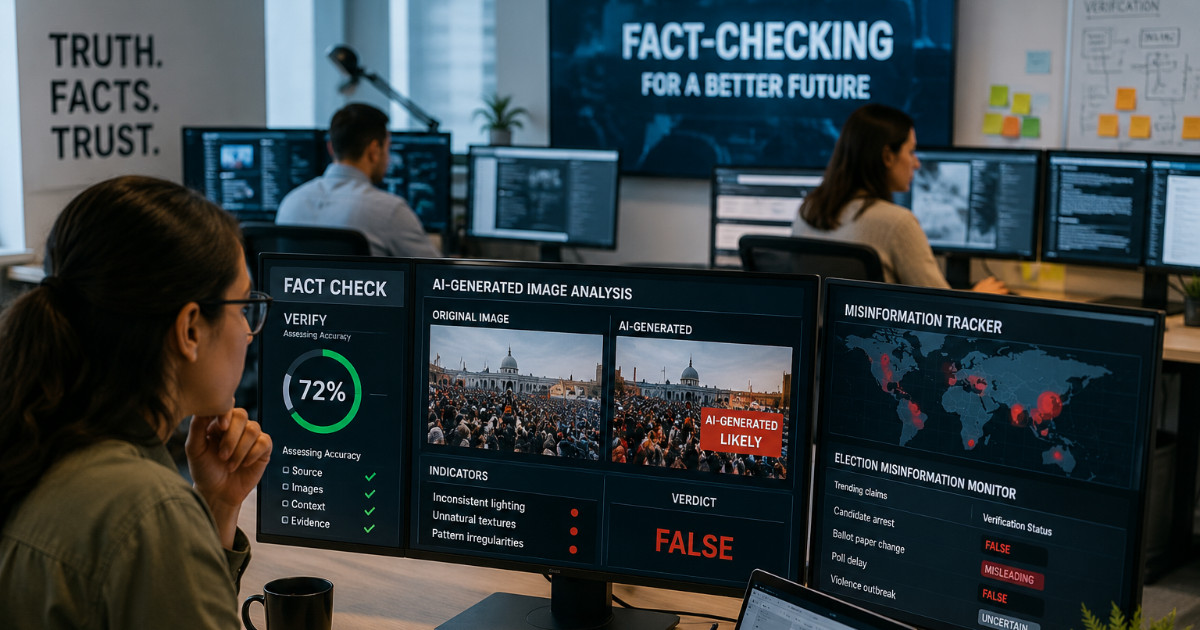
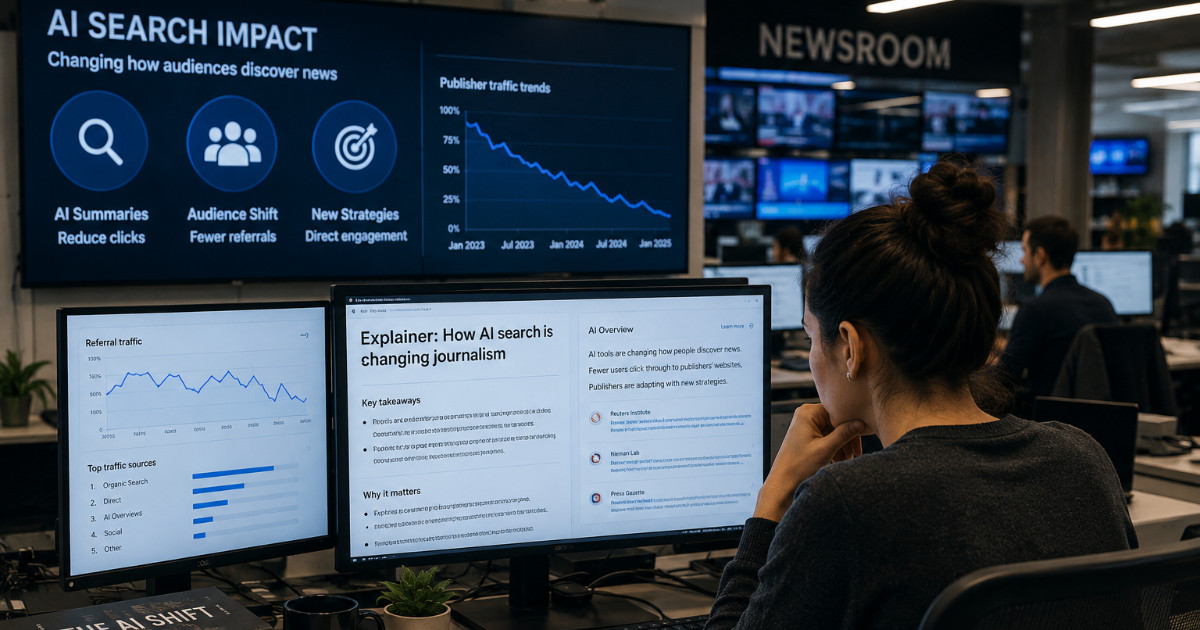
PHOTO: AI-generated; for illustrative purposes only.
Key Points
- AI is being integrated into content discovery, translation, workflow automation and audience engagement.
- Speakers emphasized that human oversight is essential to maintain accuracy, trust and editorial standards.
- Publishers raised concerns about content use, licensing arrangements, attribution and control over original journalism.
- Discussions highlighted the need for sustainable business models amid platform disruption and shifting audiences.
- Protecting press freedom and the value of original reporting were central themes at the congress.
Key Questions & Answers
What was the main focus of the congress?
The congress focused on the impact of generative AI, business sustainability and press freedom on the future of journalism.
How are newsrooms using AI?
Newsrooms are using AI for content discovery, translation, workflow automation, audience engagement and editorial support, with an emphasis on human oversight.
What concerns did publishers express about AI?
Publishers voiced concerns over how AI companies use news content, licensing terms, attribution and the long-term value and control of original journalism.
What actions were suggested by attendees?
Attendees called for clearer licensing arrangements, stronger editorial safeguards and strategies to build sustainable revenue models while defending press freedom.
Ask AI: Understand this story your way
AI EnabledDig deeper, ask anything — get instant context, background, and clarity.
Disclaimer: This feature is powered by AI and is intended to help readers explore and understand news stories more easily. While we strive for accuracy, AI-generated responses may occasionally be incomplete or reflect limitations in the underlying model. This feature does not represent the editorial views of JournalismPakistan. For our full, verified reporting, please refer to the original article.