.jpg)
China condemns US restrictions on Xinhua reporter
JournalismPakistan.com | Published: 1 June 2026 | JP Global Monitoring
Join our WhatsApp channel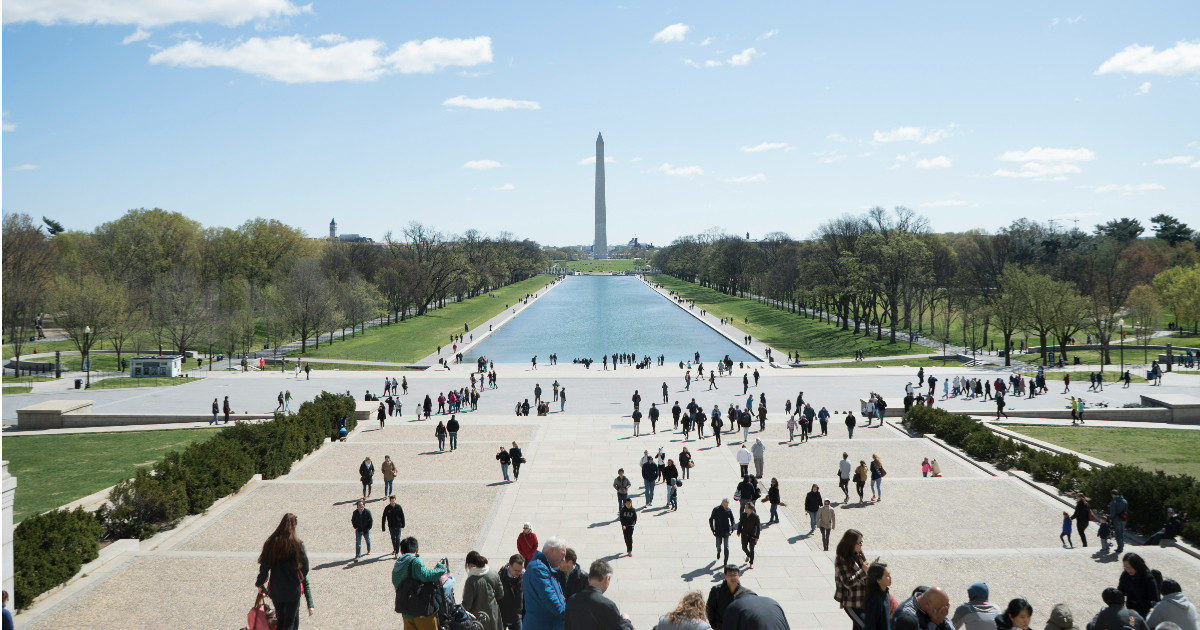
China accused the United States of 'political suppression' after a Xinhua reporter faced restrictions in the US and called the treatment unfair to Chinese media. The incident adds tension amid reciprocal limits on foreign correspondents and media visas.Summary
BEIJING—China has accused the United States of engaging in what it described as "political suppression" after a reporter from state-run Xinhua News Agency faced restrictions in the United States, adding a new point of friction to an already strained media relationship between the two countries.
Chinese officials said the case reflects what they view as unfair treatment of Chinese media personnel operating in the United States. Public details about the specific restrictions have remained limited, and neither side has publicly released a comprehensive account of the measures involved.
Media access becomes a diplomatic flashpoint
The dispute comes against the backdrop of years of reciprocal measures affecting journalists and news organizations from both countries. Since 2020, Washington and Beijing have imposed various restrictions on foreign correspondents, media visas, and state-affiliated news organizations, with each side accusing the other of discriminatory treatment.
Press freedom advocates and media analysts have repeatedly warned that escalating diplomatic tensions can directly affect journalists' ability to gather information, maintain sources, and report across borders. Restrictions on foreign correspondents can also reduce independent coverage of major international developments.
Foreign correspondents face ongoing uncertainty
The latest disagreement underscores how news organizations increasingly find themselves caught in broader geopolitical disputes. International correspondents often depend on visas, accreditation, and regulatory approvals that can become vulnerable during periods of diplomatic confrontation.
For global media organizations, the dispute highlights the continuing uncertainty surrounding access for foreign reporters working in politically sensitive environments. Media observers note that restrictions affecting journalists from one country frequently trigger calls for reciprocal measures, creating long-term challenges for international reporting.
WHY THIS MATTERS: The dispute illustrates how foreign correspondents can become entangled in broader geopolitical conflicts, affecting news gathering and international coverage. For media organizations, it reinforces the importance of monitoring regulatory and diplomatic developments that may affect reporting access, staffing, and cross-border journalism operations.
ATTRIBUTION: Reporting by JournalismPakistan, based on publicly available statements reported by Chinese authorities and international media coverage published on June 1, 2026.
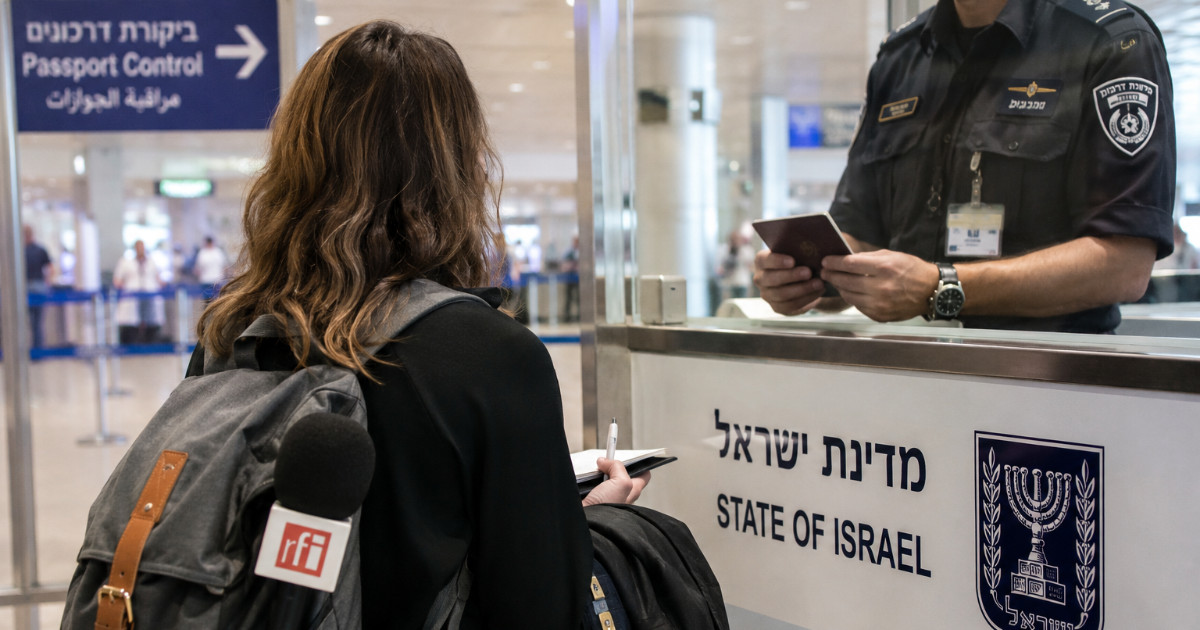
PHOTO: Jacob Creswick on Unsplash
Key Points
- China accused the US of political suppression after restrictions were placed on a Xinhua reporter.
- Public details about the specific measures remain limited and not fully disclosed by either side.
- The dispute occurs amid years of reciprocal restrictions since 2020 affecting journalists and state-affiliated outlets.
- Press freedom advocates warn such limits can hinder journalists' ability to gather information and maintain sources.
- Foreign correspondents increasingly face uncertainty over visas, accreditation, and regulatory approvals.
Key Questions & Answers
What did China allege about the US action?
China described the restrictions on a Xinhua reporter as political suppression and said the measures amounted to unfair treatment of Chinese media personnel.
Are the details of the restrictions public?
No. Public information about the specific restrictions is limited, and neither side has released a comprehensive account of the measures.
How does this fit into broader China-US media relations?
The case adds to years of reciprocal measures since 2020 affecting correspondents, media visas and state-affiliated outlets, increasing tensions between the two countries.
What are the potential effects on journalism?
Press freedom advocates say such restrictions can hinder reporting, limit access to sources, and reduce independent coverage of international developments.
Ask AI: Understand this story your way
AI EnabledDig deeper, ask anything — get instant context, background, and clarity.
Disclaimer: This feature is powered by AI and is intended to help readers explore and understand news stories more easily. While we strive for accuracy, AI-generated responses may occasionally be incomplete or reflect limitations in the underlying model. This feature does not represent the editorial views of JournalismPakistan. For our full, verified reporting, please refer to the original article.