.png)
Five warning signs for global journalism in May 2026
JournalismPakistan.com | Published: 31 May 2026 | JP Special Report
Join our WhatsApp channel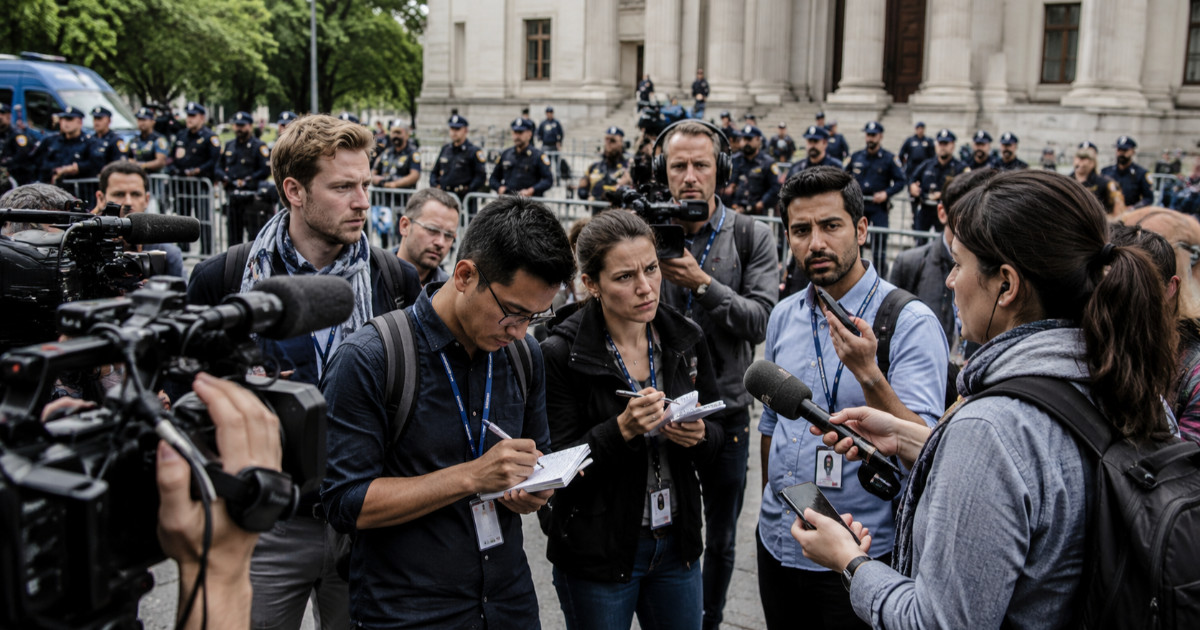
May 2026 exposed five warning signs for global journalism: increasing arrests and legal actions against reporters, government media restrictions, suspension of foreign outlets, newsroom layoffs, and mounting disruption from artificial intelligence.Summary
ISLAMABAD — Journalism faced mounting challenges across multiple fronts in May 2026, from journalist arrests and media restrictions to newsroom layoffs and the growing disruption caused by artificial intelligence. Developments reported throughout the month pointed to deeper structural pressures affecting both press freedom and the sustainability of news organizations worldwide.
While the challenges varied by region, five recurring warning signs emerged from the global media landscape.
Journalists continued to face arrests, detention, and legal pressure
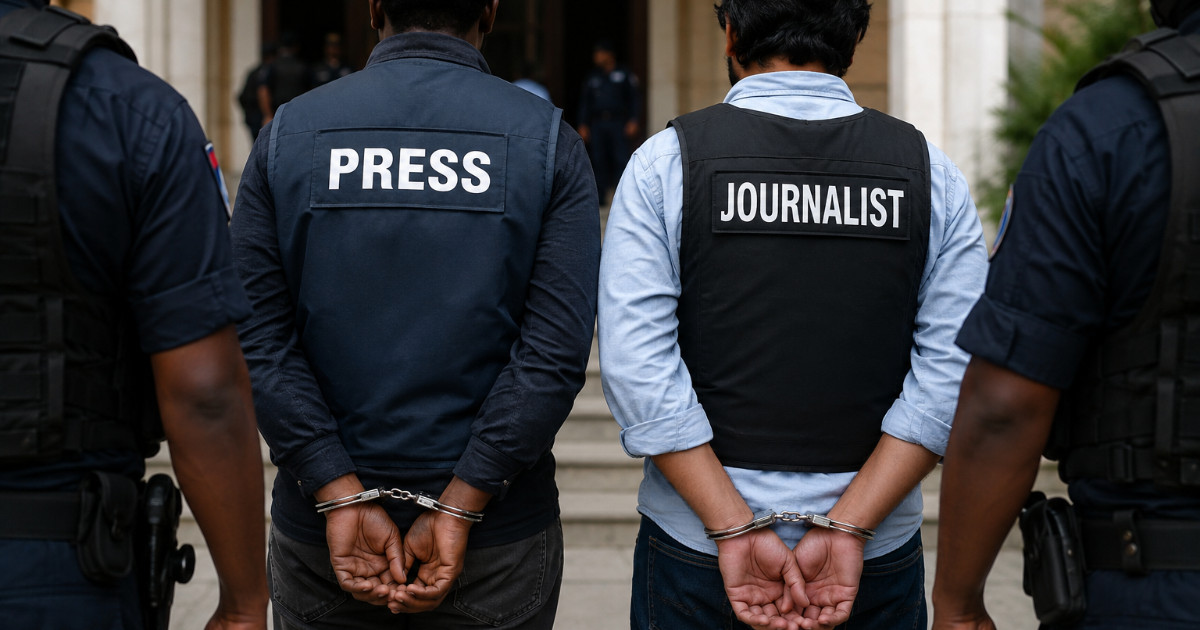
Governments and authorities in several countries continued to use legal proceedings, detention, and regulatory measures against journalists and media outlets.
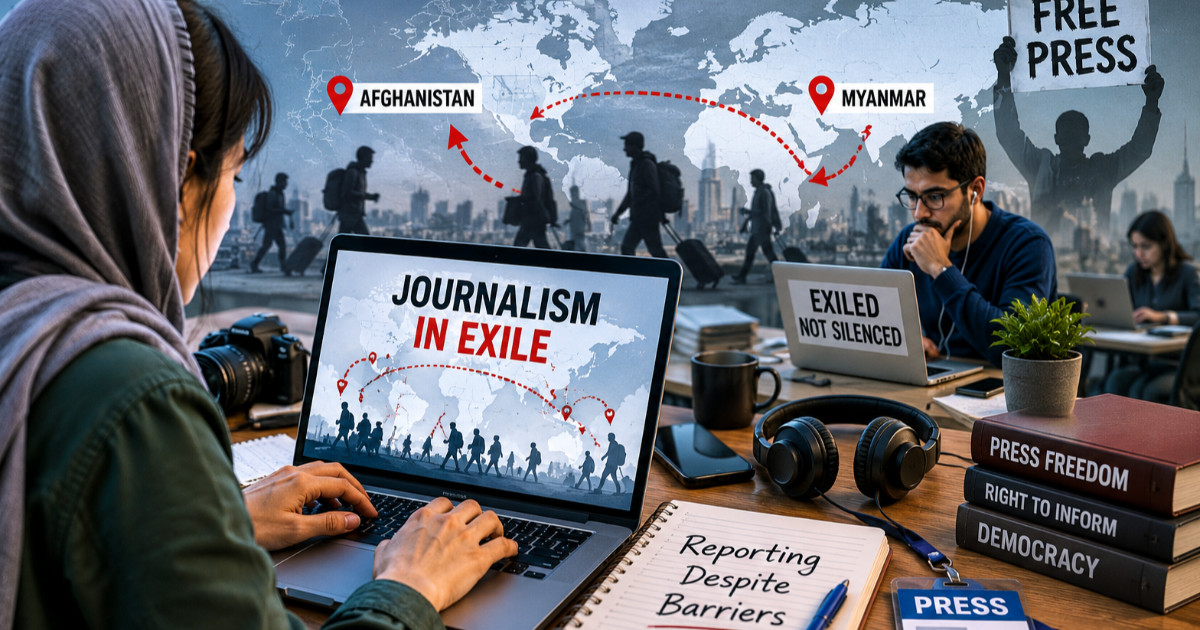
In the Maldives, journalists faced criminal charges and jail sentences linked to their reporting, prompting domestic and international criticism. Hong Kong journalist Ronson Chan was ordered to serve a prison sentence after losing an appeal, while press freedom groups renewed calls for the release of publisher Jimmy Lai. In Afghanistan, Taliban authorities detained journalists from TOLOnews and other outlets, reinforcing concerns about the shrinking space for independent reporting.
Vietnam remained under scrutiny over the imprisonment of journalist Phạm Đoan Trang, while Niger suspended several French media organizations, including AFP, France 24, and Radio France Internationale. Iran introduced new restrictions affecting the flow of information to foreign Persian-language broadcasters.
Taken together, these developments highlighted a continuing trend: legal systems, licensing rules, and national security arguments are increasingly being used to limit journalistic activity.
Journalist safety remained a global concern
The dangers facing journalists extended beyond legal pressure.
The Philippines recorded the killings of community journalist RJ Nichole Ledesma and radio journalist Nestor Micator, prompting renewed calls for accountability and raising concerns about impunity for crimes against media workers.
In Gaza, local photojournalists and videographers received the 2026 Golden Pen of Freedom award for continuing to report under exceptionally dangerous conditions. The recognition underscored the growing reliance of international audiences on local journalists operating in conflict zones where foreign media access remains restricted.
Meanwhile, concerns over the security of exiled journalists resurfaced in Britain after a court case involving alleged surveillance targeting a journalist associated with Iran International.
The month demonstrated that threats to journalists remain both physical and transnational, extending from conflict zones to democratic societies.
News organizations faced mounting economic pressure
Financial instability continued to reshape the media industry.
The BBC prepared for significant job reductions as part of a wider cost-cutting strategy, while National Public Radio began restructuring following funding reductions. The Associated Press experienced both voluntary buyouts and subsequent layoffs affecting newsroom staff across multiple divisions.
India's NDTV reported its tenth consecutive quarterly loss, highlighting the financial difficulties facing legacy broadcasters in a rapidly changing media environment.
Corporate restructuring also remained a defining feature of the industry. James Murdoch's acquisition of New York magazine and Vox Media assets signaled continued consolidation, while CBS News initiated major changes at 60 Minutes as traditional broadcasters sought to adapt to shifting audience habits.
The economic pressures confronting media organizations increasingly affect editorial capacity, newsroom staffing, and long-term sustainability.
Artificial intelligence moved from theory to reality
If one issue dominated discussions about journalism's future in May, it was artificial intelligence.
At McClatchy newspapers, journalists withheld bylines in protest over the use of AI systems to repackage newsroom content. The New York Times reinforced restrictions on AI use by freelance contributors, emphasizing that published work must remain the product of human journalism.
At the same time, concerns grew over AI-generated misinformation after a fabricated front page of The Hindu circulated widely online. The industry conference, the N3Con in Bangkok, highlighted growing anxiety about AI's impact on reporting, trust, and newsroom operations.
Publishers also confronted a more immediate challenge: AI-powered search tools and chatbot-generated answers are reducing referral traffic to news websites, threatening business models that have long depended on search-driven audiences.
The debate is no longer about whether AI will affect journalism. It is already reshaping how news is produced, distributed, and discovered.
Media access and transparency remained contested
Several developments illustrated ongoing battles over access to information.
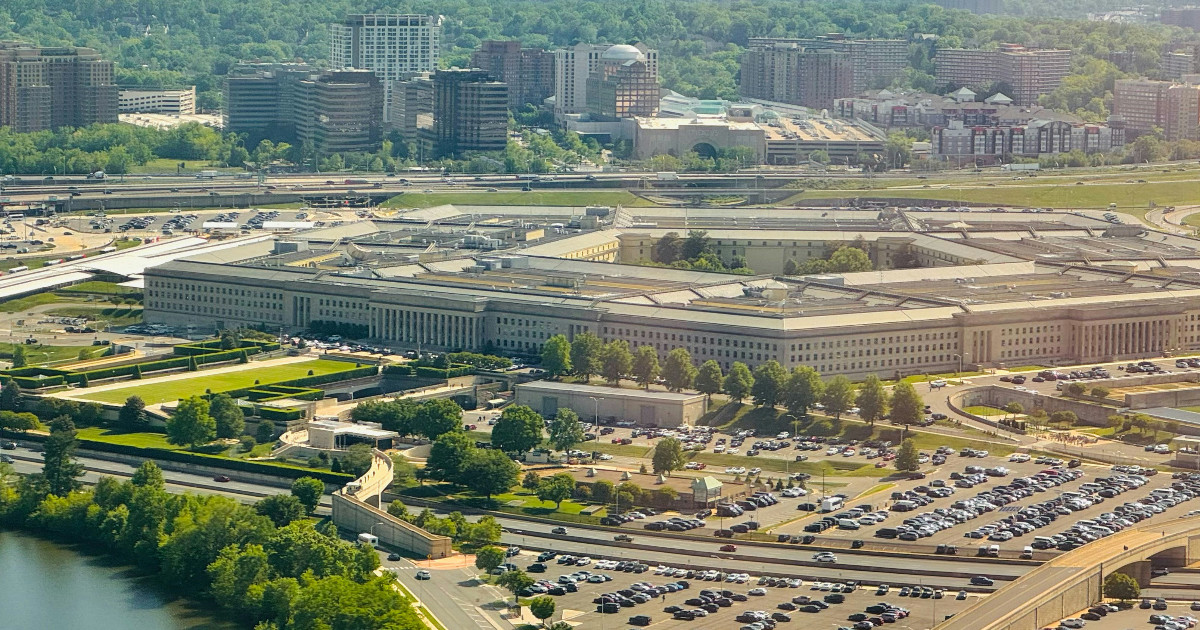
European lawmakers intensified calls for Israel to allow foreign journalists into Gaza, while The New York Times launched a legal challenge against new Pentagon press access restrictions in the United States.
Argentina partially reversed controversial restrictions on journalists' access to the presidential palace following criticism from media organizations and press freedom advocates.
These disputes reflected a broader global trend: access to officials, institutions, and conflict zones remains a critical battleground for journalists seeking to independently verify information.
A month of warning signs
The developments of May 2026 revealed a profession confronting multiple pressures simultaneously. Journalists continued to face arrests, imprisonment, violence, and restrictions on access. News organizations grappled with economic uncertainty and industry consolidation. Artificial intelligence accelerated changes that are reshaping both editorial workflows and audience behavior.
While media organizations, unions, and press freedom groups continued to push back against these challenges, the events of the month offered a clear reminder that journalism's future will depend not only on technological adaptation but also on the defense of press freedom, newsroom sustainability, and public trust.
ATTRIBUTION: Reporting by JournalismPakistan
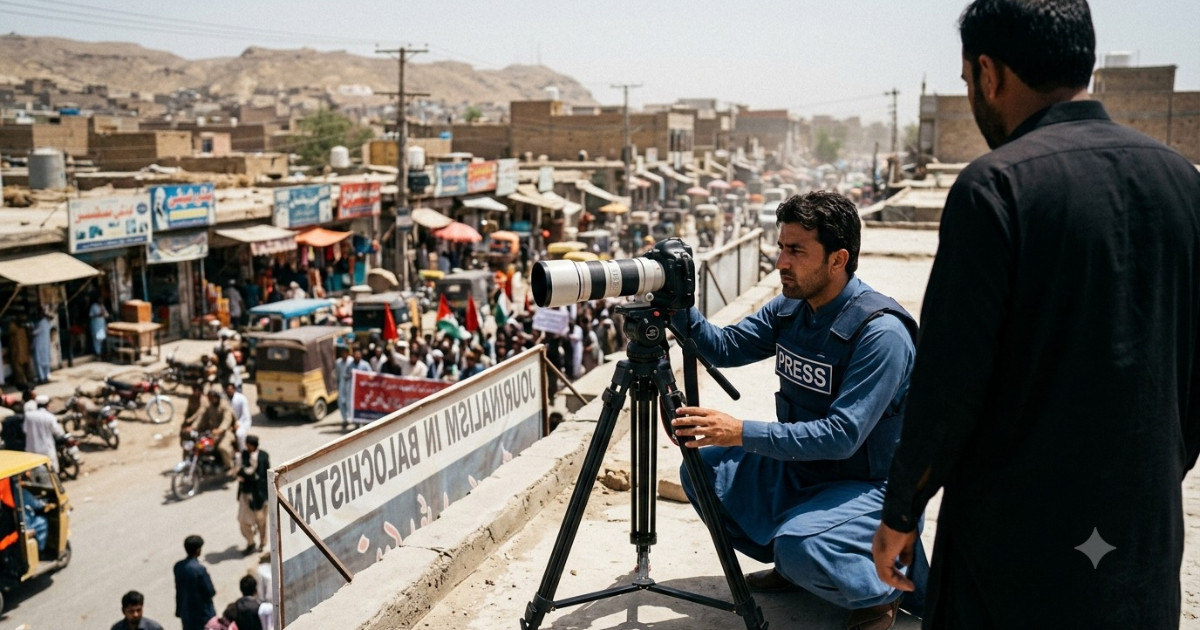
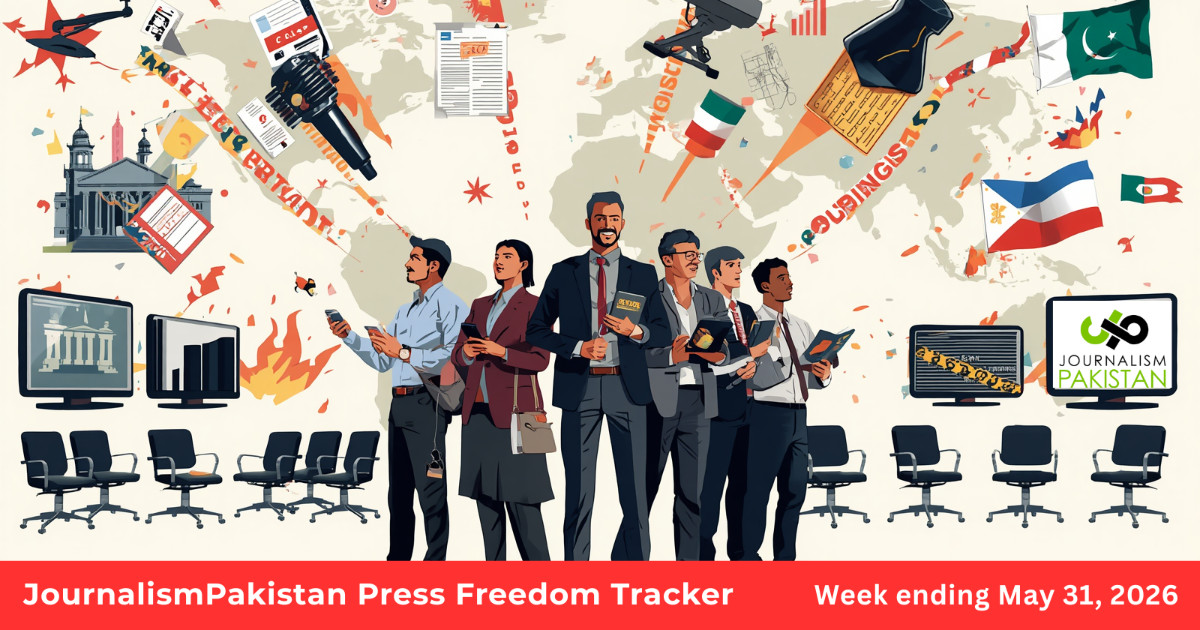
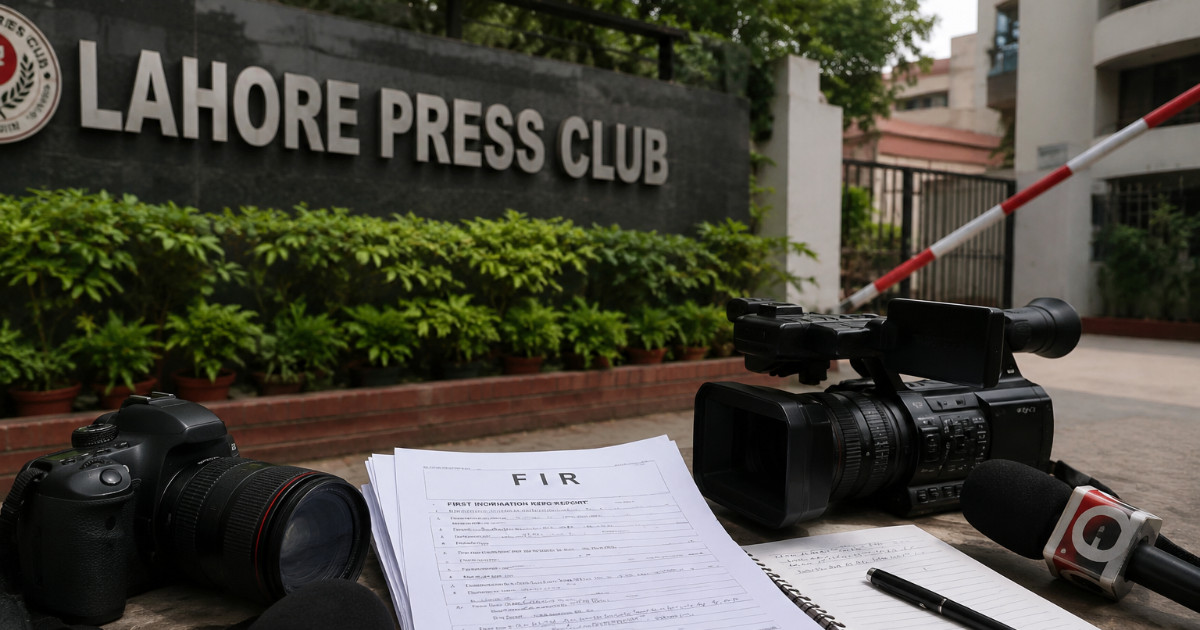
PHOTO: AI-generated; for illustrative purposes
Key Points
- Rising arrests, detentions, and legal cases targeting journalists in multiple countries.
- Governments are imposing restrictions and suspensions on domestic and foreign media outlets.
- Newsroom layoffs and financial strain are undermining news organizations' sustainability.
- Growing disruption from artificial intelligence is affecting reporting and operations.
- Combined legal, regulatory, and economic pressures threaten press freedom globally.
Key Questions & Answers
What are the five warning signs identified in May 2026?
The five warning signs are arrests and legal action against journalists, media restrictions and suspensions, newsroom layoffs, legal and regulatory pressure, and disruption from artificial intelligence.
Which regions or countries were highlighted?
Reports cited cases in the Maldives, Hong Kong, Afghanistan, Vietnam, Niger, and Iran, among others, showing the problem is widespread and varied by region.
How do these trends affect press freedom?
Combined legal, regulatory, and economic pressures restrict independent reporting, increase self-censorship, and undermine the ability of news organizations to operate freely.
What can news organizations and supporters do in response?
Measures include legal support for journalists, advocacy for lifting restrictions, diversifying revenue to shore up newsrooms, and careful, ethical use of AI to protect reporting standards.
Relevant Topics
Ask AI: Understand this story your way
AI EnabledDig deeper, ask anything — get instant context, background, and clarity.
Disclaimer: This feature is powered by AI and is intended to help readers explore and understand news stories more easily. While we strive for accuracy, AI-generated responses may occasionally be incomplete or reflect limitations in the underlying model. This feature does not represent the editorial views of JournalismPakistan. For our full, verified reporting, please refer to the original article.