
India's NDTV posts 10th straight quarterly loss as costs rise
JournalismPakistan.com | Published: 1 May 2026 | JP Asia Desk
Join our WhatsApp channel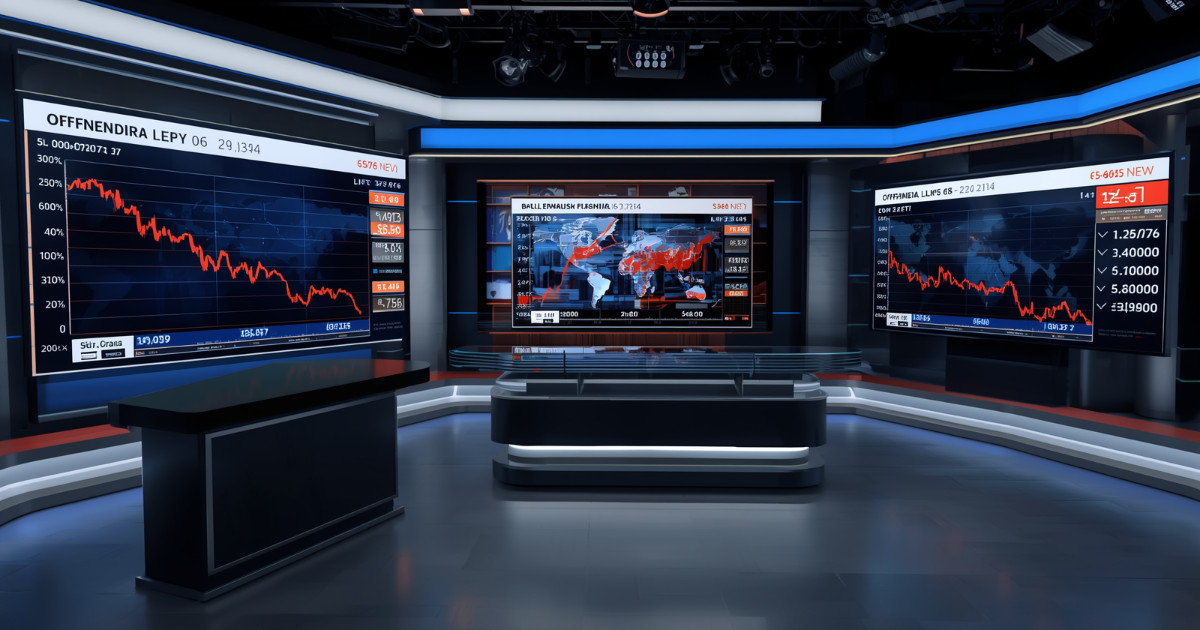
NDTV posted its tenth straight quarterly loss as programming, digital and operational costs outpaced advertising revenue, deepening short-term financial strain amid uneven TV ad recovery and intensified competition from digital platforms.Summary
NEW DELHI—Indian broadcaster NDTV has reported its tenth consecutive quarterly loss, underscoring continued financial strain amid rising operational costs and a challenging advertising environment for legacy media outlets in the country.
The latest earnings disclosure shows the network remains under pressure as expenses continue to outpace revenue growth, a trend that has persisted across multiple reporting cycles. The company has not indicated a near-term reversal of its loss-making streak.
Analysts tracking India’s media sector have attributed the sustained losses to structural shifts in advertising spending, increased competition from digital platforms, and higher content production and distribution costs. NDTV’s performance reflects broader challenges faced by traditional broadcasters adapting to a rapidly evolving media economy.
Rising costs deepen financial pressure
The broadcaster’s cost base has reportedly remained elevated, driven by investments in programming, digital infrastructure, and operational overheads. While such spending is often aimed at long-term competitiveness, it has weighed heavily on short-term profitability.
Advertising revenue across the Indian television sector has also shown uneven recovery, with brands increasingly reallocating budgets toward digital and performance-based platforms, further squeezing linear broadcasters.
Sector-wide headwinds persist
NDTV’s performance comes amid wider uncertainty in India’s media industry, where broadcasters are navigating declining television ad growth and audience fragmentation. Industry observers note that even established players are struggling to stabilize earnings in the current environment.
The company’s repeated quarterly losses highlight the ongoing transition challenges facing legacy news organizations as they attempt to balance digital expansion with traditional broadcast operations.
ATTRIBUTION: Reporting by JournalismPakistan, based on publicly available statements from NDTV’s latest quarterly earnings disclosure.
PHOTO: AI-generated; for illustrative purposes only.
Key Points
- NDTV recorded its tenth consecutive quarterly loss.
- Rising programming, digital and operational costs have weighed on margins.
- Advertising revenue growth has lagged as budgets shift to digital channels.
- Analysts point to audience fragmentation and tougher competition from digital platforms.
- The company has not signalled a near-term turnaround in profitability.
Key Questions & Answers
Why did NDTV report another quarterly loss?
NDTV cited rising programming, digital and operational costs that outpaced advertising revenue, contributing to continued losses.
Is advertising the main cause of the losses?
Falling or uneven recovery in TV advertising has been a key factor as marketers shift budgets toward digital and performance-based channels.
Are digital investments contributing to the losses?
Yes. Spending on digital infrastructure and content aimed at long-term competitiveness has increased near-term operational costs.
Does this reflect wider industry trends?
Yes. The results mirror sector-wide challenges including audience fragmentation, competition from digital platforms and higher content costs.
Relevant Topics
Ask AI: Understand this story your way
AI EnabledDig deeper, ask anything — get instant context, background, and clarity.
Disclaimer: This feature is powered by AI and is intended to help readers explore and understand news stories more easily. While we strive for accuracy, AI-generated responses may occasionally be incomplete or reflect limitations in the underlying model. This feature does not represent the editorial views of JournalismPakistan. For our full, verified reporting, please refer to the original article.