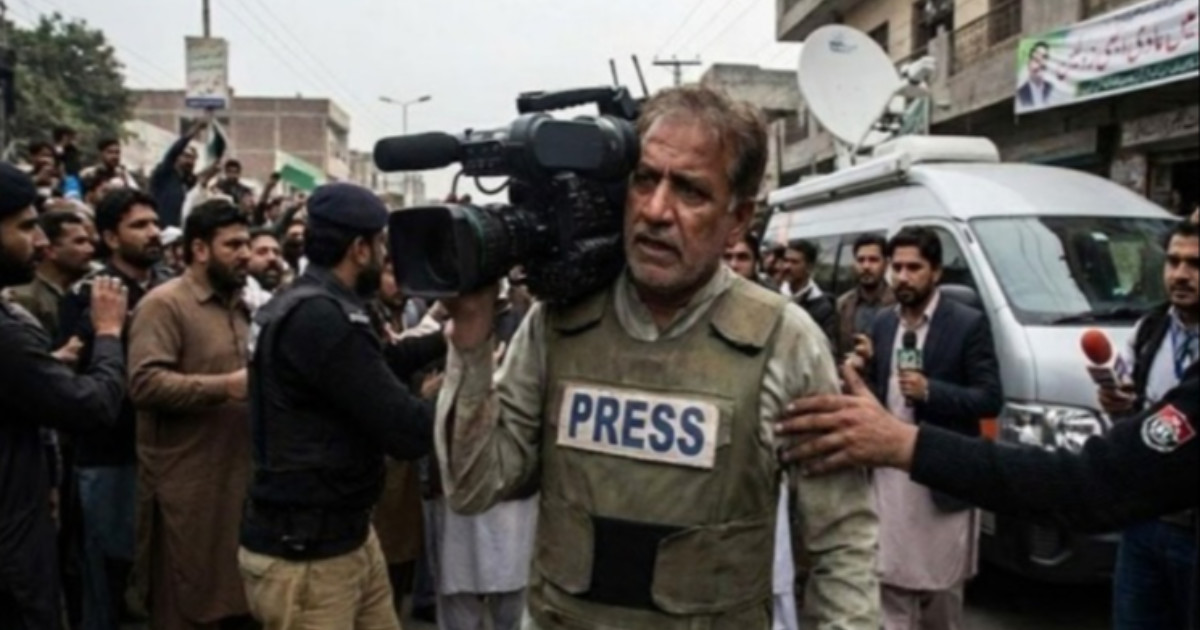

Journalist exile crisis deepens as countries forcing reporters to flee doubles
JournalismPakistan.com | Published: 20 June 2026 | JP Global Monitoring
Join our WhatsApp channel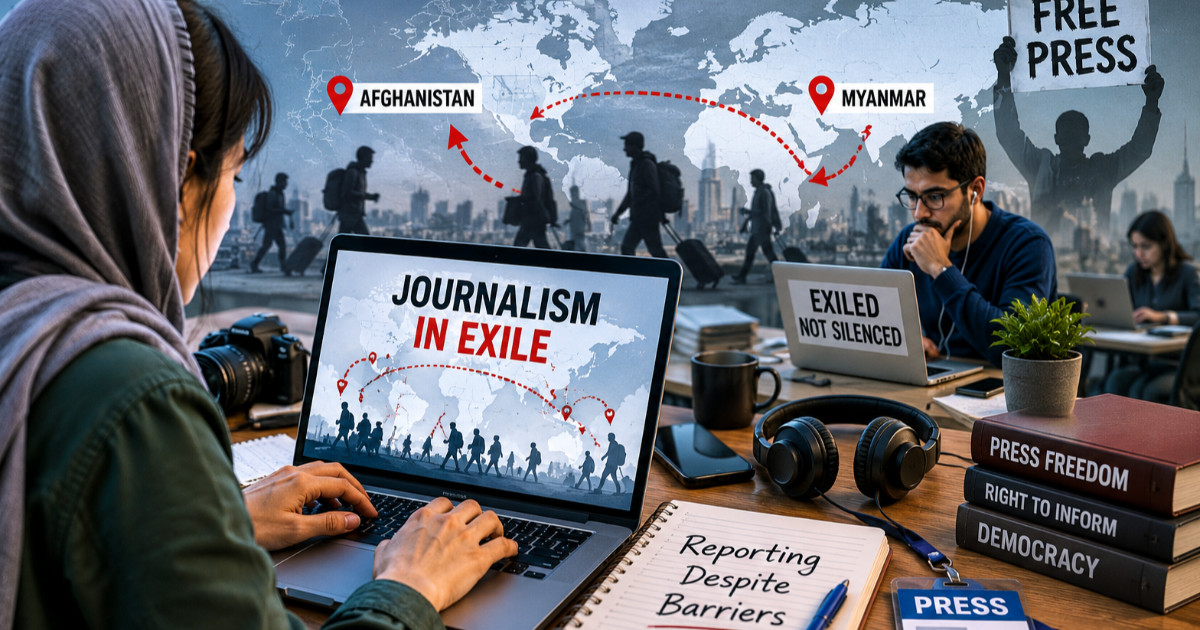
Reporters Without Borders reports the number of countries forcing journalists into exile has doubled over five years, signaling a widening global crisis for press freedom. Many now work abroad amid threats, legal pressure, imprisonment and conflict.Summary
PARIS — The number of countries from which journalists have been forced to flee has doubled over the past five years, according to a new assessment by Reporters Without Borders (RSF), highlighting what the organization describes as a growing global crisis for press freedom and journalist safety. The trend reflects increasing pressure on independent media in a range of countries where reporters face threats, legal action, imprisonment, conflict, or other forms of repression.
RSF said the rise in journalist exile underscores a broader deterioration in conditions for news gathering, with many reporters leaving their home countries to continue their work from abroad. Exile has increasingly become a survival strategy for journalists who can no longer operate safely in their own countries.
Asia remains a key concern
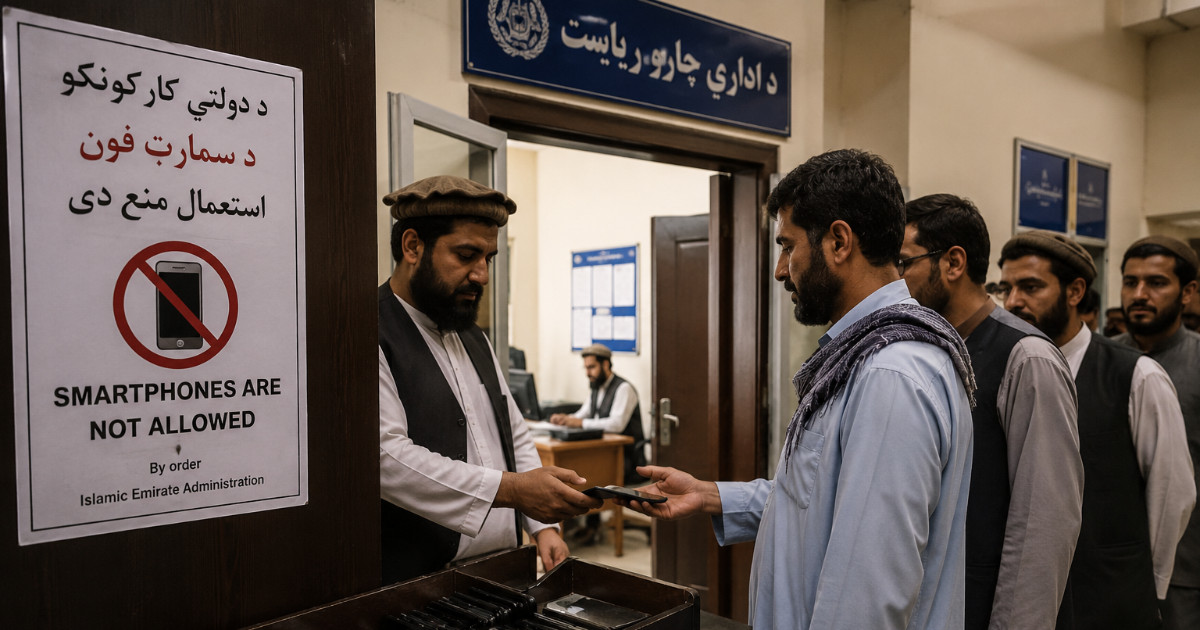
The issue is particularly relevant in Asia, where journalists in countries including Afghanistan and Myanmar continue to face significant challenges. Since the Taliban's return to power in Afghanistan in 2021, many journalists have left the country amid restrictions on media activity and concerns about personal safety. In Myanmar, independent journalists have faced sustained pressure following the military takeover in 2021, prompting many to relocate and continue reporting from outside the country.
The growth of exile journalism has created new challenges for media organizations. Reporters working from abroad often face financial uncertainty, difficulties accessing sources on the ground, and risks to family members who remain in their home countries. At the same time, exile newsrooms have become an important source of information from countries where independent reporting has been curtailed.
Impact on news coverage
Media observers say the increase in journalist displacement has implications beyond individual reporters. When journalists are forced into exile, local news ecosystems can lose experienced professionals, reducing the availability of independent reporting and weakening public access to reliable information.
The trend also highlights the increasingly cross-border nature of journalism. Exiled reporters frequently rely on digital tools, remote networks, and international partnerships to continue covering developments in their home countries. While these approaches help sustain reporting, they can make newsgathering more difficult and resource-intensive.
Growing challenge for press freedom
RSF's findings add to broader concerns about the global state of press freedom, particularly in countries where political instability, armed conflict, or restrictive media policies have created hostile environments for journalists. The organization's assessment suggests that journalist exile is no longer limited to a small number of countries but is becoming a more widespread phenomenon affecting media systems across multiple regions.
For news organizations, the growing number of exiled journalists raises questions about safety, sustainability, and support mechanisms for reporters forced to continue their work from abroad. It also highlights the importance of international cooperation in preserving independent journalism where local reporting conditions have deteriorated.
WHY THIS MATTERS: The increase in journalist exile reflects a changing landscape in which reporters are increasingly forced to operate across borders to continue their work. For media organizations, the trend underscores the need for stronger safety planning, cross-border reporting networks, and sustainable support structures for journalists working in exile.
ATTRIBUTION: Reporting by JournalismPakistan, based on publicly available statements and a report by Reporters Without Borders (RSF) in June 2026.
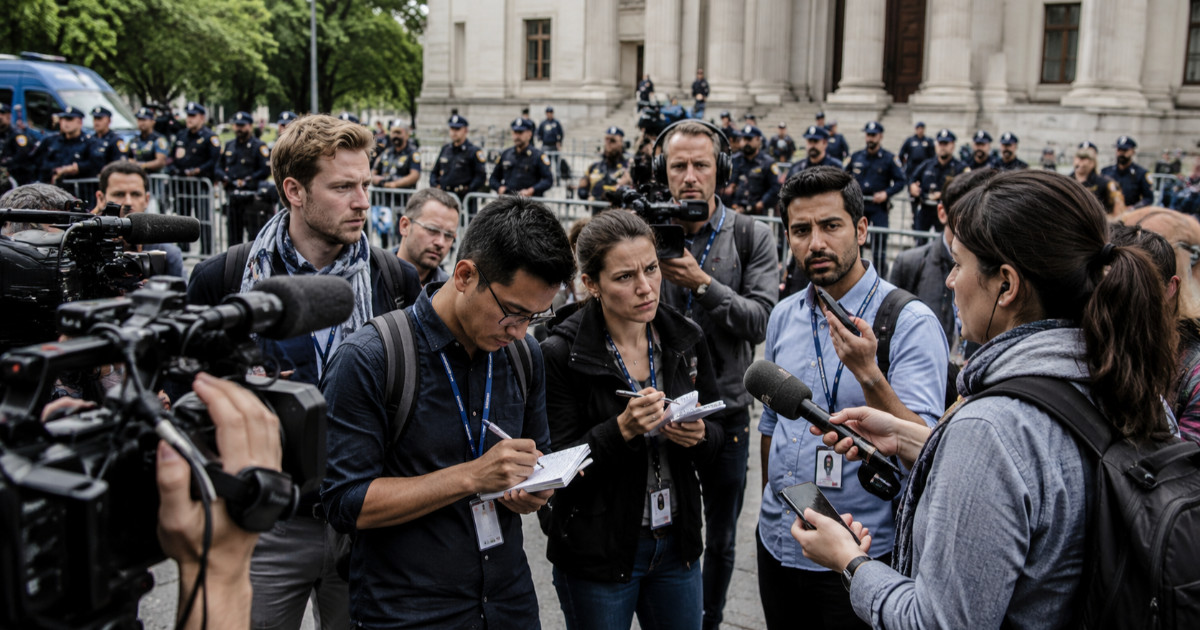
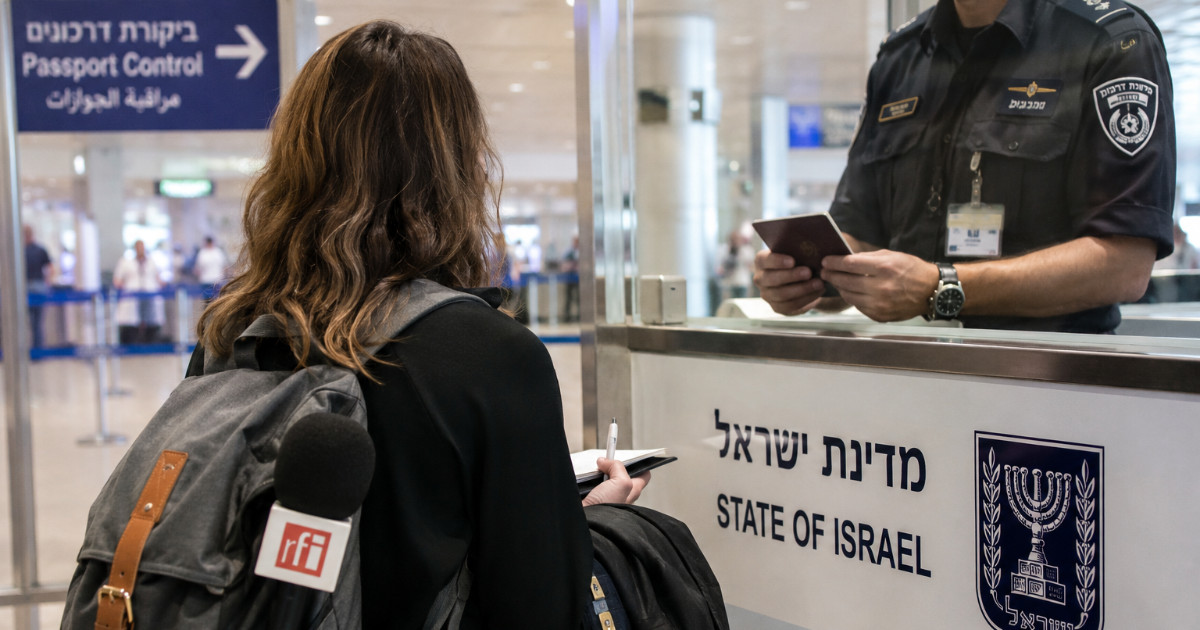
PHOTO: AI-generated; for illustrative purposes only.
Key Points
- Reporters Without Borders finds the number of countries forcing journalists into exile doubled in five years.
- Drivers include threats, legal action, imprisonment, conflict and censorship.
- Asia is highlighted, with Afghanistan and Myanmar major sources of exiled reporters.
- Exiled journalists face financial hardship, limited access to sources and risks to family members.
- The trend signals a widening global crisis for press freedom and independent reporting.
Key Questions & Answers
What did RSF report?
RSF reported that the number of countries forcing journalists into exile has doubled over the past five years.
Which regions are most affected?
RSF highlights Asia, notably Afghanistan and Myanmar, but the report says the trend is visible globally.
Why are journalists going into exile?
They face threats, arrests, legal pressure, censorship and conflict that make safe reporting at home impossible.
What challenges do exiled journalists face?
Exiled reporters often face financial instability, difficulty accessing on-the-ground sources and risks to relatives who remain at home.
Relevant Topics
Ask AI: Understand this story your way
AI EnabledDig deeper, ask anything — get instant context, background, and clarity.
Disclaimer: This feature is powered by AI and is intended to help readers explore and understand news stories more easily. While we strive for accuracy, AI-generated responses may occasionally be incomplete or reflect limitations in the underlying model. This feature does not represent the editorial views of JournalismPakistan. For our full, verified reporting, please refer to the original article.