
Turkish journalists denied NATO summit accreditation
JournalismPakistan.com | Published: 26 June 2026 | JP Middle East Desk
Join our WhatsApp channel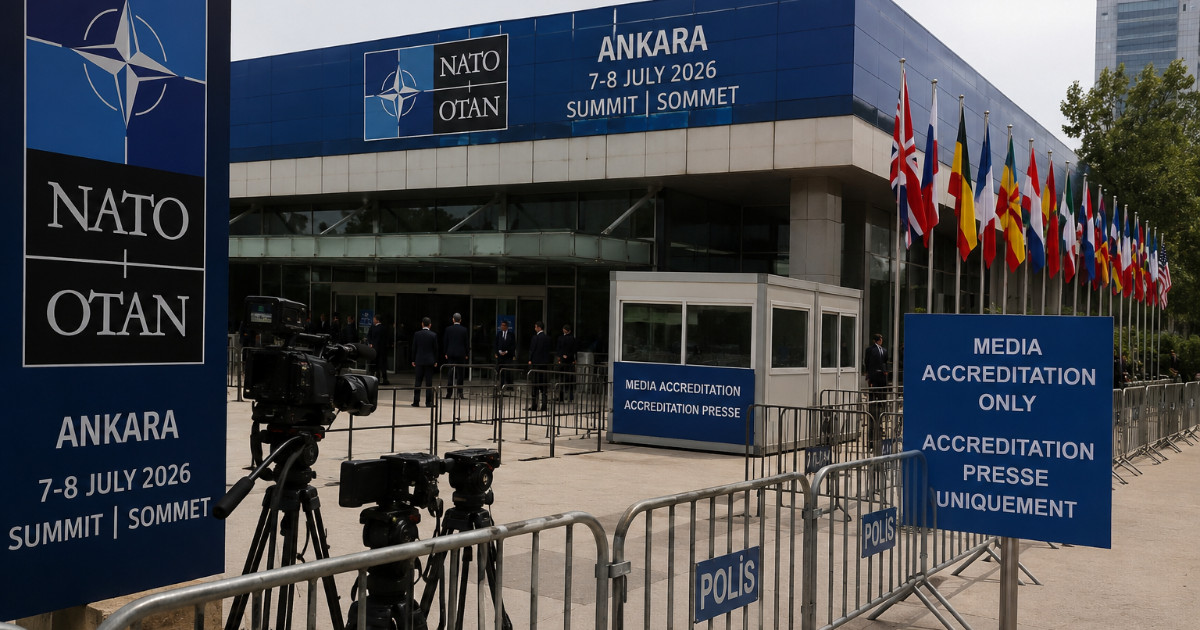
Dozens of Turkish journalists were denied accreditation to the NATO summit in Ankara, and independent outlets say reporters' applications were rejected without explanation. The Turkish Journalists Association said the denials undermine press freedom.Summary
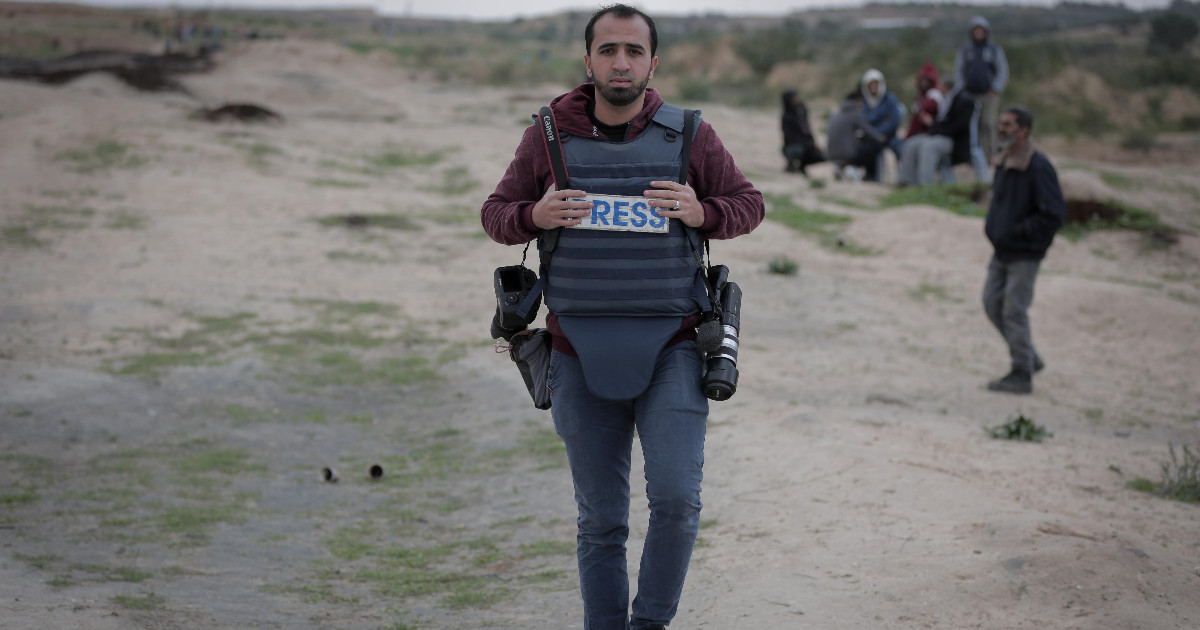
ANKARA— Dozens of Turkish journalists have been denied accreditation to cover the NATO summit in Ankara next month, drawing criticism from media organizations that say the move restricts independent scrutiny of one of the year's most significant international gatherings.
Turkey will host leaders from the 32 NATO member states, along with officials from partner countries in the Gulf and Asia-Pacific region, on July 7-8. Independent Turkish news organizations said this week that their reporters' applications to cover the summit had been rejected without explanation, raising fresh concerns over press freedom and access to information.
Media organizations denounce accreditation denials
Independent outlets, including Cumhuriyet, Sozcu, Anka, T24, and Medyascope, said NATO had refused accreditation requests submitted by their journalists. Ersin Celik, a reporter with the pro-government newspaper Yeni Safak, also said on social media that his application had been denied.
The Turkish Journalists Association condemned the decision, describing the rejection of applications from numerous media organizations as deeply troubling for press freedom.
The association argued that limiting access to journalists covering a major international summit runs counter to the democratic principles and commitment to the rule of law that NATO emphasizes in its founding treaty. Media groups said selective accreditation prevents independent reporting on issues of global public interest and reduces transparency surrounding the alliance's discussions.
NATO points to the host government's role
Responding to the controversy, NATO spokesperson Allison Hart said the alliance relies on host governments to assess accreditation requests from journalists from the host country when summits are held outside NATO headquarters in Brussels.
"We are in contact with Turkish authorities on accreditation for the NATO Summit in Ankara. It is very important for NATO that the media can attend major events in person," Hart wrote on X.
Turkey's Communications Directorate did not immediately respond to requests for comment on the accreditation decisions.
The dispute has renewed attention on the relationship between international organizations and host governments in determining media access, particularly in countries where press freedom has long been a source of international concern.
Security crackdown fuels wider concerns
The accreditation dispute unfolded alongside broader security operations in Ankara ahead of the summit.
The Ankara Chief Public Prosecutor's Office said 103 people had been formally arrested and another 26 released under judicial supervision following anti-terror operations earlier in the week, during which 225 people were detained.
Cumhuriyet and other Turkish media reported that journalist and LGBTQ+ rights activist Yildiz Tar was among those arrested, along with volunteers from the TEMA environmental foundation.
Rights groups and the pro-Kurdish DEM Party said the arrests and restrictions reflected a broader crackdown on democratic freedoms, arguing that security measures linked to preparations for the NATO summit, including restrictions on public gatherings, were being used to limit civic activity and dissent. Turkish prosecutors, however, said the operations were part of investigations into suspected militant activities and did not link them to the summit.
Human Rights Watch said the measures illustrated what it described as Turkey's growing intolerance of freedom of expression and peaceful assembly. Benjamin Ward, the organization's deputy Europe and Central Asia director, said NATO allies should urge Ankara to uphold fundamental rights while hosting the alliance's leaders.
The controversy over media accreditation is expected to remain in focus as the summit approaches, with journalist organizations warning that restrictions on independent reporting undermine transparency and public confidence during internationally significant events.
WHY THIS MATTERS: Access to major international summits is essential for independent journalism and public accountability. The dispute also highlights how accreditation processes controlled by host governments can affect media diversity and transparency, an issue likely to remain relevant for news organizations covering international diplomacy and security.
ATTRIBUTION: Reporting by JournalismPakistan, based on publicly available reports by Reuters (June 25, 2026) and statements from NATO, the Turkish Journalists Association, and Human Rights Watch.
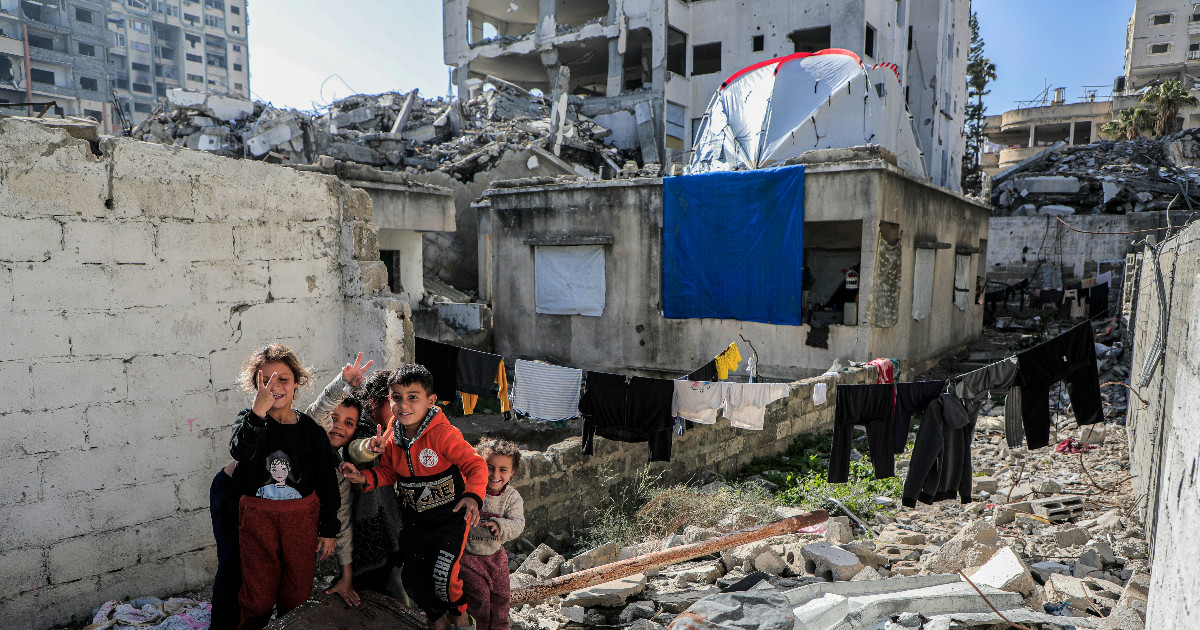
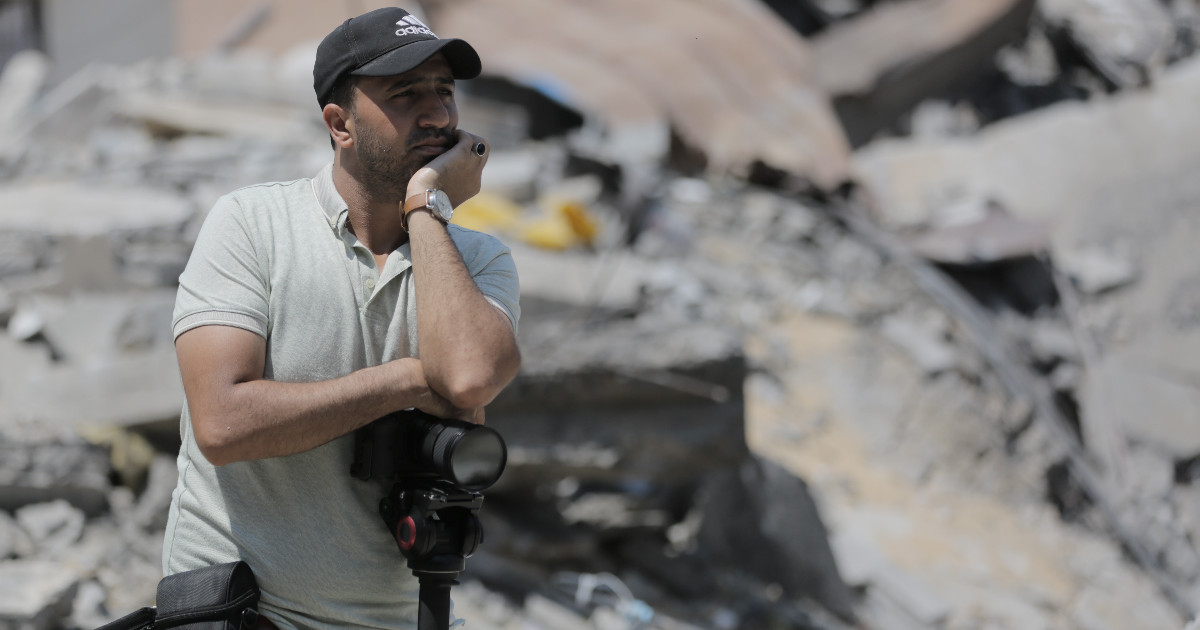
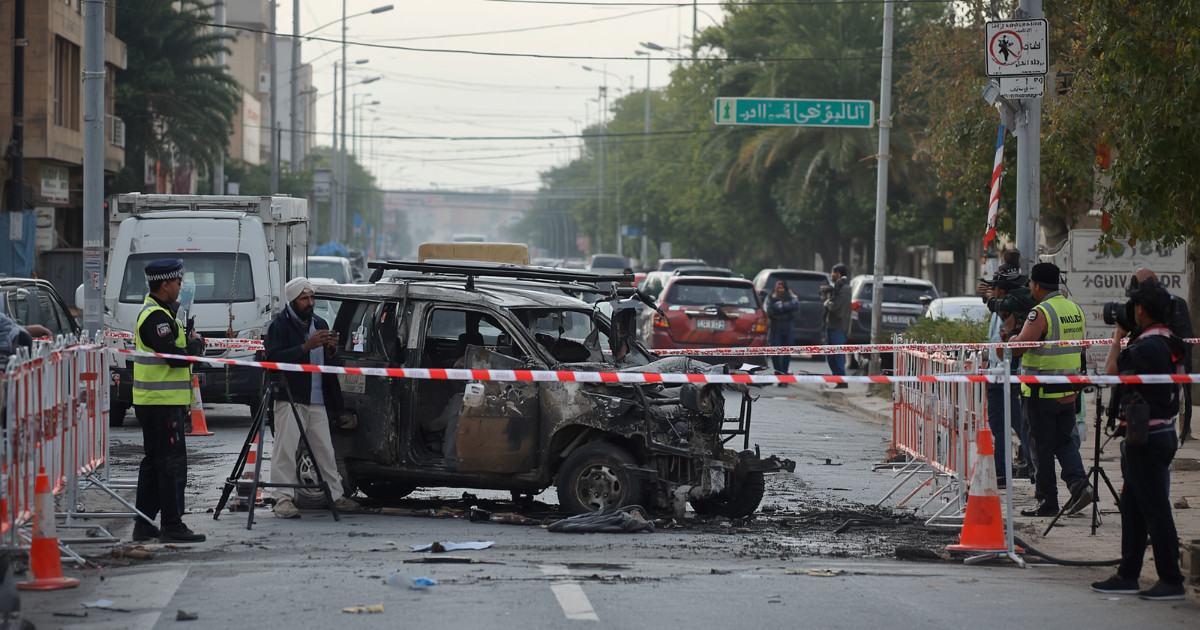
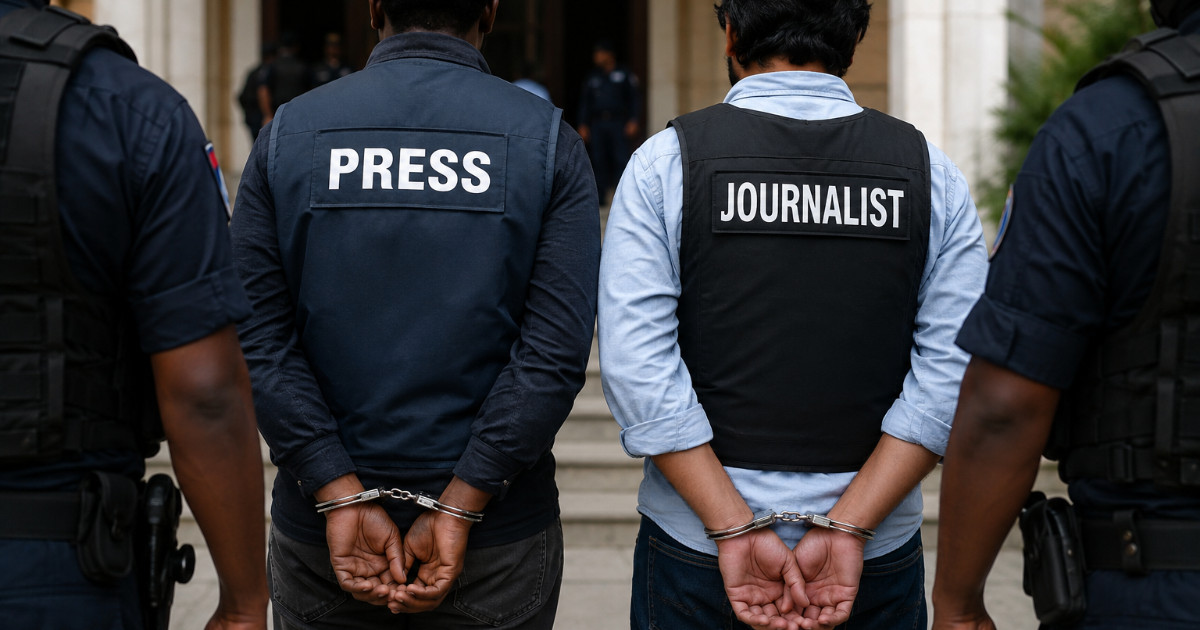
PHOTO: AI-generated; for illustrative purposes only.
Key Points
- Dozens of Turkish journalists were denied accreditation to the NATO summit in Ankara.
- Independent outlets including Cumhuriyet, Sözcü, Anka, T24 and Medyascope reported rejected applications.
- Many rejections were issued without explanation, according to media groups.
- The Turkish Journalists Association condemned the selective denials as harmful to press freedom.
- NATO noted that accreditation procedures are handled by the host government.
Key Questions & Answers
Who was denied accreditation?
Dozens of Turkish journalists from independent outlets and some individual reporters reported their accreditation requests to the NATO summit in Ankara were denied.
Which media organisations were affected?
Independent outlets including Cumhuriyet, Sözcü, Anka, T24 and Medyascope said their reporters had accreditation requests rejected.
Were reasons given for the denials?
Media groups say many applications were rejected without explanation; organisers did not provide detailed public reasons for the rejections.
How have media and press groups reacted?
The Turkish Journalists Association and other media groups condemned the rejections, saying they threaten press freedom and reduce transparency around the summit.
Relevant Topics
Ask AI: Understand this story your way
AI EnabledDig deeper, ask anything — get instant context, background, and clarity.
Disclaimer: This feature is powered by AI and is intended to help readers explore and understand news stories more easily. While we strive for accuracy, AI-generated responses may occasionally be incomplete or reflect limitations in the underlying model. This feature does not represent the editorial views of JournalismPakistan. For our full, verified reporting, please refer to the original article.