

AI reshapes journalism focus at N3Con 2026
JournalismPakistan.com | Published: 24 May 2026 | JP Asia Desk
Join our WhatsApp channel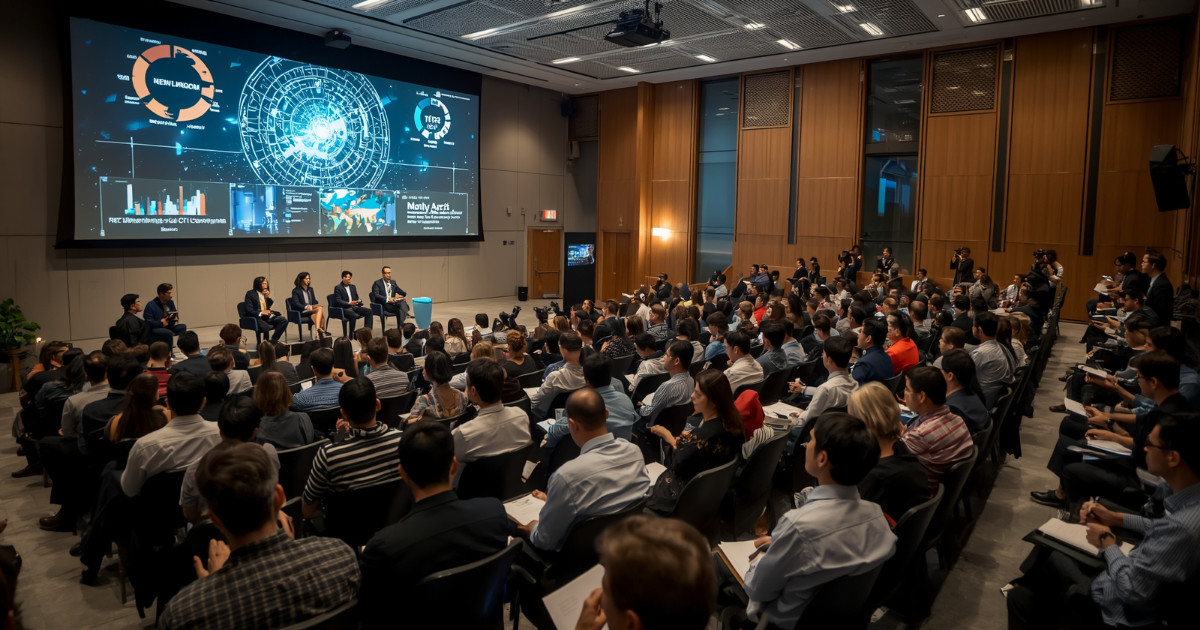
N3Con 2026 in Bangkok gathered journalists, editors and technologists to examine how artificial intelligence is moving from an experimental newsroom tool to core infrastructure, reshaping reporting workflows, verification and distribution.Summary
BANGKOK — N3Con 2026 concluded in Bangkok after three days of discussions centered on the accelerating impact of artificial intelligence on journalism, newsroom sustainability, and the evolving information ecosystem across Asia and beyond.
Held from May 21–23 at Chulalongkorn University, the annual New.Now.Next Media Conference brought together journalists, editors, technologists, and media trainers to examine how news organizations are adapting to rapid technological and economic disruption.
AI moves from tool to newsroom infrastructure
A dominant theme throughout the conference was the shift in perception of artificial intelligence from an experimental newsroom tool to a core part of journalistic infrastructure. Sessions focused on how AI is increasingly embedded in reporting workflows, content production, verification processes, and distribution systems, raising questions about editorial oversight and accountability.
Participants discussed how newsrooms are balancing efficiency gains with concerns about accuracy, bias, and transparency in AI-assisted journalism. The need for clear governance frameworks and ethical guidelines was repeatedly emphasized in panel discussions and workshops.
Misinformation and verification challenges intensify
Another major focus was the growing challenge of misinformation, particularly in the context of synthetic media and rapidly evolving generative technologies. Speakers highlighted how deepfakes and AI-generated content are complicating verification processes, especially during breaking news cycles.
Newsroom leaders and trainers underscored that verification is increasingly becoming a cross-department responsibility rather than a specialized function, as journalists are required to engage more directly with digital forensic tools and fact-checking workflows.
Economic pressure reshapes newsroom strategies
The conference also highlighted ongoing financial pressures facing media organizations, particularly in Asia, where declining advertising revenues and platform dependency continue to strain traditional business models.
Discussions explored emerging strategies such as subscription-based models, membership programs, and cross-border collaboration initiatives aimed at reducing operational costs while maintaining editorial independence. The role of AI in lowering production costs for smaller newsrooms was also a recurring topic.
Press freedom and geopolitical uncertainty
Sessions addressed broader structural challenges affecting journalism, including regulatory pressure, geopolitical tensions, and restrictions on press freedom in different regions. Participants noted that journalists are operating in an increasingly complex environment shaped by both state and non-state pressures.
Cross-border reporting collaborations and regional investigative initiatives were presented as potential pathways to strengthen resilience in challenging media environments.
WHY THIS MATTERS: N3Con 2026 reflects a broader industry shift where artificial intelligence is no longer treated as an optional newsroom experiment but as a foundational system reshaping journalism workflows. For media organizations, the discussions highlight urgent priorities around governance, verification, and sustainable business models. The conference also underscores that collaboration and shared infrastructure may become essential for survival in an increasingly fragmented information economy.
ATTRIBUTION: Reporting by JournalismPakistan, based on publicly available program details, official N3Con 2026 conference materials, and post-event agenda information published by N3Con (May 21–23, 2026).
PHOTO: AI-generated; for illustrative purposes only.
Key Points
- Conference held May 21-23 at Chulalongkorn University in Bangkok.
- AI discussed as moving from experimental tool to core newsroom systems.
- Sessions addressed integration across reporting, production, verification and distribution.
- Concerns highlighted over accuracy, bias, transparency and editorial oversight.
- Panels stressed need for governance frameworks, ethics and training to combat misinformation and deepfakes.
Key Questions & Answers
What was the focus of N3Con 2026?
The conference centered on the accelerating impact of artificial intelligence on journalism, newsroom sustainability and the evolving information ecosystem across Asia.
How is AI changing newsrooms?
Speakers said AI is shifting from an experimental tool to core newsroom systems, affecting reporting workflows, content production, verification and distribution.
What verification challenges were discussed?
Delegates noted growing threats from synthetic media and generative technologies, including deepfakes, which complicate verification, especially during breaking news.
What solutions were recommended?
Panels emphasized clear governance frameworks, ethical guidelines and training to balance efficiency gains with accuracy, transparency and accountability.
Relevant Topics
Ask AI: Understand this story your way
AI EnabledDig deeper, ask anything — get instant context, background, and clarity.
Disclaimer: This feature is powered by AI and is intended to help readers explore and understand news stories more easily. While we strive for accuracy, AI-generated responses may occasionally be incomplete or reflect limitations in the underlying model. This feature does not represent the editorial views of JournalismPakistan. For our full, verified reporting, please refer to the original article.