
Journalism under threat: How fear and power shape reporting in Balochistan
JournalismPakistan.com | Published: 29 June 2026 | Atta Kakar
Join our WhatsApp channel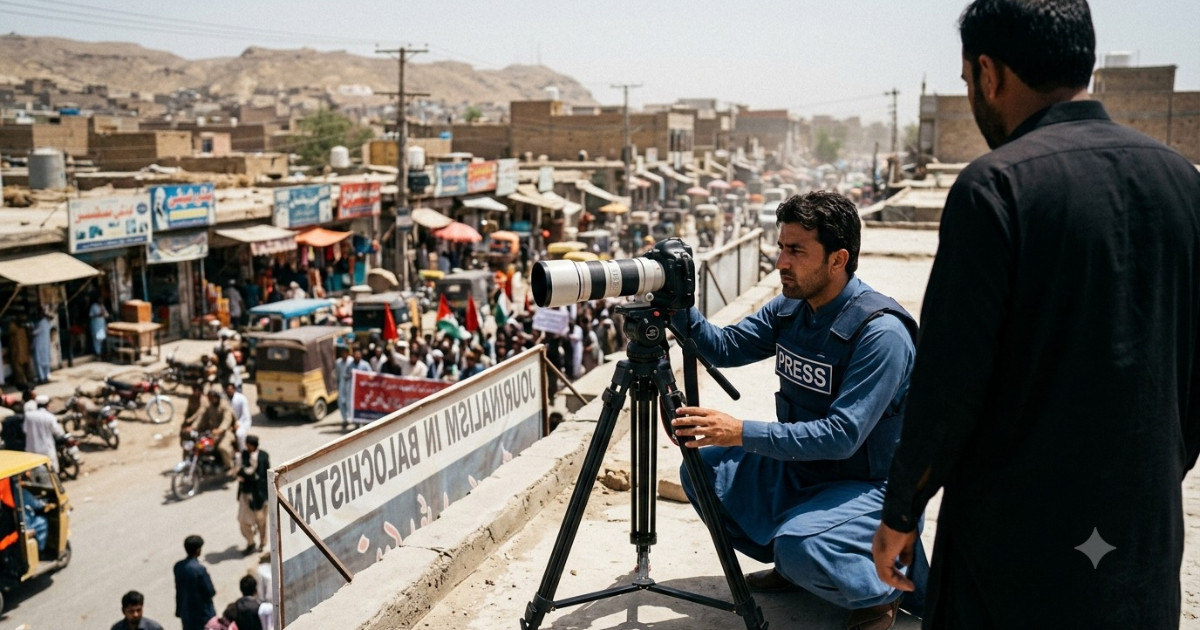
Reporters in Khuzdar and Wadh confront rising violence, targeted killings and political pressures that force self-censorship and story killings. According to Freedom Network, at least 40 journalists have been killed in Balochistan over two decades, underscoring the risks.Summary
QUETTA — For more than 15 years, Sher Khan (a pseudonym) has reported from Wadh, a town in Pakistan's southwestern Balochistan province. Today, he says, almost every story carries a personal risk.
He once freely covered law and order, governance, land disputes, and tribal affairs. But as violence and political tensions escalated, reporting on those issues became increasingly dangerous. Stories touching on security, tribal conflicts, or influential figures often brought threats of violence, arrest, forced displacement, or worse.
"There were times when we had no choice but to kill a story," he says.
Many of those reports involved allegations of murder, land grabbing, and disputes involving politically and tribally influential individuals. The threats eventually extended beyond his newsroom and into his home.
"My family kept telling me, 'Stay away from other people's problems. If something happens to you, what good will journalism be to us?"
The district of Khuzdar, particularly Wadh, has long been marked by political and tribal rivalries, including tensions between Sardar Akhtar Jan Mengal, chief of the Balochistan National Party, and Mir Shafiq ur Rehman Mengal of the Pakistan Peoples Party. For journalists working in the area, navigating these competing power structures has become an increasingly hazardous task.
Rising attacks on journalists
According to Freedom Network's 2025 Pakistan Press Freedom Report, at least 40 journalists have been killed in Balochistan over the past two decades. Thirty of those deaths were targeted killings, while others were killed in bomb blasts or armed attacks.
The report also documented 142 attacks and violations against journalists and media workers across Pakistan between November 2024 and September 2025, an increase of nearly 60 percent compared with the previous reporting period.
Journalists interviewed for this story describe pressure coming from multiple directions. Armed groups have allegedly demanded publication of their statements and claims, while security agencies have, at times, expected journalists to share information or cooperate in sensitive cases.
Freedom Network documented at least 129 major violations against journalists during the reporting period, including two killings, five death threats, 58 criminal cases, 11 incidents involving physical attacks or property damage, and two cases of enforced disappearance. Punjab and Khyber Pakhtunkhwa recorded the highest number of incidents, while journalist killings were reported from Sindh and Balochistan.
When survival becomes an editorial decision
"Naveed Abbas" (also a pseudonym), a senior editor with more than two decades of newsroom experience in Quetta, says journalism in Balochistan has evolved into an exercise in risk management.
"After the killing of Nawab Akbar Bugti, journalism here stopped being just about reporting facts," he says. "It became about survival."
He recalls withholding numerous stories despite having sufficient evidence.
"There are times when the facts are solid, but the environment is simply too dangerous. Choosing not to publish isn't a decision against journalism, it's a decision to protect the reporter."
According to Abbas, editorial decisions in Balochistan are shaped not only by news value but also by the potential consequences for reporters, their families, and media organizations.
"In many cases, we are forced to ask not whether a story is true, but whether publishing it could cost someone their life."
Perhaps that is journalism's greatest tragedy in Balochistan: reporters are often forced to choose between telling the truth and staying alive.
The stories that never reach the public may be as significant as those that do.
Living with self-censorship
Mukhtiar Ahmed (pseudonym), a television journalist in Quetta, says pressure from armed groups, state institutions, and influential tribal actors has resulted in hundreds of stories either being abandoned or heavily edited before publication.
Early in his career, he produced a report on enforced disappearances. The response, he says, was immediate.
"I was simply told my reporting was wrong."
The experience fundamentally changed the way he worked.
"Balochistan is a conflict zone. Every day we make decisions where protecting ourselves and our families takes priority over breaking the news."
According to Ahmed, journalists are frequently accused of bias regardless of what they report.
"If your story goes against one powerful actor, you're labelled anti-state. If it challenges another, you're accused of serving someone else's agenda."
A shrinking space for independent journalism
A separate Freedom Network report, released in December 2025, paints a broader picture of journalism in Balochistan.
It concludes that journalists face threats from multiple actors, including state institutions, armed groups, political parties, influential tribal leaders, and even violent crowds. Combined with financial constraints, weak media infrastructure, and limited digital capacity, these pressures have significantly narrowed the space for independent journalism.
The report also notes a growing culture of self-censorship, with many issues of public interest receiving little or no media coverage because of security concerns.
Freedom Network Executive Director Iqbal Khattak says fear has become embedded in the daily reality of journalism in Balochistan.
"Many journalists now find themselves constantly balancing professional responsibility against personal safety," he says.
Legal protections versus reality
Supreme Court lawyer Qasim Mandokhail argues that self-censorship driven by fear undermines Article 19 of Pakistan's Constitution, which guarantees freedom of expression.
"If journalists are forced to alter or withhold information because of threats or insecurity, that reflects a failure of the state, not a failure of journalism," he says.
Mandokhail also points to Articles 4 and 9 of the Constitution, which guarantee legal protection and the right to life. He says the state has a constitutional obligation to protect journalists from intimidation and prosecute those responsible for restricting press freedom.
Government response
Balochistan Chief Minister Mir Sarfraz Bugti says journalists play a vital role in ensuring transparency and keeping citizens informed despite working under exceptionally difficult conditions.
He says the provincial government has established a journalists' housing scheme in Quetta, increased funding for the Journalists' Welfare Endowment Fund, expanded financial assistance and health insurance programs, and strengthened emergency support mechanisms. Security has also been provided to media organizations where necessary.
"There should be no room for violence, intimidation, or coercion against journalists in any civilized society," Bugti says.
Yet for many journalists across Balochistan, the central dilemma remains unchanged.
The question is no longer how many stories are published, but how many are never written because fear silences journalists before they can report the truth.
ABOUT THE WRITER: Atta Kakar is a Quetta-based freelance multimedia journalist working on investigative reporting, documentaries, and human-interest stories, with a focus on Balochistan.
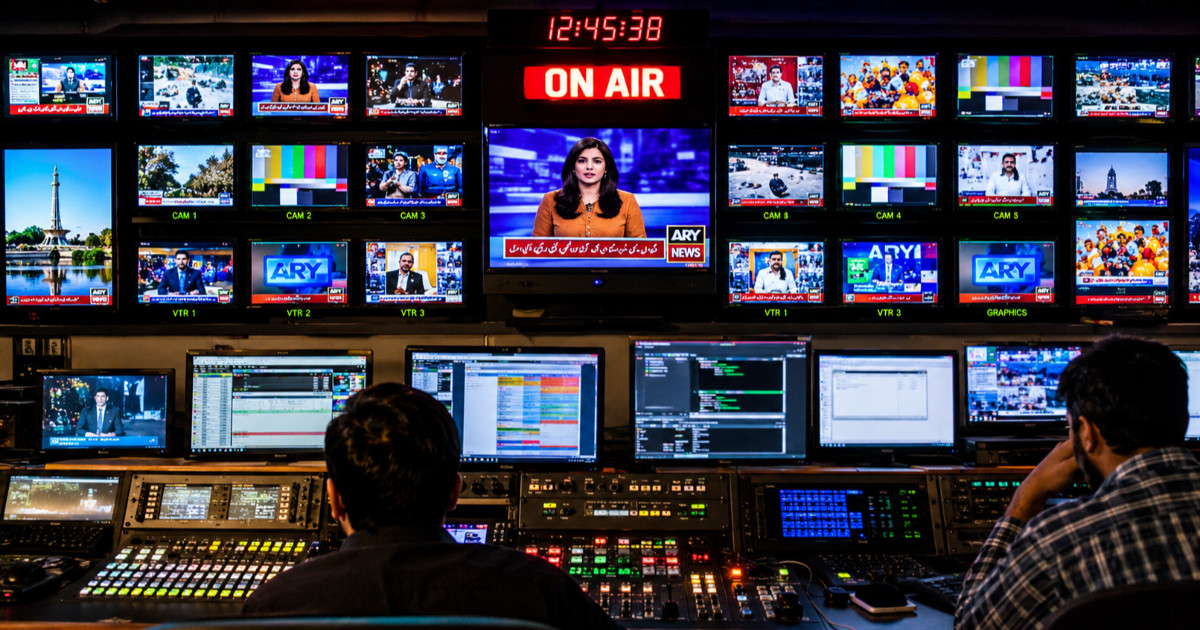
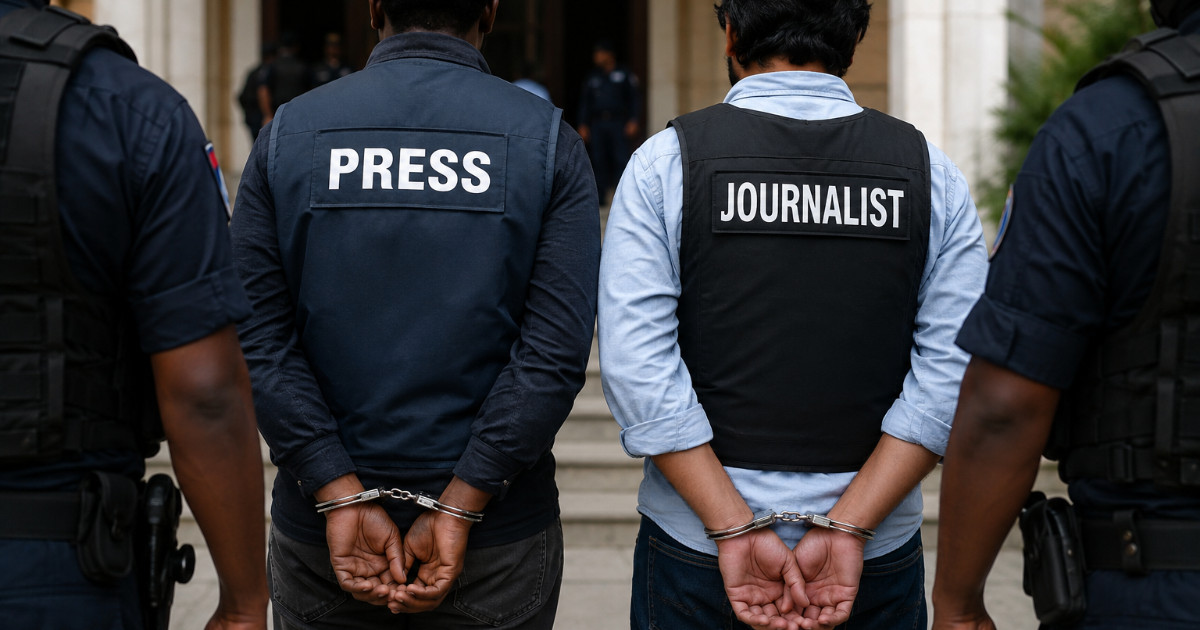
PHOTO: AI-generated; for illustrative purposes only
Key Points
- Reporters in Khuzdar and Wadh face threats that push them to kill or avoid stories.
- Coverage of security, tribal disputes and powerful figures attracts the most danger.
- Threats include violence, arrest, forced displacement and targeted killings.
- Family safety and local power dynamics heavily influence reporting choices.
- Freedom Network reports at least 40 journalists killed in Balochistan over two decades.
Key Questions & Answers
Why do reporters in Balochistan kill or avoid stories?
Many stories touch on security, tribal rivalries or powerful figures, which can provoke threats, violence, arrest or forced displacement, so reporters sometimes choose safety over publication.
How widespread are attacks on journalists in the province?
According to Freedom Network, at least 40 journalists have been killed in Balochistan over the past two decades, with around 30 identified as targeted killings.
What kinds of threats do journalists face?
Threats include targeted killings, physical attacks, threats to family members, forced displacement, arrests and intimidation that lead to self-censorship.
What factors shape what gets reported locally?
Tribal rivalries, political influence, concerns for family safety and fear of reprisals all shape editorial decisions and what reporters are able to publish.
Relevant Topics
Ask AI: Understand this story your way
AI EnabledDig deeper, ask anything — get instant context, background, and clarity.
Disclaimer: This feature is powered by AI and is intended to help readers explore and understand news stories more easily. While we strive for accuracy, AI-generated responses may occasionally be incomplete or reflect limitations in the underlying model. This feature does not represent the editorial views of JournalismPakistan. For our full, verified reporting, please refer to the original article.