.jpg)
Press freedom review: Journalists confront bullets, bans, and courtrooms
JournalismPakistan.com | Published: 28 June 2026 | JP News Desk
Join our WhatsApp channel
The Press Freedom Tracker reports growing legal and physical threats to journalists globally, with arrests, cybercrime prosecutions, bans and violent attacks affecting reporters covering conflict, corruption and public affairs.Summary
Editor’s note
This week's JournalismPakistan Press Freedom Tracker highlights the continuing use of national security, cybercrime, and criminal laws against journalists alongside persistent physical threats to reporters covering conflict, corruption, and public affairs. From Hong Kong and Bangladesh to Pakistan, legal measures remain a significant tool for restricting independent journalism, while killings in Gaza and Yemen underscore the deadly risks faced by media workers in conflict zones. The reporting period also reflects growing concerns over media sustainability, government influences over public-service broadcasting, and new legislative proposals that could reshape the relationship between journalism and digital platforms.
Arrests, detentions, and kidnappings
HONG KONG — The Committee to Protect Journalists has called for the immediate release of journalist and Hunter Bookstore owner Leticia Wong Man-huen, who was arrested under Hong Kong's Beijing-imposed national security law on suspicion of selling seditious publications and receiving funds from foreign political organizations. The arrest comes days before the law's sixth anniversary, raising fresh concerns over press freedom and freedom of expression. (Committee to Protect Journalists, June 25, 2026)
Legal and regulatory pressure
BANGLADESH — Six journalists from Agrajatra Pratidin were charged under the Cyber Security Act 2026 and other criminal provisions after publishing reports alleging corruption involving a government minister. Acting editor, Md. Rezanur Islam was arrested on June 18 and later granted bail, while efforts to arrest five other journalists continue. (Committee to Protect Journalists, June 22, 2026)
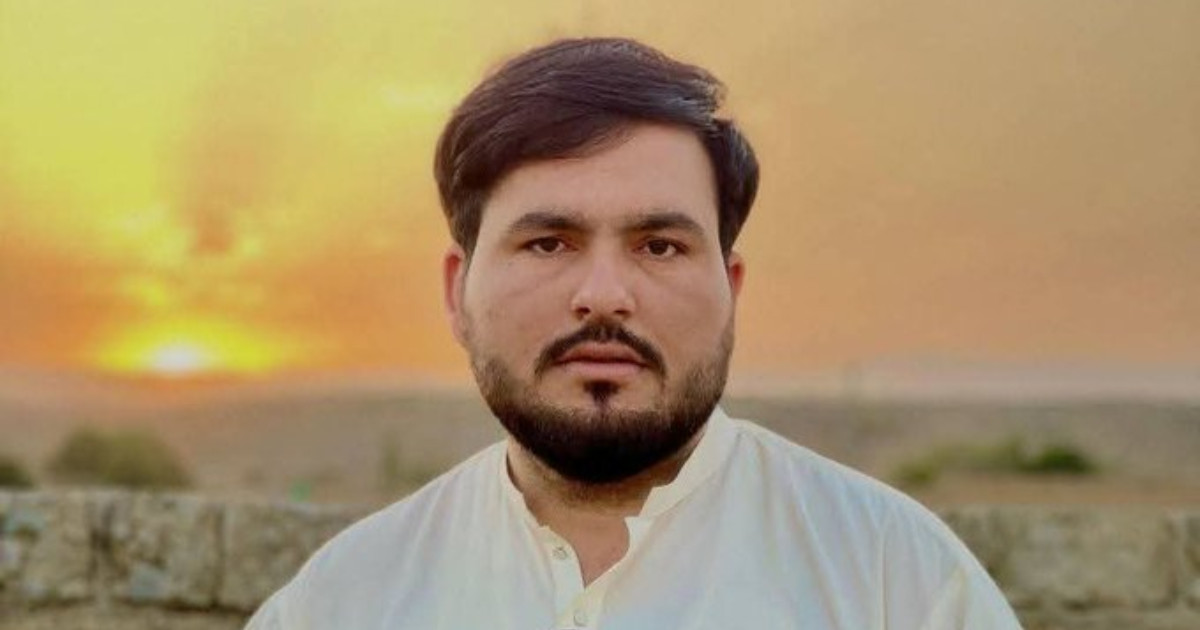
PAKISTAN — Journalist Razi Tahir was arrested in a PECA-related case over social media posts. Rights groups raised concerns over due process, source protection, and the application of cybercrime laws to journalists. (Human Rights Council of Pakistan statement, June 23, 2026)
CAMBODIA — The Supreme Court upheld the 14-year treason convictions of journalists Phorn Sopheap and Pheap Pheara, rejecting their final appeal over photographs taken near the Thailand border. Press freedom groups say the ruling further criminalizes legitimate journalistic work and weakens legal protections for reporters. (Reuters, June 25, 2026)
PAKISTAN — A forum of veteran journalists has questioned the sentencing of BYC leaders Dr. Mahrang Baloch and Sibghatullah Shah Jee, alleging concerns over due process, fair trial standards, and legal representation, and calling for an independent review of the proceedings. (Veteran journalists' statement, June 24, 2026)
Attacks, threats, harassment, and killings
PALESTINIAN TERRITORIES — Al Jazeera cameraman Ahmed Wishah was killed in an Israeli strike in Gaza's Bureij refugee camp. The Israeli military alleged Hamas affiliation, a claim rejected by Al Jazeera and Hamas. Wishah's death came about two months after his brother Mohammed, also an Al Jazeera journalist, was killed in Gaza. The Palestinian Journalists Syndicate condemned the latest killing. (Reuters, June 20, 2026)
PAKISTAN — Freedom Network condemned an alleged assassination attempt on Bannu-based journalist Hidayatullah Khan, provincial general secretary of the Regional Union of Journalists Khyber Pakhtunkhwa. According to reports, he was attacked after covering alleged substandard construction work on the Bannu-Miranshah Road project. Journalists have demanded an impartial investigation and legal action against those responsible. (Freedom Network statement, June 22, 2026)
INDIA — The Mumbai Press Club has condemned Shiv Sena MP Sanjay Dina Patil for allegedly threatening television journalists while they were covering political developments in Mumbai. According to the club, Patil warned reporters he would "beat" them if they continued asking questions after seeking comments about reports involving his daughter. The club described the incident as an attack on press freedom, called for an unconditional public apology, and urged Mumbai Police to ensure journalists can perform their duties free from intimidation. (Mumbai Press Club, X, June 25, 2026)
YEMEN — Journalist Mohammed Aydah, a correspondent for Al Arabiya and Al Hadath, was killed in a car bombing in Mukalla. Yemen's Presidential Leadership Council ordered an investigation after reports that he had previously received threats. (Reuters, June 25, 2026)
Economic pressure and media viability
AUSTRALIA — Media executives have warned that delays to the proposed News Bargaining Incentive legislation could undermine the financial sustainability of public-interest journalism by postponing mechanisms designed to secure compensation from major digital platforms. Publishers say continued uncertainty may intensify economic pressures on news organizations facing declining referral traffic and advertising revenues. (Reuters, June 2026)
Access to information and reporting restrictions
TURKEY — Dozens of journalists from independent Turkish media outlets were denied accreditation to cover the NATO summit in Ankara. Press organizations said the unexplained exclusions undermine press freedom, while NATO said host governments determine accreditation for domestic journalists at summits held outside Brussels. (Reuters, June 25, 2026)
Policy and court developments
UNITED KINGDOM — The government has opened a consultation on proposals that could require platforms, including YouTube and TikTok, to give greater prominence to content from public-service broadcasters and recognized news organizations. Supporters say the measure could improve access to trusted journalism, while critics raise concerns about platform neutrality and user choice. (UK Government consultation, June 2026)
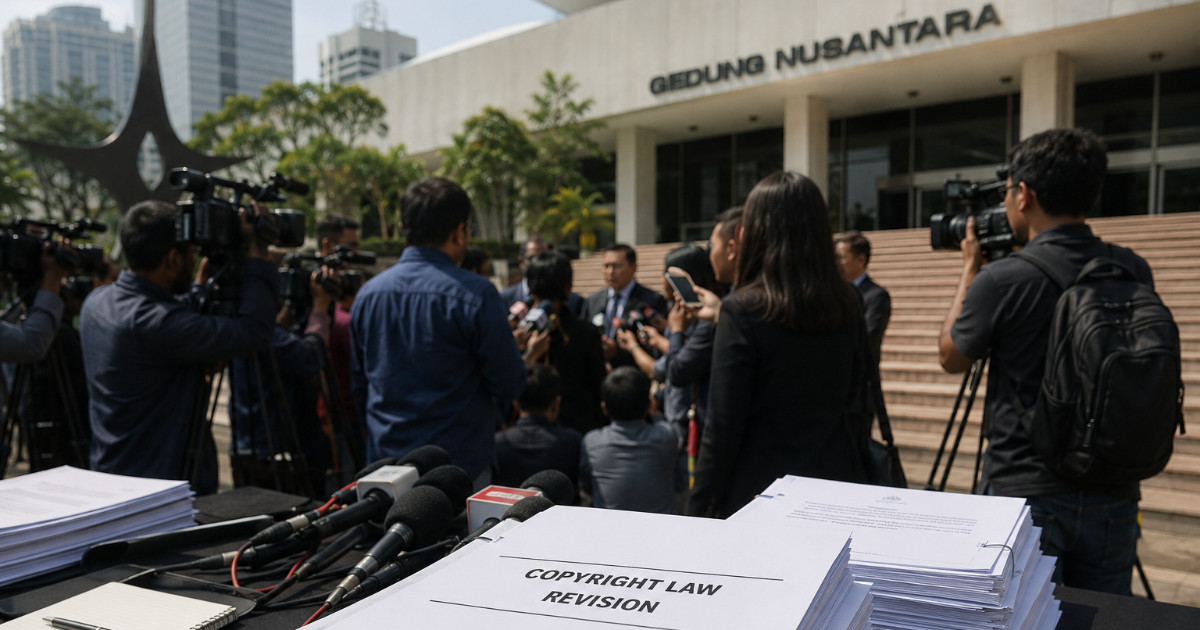
INDONESIA — Press advocates have warned that proposed amendments to Indonesia's Copyright Law could expose journalists to greater legal liability and discourage investigative reporting by creating overlapping legal obligations with existing press regulations. (Asian News Network, June 26, 2026)
Media labor and union activity
CZECH REPUBLIC — Journalists and staff at Czech Television and Czech Radio staged a warning strike and formed a human chain in Prague to oppose government plans to replace license-fee funding with direct state-budget financing. Media organizations warned the proposal could increase political influence over public-service broadcasting and threaten editorial independence. (Reuters, June 22, 2026)
Media operations and industry pressures
AFGHANISTAN — Taliban authorities raided Tamadon TV's headquarters in Kabul, forced the station off the air, sealed its offices, and halted broadcasts. CPJ called for the immediate restoration of operations and described the move as part of a broader crackdown on independent media. (CPJ, June 24, 2026)
Press freedom review
This week's developments point to a worsening global climate for independent journalism. Governments continue to rely on national security legislation, cybercrime laws, and judicial proceedings to investigate, prosecute, or intimidate journalists, while physical violence remains a persistent threat in conflict zones and local reporting environments. Press freedom organizations also raised concerns about shrinking access to official events, increasing political pressure on public broadcasters, and the growing financial challenges facing news organizations as digital platforms reshape the media economy. Together, these incidents demonstrate that threats to journalism now extend well beyond censorship, encompassing legal, physical, economic, and institutional pressures around the world.
Global context
The Press Freedom Tracker documents verified incidents affecting journalists, media organizations, and press freedom worldwide. It covers arrests, attacks, legal actions, censorship, regulatory developments, media sustainability, labor issues, and restrictions on access to information. While many incidents are country-specific, together they reveal broader global trends that continue to challenge independent journalism, public access to reliable information, and the ability of news organizations to operate freely.
For additional context, readers can review last week's Tracker.
ATTRIBUTION: Compiled by JournalismPakistan
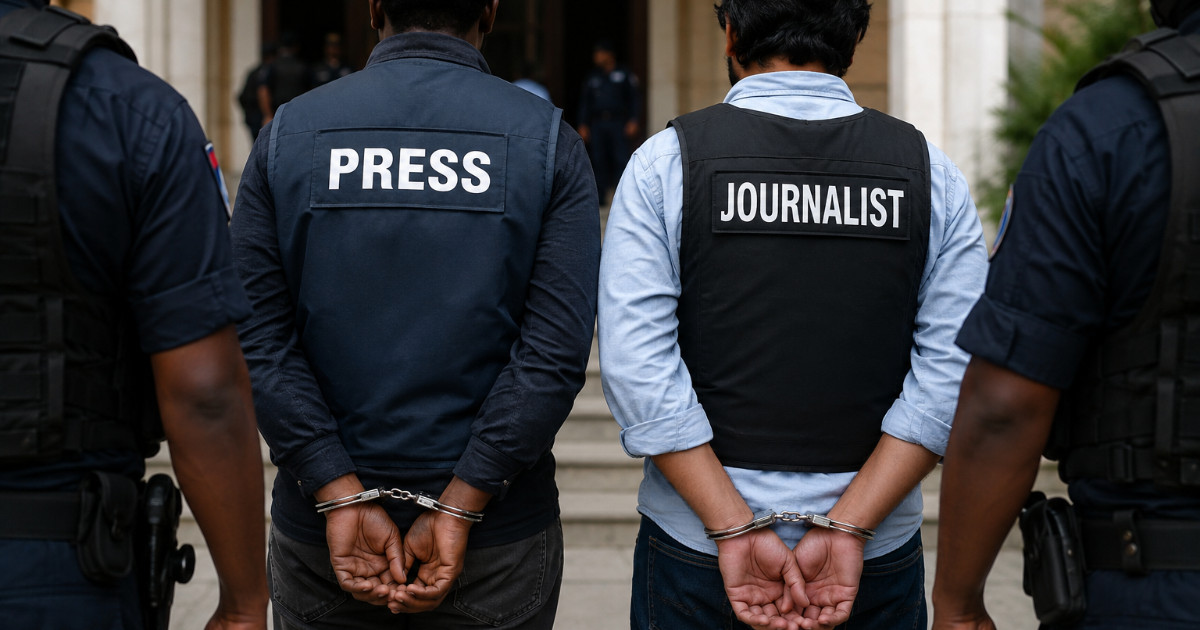
PHOTO: AI-generated; for illustrative purposes.
Key Points
- Authorities increasingly use national security, cybercrime and other criminal laws to target journalists and outlets.
- Arrests and detentions have been reported in Hong Kong and Bangladesh, raising free-expression concerns.
- Covering conflict zones exposes reporters to lethal risks, with recent killings in Gaza and Yemen highlighted.
- Media sustainability and government influence over public broadcasters remain pressing challenges.
- New legislative proposals and platform regulations could reshape journalism's digital environment.
- Persistent legal pressure and physical threats undermine independent reporting on corruption and public affairs.
Key Questions & Answers
What does the Press Freedom Tracker monitor?
It records threats, arrests, legal actions, censorship and violence affecting journalists worldwide to document trends and spotlight violations of press freedom.
Why are cyber and national security laws being used against journalists?
Governments often invoke broad or vague provisions in these laws to criminalise reporting, intimidate media, and restrict criticism under the pretext of security or public order.
How can journalists stay safer when reporting on conflicts?
Media organisations should provide safety training, protective equipment and legal support, while international bodies can pressure parties to respect journalists' safety and access.
Relevant Topics
Ask AI: Understand this story your way
AI EnabledDig deeper, ask anything — get instant context, background, and clarity.
Disclaimer: This feature is powered by AI and is intended to help readers explore and understand news stories more easily. While we strive for accuracy, AI-generated responses may occasionally be incomplete or reflect limitations in the underlying model. This feature does not represent the editorial views of JournalismPakistan. For our full, verified reporting, please refer to the original article.