.png)
Cambodian court upholds journalists' treason convictions
JournalismPakistan.com | Published: 26 June 2026 | JP Asia Desk
Join our WhatsApp channel
Cambodia's Supreme Court on June 25 upheld 14-year jail terms for journalists Phorn Sopheap and Pheap Pheara for allegedly supplying information harmful to national defence, affirming lower courts' verdicts and leaving only a royal pardon to reverse the sentences.Summary
PHNOM PENH — Cambodia's Supreme Court has upheld the 14-year prison sentences of journalists Phorn Sopheap and Pheap Pheara, rejecting their final appeal in a case that has intensified international concern over press freedom and the use of national security laws against journalists. The ruling leaves a royal pardon as the only remaining avenue for overturning their imprisonment.
The two journalists were convicted in December 2025 of "supplying a foreign state with information prejudicial to national defense" after taking and posting photographs during reporting assignments near the Cambodia-Thailand border following clashes between the two countries. Prosecutors argued the images disclosed sensitive military information, while the journalists denied wrongdoing and maintained they had permission to be in the area.
Current ruling draws renewed criticism
The Supreme Court's decision on June 25 affirms earlier judgments by the Siem Reap Provincial Court and the Battambang Appeal Court. Defense lawyers expressed disappointment with the outcome, while Cambodian authorities said the verdict was consistent with national law and reflected the balance between press freedom and national security.
Human rights organizations, press freedom groups, and Cambodian media associations criticized the ruling, arguing that any alleged professional misconduct should have been addressed under Cambodia's press law rather than through criminal prosecution for treason. They warned that the decision is likely to deepen concerns among journalists reporting on sensitive issues, including border security, land disputes, and national defense.
Broader implications for media
The case has become one of Cambodia's highest-profile prosecutions of journalists in recent years. Advocacy groups say it reflects a broader pattern of shrinking space for independent reporting, particularly on politically or nationally sensitive topics. They argue that the severe prison terms could discourage investigative reporting and increase self-censorship within Cambodian newsrooms.
Government officials rejected allegations that the case targets journalism, stating that freedom of expression is constitutionally protected but does not exempt individuals from criminal liability where national security laws are concerned. They maintained that the judiciary reached its decision independently and in accordance with Cambodian law.
WHY THIS MATTERS: The ruling illustrates how national security legislation can intersect with journalistic work, particularly during conflict or border-related reporting. For news organizations, the case underscores the legal risks reporters may face when covering sensitive state matters and highlights the importance of understanding domestic legal frameworks governing press activity.
ATTRIBUTION: Reporting by JournalismPakistan, based on publicly available reports by Reuters (June 25, 2026), The Associated Press (June 25, 2026), and CamboJA News (June 25, 2026).
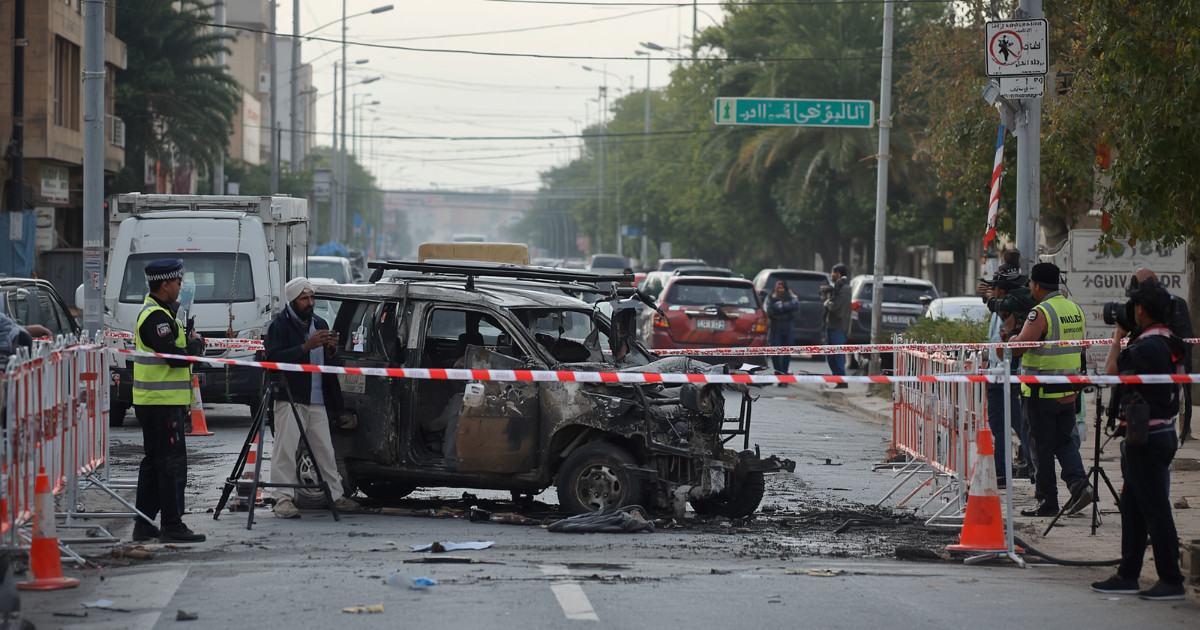
PHOTO: AI-generated; for illustrative purposes only.
Key Points
- Supreme Court on June 25 upheld 14-year sentences for the two journalists.
- They were convicted of supplying information prejudicial to national defence after border reporting.
- Lower court and appeal court rulings were affirmed by the Supreme Court.
- Defence lawyers expressed disappointment; authorities cited national security concerns.
- Human rights and press groups argue the case should be handled under press law, not treason charges.
Key Questions & Answers
What did the Supreme Court rule?
The Supreme Court upheld 14-year prison sentences for journalists Phorn Sopheap and Pheap Pheara, confirming earlier lower court decisions.
What were the journalists convicted of?
They were convicted in December 2025 of supplying information prejudicial to national defence after taking and posting photographs near the Cambodia-Thailand border.
Are there any legal options left to overturn the sentences?
The courts have rejected their appeals; a royal pardon is the only remaining avenue to overturn the imprisonment.
How have rights groups reacted?
Human rights, press freedom organizations, and media associations criticized the ruling, saying the matter should be addressed under press law and warning it threatens press freedom.
Relevant Topics
Ask AI: Understand this story your way
AI EnabledDig deeper, ask anything — get instant context, background, and clarity.
Disclaimer: This feature is powered by AI and is intended to help readers explore and understand news stories more easily. While we strive for accuracy, AI-generated responses may occasionally be incomplete or reflect limitations in the underlying model. This feature does not represent the editorial views of JournalismPakistan. For our full, verified reporting, please refer to the original article.