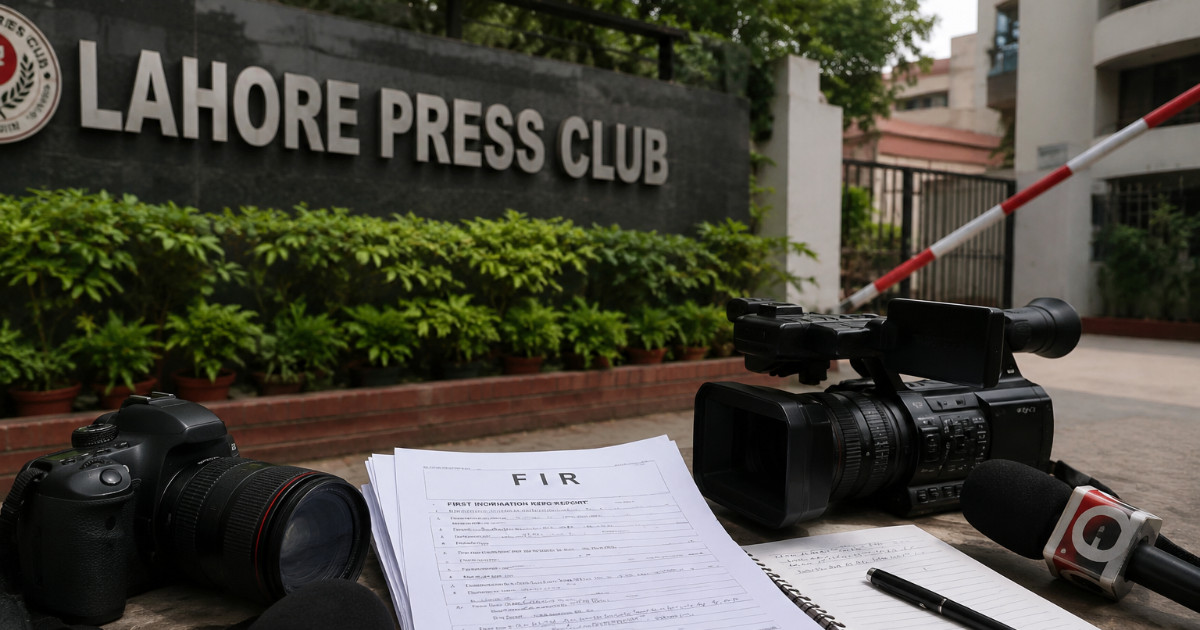
.jpg)
Maldives jails journalists over reporting, criticism
JournalismPakistan.com | Published: 12 May 2026 | JP Asia Desk
Join our WhatsApp channel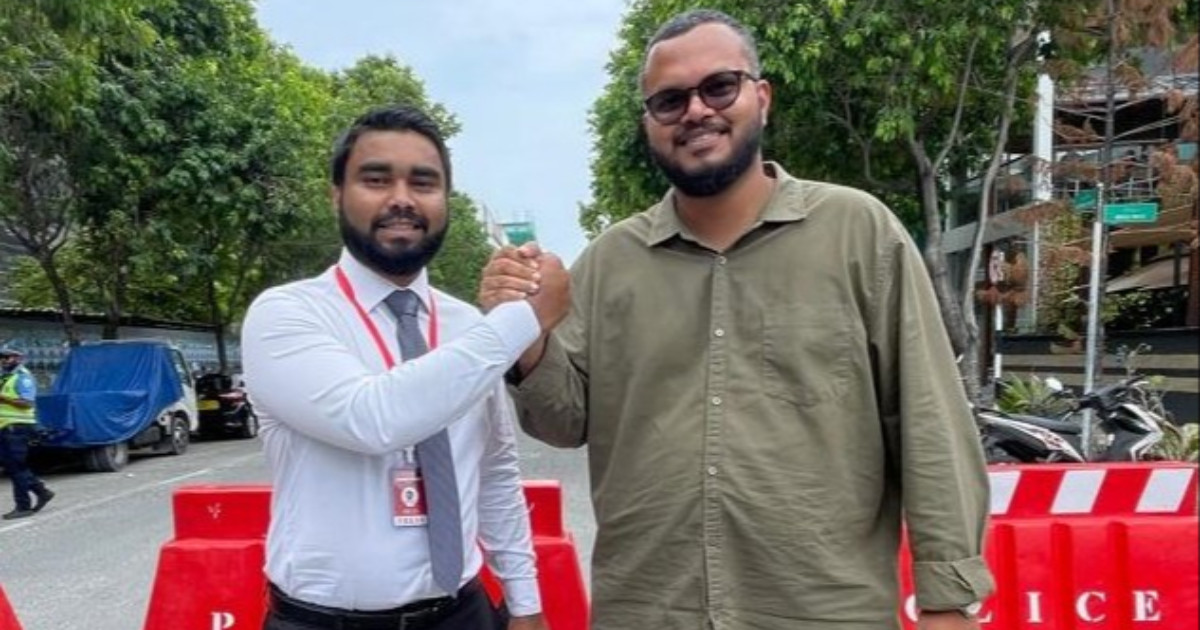
Two Maldivian journalists got jail terms: Mohamed Shahzan, 15 days after questioning President Mohamed Muizzu, and Leevan Mohamed, 10 days for reporting on a court order, prompting the MJA to warn that such penalties could chill independent reporting.Summary
MALE—Two journalists in the Maldives have been sentenced to jail terms in separate cases that have intensified concerns over press freedom and judicial pressure on independent reporting in the country.
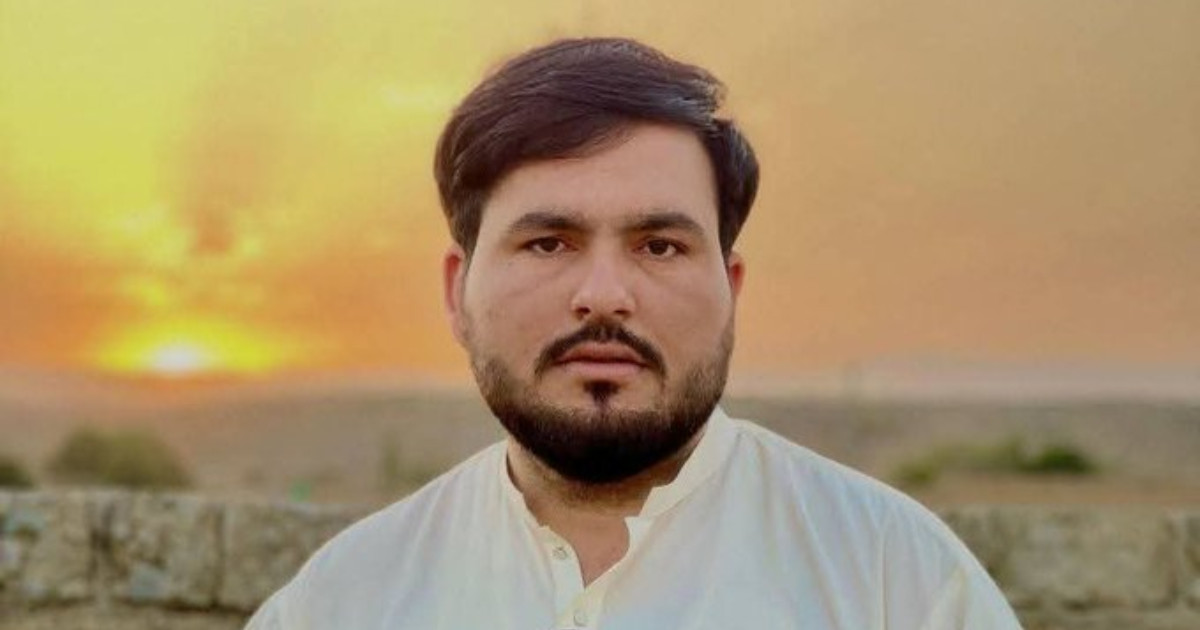
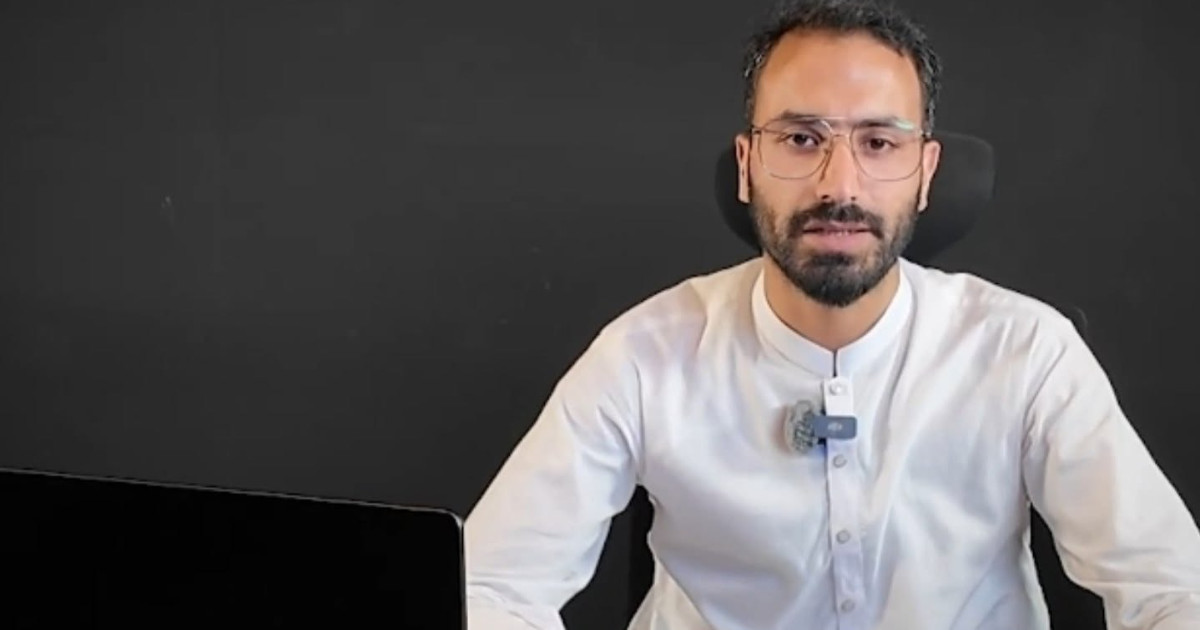
The Maldives Journalists Association (MJA) said on X that journalist and MJA Vice President Mohamed Shahzan was sentenced to 15 days in jail after questioning President Mohamed Muizzu. The association also said journalist Leevan Mohamed, known online as MrLeevaaan, received a 10-day jail sentence for reporting on a court order.
The cases have triggered renewed scrutiny of the treatment of journalists in the Maldives, where media groups and rights organizations have repeatedly raised concerns about criminal penalties, legal intimidation, and restrictions affecting independent journalism.
Media groups raise alarm over court actions
The MJA described both cases as attacks on press freedom and warned that punitive legal action against journalists could have a chilling effect on reporting and public accountability. The association did not immediately provide full court documents or details of the specific legal provisions used in the cases, but said the sentences were directly linked to journalistic work and public-interest reporting.
The Maldives has faced growing international attention over media freedom issues in recent years, particularly involving legal risks for reporters covering politics, courts, and state institutions. Press advocates say jail sentences, even when limited in duration, can discourage investigative journalism and increase self-censorship in smaller media markets.
Prosecutors target journalists over political documentary
Separately, the Maldives Journalists Association (MJA) condemned a decision by the Prosecutor General’s Office to pursue criminal charges against two journalists linked to the independent news outlet Adhadhu, warning that the case could deepen pressure on investigative journalism in the island nation.
The case centers on a documentary titled Aisha, which reportedly examined allegations linked to sorcery claims involving senior political figures. According to publicly available statements and local media reports published on May 11 and 12, prosecutors filed Qazf-related charges against Adhadhu CEO Hussain Fiyaz Moosa and editor Hassan Mohamed.
Concerns grow over regional press freedom trends
Regional and international press freedom organizations have increasingly monitored developments in South Asia and the Indian Ocean region, where journalists in several countries have faced arrests, lawsuits, or regulatory pressure linked to political coverage and online reporting.
For media observers, the Maldives cases also reflect wider tensions between governments and journalists using social media platforms for reporting and commentary. Media unions have argued that legal systems should not be used to criminalize reporting on public officials or court matters unless there is clear evidence of unlawful conduct.
WHY THIS MATTERS: The Maldives cases underscore how legal mechanisms and short-term detention orders can be used to pressure journalists, particularly in politically sensitive reporting. The incidents highlight the importance of legal preparedness, press freedom advocacy, and newsroom policies for handling court-related and political reporting in increasingly restrictive environments.
ATTRIBUTION: Reporting by JournalismPakistan, based on publicly available statements from the Maldives Journalists Association on X (May 12, 2026) and publicly available reporting on media freedom developments in the Maldives.
PHOTO: Maldives Journalists Association via X
Key Points
- Two journalists in the Maldives received short jail sentences linked to their reporting and criticism.
- Mohamed Shahzan was sentenced to 15 days after questioning President Mohamed Muizzu.
- Leevan Mohamed was jailed for 10 days for reporting on a court order.
- The Maldives Journalists Association described the cases as attacks on press freedom and warned of a chilling effect.
- Media groups note recurring legal pressure, criminal penalties and limited transparency in court actions affecting independent journalism.
Key Questions & Answers
What happened to the journalists?
Two journalists were sentenced to short jail terms in separate cases: Mohamed Shahzan received 15 days and Leevan Mohamed 10 days, linked to questioning the president and reporting on a court order.
Who has raised concerns?
The Maldives Journalists Association (MJA) and other media groups and rights advocates have warned that the sentences threaten press freedom and could chill independent reporting.
Were full court documents released?
The MJA said the sentences were tied to journalistic work but did not immediately provide full court documents or details of the specific legal provisions used.
What are the broader implications?
Advocates say criminal penalties and legal intimidation can discourage investigative journalism, increase self-censorship and weaken public accountability.
Relevant Topics
Ask AI: Understand this story your way
AI EnabledDig deeper, ask anything — get instant context, background, and clarity.
Disclaimer: This feature is powered by AI and is intended to help readers explore and understand news stories more easily. While we strive for accuracy, AI-generated responses may occasionally be incomplete or reflect limitations in the underlying model. This feature does not represent the editorial views of JournalismPakistan. For our full, verified reporting, please refer to the original article.