
New York Times tightens AI rules for freelancers
JournalismPakistan.com | Published: 13 May 2026 | JP Global Monitoring
Join our WhatsApp channel
The New York Times reminded freelance contributors that generative AI is banned from creating, modifying or enhancing editorial and visual submissions, while allowing only limited high-level brainstorming. The notice follows recent AI-related editorial lapses.Summary
NEW YORK—The New York Times has issued a renewed warning to freelance contributors, reinforcing strict limits on the use of generative artificial intelligence tools in reporting, writing, and visual submissions amid growing scrutiny over AI-related editorial lapses at major news organizations.
According to a report published by Futurism on May 12, the newspaper circulated a “periodic reminder” to freelancers stating that all submitted work “must be the product of human creativity and craft” and must not contain content generated, modified, or enhanced by AI systems. The guidance reportedly prohibits contributors from using tools such as ChatGPT, Gemini, Claude, Perplexity, MidJourney, DALL-E, and Adobe Firefly for drafting, editing, rephrasing, or polishing stories.
The move follows a series of AI controversies linked to freelance and newsroom content at the Times in recent months. In April, the publication cut ties with a freelance reviewer after allegations that AI-assisted writing contributed to plagiarism concerns in a published book review. Earlier scrutiny also emerged over an essay in the newspaper’s Modern Love column after questions were raised publicly about possible chatbot involvement in the writing process.
AI concerns intensify across newsrooms
The Times reportedly allows limited “high-level” brainstorming with AI tools but bars freelancers from using generative systems to create or revise any portion of editorial copy. The publication also warned contributors against uploading unpublished reporting material into AI platforms, reflecting broader industry concerns over confidentiality, copyright exposure, and editorial integrity.
The stricter messaging comes as media organizations worldwide continue to develop newsroom AI policies while balancing efficiency, legal risk, and audience trust. Several publishers, unions, and journalism groups have raised concerns that unclear AI standards could undermine editorial accountability and blur the distinction between original reporting and machine-generated material.
In April, the New York Times editorial union criticized the company’s internal AI standards as “woefully inadequate,” according to Axios, arguing that newsroom staff needed clearer protections and disclosures regarding AI-assisted journalism practices during ongoing labor negotiations.
Industry debate expands beyond the Times
The debate over AI in journalism has intensified globally as publishers experiment with automation while simultaneously warning reporters and contributors against overreliance on generative tools. Media companies are increasingly confronting questions around plagiarism detection, sourcing transparency, copyright disputes, and public trust in digital news products.
The Times itself remains involved in high-profile legal disputes related to AI and copyrighted journalism while also introducing selective AI-related initiatives and internal guidelines for newsroom staff. The company has maintained that staff journalists operate under separate internal AI policies distinct from freelance contributor rules.
The renewed guidance to freelancers highlights how publishers are attempting to establish firmer editorial boundaries as generative AI systems become more widely used across writing, translation, editing, and content production workflows.
ATTRIBUTION: Reporting by JournalismPakistan, based on publicly available reports by Futurism (May 12, 2026) and Axios (April 7, 2026).
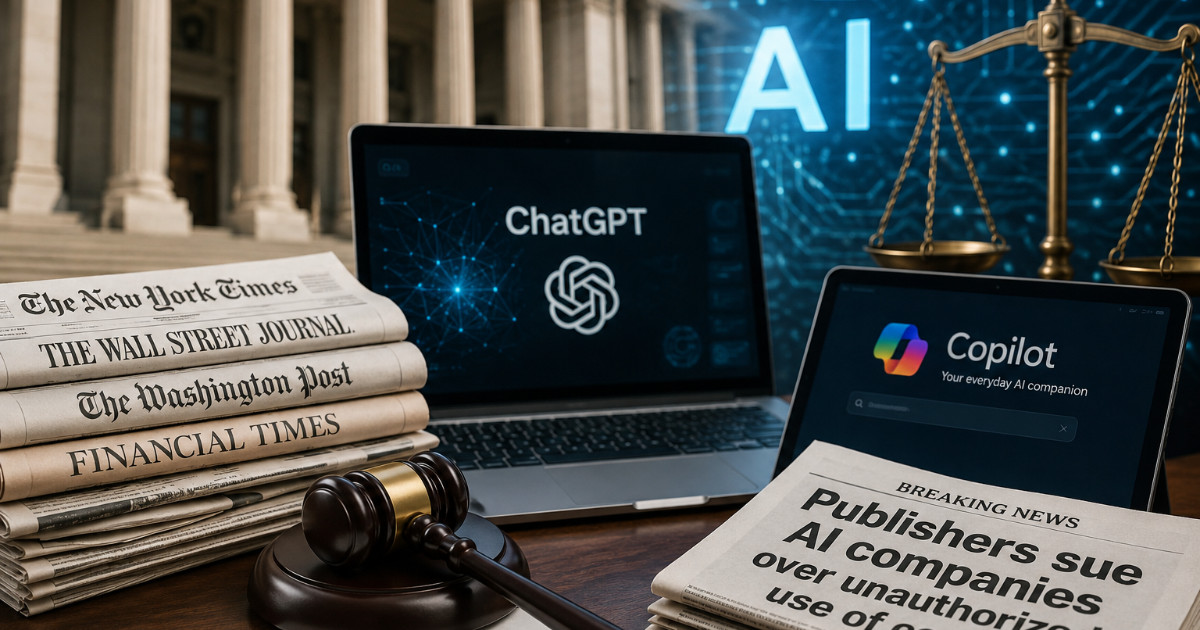
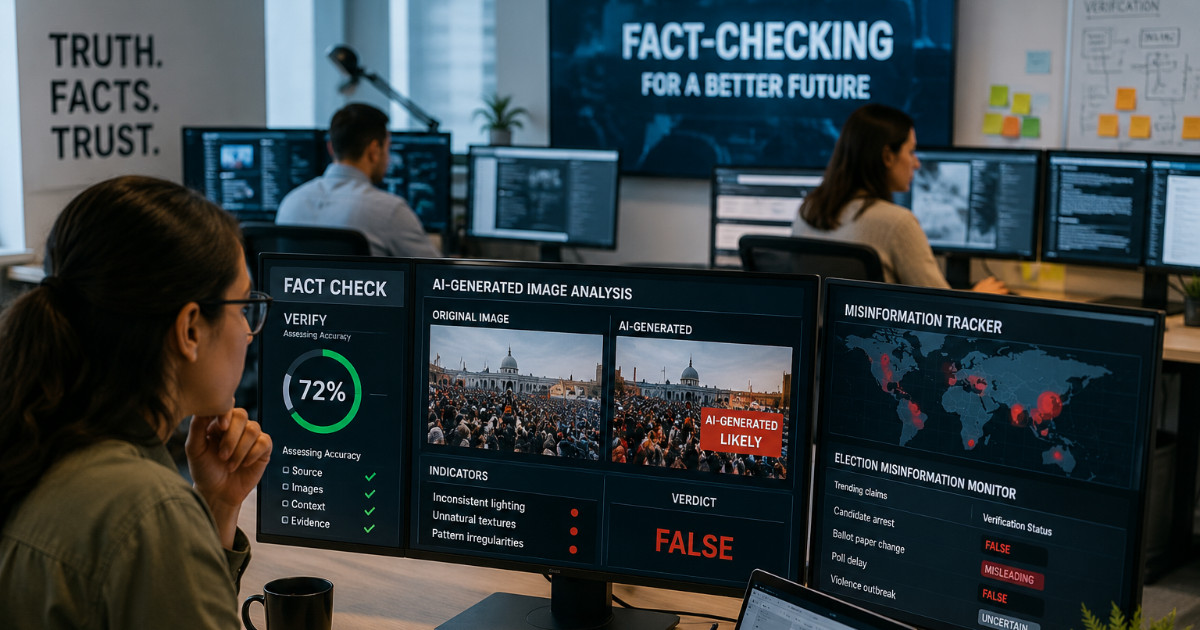
PHOTO: AI-generated; for illustrative purposes only.
Key Points
- The Times told freelancers their submissions must be the product of human creativity and not generated or edited by AI.
- The guidance bans use of generative tools for drafting, revising or polishing editorial copy and visuals.
- Limited "high-level" brainstorming with AI may be allowed, but uploading unpublished reporting into AI is prohibited.
- The reminder cites recent controversies, including a freelance reviewer dismissal and questions over a Modern Love essay.
- Named tools in the guidance include ChatGPT, Gemini, Claude, Perplexity, MidJourney, DALL-E and Adobe Firefly.
Key Questions & Answers
What did The New York Times tell freelancers?
It reminded contributors that all submitted work must be human-made and not created, modified, or enhanced by generative AI.
Are any uses of AI allowed?
Only limited high-level brainstorming with AI may be permitted; using AI to draft, edit or rephrase editorial content is prohibited.
Which AI tools did the Times mention?
The guidance referenced tools such as ChatGPT, Gemini, Claude, Perplexity, MidJourney, DALL-E and Adobe Firefly as off-limits for editorial work.
Why did the paper reissue this guidance?
The reminder follows recent AI-related editorial lapses and controversies involving freelance and newsroom content.
Ask AI: Understand this story your way
AI EnabledDig deeper, ask anything — get instant context, background, and clarity.
Disclaimer: This feature is powered by AI and is intended to help readers explore and understand news stories more easily. While we strive for accuracy, AI-generated responses may occasionally be incomplete or reflect limitations in the underlying model. This feature does not represent the editorial views of JournalismPakistan. For our full, verified reporting, please refer to the original article.