
Why are news organizations suing AI companies while others are signing deals?
JournalismPakistan.com | Published: 27 June 2026 | JP Special Report
Join our WhatsApp channel
Publishers worldwide are divided: some are suing AI firms for allegedly using copyrighted journalism to train models, while others accept multimillion licensing deals to permit content use. The outcomes could reshape legal standards and newsroom revenues.Summary
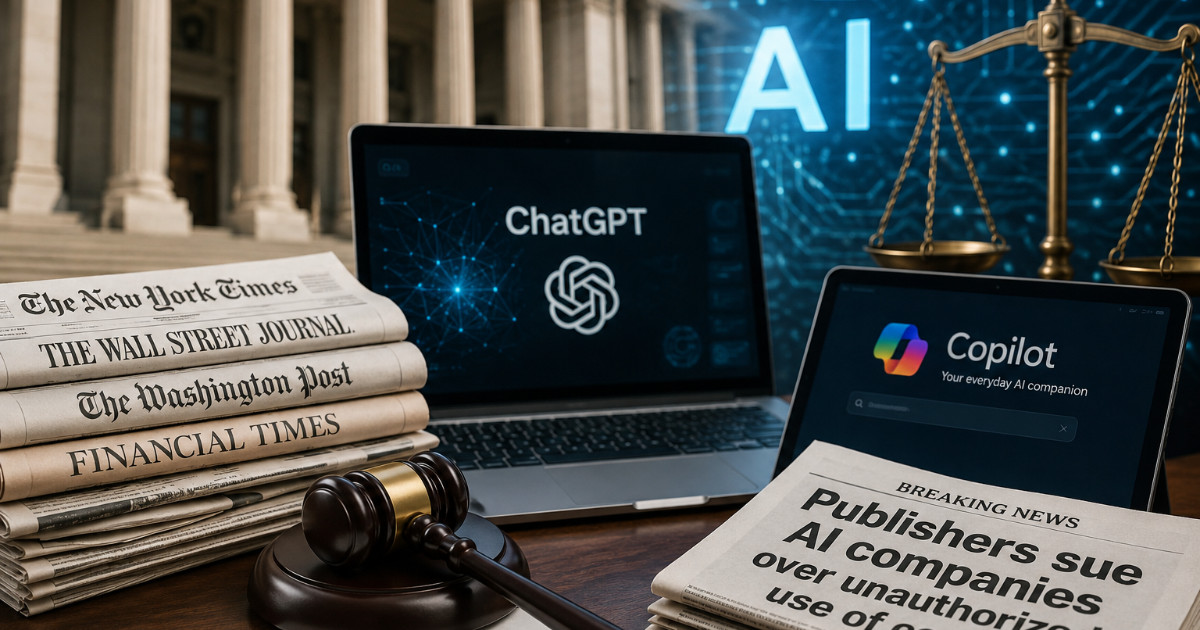
ISLAMABAD — Artificial intelligence has created one of the biggest battles the news industry has faced since the rise of social media. Around the world, publishers are taking very different approaches to AI companies such as OpenAI, Google, Microsoft, Anthropic, and Perplexity. Some are filing lawsuits, accusing AI firms of using their journalism without permission. Others are signing multimillion-dollar licensing agreements to allow their content to be used.
So why are publishers making such different choices? And what could it mean for the future of journalism?
The heart of the dispute
Generative AI systems learn from enormous amounts of text collected from across the internet. That has raised a fundamental question: Should AI companies be allowed to train their models using copyrighted journalism without paying the organizations that produced it?
Many publishers argue the answer is no.
They say producing original journalism requires significant investment in reporters, editors, photographers, fact-checkers, and legal support. If AI companies use that work to train chatbots without permission, publishers believe they are benefiting from years of reporting while giving little or nothing back.
AI companies generally respond that training AI models involves learning patterns from publicly available information rather than reproducing articles word for word. Some also argue that their use of online content falls under legal doctrines such as fair use in certain jurisdictions. Courts have yet to establish clear legal standards that apply across all AI training scenarios.
Why some publishers are going to court
Several major news organizations have decided litigation is the best way to protect their intellectual property.
Their concerns typically include:
Unauthorized use of copyrighted reporting to train AI models.
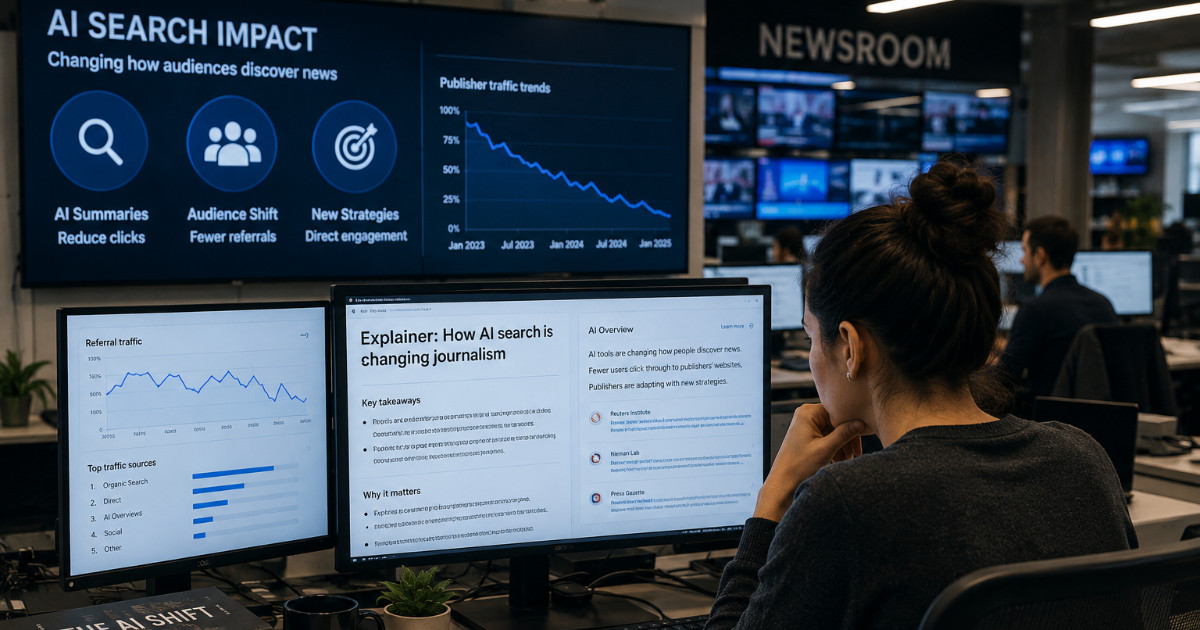
AI-generated summaries are reducing traffic to publishers' websites.
Chatbots reproducing or closely paraphrasing articles.
Loss of advertising and subscription revenue.
Lack of transparency about how content is collected and used.
Some publishers also argue that AI systems compete directly with news organizations by answering users' questions without requiring them to visit the source.
The lawsuits are seeking compensation, greater transparency, and legal clarification on whether AI companies can continue using copyrighted journalism without licensing agreements.
Why others are signing licensing deals
Not every publisher believes a courtroom is the best place to resolve the issue.
Instead, several media organizations have entered licensing agreements with AI companies.
These partnerships typically allow AI firms to access current and archived journalism under negotiated terms. In return, publishers may receive licensing fees, technology support, access to AI tools, or commitments that their content will be attributed and linked when appropriate.
For many publishers, these agreements represent a new revenue stream at a time when traditional advertising income continues to decline.
Some executives also see AI as an opportunity rather than simply a threat.
By working directly with AI companies, publishers hope to influence how their journalism is used and ensure they remain part of the rapidly evolving information ecosystem.
Why are different publishers choosing different paths
The decision often comes down to business strategy.
Large publishers with significant financial resources may pursue litigation to establish legal precedents and protect valuable archives of original reporting.
Others may conclude that lengthy court battles are expensive, uncertain, and could take years to resolve. Licensing agreements offer immediate financial returns and may provide a more predictable business relationship.
Some organizations have even combined both approaches, challenging certain AI practices while negotiating commercial partnerships with others.
What is a licensing agreement?
A licensing agreement is a contract that allows one company to use another company's intellectual property under agreed conditions.
In the case of journalism, publishers may permit AI companies to:
Access articles for AI training.
Display summaries or excerpts.
Retrieve information from news archives.
Use content in AI-powered search experiences.
The agreement usually specifies payment, attribution, data access, usage limits, and legal protections for both parties.
Why this matters for journalists
For journalists, the debate is about much more than technology.
If AI companies can freely use news content without compensation, publishers fear it could weaken already fragile business models and reduce funding for original reporting.
On the other hand, if licensing agreements become widespread, they could create an entirely new source of revenue for news organizations.
Journalists are also watching how AI tools affect newsroom workflows. Many publishers are already using AI to assist with research, transcription, translation, headline suggestions, and data analysis, while maintaining human editorial oversight.
What it means for readers
Readers may notice AI-generated summaries appearing more frequently in search engines and chatbots.
While these tools can make information easier to access, they also raise concerns about accuracy, attribution, and whether users will continue visiting the original news sources that produce the reporting.
If fewer readers visit publishers' websites, advertising and subscription income could decline, potentially affecting the amount of original journalism available in the future.
What happens next?
The legal landscape remains unsettled.
Courts in several countries are considering cases that could define how copyright law applies to AI training and content generation. At the same time, more publishers are expected to negotiate commercial agreements with AI companies as the technology becomes increasingly integrated into news production and distribution.
The outcome will likely shape not only the future relationship between AI companies and publishers, but also how journalism is funded in the digital age.
The bottom line
The divide between lawsuits and licensing agreements reflects two different strategies for dealing with the same challenge.
Some publishers believe the courts should decide how copyrighted journalism can be used in the AI era. Others believe negotiated partnerships offer a faster and more practical path forward.
Whichever approach ultimately proves more successful, one thing is clear: the relationship between artificial intelligence and journalism is becoming one of the defining media stories of our time.
JOURNALISMPAKISTAN EXPLAINS: This article is part of JournalismPakistan's JP Explains series that breaks down complex issues affecting journalism, media, technology, and press freedom. It draws on publicly available information, legal filings, company announcements, and reporting from multiple reputable news organizations.
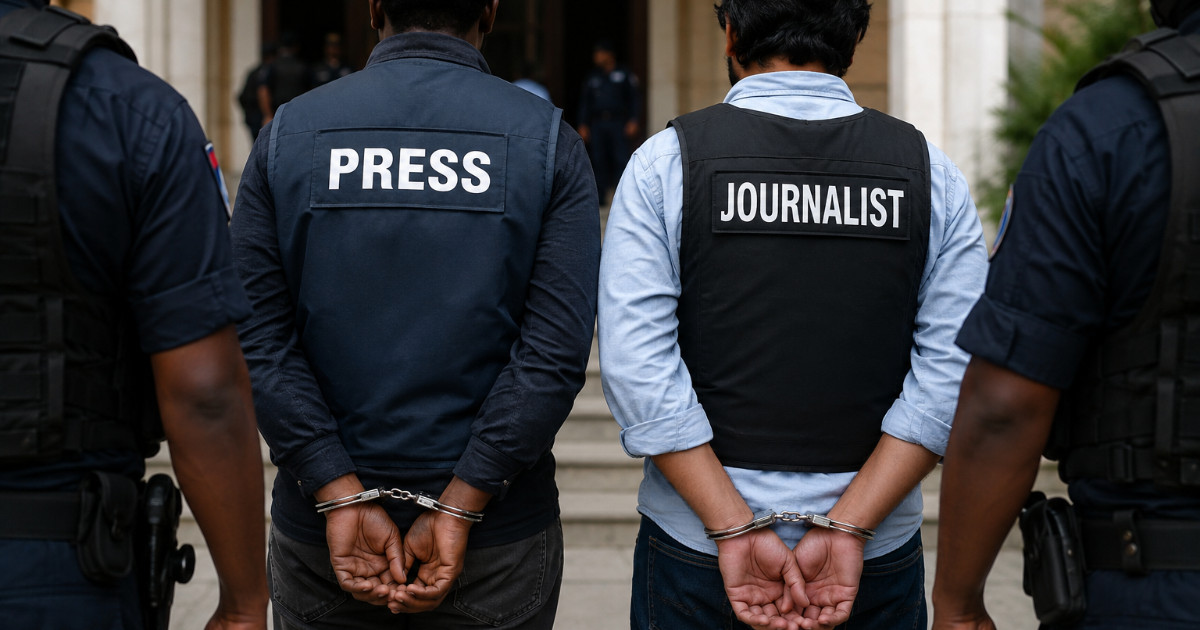
PHOTO: AI-generated; for illustrative purposes only
Key Points
- Generative AI models are trained on vast amounts of online text, including news articles.
- Some publishers sue, saying their copyrighted journalism was used without permission.
- Others negotiate licensing deals, receiving payments to allow content use.
- AI companies argue training uses patterns from public text and may qualify as fair use.
- Legal rulings and commercial agreements will shape future newsroom revenue and access.
Key Questions & Answers
Why are some publishers suing AI companies?
They say AI firms used copyrighted journalism to train models without permission, denying news organisations compensation for costly reporting.
Why are other publishers signing licensing deals?
Licensing provides direct revenue and control over how content is used, offering a commercial alternative to litigation.
What do AI companies say in response?
AI firms often argue training learns patterns from publicly available text and in some cases claim fair use or that they do not reproduce articles verbatim.
What is at stake for the future of journalism?
Outcomes will influence legal standards, newsroom funding, and how easily AI systems can access and repurpose news content.
Ask AI: Understand this story your way
AI EnabledDig deeper, ask anything — get instant context, background, and clarity.
Disclaimer: This feature is powered by AI and is intended to help readers explore and understand news stories more easily. While we strive for accuracy, AI-generated responses may occasionally be incomplete or reflect limitations in the underlying model. This feature does not represent the editorial views of JournalismPakistan. For our full, verified reporting, please refer to the original article.