
Digital surveillance: How journalists can stay protected
JournalismPakistan.com | Published: 25 June 2026 | JP Staff Report
Join our WhatsApp channel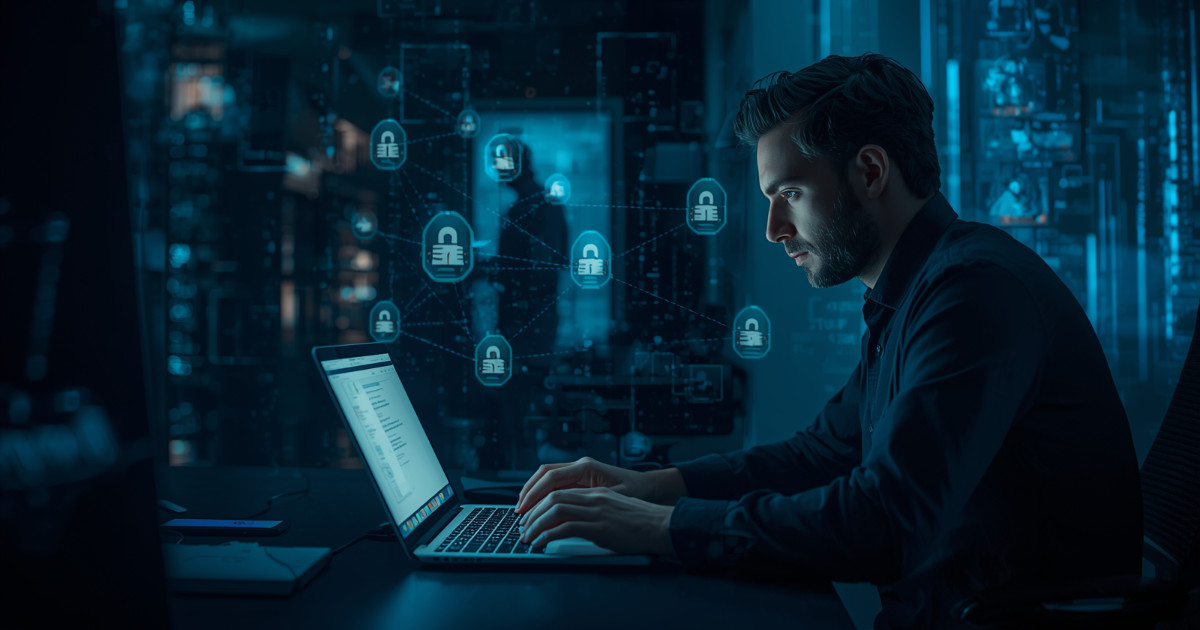
Digital surveillance threatens journalists worldwide: spyware and common attacks like phishing or fake logins can compromise devices, and even metadata can expose sources; reporters should adopt secure messaging, two-factor authentication and careful network use.Summary
ISLAMABAD — Digital surveillance has become one of the most significant threats facing journalists worldwide. Governments, criminal groups, private companies, and sophisticated hackers now possess tools capable of monitoring communications, tracking movements, intercepting data, and identifying confidential sources. As journalism increasingly relies on digital platforms, protecting devices and communications has become as essential as traditional reporting skills.
Modern surveillance extends far beyond phone tapping. Journalists may be exposed through compromised smartphones, phishing attacks, spyware, insecure messaging applications, public Wi-Fi networks, social media activity, or poorly protected cloud accounts. Even seemingly harmless metadata, such as who communicated with whom, when, and from where, can reveal valuable information about reporting activities and confidential sources.
Surveillance goes beyond hacked phones
One of the most sophisticated forms of digital surveillance involves commercial spyware capable of secretly infecting smartphones. Once installed, such software may access messages, emails, microphones, cameras, contacts, and location data without the user's knowledge. Investigations in recent years have documented the use of advanced spyware against journalists, human rights defenders, lawyers, and political figures in multiple countries, prompting renewed debate over regulation and accountability.
Surveillance, however, is not limited to advanced spyware. Many attacks rely on relatively simple techniques. Fraudulent emails, fake login pages, malicious attachments, or deceptive text messages often trick journalists into revealing passwords or installing malware. Cybersecurity experts continue to warn that human error remains one of the most common entry points for attackers.
For investigative reporters, the risks can be especially severe. A compromised device may expose interview notes, unpublished documents, photographs, location histories, or the identities of confidential sources. Such breaches can jeopardize investigations, endanger whistleblowers, and undermine public trust in journalism.
Practical steps to improve digital security
Security specialists recommend that journalists adopt several basic digital hygiene practices. Keeping operating systems and applications updated helps close known security vulnerabilities. Enabling multi-factor authentication significantly reduces the risk of unauthorized account access, even if passwords are stolen.
Encrypted messaging platforms provide stronger protection for sensitive conversations, although experts caution that no digital tool offers absolute security. Journalists are also encouraged to use strong, unique passwords managed through reputable password managers rather than reusing the same credentials across multiple services.
Public Wi-Fi networks should be treated cautiously, particularly when accessing sensitive accounts or transferring confidential material. Where possible, reporters should use trusted internet connections or reputable virtual private networks (VPNs). Regularly backing up important files and encrypting laptops and smartphones can also reduce the damage caused by device theft or compromise.
Experts further recommend verifying unexpected messages before clicking links or downloading attachments, even when they appear to come from colleagues or trusted organizations. Routine security awareness training within newsrooms can help staff recognize phishing attempts and emerging cyber threats.
Protecting sources remains central
Digital security is closely linked to source protection. Confidential communications can be undermined if either the journalist or the source follows poor cybersecurity practices. Many press freedom organizations, therefore, encourage journalists to discuss secure communication methods with sensitive sources before exchanging documents or conducting interviews.
Organizations such as the Committee to Protect Journalists, Reporters Without Borders, the Electronic Frontier Foundation, and the Freedom of the Press Foundation publish regularly updated digital security guides tailored for journalists working in different risk environments. Their recommendations emphasize that security should be viewed as an ongoing process rather than a one-time checklist.
As surveillance technologies continue to evolve, journalists are increasingly expected to combine traditional reporting skills with digital resilience. Building strong cybersecurity habits not only protects individual reporters but also strengthens newsroom integrity, safeguards confidential sources, and helps preserve the public's access to independent journalism.
WHY THIS MATTERS: Digital surveillance has become a routine newsroom risk rather than an issue affecting only investigative reporters or conflict correspondents. News organizations that invest in cybersecurity training, secure communications, and digital risk assessments are better positioned to protect sources, preserve confidential reporting, and maintain public trust.
ATTRIBUTION: Reporting by JournalismPakistan, based on publicly available guidance from the Committee to Protect Journalists, Reporters Without Borders, the Electronic Frontier Foundation, and the Freedom of the Press Foundation.
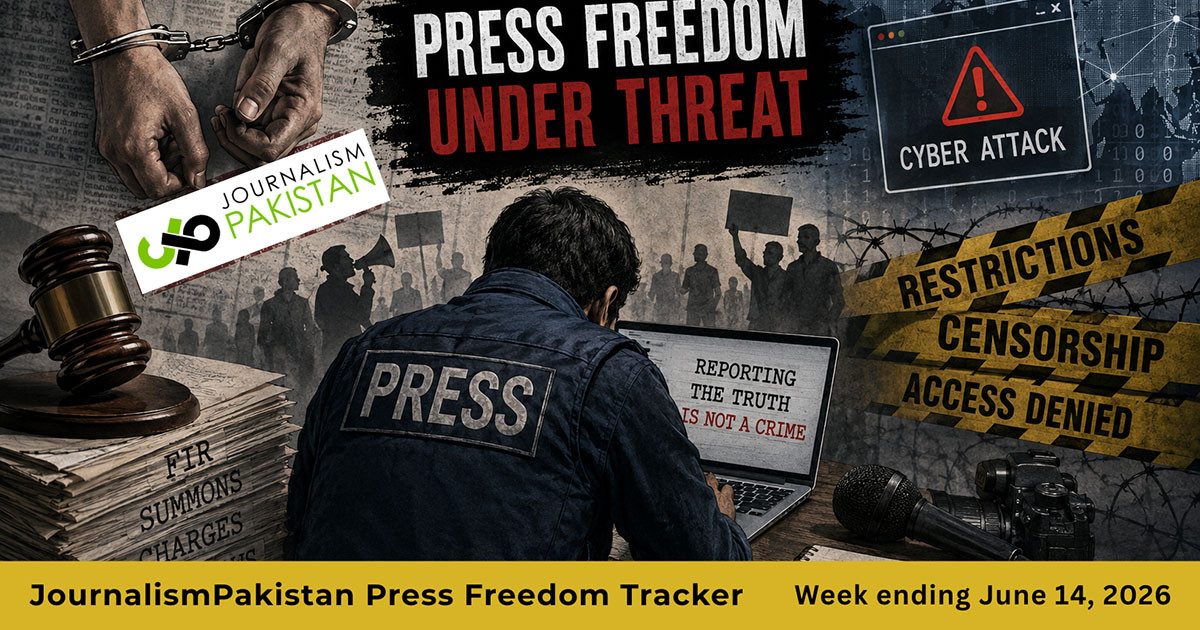
PHOTO: AI-generated; for illustrative purposes only.
Key Points
- Commercial spyware can fully compromise smartphones and access messages, mic, camera, contacts and location.
- Many threats are simple: phishing, fake login pages, insecure Wi-Fi and weak cloud protections.
- Metadata (who, when, where) can reveal reporting networks and confidential sources.
- Basic protections include secure messaging, two-factor authentication and strong passwords.
- Device hygiene-updates, vetted apps, backups-and cautious use of public networks reduce risk.
Key Questions & Answers
What is digital surveillance and why does it matter to journalists?
Digital surveillance includes spyware, network interception and metadata collection; it can expose reporting methods and confidential sources, undermining safety and press freedom.
How do journalists typically get compromised?
Common routes are phishing emails, fake login pages, malicious links or attachments, insecure public Wi‑Fi, weak passwords, and installation of commercial spyware.
What basic steps can journalists take to stay protected?
Use secure messaging apps, enable two‑factor authentication, keep devices updated, use strong passwords, avoid risky public Wi‑Fi and limit sensitive data in cloud accounts.
Can metadata really put sources at risk?
Yes. Metadata-timestamps, locations and contact patterns-can reveal who is communicating with whom and when, potentially exposing sources even without message content.
Relevant Topics
Ask AI: Understand this story your way
AI EnabledDig deeper, ask anything — get instant context, background, and clarity.
Disclaimer: This feature is powered by AI and is intended to help readers explore and understand news stories more easily. While we strive for accuracy, AI-generated responses may occasionally be incomplete or reflect limitations in the underlying model. This feature does not represent the editorial views of JournalismPakistan. For our full, verified reporting, please refer to the original article.