
Indonesia copyright bill sparks press freedom fears
JournalismPakistan.com | Published: 27 June 2026 | JP Asia Desk
Join our WhatsApp channel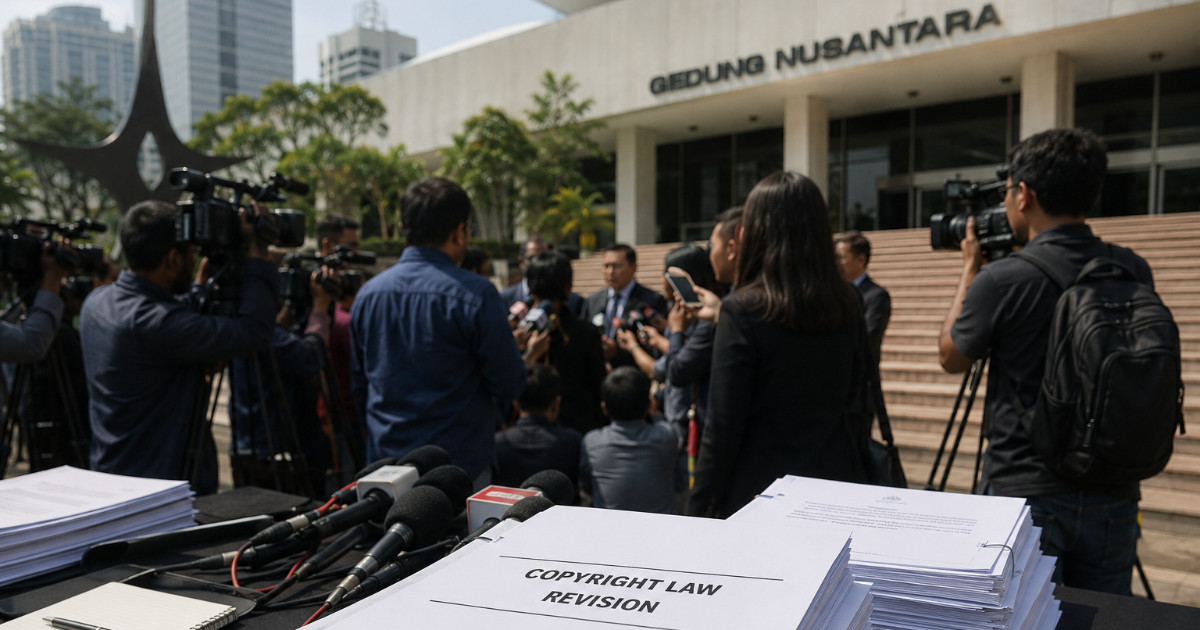
Advocates say Indonesia's proposed amendment to the 2014 Copyright Law overlaps with existing media rules and could expose journalists to new liabilities. They warn it may prompt litigation, encourage self-censorship and hamper investigative reporting.Summary
JAKARTA — Indonesia's proposed revision of the country's Copyright Law is facing growing criticism from press freedom advocates, who warn that several provisions could expose journalists and media organizations to greater legal risk and undermine investigative reporting.
The Legal Aid Institute for the Press (LBH Pers) has argued that elements of the draft amendment to the 2014 Copyright Law overlap with existing media regulations and could create legal uncertainty for journalists who rely on copyrighted material while reporting matters of public interest. The organization says the changes risk "overcriminalization" by opening the door to lawsuits or criminal complaints against reporters and news outlets.
Press groups warn of legal uncertainty
According to LBH Pers, journalists already operate under Indonesia's Press Law, which provides mechanisms for resolving disputes involving news reporting. The institute argues that introducing additional copyright-related liabilities without clear exemptions for journalism could weaken legal protections established under the country's media framework.
Media advocates also contend that uncertainty over what constitutes permissible use of copyrighted material could discourage investigative reporting, documentary journalism, and the publication of evidence obtained in the public interest. They warn that the prospect of costly litigation may encourage self-censorship, particularly among smaller and independent news organizations.
Debate reflects wider regional concerns
The debate comes as Indonesia continues to balance stronger intellectual property protections with safeguarding press freedom in an increasingly digital media environment. The proposed revisions have also drawn attention because lawmakers have said they want the updated legislation to better protect journalistic works and address challenges posed by digital platforms and artificial intelligence, while critics argue that the draft requires clearer safeguards for legitimate news reporting.
Indonesia has experienced broader debates over media regulation in recent years, including proposed amendments to broadcasting legislation and the implementation of a new criminal code that press freedom organizations say could affect investigative journalism and freedom of expression. International observers have continued to identify legal and regulatory pressures as challenges facing Indonesian media despite the country's democratic reforms.
Parliament has yet to finalize the proposed Copyright Law revision. Press freedom groups are urging lawmakers to ensure that any amendments clearly protect legitimate journalistic activities and preserve legal certainty for reporters covering issues of public interest.
WHY THIS MATTERS: The Indonesian debate illustrates a growing global challenge as governments seek to modernize copyright laws for the AI and digital era without inadvertently restricting journalism. For media organizations, the outcome could influence how future copyright legislation balances creators' rights, platform accountability, and protections for public-interest reporting across Southeast Asia.
ATTRIBUTION: Reporting by JournalismPakistan, based on publicly available reports by the Asian News Network and The Jakarta Post (June 24–26, 2026), with additional contextual information from the Reuters Institute's Digital News Report 2026.
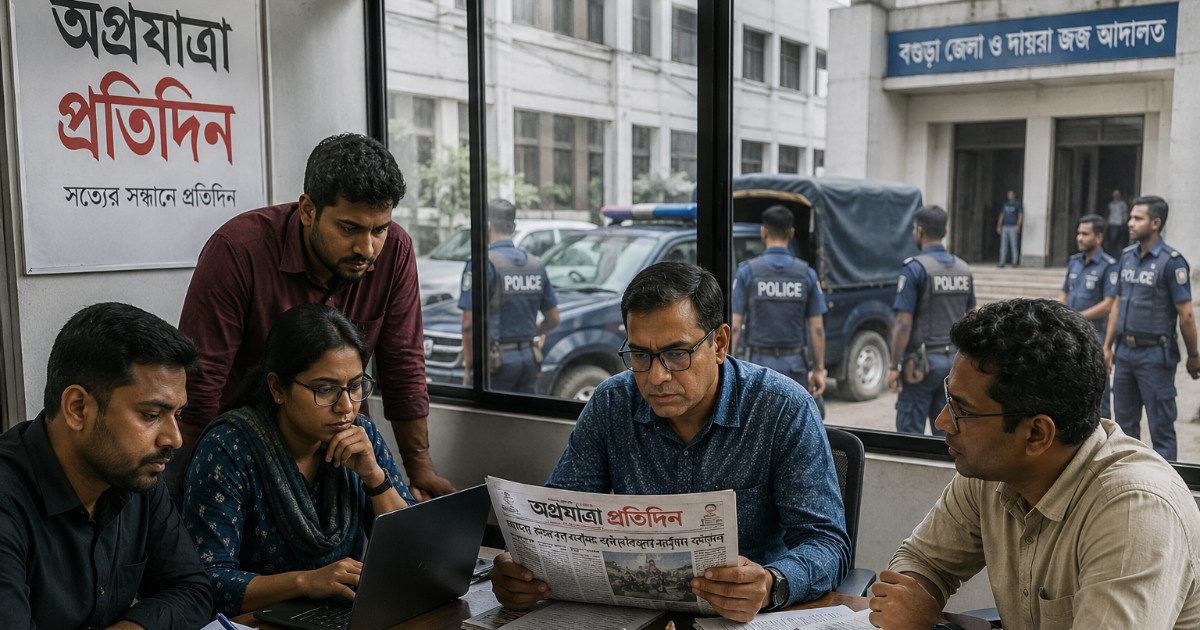
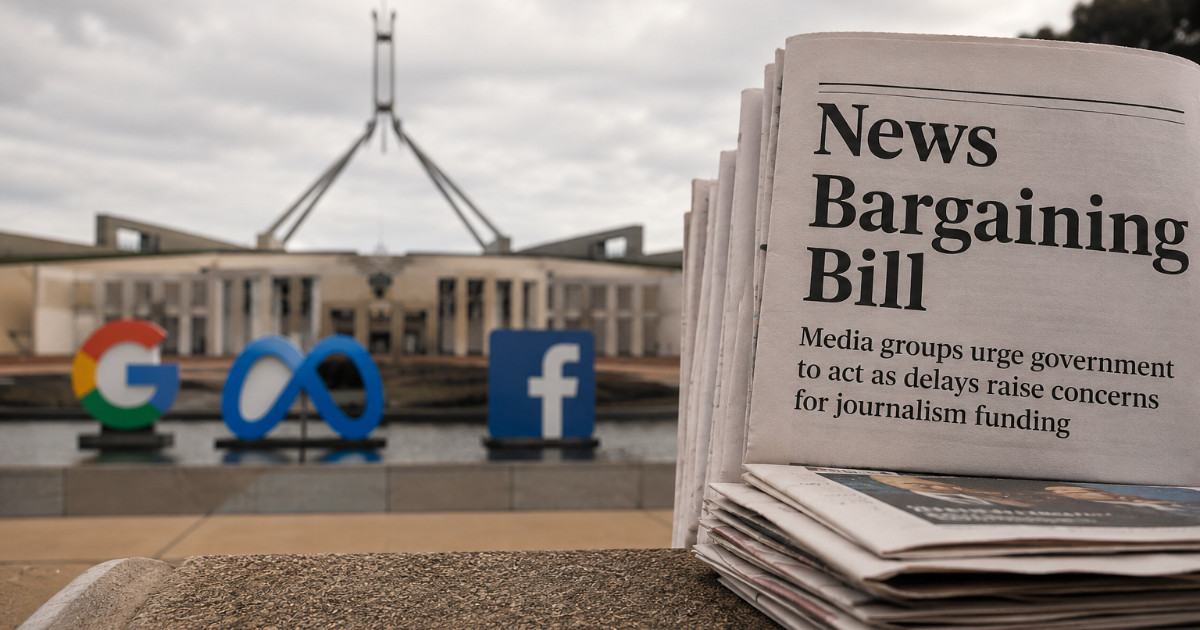
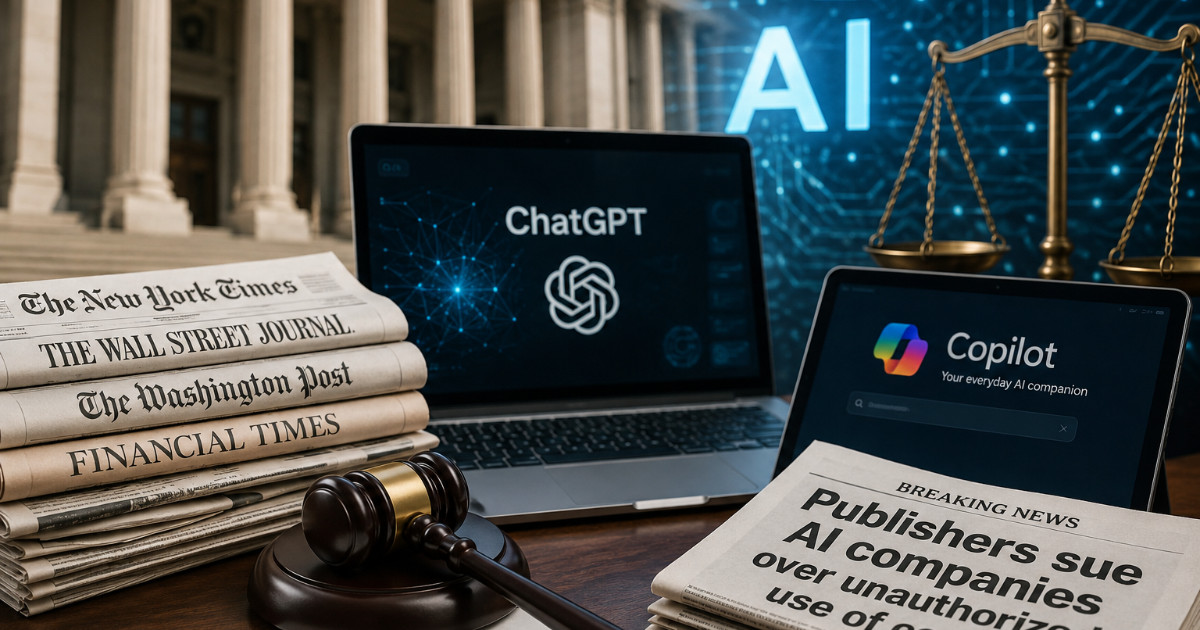
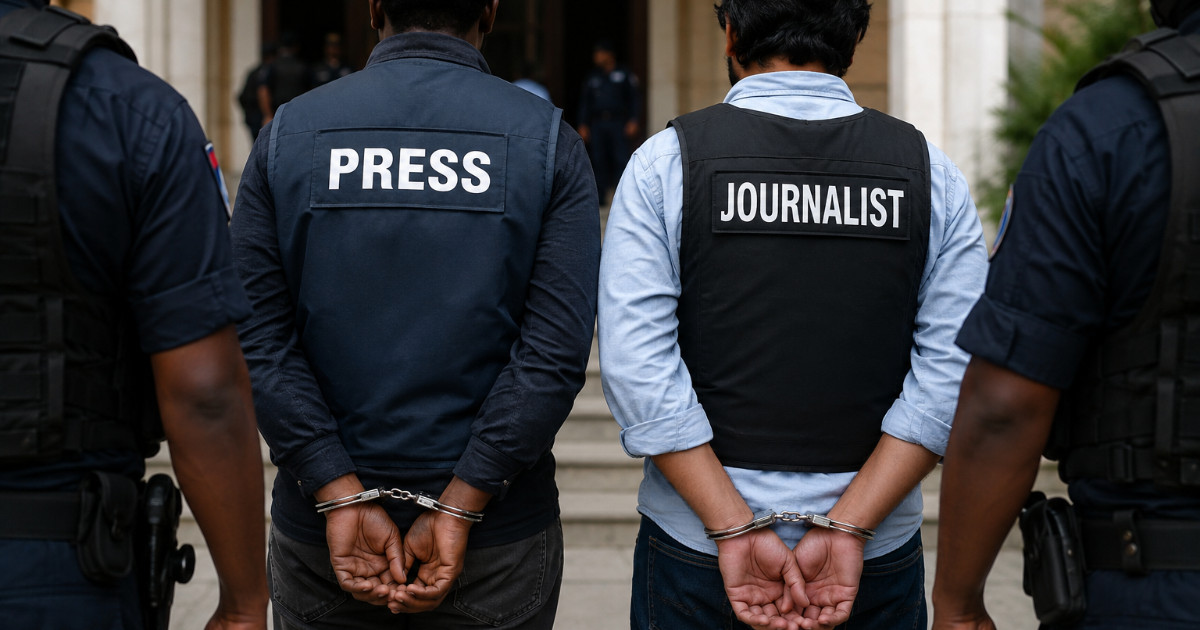
PHOTO: AI-generated; for illustrative purposes only.
Key Points
- Draft amendment to the 2014 Copyright Law is drawing criticism from press freedom advocates.
- LBH Pers warns new copyright provisions may overlap with existing media regulations.
- Groups say unclear exemptions for journalism could increase criminal or civil liability for reporters.
- Fear that legal uncertainty will deter investigative and documentary journalism.
- Smaller and independent news outlets may face higher risk of costly litigation and self-censorship.
Key Questions & Answers
What is the main concern about the proposed copyright changes?
Advocates say the draft could overlap with media laws and expose journalists to new legal liabilities, risking overcriminalization and legal uncertainty.
Who is raising these warnings?
Press freedom groups and the Legal Aid Institute for the Press (LBH Pers) have been prominent in voicing concerns.
How could the amendment affect investigative reporting?
Uncertainty over permissible use of copyrighted material may discourage publication of evidence, increase litigation risk and prompt self-censorship.
Which media outlets are most at risk if the law is changed?
Smaller and independent news organisations are seen as particularly vulnerable to costly legal action and the chilling effect on reporting.
Relevant Topics
Ask AI: Understand this story your way
AI EnabledDig deeper, ask anything — get instant context, background, and clarity.
Disclaimer: This feature is powered by AI and is intended to help readers explore and understand news stories more easily. While we strive for accuracy, AI-generated responses may occasionally be incomplete or reflect limitations in the underlying model. This feature does not represent the editorial views of JournalismPakistan. For our full, verified reporting, please refer to the original article.