
New York Times challenges Pentagon press rules again
JournalismPakistan.com | Published: 20 May 2026 | JP Global Monitoring
Join our WhatsApp channel
The New York Times sued the Pentagon over rules requiring journalists to be escorted, restricting spontaneous reporting and demanding prior approvals inside defense facilities, arguing the measures unlawfully limit press access and First Amendment rights.Summary
WASHINGTON—The New York Times has filed a second lawsuit against the U.S. Department of Defense, contesting newly introduced Pentagon press access restrictions that require journalists to be escorted at all times and limit spontaneous reporting interactions within defense facilities.
According to the complaint, the newspaper argues that the policy significantly alters long-standing press access arrangements that have allowed credentialed journalists to independently engage with defense officials and observe briefings without constant supervision. The Times contends that the restrictions amount to a prior restraint on newsgathering and violate constitutional protections for a free press.
Legal challenge to access restrictions
The lawsuit focuses on the Pentagon’s updated accreditation rules, which tighten movement within defense premises and require prior approval for most journalist interactions. The Times argues that these measures hinder timely defense reporting and reduce transparency at a critical national security institution.
The Department of Defense has not publicly responded in detail to the lawsuit at the time of filing, but the policy is understood to be part of broader efforts to regulate information flow and security procedures within military installations.
Press freedom debate in the U.S.
Media law experts say the case could set a precedent for how far government agencies can go in regulating physical access for reporters while still complying with First Amendment protections. The outcome is expected to be closely watched by news organizations covering national security, particularly those reliant on on-the-ground reporting from restricted government sites.
Press freedom advocates warn that increased escort requirements and controlled movement could discourage investigative journalism inside defense institutions, shifting coverage toward official statements rather than independent observation.
Broader implications for military reporting
The dispute highlights ongoing tensions between national security protocols and press independence, especially in environments where access has historically been governed by informal norms rather than strict procedural controls. Journalists covering defense policy say such restrictions could reshape day-to-day reporting practices in Washington.
If upheld, the rules may prompt other federal agencies to adopt similar access frameworks, potentially narrowing the scope of embedded or in-person reporting across government departments.
WHY THIS MATTERS: This case underscores a growing global trend of tightening physical access for journalists in sensitive government spaces. For newsrooms, it raises operational concerns about maintaining independent reporting when access is mediated or supervised. It also tests the legal boundaries of press freedom in environments where security arguments are increasingly used to justify procedural restrictions.
ATTRIBUTION: Reporting by JournalismPakistan, based on publicly available court filing information and a report by The New York Times (2026).
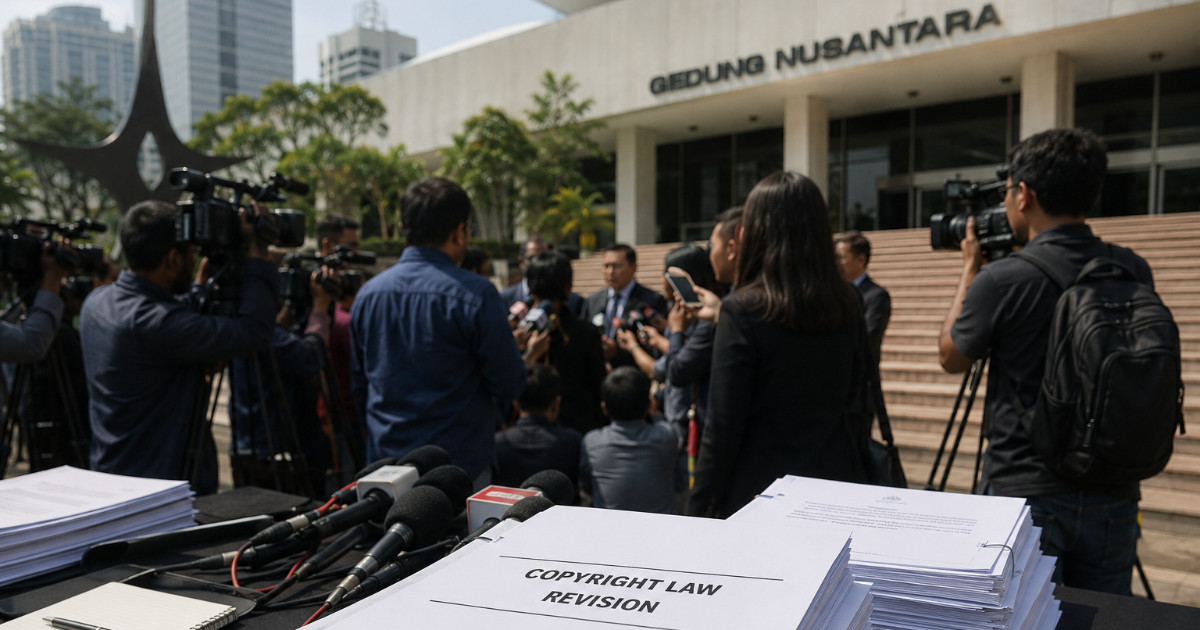
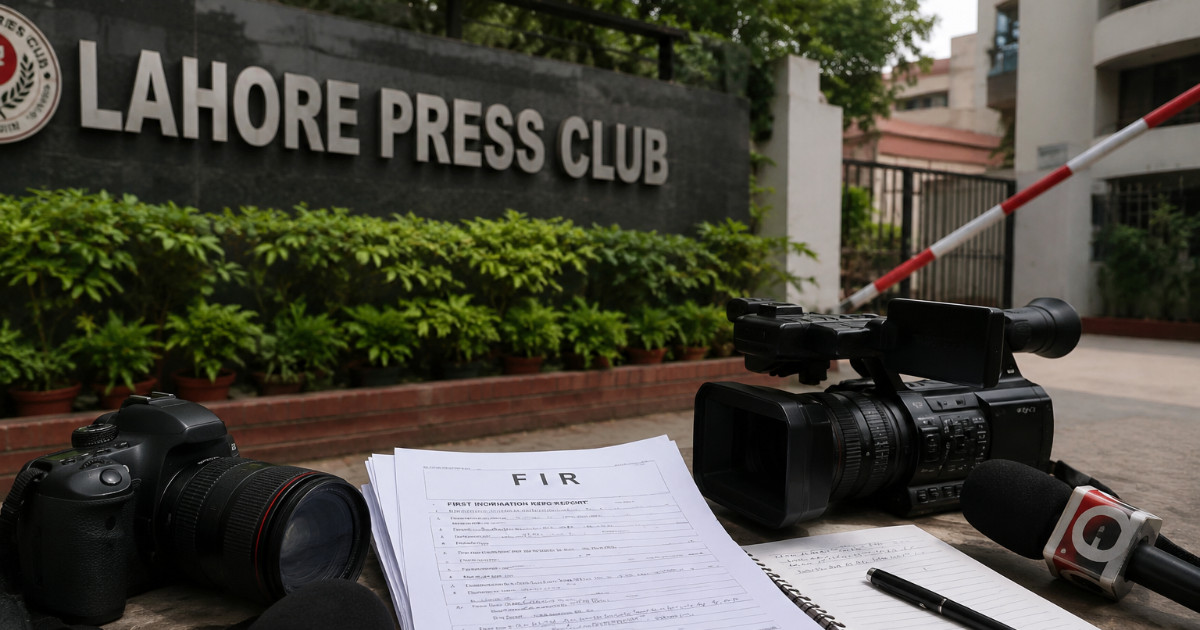
PHOTO: AI-generated; for illustrative purposes only.
Key Points
- The New York Times filed a second lawsuit against the U.S. Department of Defense.
- Pentagon accreditation now requires escorted access, limits movement and curbs spontaneous interactions.
- The Times argues the rules are a prior restraint and violate First Amendment protections.
- The case could set a precedent on how far agencies can restrict physical access for reporters.
- The Department of Defense has not given a detailed public response to the lawsuit.
Key Questions & Answers
What is the lawsuit about?
The New York Times alleges Pentagon accreditation rules that require escorts and prior approvals unlawfully restrict press access and violate the First Amendment.
What specific changes did the Pentagon make?
The updated rules tighten movement inside defense facilities, require escorts and often require prior approval for journalist interactions and reporting.
What legal claim does the Times make?
The newspaper says the measures amount to a prior restraint on newsgathering and impede timely, independent reporting.
Why does this case matter?
The outcome could define how far government agencies can regulate physical access for reporters while respecting constitutional press protections.
Ask AI: Understand this story your way
AI EnabledDig deeper, ask anything — get instant context, background, and clarity.
Disclaimer: This feature is powered by AI and is intended to help readers explore and understand news stories more easily. While we strive for accuracy, AI-generated responses may occasionally be incomplete or reflect limitations in the underlying model. This feature does not represent the editorial views of JournalismPakistan. For our full, verified reporting, please refer to the original article.