
Argentina eases press access after global criticism
JournalismPakistan.com | Published: 5 May 2026 | JP Global Monitoring
Join our WhatsApp channel
Argentina partly reversed measures limiting journalists' access to Casa Rosada after pressure from domestic and international press groups, restoring broader entry but leaving some outlets excluded and tighter accreditation in place.Summary
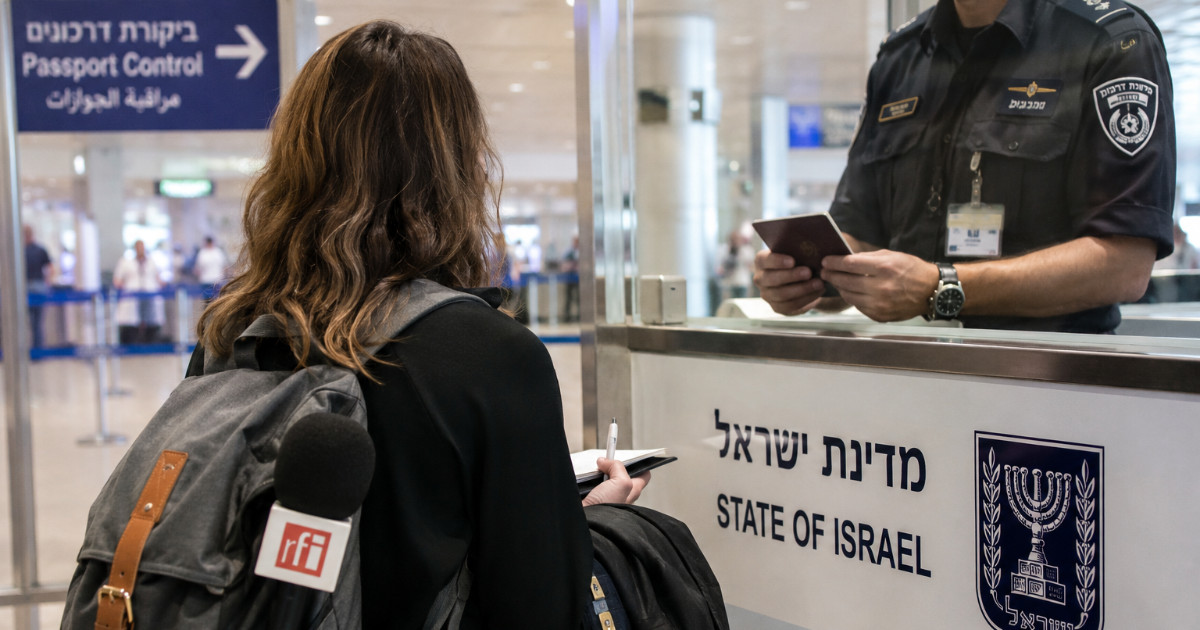
BUENOS AIRES—Argentina’s government has partially reversed restrictions on journalists’ access to the presidential palace following sustained criticism from domestic media groups and international press freedom advocates, easing but not fully removing controls that had limited coverage of official activities.
The restrictions, introduced earlier in April, curtailed entry for several media outlets and imposed tighter accreditation requirements for reporters seeking access to Casa Rosada, the seat of Argentina’s executive branch. Officials did not initially provide a detailed public justification, prompting concerns about transparency and equal access.
Partial rollback follows sustained criticism
Under the revised policy, a broader pool of journalists has regained access to official briefings and events. However, some outlets reportedly remain excluded, and new accreditation procedures continue to impose stricter conditions than previously in place. Media organizations have welcomed the rollback but say the measures still fall short of restoring full press access.
Press freedom groups argue that selective accreditation risks undermining the principle of equal access to public information, particularly when decisions about which outlets are admitted are not clearly explained. They have called for transparent criteria and consistent application across all media organizations.
Concerns over selective accreditation persist
The episode in Argentina reflects a wider global pattern in which governments are testing new ways to control media access, including limiting physical entry to official venues or tightening credentialing rules. Analysts note that such measures, even when framed as administrative or security-related, can have a chilling effect on independent reporting.
While Argentina’s move to ease restrictions has been seen as a response to pressure, observers say the continued limitations highlight unresolved tensions between governments and the press over access and accountability. The situation remains under scrutiny from both local journalist unions and international watchdogs.
ATTRIBUTION: Reporting by JournalismPakistan, based on regional media reports (May 2026) and statements from Reporters Without Borders (May 2026).
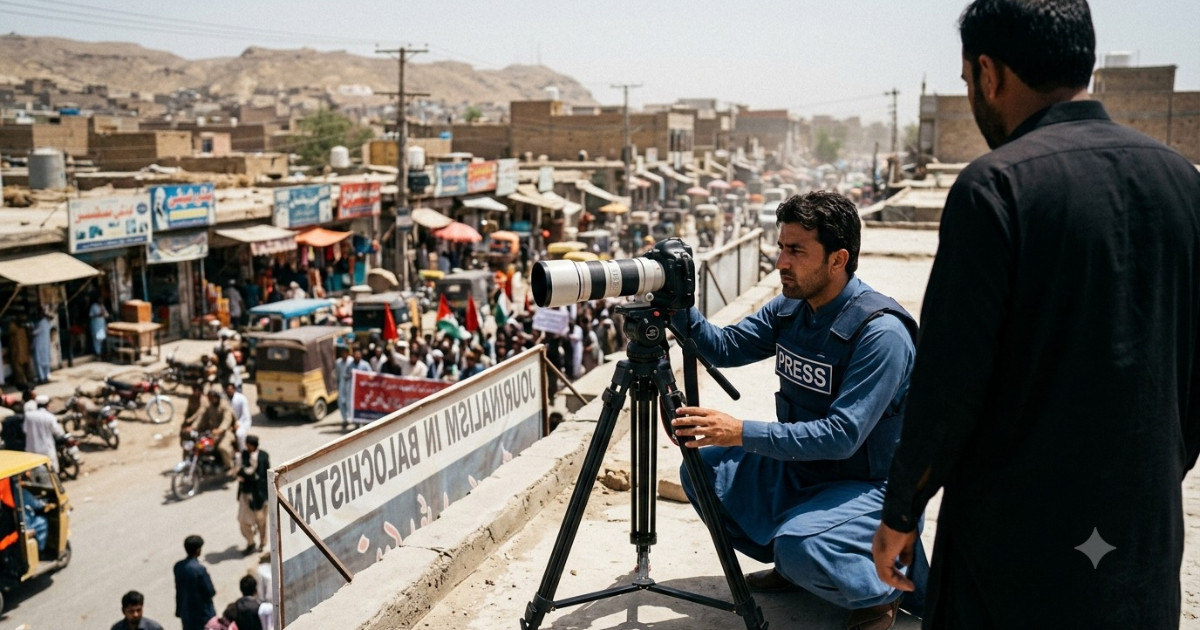
PHOTO: AI-generated; for illustrative purposes only.
Key Points
- Government rolled back parts of April restrictions limiting entry to Casa Rosada for several outlets.
- Revised policy restores access for a broader pool of journalists but not all outlets.
- New accreditation procedures remain stricter than earlier rules.
- Officials offered limited public justification, raising transparency concerns.
- Press freedom groups demand clear, consistently applied criteria for media access.
Key Questions & Answers
Why were the original restrictions criticized?
Domestic media groups and international press freedom advocates said the rules lacked clear justification and risked unequal access to public information.
Have all media outlets regained access?
No. While access has been widened, some outlets reportedly remain excluded and face stricter accreditation requirements.
What are press groups calling for?
They want transparent, consistent criteria for accreditation to ensure equal access and prevent selective exclusion of outlets.
Does this situation reflect a wider trend?
Observers say it mirrors a global pattern of governments testing new ways to control media access, prompting concerns about press freedom.
Relevant Topics
Ask AI: Understand this story your way
AI EnabledDig deeper, ask anything — get instant context, background, and clarity.
Disclaimer: This feature is powered by AI and is intended to help readers explore and understand news stories more easily. While we strive for accuracy, AI-generated responses may occasionally be incomplete or reflect limitations in the underlying model. This feature does not represent the editorial views of JournalismPakistan. For our full, verified reporting, please refer to the original article.