
Press freedom review: From jail cells to cyberspace, threats to journalists multiply
JournalismPakistan.com | Published: 14 June 2026 | JP News Desk
Join our WhatsApp channel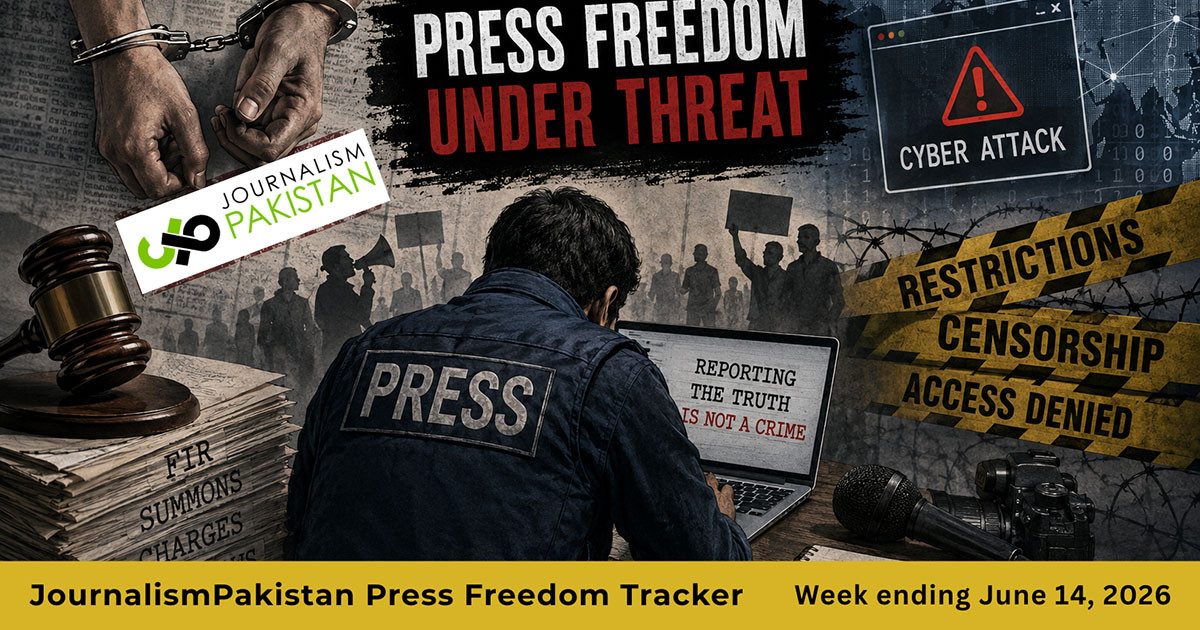
JournalismPakistan Press Freedom Tracker records legal pressure, arrests, cyber investigations, online harassment and reporting restrictions in Pakistan and abroad, while digital attacks and disruptions increasingly target independent media.Summary
Editor’s note
This week’s JournalismPakistan Press Freedom Tracker reflects a continued pattern of legal pressure, arrests, cyber investigations, and reporting restrictions affecting journalists across multiple regions. Pakistan recorded several significant developments involving cybercrime proceedings, arrests, and expanded judicial media access, while international cases highlighted concerns over detentions, expulsions, online harassment, and restrictions on reporting during conflict. The reporting period also underscored growing challenges posed by digital attacks, including cyber disruptions targeting independent media outlets. Together, these developments illustrate the increasingly complex environment in which journalists operate and the ongoing tensions between state authority, public accountability, and press freedom.
Arrests, detentions, and kidnappings
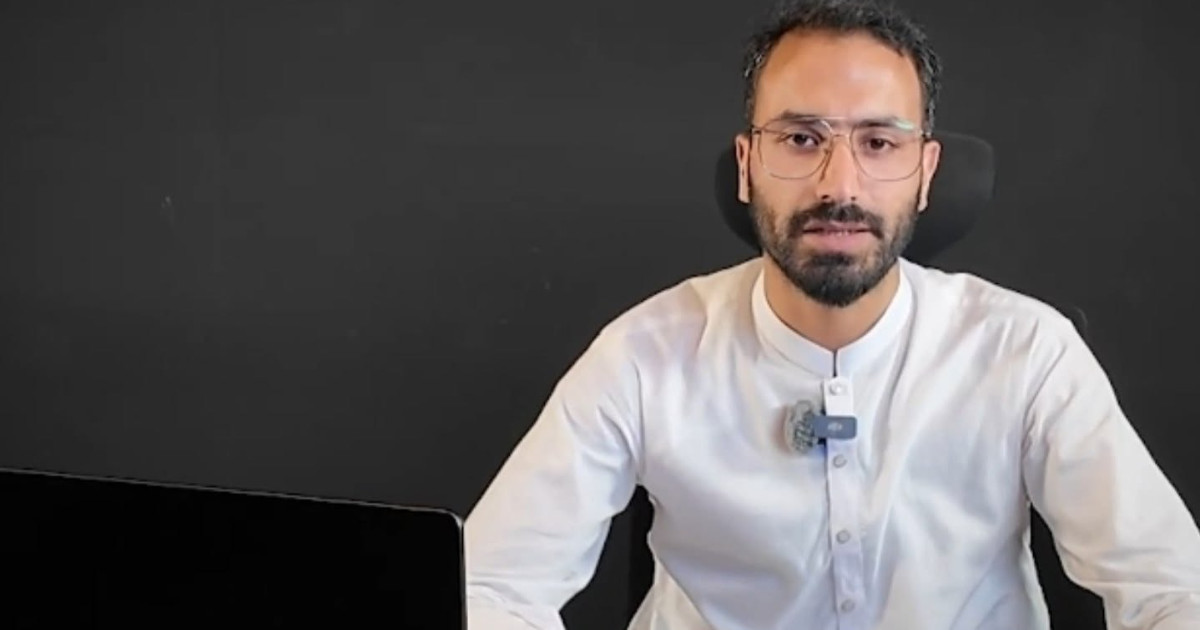
PAKISTAN — Journalist Sohrab Barkat was arrested on June 7, 2026, after authorities alleged that a YouTube video uploaded on June 5 contained false and misleading information, promoted the narrative of the Jammu Kashmir Joint Awami Action Committee (JAAC), and was likely to provoke public unrest, fear, panic, and disorder. (Media reports, June 7, 2026)
PAKISTAN — GNN television journalist Yasir Ayaz Khan, who was reported missing from Islamabad on June 5, was later located in Swabi and handed over to Islamabad police. According to PFUJ President Afzal Butt, the journalist said unknown individuals left him in the area before departing. Authorities have not publicly disclosed further details about the circumstances surrounding his disappearance. (PFUJ statement, June 9, 2026)
BANGLADESH — BDNews24 correspondent Mohammad Asaduzzaman was arrested during a June 8 raid on his home in Sharsha Upazila, Jessore district, and detained under the Special Powers Act in connection with a complaint that reportedly confused him with a politician of the same name. After appearing in court, he was denied bail and transferred to Jessore District Jail pending a hearing. The Committee to Protect Journalists called on authorities to ensure he is not being targeted for his journalism and that due process is respected. (CPJ Asia, June 10, 2026)
PAKISTAN — Freedom Network's May 2026 threat analysis documented five cases involving journalists and digital media practitioners across Pakistan, including arrests, terrorism-related FIRs, cybercrime proceedings, prolonged detention, and a death threat against a television cameraman. Four cases allegedly involved state actors, while one involved a non-state actor. The incidents were reported in Balochistan, Punjab, Sindh, and Gilgit-Baltistan. (Freedom Network Threat Data Analysis, May 2026)
Legal and regulatory pressure
PAKISTAN — The Government of Punjab threatened legal action against journalist and analyst Irshad Bhatti after he published a vlog alleging excessive public spending on official residences and government facilities. The government rejected the claims as fabricated and said it reserved the right to pursue remedies under PECA and defamation laws. (Government of Punjab statement on X, June 7, 2026)
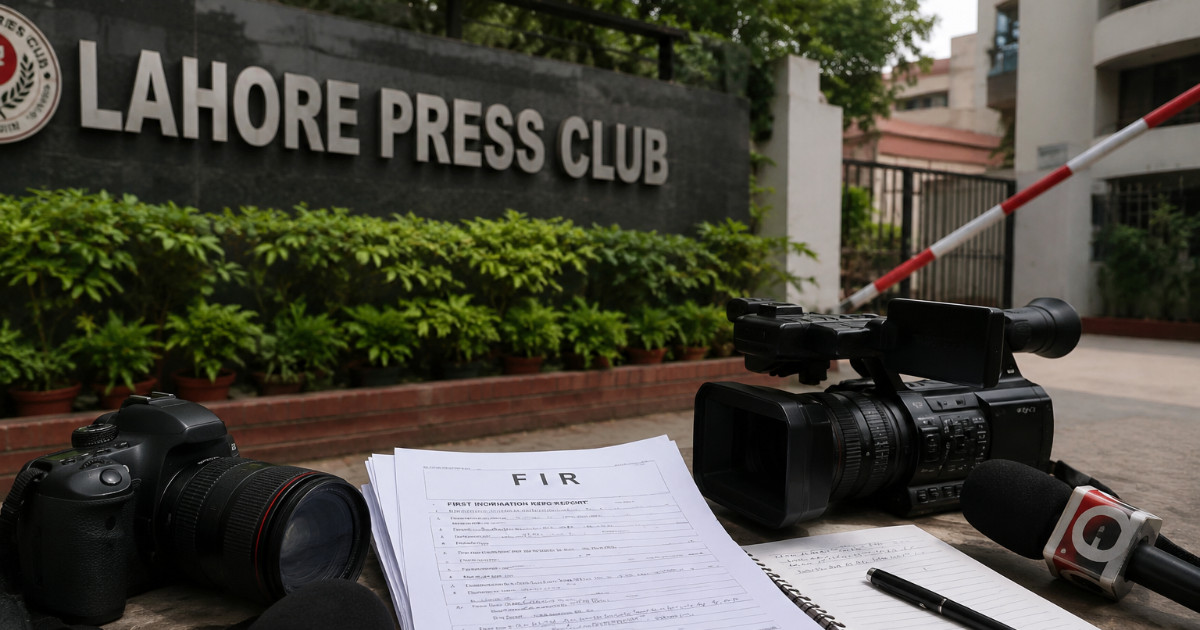
PAKISTAN — Journalist Razi Tahir was granted eight days of bail after the National Cyber Crime Investigation Authority (NCCIA) registered an FIR against him under Sections 20 and 26-A of PECA 2016, alleging he disseminated false and misleading information on X. Tahir said authorities froze his accounts, sought his arrest, and obtained search and seizure warrants for his office, claiming the action stemmed from his reporting activities. (Razi Tahir posts on X, June 8–9, 2026)
PAKISTAN — The NCCIA summoned journalists Irshad Bhatti, Salman Haider, and Anwar Hussain Simra in connection with allegations concerning public spending claims circulated through television and digital platforms. The case has prompted discussion about the application of cybercrime laws to journalistic content and questions regarding regulatory jurisdiction. (Publicly available notices and statements, June 9–10, 2026)
MALI — Press freedom organizations condemned the arrests of journalists Abdramane Keita and Chahana Takiou, saying the detentions reflect a growing use of cybercrime and national security laws against independent reporting under the military-led government. (Press freedom organizations, June 2026)
Digital rights and online censorship
INDONESIA — News outlet Tempo reported a sustained distributed denial-of-service (DDoS) attack beginning June 5, 2026, that flooded its servers with nearly 25 million malicious requests and temporarily disrupted public access to its website. The outlet said the cyberattack followed an earlier hacking attempt involving unpublished articles linked to corruption reporting. Tempo stated that it had strengthened security measures while continuing news operations. (Tempo, June 9, 2026)
Attacks, threats, harassment, and killings
INDONESIA — Independent news outlet Floresa reported a series of intimidation incidents after covering the documentary Pesta Babi: Colonialism in Our Time, which examines deforestation and agribusiness expansion in Papua. On June 5, staff found three rotten chicken heads outside the outlet's office in Labuan Bajo, while eggs were thrown at a neighboring business operated by the outlet. The incidents followed a threatening WhatsApp message sent to Editor-in-Chief Ryan Dagur Flores containing his personal information and demanding the removal of related content. The Committee to Protect Journalists condemned the harassment and urged authorities to investigate. (CPJ, June 11, 2026)
PAKISTAN — Journalist Javeria Siddique, widow of slain journalist Arshad Sharif, said she is facing an online harassment and defamation campaign aimed at damaging her reputation and intimidating her as she continues to seek justice for her husband's killing. In a June 13 statement on X, Siddique alleged that a Pakistan-origin individual based in London was spreading false claims about her and targeting journalist Samina Pasha. She said she is exploring legal options in the United Kingdom and Pakistan and called on authorities and press freedom organizations to take notice. (Javeria Siddique on X, June 13, 2026)
Access to information and reporting restrictions
ISRAEL — Israeli military authorities issued renewed wartime reporting directives, instructing journalists not to publish details or imagery that could reveal the locations of missile impacts on sensitive military installations amid the escalating confrontation with Iran. The measures affect both domestic and international media covering the conflict. (Publicly reported restrictions, June 2026)
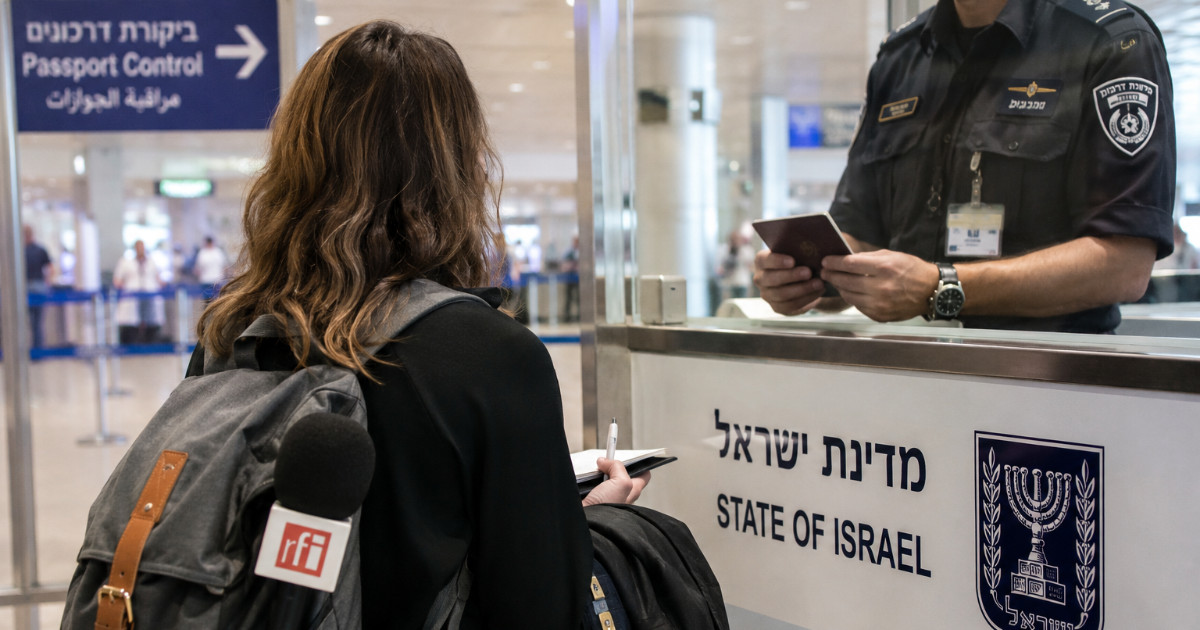
ISRAEL — French journalist Alice Froussard of Radio France Internationale was deported after attempting to enter Israel for a reporting assignment in the West Bank. Press freedom organizations, including IPI, RSF, and the Foreign Press Association, condemned the action and called for it to be reversed. (IPI, RSF, and Foreign Press Association statements, June 2026)
ETHIOPIA — Authorities revoked French journalist Augustine Passilly's media accreditation and ordered her to leave the country following a reporting trip to Tigray. The Committee to Protect Journalists called for the decision to be reversed and described the expulsion as retaliation for reporting on a matter of public interest. (CPJ, June 12, 2026)
Policy and court developments
UNITED STATES — New York's legislature passed the New York Fundamental Artificial Intelligence Requirements in News Act (NY FAIR News Act), which would require news organizations to disclose when content is substantially or wholly generated by artificial intelligence and would establish protections for journalists' confidential sources and reporting materials from AI access. The bill now awaits action by Governor Kathy Hochul. Supporters say the measure would strengthen transparency and safeguard journalistic integrity as AI becomes more widely used in newsrooms. (TheWrap, June 9, 2026)
PAKISTAN — The Supreme Court of Pakistan announced expanded media access to its premises, allowing journalists and media representatives holding valid press accreditation cards issued by press clubs or the Press Information Department to enter the court for reporting purposes between 9 a.m. and 2 p.m. on judicial working days. Previously, reporting access was largely limited to accredited court reporters. The court said the measure is intended to strengthen transparency, openness, access to information, freedom of expression, and press freedom by enabling broader media coverage of judicial proceedings and institutional reforms. (Supreme Court of Pakistan, June 12, 2026)
Media operations and industry pressures
PAKISTAN — Public News and commentator Irshad Bhatti reportedly submitted written apologies after allegations about Punjab government spending, previously aired by the broadcaster and amplified online, were withdrawn and challenged by authorities. The episode has fueled debate over newsroom verification practices, accountability for inaccurate reporting, and the appropriate regulatory forum for addressing disputed media content. (JournalismPakistan, June 10, 2026)
Press freedom review
The reporting period was marked by a concentration of legal and regulatory actions involving journalists, particularly in Pakistan, where cybercrime laws and regulatory mechanisms continued to play a prominent role in disputes over journalistic content. Several cases involving arrests, FIRs, summonses, and investigations raised ongoing concerns about the balance between combating misinformation and protecting press freedom. Internationally, journalists faced detention, deportation, accreditation revocations, intimidation, cyberattacks, and wartime reporting directives. At the same time, some developments offered positive signals, including expanded media access at Pakistan's Supreme Court and legislative efforts in New York to improve transparency around AI-generated news content. The majority of recorded incidents this week involved legal, regulatory, or administrative actions rather than physical attacks, reflecting a continuing global shift toward institutional and digital forms of pressure on journalism. Overall, the week highlighted both persistent threats and emerging policy responses affecting journalism worldwide.
Global context
Across the world, journalists are increasingly navigating a dual challenge: traditional forms of state pressure and rapidly evolving digital threats. Governments continue to rely on national security, cybercrime, and public-order laws to regulate media activity, while cyberattacks, online harassment campaigns, and digital surveillance create new obstacles for independent reporting. Simultaneously, debates over artificial intelligence, newsroom transparency, and access to information are reshaping the media landscape. The developments recorded this week reflect broader global trends identified by press freedom organizations, which continue to warn that legal pressure, digital intimidation, and restrictions on reporting remain among the most significant challenges facing journalism in 2026.
For additional context, readers can review last week's Press Freedom Tracker.
Tags: Press Freedom Tracker, Press Freedom, Journalist Safety, Arrests and Detentions, Legal Pressure, Digital Rights, Cyberattacks, Online Harassment, Access to Information, Reporting Restrictions, Media Regulation, AI and Journalism, Pakistan Media, Global Media
ATTRIBUTION: Compiled by JournalismPakistan
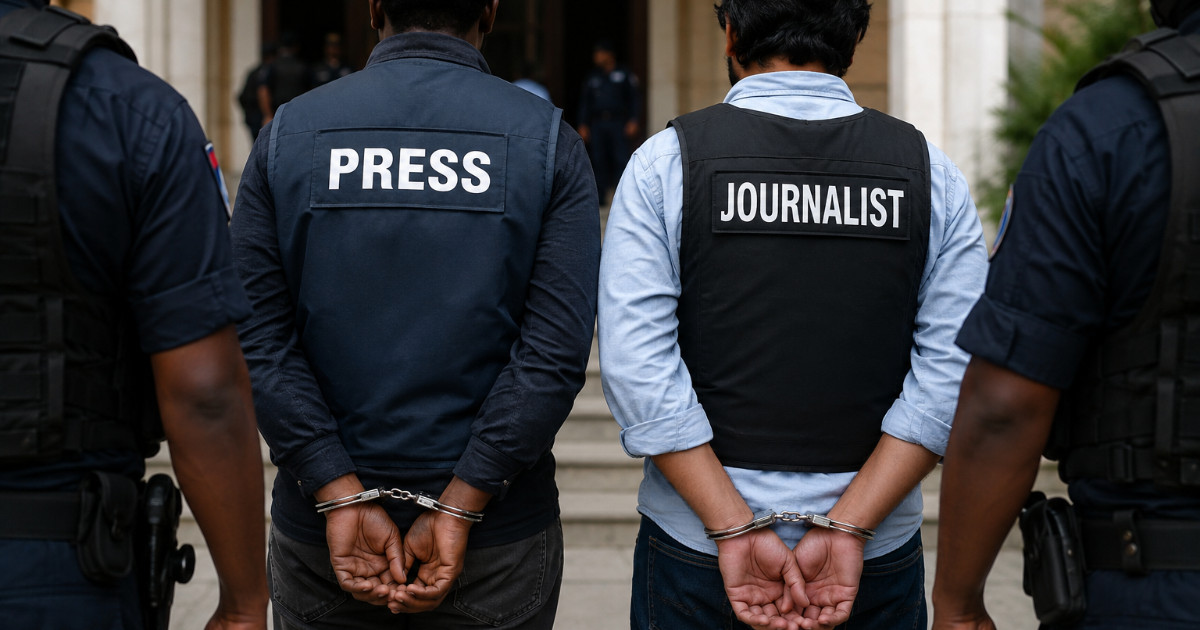
PHOTO: AI-generated; for illustrative purposes
Key Points
- Multiple arrests and detentions of journalists reported in Pakistan during the period.
- Cybercrime proceedings and online investigations are increasingly used against reporters and outlets.
- Independent media face digital attacks, platform disruptions and targeted online harassment.
- Legal pressure and reporting restrictions, including limited access to courts, constrain newsgathering.
- International incidents highlight detentions, expulsions and restrictions on conflict reporting.
Key Questions & Answers
What does the Press Freedom Tracker monitor?
The tracker records incidents affecting media freedom, including arrests, legal actions, censorship, cyberattacks and restrictions on reporting both in Pakistan and internationally.
Which threats to journalists are most common in the recent period?
Common threats include arrests and detentions, legal pressure, cyber investigations, online harassment and disruptions targeting independent media outlets.
How are cyberattacks affecting independent media?
Cyberattacks can disrupt publication, expose sources, degrade digital infrastructure and create a hostile environment for investigative reporting.
What steps can help protect journalists and press freedom?
Measures include legal safeguards for reporters, digital security practices, transparent investigations, international advocacy and support for independent newsrooms.
Relevant Topics
Ask AI: Understand this story your way
AI EnabledDig deeper, ask anything — get instant context, background, and clarity.
Disclaimer: This feature is powered by AI and is intended to help readers explore and understand news stories more easily. While we strive for accuracy, AI-generated responses may occasionally be incomplete or reflect limitations in the underlying model. This feature does not represent the editorial views of JournalismPakistan. For our full, verified reporting, please refer to the original article.