
What is a data void? How gaps in information fuel misinformation online
JournalismPakistan.com | Published: 5 April 2026 | JP Staff Report
Join our WhatsApp channel
When breaking events leave reliable reporting scarce, a data void emerges: search engines and social media can surface poor or misleading content; actors exploit these gaps to amplify false narratives, complicating verification and public trust.Summary
ISLAMABAD — In the early hours after a major breaking event, when verified facts are still emerging, online searches often spike with urgent questions. What happened, who is responsible, and what comes next are queries that millions turn to search engines and social media platforms to answer. In these moments, the absence of reliable information can become as significant as the information itself.
This gap is increasingly being recognized by journalists and researchers as a “data void”, a situation where credible, high-quality content is limited or nonexistent, leaving space for misleading or false narratives to take hold. As digital platforms continue to shape how news is discovered and consumed, understanding data voids has become essential for both journalists and audiences.
What data void mean
A data void refers to a lack of trustworthy, relevant information available on a specific topic, particularly in online search results or social media discussions. These gaps often occur around emerging stories, obscure topics, or newly coined search terms that have not yet been widely covered by credible news organizations.
Unlike traditional misinformation, which involves the spread of false content, a data void begins with an absence. When users search for information and find little or no authoritative reporting, algorithms on platforms such as Google, YouTube, and X may surface whatever content is available, regardless of its accuracy or credibility.
These conditions can be exploited by individuals or groups who intentionally create and promote misleading material to fill the gap. Because there is little competing content, such material can quickly dominate search results and online conversations, giving it disproportionate visibility.
Why it matters now
The concept of data voids has gained urgency in a media environment defined by speed, platform-driven distribution, and declining trust in information sources. Newsrooms are under increasing pressure to publish quickly, while audiences expect real-time updates. This combination can leave temporary gaps in verified reporting, especially during crises, elections, or sensitive political developments.
At the same time, advances in artificial intelligence and content generation tools have made it easier to produce large volumes of convincing but unverified material. This increases the risk that data voids will be filled not by credible journalism, but by automated or coordinated content designed to mislead.
Platform algorithms also play a critical role. Search engines and social media systems prioritize relevance and engagement, not necessarily accuracy. In the absence of established reporting, these systems may elevate content that is popular or optimized for visibility, even if it lacks factual grounding. This dynamic raises ongoing questions for regulators and policymakers about platform accountability and digital speech.
For journalists, data voids highlight the importance of proactive reporting and verification. Identifying potential gaps and addressing them early can help prevent the spread of misinformation. For audiences, awareness of data voids encourages more critical consumption of information, particularly during fast-moving events.
Real-world examples
Internationally, data voids have been observed during major breaking news incidents. In the aftermath of crises, such as natural disasters or acts of violence, search queries often surge before verified details are available. During these periods, misleading videos, recycled footage, or unverified claims have been known to trend on platforms like YouTube and X, filling the informational gap left by delayed reporting. Researchers have documented how such content can shape early public perceptions before corrections or verified updates emerge.
Another widely cited example involves health-related misinformation. During the early stages of the COVID-19 pandemic, evolving scientific understanding created temporary data voids around treatments, transmission, and prevention. In some cases, inaccurate or misleading claims gained traction online because authoritative information had not yet been fully established or widely disseminated. Organizations such as the World Health Organization later emphasized the importance of timely and accurate communication to counter what it described as an “infodemic.”
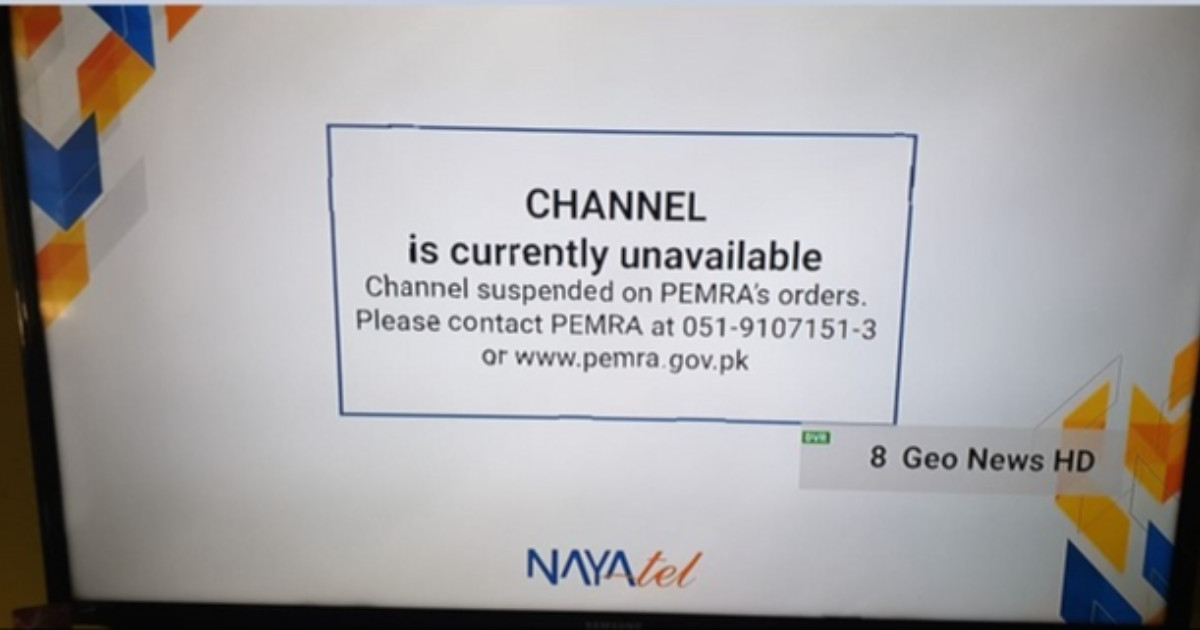
In Pakistan and South Asia, similar patterns have emerged during political developments and security-related incidents. When breaking news unfolds, and official statements are delayed or unclear, social media platforms often become primary sources of information. During election cycles or protests, unverified claims and edited videos have circulated widely, particularly on platforms like Facebook. In several instances, fact-checking organizations and news outlets have had to intervene to correct false narratives that gained traction in the absence of immediate, verified reporting.
Courts and regulators in the region have also acknowledged the challenges posed by misinformation, particularly in digital spaces. While responses vary, the underlying issue often traces back to gaps in timely, reliable information, conditions that define a data void.
Filling the gaps in the information ecosystem
As journalism continues to evolve in a fast-paced digital environment, the concept of data voids offers a useful lens for understanding how misinformation spreads. It underscores that the problem is not only the presence of false information, but also the absence of credible reporting at critical moments.
For newsrooms, recognizing and addressing data voids can strengthen public trust and improve the quality of information available online. For readers, understanding this term provides a clearer perspective on why certain narratives gain traction and how to navigate them more carefully. In an era where information moves quickly and widely, filling the gaps with accurate, verified reporting remains one of journalism’s most essential responsibilities.
RELATED JOURNALISM TERMS: Readers may also find the following JournalismPakistan explainers useful:
PHOTO: AI-generated; for illustrative purposes
Key Points
- Data voids occur when reliable online information is scarce for a specific query or event.
- They often appear after breaking news, around obscure topics, or newly coined search terms.
- Algorithms and recommendation systems may elevate low-quality or misleading content in results.
- Actors can intentionally create and promote material to exploit these gaps and spread false narratives.
- Responding requires rapid authoritative reporting, fact-checking, and platform measures to surface trusted sources.
Key Questions & Answers
What is a data void?
A data void is a gap where trustworthy, authoritative information is limited or absent for a specific topic or search, allowing low-quality or misleading content to surface.
When do data voids typically form?
They commonly form immediately after breaking events, around obscure subjects, or when new search terms emerge that lack established coverage.
How do platforms contribute to data void harms?
Search engines and social platforms may surface whatever content exists-regardless of credibility-so low-quality or manipulative material can gain visibility quickly.
How can journalists and platforms reduce data voids?
By producing rapid, authoritative reporting, prioritizing trusted sources in algorithms, and supporting timely fact-checking to fill informational gaps.
Relevant Topics
Ask AI: Understand this story your way
AI EnabledDig deeper, ask anything — get instant context, background, and clarity.
Disclaimer: This feature is powered by AI and is intended to help readers explore and understand news stories more easily. While we strive for accuracy, AI-generated responses may occasionally be incomplete or reflect limitations in the underlying model. This feature does not represent the editorial views of JournalismPakistan. For our full, verified reporting, please refer to the original article.